
Have you ever experienced a persistent ringing or buzzing sound in your ears? This phenomenon, known as tinnitus, can be quite bothersome and can have various causes. One way to better understand and manage this condition is by distinguishing between subjective and objective tinnitus. Subjective tinnitus is the most common form and is only audible to the person experiencing it, while objective tinnitus can be heard by others as well. In this article, we will explore ways to differentiate between these two types of tinnitus and provide some helpful tips for managing the symptoms.
Causes and Symptoms of Tinnitus
Definition of Tinnitus
Tinnitus refers to the perception of sound when there is no external sound source present. It is commonly described as a ringing, buzzing, hissing, or roaring sound in the ears. While it is not a condition itself, tinnitus can be a symptom of an underlying issue affecting the auditory system. It can be temporary or chronic, and its impact on individuals can vary widely.
Causes of Tinnitus
Tinnitus can have multiple causes, including age-related hearing loss, exposure to loud noises, earwax blockage, certain medications (such as antibiotics and cancer drugs), ear infections, and even high blood pressure. Additionally, certain medical conditions like Meniere’s disease, temporomandibular joint (TMJ) disorder, and acoustic neuroma can also contribute to the development of tinnitus.
Symptoms of Tinnitus
The primary symptom of tinnitus is the perception of sound that is not present in the environment. This sound can be continuous or intermittent, and its volume and pitch may vary from person to person. Some individuals may experience mild tinnitus that does not significantly impact their daily lives, while others may have severe tinnitus that interferes with concentration, sleep, and overall quality of life. Accompanying symptoms may include anxiety, depression, irritability, and difficulty in focusing.
Subjective Tinnitus
Description
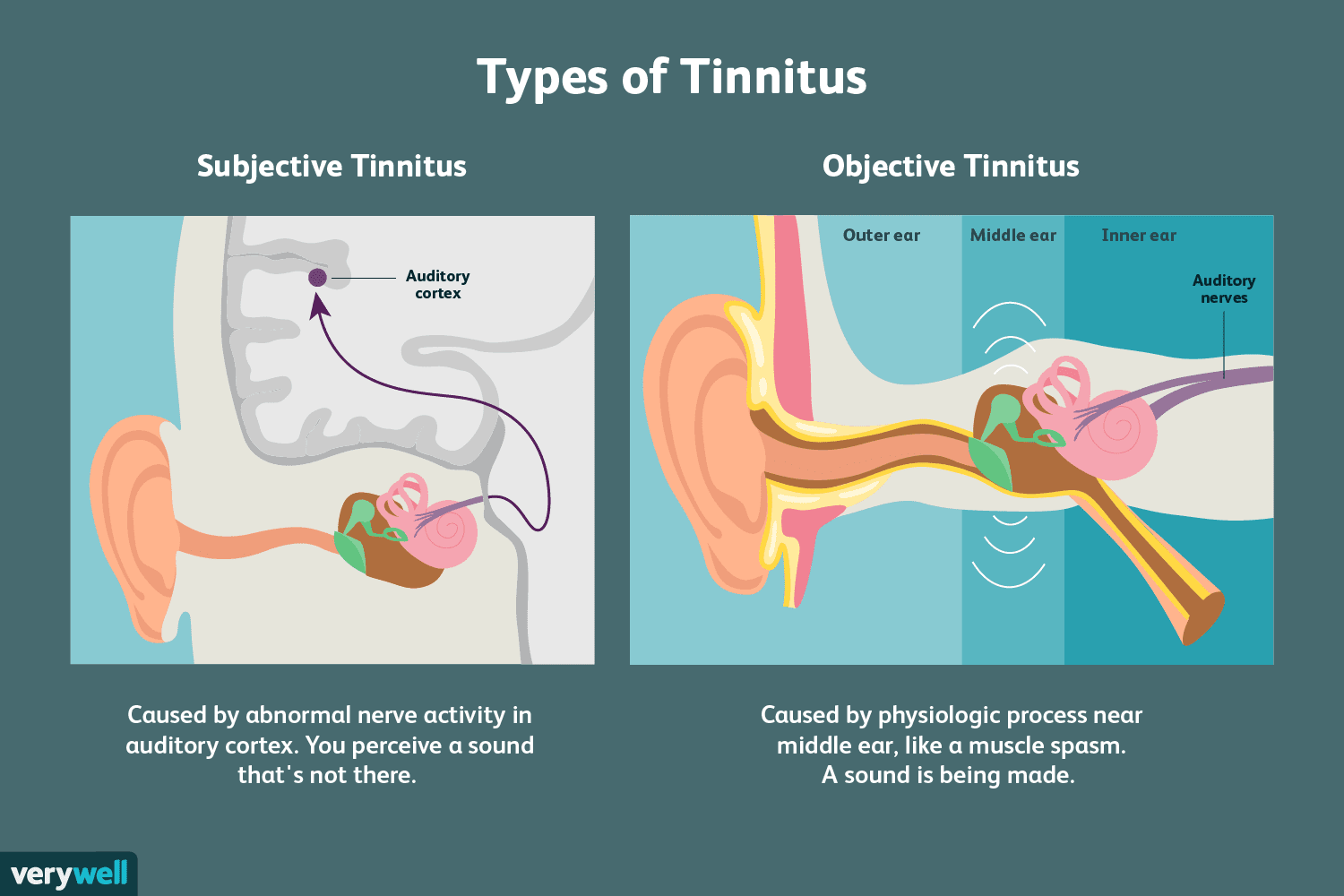
Subjective tinnitus is the most common form and occurs when only the affected individual can perceive the noise. It is typically due to dysfunction within the auditory system, such as damage to the hair cells in the inner ear or abnormalities in the auditory nerves or brain pathways.
Causes
Subjective tinnitus can have various underlying causes. The most common is exposure to loud noises over time, causing damage to the sensory cells in the inner ear. Other potential causes include age-related hearing loss, ototoxic medications, ear infections, and metabolic disorders. In some cases, the exact cause may not be identifiable.
Symptoms
Subjective tinnitus manifests as a perceived sound that only the individual experiencing it can hear. The sound can take different forms, such as ringing, buzzing, humming, or hissing, and it may vary in intensity and duration. It can be constant or come and go unpredictably. The impact on daily life can range from slight annoyance to significant distress.
When to Seek Medical Help
If you experience subjective tinnitus that persists for more than a few days or begins to interfere with your quality of life, it is advisable to seek medical help. A healthcare professional, typically an otolaryngologist or audiologist, can conduct a thorough evaluation to identify any underlying causes and recommend appropriate treatment options.

Objective Tinnitus
Description
Objective tinnitus is less common than subjective tinnitus and occurs when the perceived sound can also be heard by an examiner or a healthcare professional during a physical examination. It is often associated with a physical source of sound within the body, such as blood flow turbulence, muscle spasms, or abnormal bone growth in the middle ear.
Causes
Objective tinnitus can arise from various factors related to vascular, muscular, or structural abnormalities in the auditory pathway. For example, it can be caused by changes in blood flow due to conditions like high blood pressure or atherosclerosis. Additionally, certain muscle contractions, such as those related to the palatal or tensor tympani muscles, can produce sounds that can be heard externally.
Symptoms
In objective tinnitus, the perceived sound is not limited to the affected individual and can be audible to a healthcare professional upon examination. This distinguishes it from subjective tinnitus, which is only heard by the individual experiencing it. The sound may be pulsatile or non-pulsatile, and its characteristics can provide valuable diagnostic information.
When to Seek Medical Help
If you suspect you may have objective tinnitus or are experiencing any unusual sounds in your ears, it is important to consult with a healthcare professional for an evaluation. Objective tinnitus may indicate an underlying medical condition that requires further investigation and targeted treatment.
Distinction between Subjective and Objective Tinnitus
Nature of Perception
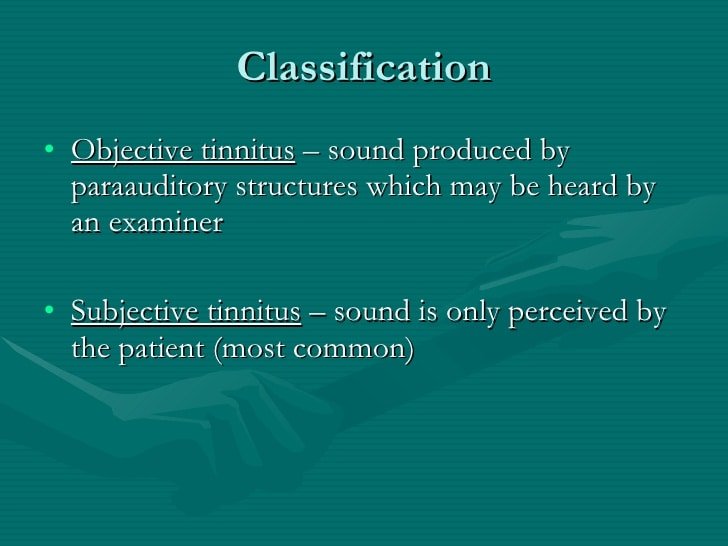
The primary distinction between subjective and objective tinnitus lies in the perception of the sound. Subjective tinnitus is only heard by the affected individual, while objective tinnitus can be heard by both the individual and a healthcare professional during an examination.
Auditory Examination
An auditory examination can aid in distinguishing between subjective and objective tinnitus. Subjective tinnitus does not typically have any observable abnormalities during an examination, while objective tinnitus may have physical signs, such as abnormal blood flow or muscle contractions, that can be detected by a healthcare professional.
Tone Matching Test
The tone matching test can help differentiate between subjective and objective tinnitus. In this test, individuals with tinnitus are played a series of tones, and they are asked to indicate if any of the tones match the sound they hear. If a matching tone is identified, it suggests subjective tinnitus. If no matching tone is found, objective tinnitus becomes more likely.
Objective Tinnitus Test
To confirm the presence of objective tinnitus, additional tests may be conducted. These can include a Doppler ultrasound to assess the blood flow in the ear, electromyography to measure muscle activity, or video otoscopy to visualize any physical abnormalities.
Additional Diagnostic Methods
In certain cases, additional diagnostic methods like magnetic resonance imaging (MRI), computerized tomography (CT) scans, or auditory brainstem response (ABR) tests may be recommended to further assess the underlying causes of tinnitus.
Misdiagnosis and Misinterpretation
Factors Contributing to Misdiagnosis
Misdiagnosis of tinnitus can occur due to factors such as the subjective nature of the symptom, the lack of a definitive diagnostic test, and the wide range of potential underlying causes. Additionally, tinnitus can coexist with other conditions or mimic symptoms of other health issues, leading to misinterpretation or delayed diagnosis.
Possible Misinterpretations
Tinnitus can sometimes be mistaken for other auditory phenomena, such as aural fullness, pulsatile tinnitus, or even musical hallucinations. It may also be misattributed to mental health conditions like anxiety or depression, leading to a delay in appropriate treatment.
Importance of Accurate Diagnosis
Accurate diagnosis of tinnitus is crucial for effective management and treatment. Identifying the underlying cause can guide treatment choices and help address any potentially reversible factors contributing to tinnitus. It also ensures that individuals receive appropriate support and resources to manage the impact of tinnitus on their daily lives.
Treatment Options for Tinnitus
Management of Subjective Tinnitus
Subjective tinnitus is often managed through a combination of approaches tailored to the individual’s specific needs. Treatment options may include sound therapy, cognitive behavioral therapy (CBT), hearing aids, medications, and complementary therapies. The goal is to reduce the perception of tinnitus and minimize its impact on a person’s quality of life.
Treatment of Objective Tinnitus
Objective tinnitus often requires addressing the underlying medical condition contributing to the symptoms. For example, managing high blood pressure or eliminating ototoxic medications may help alleviate objective tinnitus. In some cases, surgical intervention or specialized procedures may be necessary to address the physical source of the sound.
Cognitive Behavioral Therapy
CBT is a form of therapy that focuses on changing thought patterns and behaviors related to tinnitus. It can help individuals develop coping strategies, manage stress and anxiety associated with tinnitus, and reframe their perception of the condition.
Hearing Aids and Sound Therapy
Hearing aids can help individuals with hearing loss and tinnitus by amplifying external sounds, which can distract from the perception of tinnitus. Sound therapy involves using external sounds, such as white noise or nature sounds, to provide relief and reduce the prominence of tinnitus.
Medications and Supplements
Certain medications, such as tricyclic antidepressants and anticonvulsants, may be prescribed to manage tinnitus symptoms. Additionally, supplements like gingko biloba, melatonin, and zinc have been studied for their potential benefits in reducing tinnitus severity.
Alternative and Complementary Therapies
Various alternative and complementary therapies, like acupuncture, herbal remedies, and relaxation techniques, have been explored as potential treatments for tinnitus. While their effectiveness may vary, some individuals find these approaches helpful in managing their symptoms.

Coping Strategies for Tinnitus
Self-Help Techniques
Self-help techniques can play a significant role in managing tinnitus. These may include lifestyle modifications, stress reduction, self-care practices, and establishing a supportive environment that promotes overall well-being.
Relaxation and Stress Reduction
Stress and anxiety can exacerbate tinnitus symptoms. Engaging in relaxation techniques, such as deep breathing exercises, meditation, yoga, or mindfulness practices, can help reduce stress levels and promote a sense of calm, potentially alleviating the impact of tinnitus.
Masking Techniques
Masking techniques involve using external sounds to partially or completely cover up the perception of tinnitus. This can be achieved through devices like white noise machines, fans, or specific smartphone applications that generate soothing sounds.
Support Groups and Counseling
Joining support groups or seeking counseling can provide individuals with the opportunity to connect with others who understand their experiences and share coping strategies. It can also provide a safe space to express emotions, learn from others, and gain valuable insights into managing tinnitus.
Lifestyle Modifications
Adopting a healthy lifestyle can positively impact tinnitus. This may involve regular exercise, maintaining a balanced diet, limiting exposure to loud noises, avoiding smoking and excessive alcohol consumption, and getting adequate sleep.
Maintaining Ear Health
Taking care of your ears is essential for managing tinnitus. This includes protecting your ears from excessive noise, using ear protection when necessary, and avoiding the use of cotton swabs to clean the ears, as they can push earwax deeper and potentially worsen tinnitus symptoms.
Improving Quality of Life
Emotional Support
Emotional support is crucial for individuals living with tinnitus. Seeking support from loved ones, friends, or professionals can help individuals navigate the emotional impact of tinnitus and develop effective coping strategies.
Environmental Modifications
Making modifications to the environment can help individuals better manage their tinnitus. This can involve minimizing exposure to loud noises, creating a calm and quiet living space, using devices that generate soothing sounds, or employing sound masking techniques to create a more comfortable auditory environment.
Alternative Communication Methods
For individuals whose tinnitus significantly affects their ability to communicate, alternative communication methods can be explored. This may include using visual aids, gestures, or written communication to effectively convey messages when auditory communication becomes challenging.
Professional Assistance
Seeking professional assistance from specialists such as audiologists, psychologists, or occupational therapists may be beneficial in developing personalized strategies and techniques to improve specific areas of an individual’s life impacted by tinnitus.
Wellness and Mindfulness Practices
Engaging in wellness and mindfulness practices, such as yoga, meditation, or tai chi, can help individuals cultivate a sense of inner calm and focus. These practices can promote overall well-being and enhance coping skills for managing tinnitus.

Prevention and Future Outlook
Protecting Your Hearing
Preventing hearing loss is key to reducing the risk of developing tinnitus. This can be achieved by wearing ear protection in noisy environments, avoiding prolonged exposure to loud noises, and maintaining safe listening levels when using headphones or earbuds.
Avoiding Loud Noises
Limiting exposure to loud noises, such as concerts, sporting events, or loud machinery, can minimize the risk of noise-induced hearing loss and subsequent tinnitus. When exposure to loud sounds cannot be avoided, using appropriate hearing protection is essential.
Maintaining Ear Health
Regularly maintaining ear health can contribute to preventing tinnitus. This involves avoiding the use of cotton swabs or objects inserted into the ear canal, managing ear infections promptly, and seeking medical attention for any sudden changes in hearing or ear-related symptoms.
Advancements in Tinnitus Research
Ongoing research in the field of tinnitus aims to deepen our understanding of its causes, mechanisms, and potential treatments. Advances in technology and neuroscience offer promising avenues for developing novel therapeutic approaches and enhancing the quality of life for individuals living with tinnitus.
Potential for Cure
While there is currently no known cure for tinnitus, there is optimism in the scientific community that continued research and advancements may ultimately lead to a cure. However, it is important to note that effective management strategies are available to help individuals effectively cope with and reduce the impact of tinnitus on their daily lives.
Conclusion
Importance of Accurate Diagnosis
Accurate diagnosis of tinnitus is crucial for developing an appropriate treatment plan. Considering the diverse causes and complex nature of tinnitus, a thorough evaluation by a healthcare professional is essential to identify any underlying conditions and guide personalized treatment approaches.
Personalized Treatment Approach
Due to the unique nature of tinnitus and the individual variability in its presentation, a personalized treatment approach is often necessary. What works for one person may not work for another. Therefore, it is important to explore multiple management strategies and adjust treatment plans based on individual needs and preferences.
Exploring Multiple Management Strategies
Given the multifaceted nature of tinnitus, it is often beneficial to explore multiple management strategies in combination. This may involve a combination of medical interventions, lifestyle modifications, psychological support, and the use of various therapeutic techniques to achieve the best possible outcomes in managing tinnitus and improving quality of life.