
Tinnitus, a condition characterized by a persistent ringing or buzzing sound in the ears, can be equally distressing for children and teenagers as it is for adults. Dealing with the challenges of school, social interactions, and everyday life can become even more overwhelming when accompanied by this constant noise. Fortunately, there are specific treatments available for this age group to alleviate the symptoms and provide relief. In this article, we will explore the impact of tinnitus on children and teenagers, uncover the unique challenges they face, and discuss the potential treatments that can help them overcome this disruptive condition.
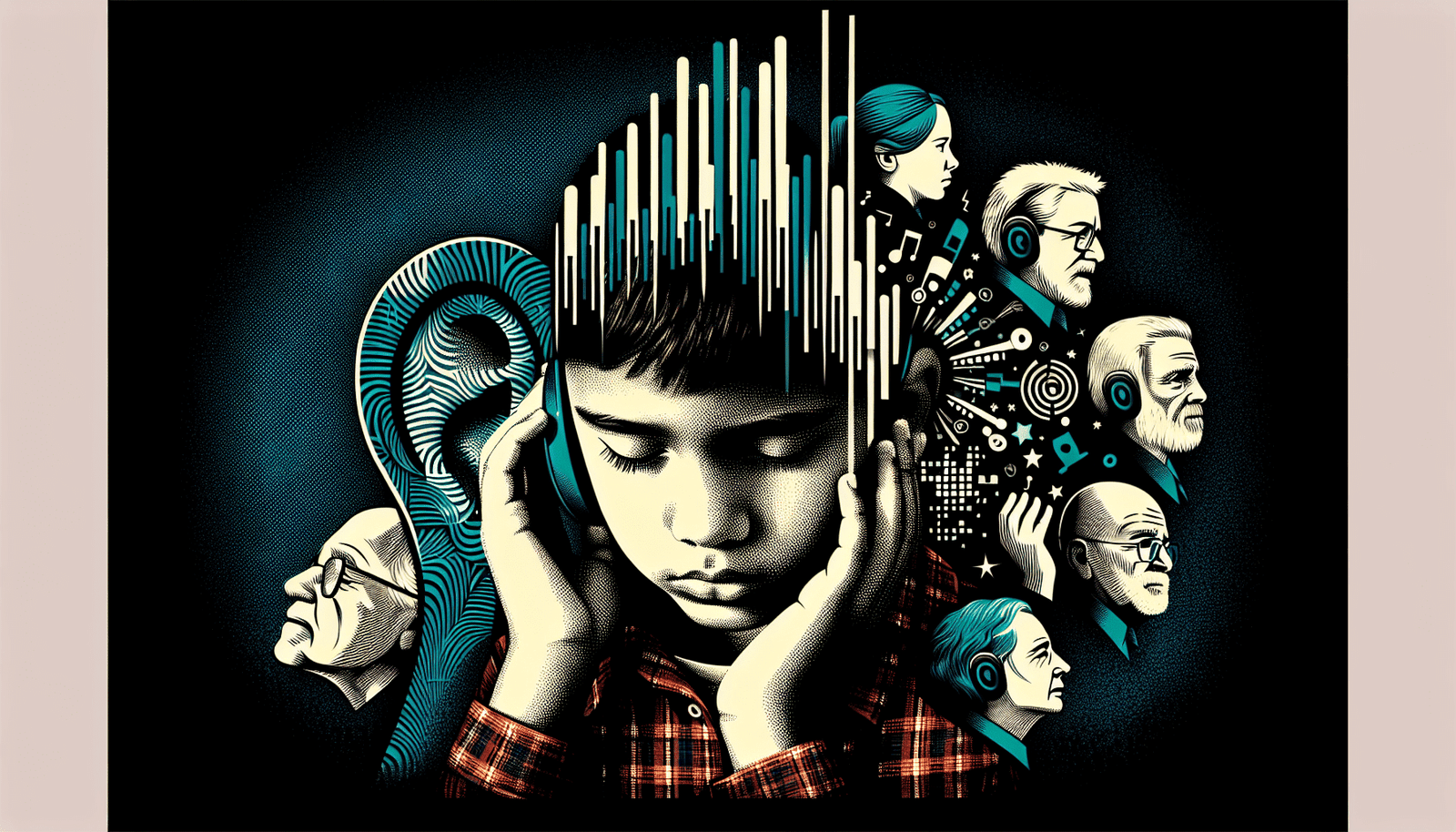
Overview of Tinnitus in Children and Teenagers
Tinnitus is a condition characterized by the perception of ringing, buzzing, or other sounds in the ears without the presence of any external source. While it is commonly associated with adults, tinnitus can also affect children and teenagers.
Definition of tinnitus
Tinnitus is often described as a phantom sound that is perceived in the absence of any external auditory stimulus. It can manifest as a ringing, buzzing, humming, hissing, or even musical sound. The perception can be constant or intermittent, and the volume can vary from person to person.
Prevalence of tinnitus in children and teenagers
Although tinnitus is more common in adults, it can also affect children and teenagers. The prevalence of tinnitus in this age group is estimated to be around 8%. It is important to note that children and teenagers may be less likely to report their symptoms, making the actual prevalence difficult to determine.
Causes of tinnitus in this age group
There are several potential causes of tinnitus in children and teenagers, including:
-
Noise exposure: Prolonged exposure to loud noises, such as listening to music at high volumes or attending loud concerts, can damage the delicate structures of the inner ear and trigger tinnitus.
-
Ear infections: Frequent or severe ear infections can lead to inflammation and damage to the auditory system, resulting in tinnitus symptoms.
-
Medications: Certain medications, such as antibiotics or aspirin, can sometimes cause tinnitus as a side effect.
-
Head and neck injuries: Traumatic events, such as head injuries or whiplash, can damage the auditory system and lead to tinnitus.
Effects of tinnitus on children and teenagers
Tinnitus can have various effects on children and teenagers, impacting their physical, emotional, and social well-being.
Physically, tinnitus can cause sleep disturbances, concentration difficulties, and increased stress levels. It may also lead to hearing difficulties, especially when the tinnitus sound masks or interferes with external sounds.
Emotionally, tinnitus can cause anxiety, depression, and increased irritability. Children and teenagers may feel frustrated, isolated, or different from their peers due to their tinnitus symptoms.
Socially, tinnitus can affect communication and participation in activities, leading to potential academic and social difficulties. It may also impact self-esteem and relationships with friends and family members. Overall, the effects of tinnitus can significantly reduce the quality of life for children and teenagers.
Identifying and Diagnosing Tinnitus in Children and Teenagers
Recognizing tinnitus symptoms in children and teenagers can be challenging, as they may not always verbalize their experiences. However, there are some common signs that may indicate the presence of tinnitus:
- Complaints of hearing sounds that others cannot hear
- Frequent ear pulling or rubbing
- Difficulty falling asleep or staying asleep
- Increased sensitivity to noise
- Difficulty concentrating in school or other activities
If tinnitus is suspected, it is vital to seek evaluation by an audiologist, a healthcare professional who specializes in hearing and auditory disorders. They can conduct a comprehensive assessment to diagnose tinnitus and determine its underlying causes.
Diagnostic tests for tinnitus may include:
-
Pure-tone audiometry: This test measures the individual’s hearing sensitivity across different frequencies.
-
Tinnitus pitch matching: The patient is asked to match the pitch or frequency of their perceived tinnitus sound to a range of sounds played by the audiologist.
-
Tinnitus loudness matching: The patient is asked to match the loudness or intensity of their perceived tinnitus sound to a range of sounds played by the audiologist.
-
Additional tests: In some cases, additional tests, such as auditory brainstem response (ABR) or magnetic resonance imaging (MRI), may be recommended to assess the auditory system and rule out other potential causes.
Impact of Tinnitus on Children and Teenagers
Tinnitus can have significant psychological, cognitive, academic, social, emotional, and overall quality of life impacts on children and teenagers.
Psychological effects of tinnitus
Children and teenagers with tinnitus may experience psychological distress, including increased anxiety and depression. They may feel frustrated or upset about the constant presence of the tinnitus sound. It can lead to difficulties in concentration, irritability, and an overall decrease in their mental well-being.
Cognitive and academic effects
Tinnitus can interfere with cognitive functions, such as attention, concentration, and memory. Children and teenagers may find it challenging to focus in school, leading to decreased academic performance and potential learning difficulties. This can impact their self-confidence and overall educational experience.
Social and emotional impacts
Tinnitus can impact a child’s or teenager’s social and emotional well-being. They may feel isolated or different from their peers due to their tinnitus symptoms, making it difficult to engage in social activities or maintain healthy relationships. The emotional impact of tinnitus can also contribute to increased stress, irritability, and reduced self-esteem.
Quality of life considerations
Tinnitus can significantly affect the overall quality of life for children and teenagers. It may interfere with their ability to enjoy daily activities, participate in hobbies, and have a restful sleep. The constant presence of the tinnitus sound can lead to increased stress levels and a reduced sense of well-being.
Specific Treatments for Children and Teenagers with Tinnitus
While there is currently no cure for tinnitus, there are specific treatments available to help manage and alleviate the symptoms in children and teenagers.
Cognitive Behavioral Therapy (CBT)
Cognitive Behavioral Therapy (CBT) is a therapeutic approach that aims to change negative thoughts and behaviors associated with tinnitus. It can help children and teenagers develop coping mechanisms and reduce the emotional distress caused by tinnitus. CBT may involve relaxation techniques, stress management, and cognitive restructuring exercises.
Sound therapy and maskers
Sound therapy involves the use of external sounds to mask or distract from the tinnitus sound. This can be achieved through the use of noise-generating devices, such as sound machines or wearable maskers. The introduction of pleasant and soothing sounds can help reduce the perception of tinnitus and promote relaxation.
Medication options for tinnitus relief
In some cases, medications may be prescribed to manage specific symptoms associated with tinnitus, such as anxiety or sleep disturbances. However, it is essential to consult with a healthcare professional to assess the suitability and potential side effects of medications for children and teenagers.
Tinnitus retraining therapy (TRT)
Tinnitus retraining therapy (TRT) is a combination of sound therapy and counseling designed to help individuals habituate to the tinnitus sound. It involves the use of low-level, broadband noise generators paired with counseling sessions to help the brain reclassify the tinnitus sound as insignificant.
Alternative and complementary treatments
There are various alternative and complementary treatments that individuals may find helpful in managing their tinnitus symptoms. These can include acupuncture, relaxation techniques, herbal supplements, and mindfulness-based practices. However, it is important to consult with healthcare professionals before trying any alternative treatments to ensure safety and effectiveness, particularly in children and teenagers.
Coping Strategies and Support for Children and Teenagers with Tinnitus
Building coping skills and providing support are crucial aspects of managing tinnitus in children and teenagers.
Developing coping skills
Children and teenagers can benefit from learning coping skills and strategies to help them better manage tinnitus-related distress. This can include relaxation techniques, such as deep breathing exercises or progressive muscle relaxation. Encouraging open communication and providing a safe space for expression can also contribute to their overall coping abilities.
Educational support and accommodations
Children and teenagers with tinnitus may require educational support and accommodations to optimize their academic performance. This can include providing preferential seating in the classroom, allowing additional breaks, or providing access to assistive listening devices. Collaborating with educators and school administrators can help create a supportive learning environment.
Parental and familial support
Parental and familial support plays a crucial role in helping children and teenagers cope with tinnitus. Parents can offer a listening ear, provide emotional support, and actively involve themselves in the child’s tinnitus management plan. Open communication, understanding, and empathy are essential in fostering a supportive family environment.
Support groups and counseling services
Support groups and counseling services can provide valuable resources and support networks for both children and teenagers with tinnitus and their families. These platforms offer opportunities to connect with others facing similar challenges, share experiences, and gain insights on coping strategies. It can also be an avenue to receive professional guidance and support from healthcare professionals and counselors.
Prevention and Management of Tinnitus in Children and Teenagers
Prevention and proactive management strategies can help reduce the risk of tinnitus and minimize its impact on children and teenagers.
Identifying and avoiding triggers
Identifying and avoiding potential triggers is essential in preventing or minimizing tinnitus in this age group. This can include reducing exposure to loud noises, using hearing protection devices (such as earplugs or earmuffs), and promoting healthy hearing habits.
Promoting healthy hearing habits
Promoting healthy hearing habits early on can help protect children and teenagers from developing tinnitus. Encouraging safe listening practices, such as keeping volume levels at a reasonable level when using headphones or attending concerts, can reduce the risk of noise-induced tinnitus.
Protecting hearing in noisy environments
In noisy environments, it is important to take measures to protect hearing. This can include using ear protection, such as earmuffs or earplugs, during loud activities or events. Educating children and teenagers about the potential risks of noise exposure and the importance of hearing protection can empower them to take proactive steps to protect their hearing.
Addressing the Emotional and Psychological Aspects of Tinnitus in Children and Teenagers
Addressing the emotional and psychological aspects of tinnitus in children and teenagers is vital to their overall well-being.
Psychological counseling and therapy
Psychological counseling and therapy can provide children and teenagers with a safe space to express their emotions, fears, and concerns related to tinnitus. Professionals trained in working with this age group can help develop coping strategies, address any underlying mental health issues, and provide support tailored to their specific needs.
Supporting mental well-being
Promoting mental well-being in children and teenagers with tinnitus involves creating a positive and nurturing environment. Encouraging healthy lifestyle habits, such as regular physical activity, balanced nutrition, and adequate sleep, can contribute to their overall mental well-being. Offering reassurance, empathy, and validation of their experiences can also help foster a positive self-image.
Promoting self-acceptance and positive body image
Tinnitus can sometimes lead to feelings of self-consciousness or negative body image in children and teenagers. Promoting self-acceptance and positive body image is crucial in helping them build resilience and confidence. Encouraging them to focus on their unique strengths, interests, and achievements can help shift their attention away from their tinnitus and cultivate a positive sense of self.
Promising Research and Future Directions in Tinnitus Treatment for Children and Teenagers
Ongoing research and advancements in tinnitus treatment provide hope for improved outcomes in children and teenagers.
Current research findings
Current research is focused on better understanding the underlying mechanisms of tinnitus in children and teenagers. Studies are exploring genetic and environmental factors, as well as refining diagnostic approaches for accurate identification and individualized treatment options.
Emerging treatment modalities
Emerging treatment modalities, such as neurofeedback training and transcranial magnetic stimulation, show promise in managing tinnitus symptoms. These approaches aim to modulate the neural activity associated with tinnitus and provide relief from the perceived sound.
Areas for further research and improvement
There are several areas that require further research and improvement in tinnitus treatment for children and teenagers. These include the development of evidence-based guidelines specific to this age group, the exploration of the long-term effects of different treatment modalities, and the advancement of non-invasive treatment options.
Case Studies: Real-Life Experiences and Success Stories
Real-life case studies can provide insights into the challenges faced by children and teenagers with tinnitus and illustrate the effectiveness of various treatment approaches.
Case study: A teenager’s journey with tinnitus
One case study follows the journey of a teenager who developed tinnitus due to noise exposure at a concert. Through a comprehensive treatment plan that included sound therapy, counseling, and support from his family, the teenager successfully managed his tinnitus symptoms. The case study highlights the importance of early intervention and a holistic approach to tinnitus management.
Case study: A child’s successful management of tinnitus
Another case study focuses on a young child with tinnitus resulting from chronic ear infections. The child received medical treatment, underwent audiologic evaluation, and participated in sound therapy. With consistent support from his parents and healthcare professionals, the child learned to cope with his tinnitus and experienced a significant improvement in his quality of life.
Conclusion
In conclusion, tinnitus can impact children and teenagers, affecting various aspects of their lives. Early identification and intervention are crucial for managing tinnitus in this age group. By recognizing the symptoms, seeking professional evaluation, and implementing appropriate treatments and coping strategies, children and teenagers with tinnitus can find relief and improve their overall well-being. Continued support, awareness, and research are essential in providing comprehensive care and reducing the impact of tinnitus on this vulnerable population.