
Have you ever wondered if there is a connection between tinnitus, the persistent ringing in your ears, and dental procedures or appliances? This article explores the intriguing possibility of a relationship between these two seemingly unrelated issues. As you delve into the information provided, you will discover the potential correlations and gain a better understanding of how certain dental treatments or appliances may contribute to the development or aggravation of tinnitus. So, put on your reading glasses, sit back and let’s uncover the fascinating connection between your dental health and that persistent ringing in your ears.
Overview of Tinnitus
Definition of tinnitus
Tinnitus is the perception of sound in the absence of any external sound source. It is commonly described as a ringing, buzzing, hissing, or whistling sound in the ears. While tinnitus is not a disease itself, it is often a symptom of an underlying condition.
Causes of tinnitus
Tinnitus can be caused by various factors, including exposure to loud noises, age-related hearing loss, earwax blockage, and certain medications. Other potential causes include head and neck injuries, cardiovascular conditions, and neurological disorders. In some cases, tinnitus can arise as a result of dental procedures or the use of dental appliances.
Prevalence of tinnitus
Tinnitus is a widespread condition, affecting millions of individuals worldwide. According to the American Tinnitus Association, approximately 15% of the global population experiences some form of tinnitus, with around 20 million Americans seeking medical attention for the condition.
Impact on quality of life
Tinnitus can have a significant impact on an individual’s quality of life. The persistent noise can disrupt sleep patterns, concentration, and emotional well-being. It can lead to anxiety, depression, and difficulties in engaging in everyday activities. Understanding the potential relationship between tinnitus and dental procedures or appliances is crucial in managing and alleviating its impact on daily life.
Understanding Dental Procedures and Appliances
Types of dental procedures
Dental procedures encompass a wide range of treatments and interventions aimed at maintaining oral health. These can include routine teeth cleanings, fillings, root canals, extractions, dental implants, and orthodontic treatments. Each procedure is tailored to address specific dental issues and restore oral function.
Common dental appliances
Dental appliances are devices utilized in dental care to correct alignment, protect teeth, or assist in oral rehabilitation. They can include night guards, mouthguards, dental braces, and prosthetic devices like dentures and dental bridges. These appliances are custom-made to fit each patient’s unique dental structure and needs.
Purpose of dental appliances
Dental appliances serve various purposes, depending on the patient’s condition. They can provide support and alignment for misaligned teeth, facilitate proper healing after dental procedures, and protect teeth from damage during sports or teeth grinding. These appliances play a crucial role in improving oral health, function, and aesthetics.
Potential side effects of dental procedures
Like any medical intervention, dental procedures carry potential risks and side effects. These can include pain, swelling, bleeding, infection, and temporary changes in bite or tooth sensitivity. While these side effects are generally temporary and mild, understanding the potential connections between dental procedures or appliances and tinnitus is essential to address any associated symptoms or concerns.

Tinnitus as a Result of Dental Procedures
Evidence of tinnitus following dental procedures
While tinnitus as a direct consequence of dental procedures is not widely recognized, there have been reports of individuals experiencing tinnitus after certain dental interventions. These cases, although relatively rare, suggest a potential link between dental procedures and the development or exacerbation of tinnitus.
Possible causes of tinnitus after dental procedures
The exact causes of tinnitus following dental procedures are not yet fully understood. However, several potential factors have been identified. One possibility is that the manipulation of the jaw and surrounding structures during dental procedures could lead to changes in blood flow and pressure, impacting the auditory system and triggering tinnitus. Another potential cause could be the introduction of foreign materials or substances during the procedure, which may elicit an inflammatory response that affects the auditory system.
Mechanisms linking dental procedures to tinnitus
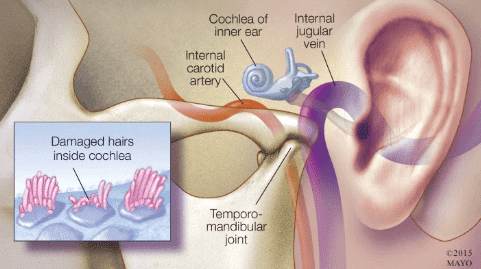
Researchers have proposed several mechanisms that could explain the connection between dental procedures and tinnitus. One theory suggests that dental interventions may disrupt the delicate balance of the temporomandibular joint (TMJ), leading to changes in muscle tension and nerve function that could contribute to tinnitus. Additionally, changes in dental occlusion, or the way the teeth come together, may affect the auditory pathways and potentially induce tinnitus.
Case studies and patient experiences
There have been documented cases of individuals who developed tinnitus after various dental procedures. These cases range from root canal treatments to orthodontic procedures. While individual experiences may vary, the recurrence of tinnitus in some patients following dental interventions underscores the need for further investigation into the potential relationship between dental procedures or appliances and tinnitus.
Specific Dental Procedures and Tinnitus
Root canal procedures
Root canal procedures involve the removal of infected or damaged dental pulp, followed by the cleaning, shaping, and sealing of the root canals. While tinnitus as a direct consequence of root canal procedures is rare, some individuals have reported experiencing tinnitus after undergoing this treatment. The potential mechanisms linking root canal procedures to tinnitus are still being explored.
Tooth extractions
Tooth extractions involve the removal of a decayed, damaged, or problematic tooth from its socket. Although uncommon, tinnitus has been reported as a possible side effect following tooth extractions. Similar to other dental procedures, changes in blood flow, pressure, and neural activity could contribute to the development or aggravation of tinnitus in some individuals.
Dental implants
Dental implants are artificial tooth roots surgically placed in the jawbone to support prosthetic teeth. While dental implant procedures are generally safe and well-tolerated, there have been isolated instances of tinnitus following implant placement. The specific causes and mechanisms behind this connection, as well as the long-term implications, require further investigation.
Orthodontic treatments
Orthodontic treatments aim to correct misaligned teeth and jaws by applying continuous gentle pressure over a period of time. While orthodontic procedures are not commonly associated with tinnitus, there have been anecdotal reports of individuals experiencing tinnitus during or after orthodontic treatment. The influence of changes in dental occlusion and jaw alignment on the auditory system may contribute to such cases.
Temporomandibular joint (TMJ) procedures
Temporomandibular joint (TMJ) procedures involve the diagnosis and treatment of conditions affecting the jaw joint and surrounding structures. While the primary objective of TMJ procedures is to alleviate pain and improve jaw function, some patients have reported experiencing tinnitus after these interventions. The complex interplay between the TMJ, auditory pathways, and associated structures may underlie this observed association.
Dental Appliances and Tinnitus
Types of dental appliances
Dental appliances can be broadly categorized into two types: those used for rehabilitation and restoration, and those used for protection and alignment. Rehabilitative appliances include dental crowns, bridges, and implants, while protective and alignment appliances encompass mouthguards, braces, and oral sleep devices.
Impact of dental appliances on tinnitus
The impact of dental appliances on tinnitus varies depending on the individual and the specific appliance used. While some patients have reported improvement or alleviation of tinnitus symptoms with the use of certain dental appliances, others have reported the onset or exacerbation of tinnitus. The relationship between dental appliances and tinnitus is complex and multifactorial, highlighting the need for further research to better understand this connection.
Potential mechanisms of dental appliances causing tinnitus
The mechanisms by which dental appliances may induce or worsen tinnitus are not yet well-established. However, it is hypothesized that alterations in dental occlusion, changes in muscle tension, and modifications in the jaw’s position and movement could impact the auditory system and contribute to tinnitus. Further investigation is needed to elucidate the precise mechanisms involved.
Case studies and patient experiences
Several case studies have documented patients experiencing changes in tinnitus symptoms after using dental appliances. These include reports of both improvement and exacerbation of tinnitus following the use of various appliances. Patient experiences are highly individualized, and the underlying factors contributing to these outcomes require further exploration.
Potential Risk Factors and Considerations
Individual susceptibility to tinnitus
Individual susceptibility to tinnitus is influenced by various factors, including genetic predisposition, overall health, and previous exposure to noise or ototoxic substances. Some individuals may be more vulnerable to developing or experiencing tinnitus as a result of dental procedures or appliances. Recognizing and considering these risk factors is crucial in managing and mitigating potential tinnitus-related issues.
Patient characteristics and predisposition
Certain patient characteristics, such as pre-existing hearing loss, temporomandibular joint disorders, or anxiety disorders, may increase the likelihood of developing tinnitus after dental procedures or appliance use. Dental professionals should consider these factors when evaluating patients and discussing potential treatment options to minimize any adverse effects on tinnitus symptoms.
Influence of dental professionals
Dental professionals play a significant role in identifying and managing potential tinnitus-related issues associated with dental procedures or appliances. Establishing an open line of communication and discussing any concerns or symptoms with the dental team is vital for providing appropriate care and addressing individual patient needs.
Improper dental appliance fitting
Ill-fitting dental appliances can cause discomfort, changes in dental occlusion, and potential alterations in muscle tension. These factors have the potential to impact the auditory system and contribute to the development or worsening of tinnitus symptoms. Ensuring proper fitting and regular follow-up appointments are essential in minimizing any adverse effects on tinnitus.
Infection or inflammation as contributing factors
Infections or localized inflammation resulting from dental procedures can have systemic effects that may indirectly impact the auditory system and trigger or exacerbate tinnitus. Dental professionals should closely monitor patients for signs of infection or inflammation and promptly address any concerns to minimize potential tinnitus-related complications.
Mechanisms of Tinnitus Induction
Vascular theories of tinnitus
Vascular theories propose that changes in blood flow or blood vessel abnormalities play a role in the development of tinnitus. In the context of dental procedures, alterations in blood flow or blood pressure resulting from changes in jaw position or associated inflammation could contribute to tinnitus symptoms. Further studies are needed to better understand the specific vascular mechanisms involved.
Neural theories of tinnitus
Neural theories suggest that tinnitus arises from abnormal neural activity in the auditory pathways and other brain regions. Changes in neural firing, synchronization, or plasticity resulting from dental procedures or the use of dental appliances may contribute to the generation or modulation of tinnitus. These neural mechanisms warrant investigation to gain deeper insights into their potential role in tinnitus induction.
Dental-related mechanisms and tinnitus
Dental-related mechanisms encompass the various factors associated with dental interventions that could directly or indirectly impact the auditory system. These can include changes in dental occlusion, alterations in muscle tension, disturbances in joint function, and the introduction of foreign materials or substances. The precise roles of these dental-related mechanisms in tinnitus development require further exploration.
Impact of dental occlusion on tinnitus
Dental occlusion refers to the way the teeth come together when the jaws close. Changes in dental occlusion resulting from dental procedures or appliances can potentially alter the forces and pressures exerted on the jaw joint and associated structures. These changes may impact the auditory system and contribute to the development or exacerbation of tinnitus. The relationship between dental occlusion and tinnitus necessitates additional research for a better understanding.
Managing Tinnitus Related to Dental Procedures
Prevention strategies for patients
Prevention strategies for tinnitus related to dental procedures involve identifying and addressing potential risk factors before treatment. Patients should inform their dental professionals about any pre-existing hearing issues, temporomandibular joint disorders, or anxiety disorders. Additionally, patients should inquire about the potential impact of dental procedures or appliances on tinnitus and discuss suitable treatment alternatives, if necessary.
Importance of open communication with dental professionals
Open communication between patients and dental professionals is essential in managing tinnitus-related concerns. Patients should proactively discuss any changes in tinnitus symptoms or concerns before, during, and after dental procedures. Dental professionals should carefully evaluate patients’ medical history and work collaboratively with other healthcare providers to ensure comprehensive care.
Treatment options for tinnitus
Various treatment options are available for individuals experiencing tinnitus related to dental procedures or appliances. These can include sound therapy, counseling, stress management techniques, and, in some cases, medication. Treatment plans should be tailored to each individual’s specific needs and may involve a multidisciplinary approach involving dental professionals, audiologists, and tinnitus specialists.
Lifestyle changes and self-help techniques
Making certain lifestyle changes and adopting self-help techniques can help individuals manage tinnitus symptoms. These can include practicing relaxation techniques, avoiding exposure to loud noises, maintaining a healthy diet, and managing stress levels. Engaging in activities that promote overall well-being and minimizing behaviors that may exacerbate tinnitus can greatly contribute to better symptom management.
Future Research and Considerations
Need for further studies
Although there is some evidence suggesting a potential relationship between tinnitus and dental procedures or appliances, further studies are needed to establish a solid scientific basis for this connection. Large-scale clinical trials, prospective studies, and case-control analyses are necessary to better understanding the mechanisms and factors involved in tinnitus induction or aggravation.
Advancements in dental techniques and materials
Advancements in dental techniques and materials hold the potential to minimize or mitigate the potential impact of dental procedures or appliances on tinnitus. Ongoing research and development in dental technology can provide valuable insights into the design and implementation of procedures and appliances that minimize the risk of tinnitus-related complications.
Improving dental professionals’ understanding of tinnitus
Increasing dental professionals’ understanding of tinnitus is crucial in addressing the potential relationship between dental procedures or appliances and tinnitus. Continuing education programs and professional development opportunities should emphasize the assessment, management, and referral strategies for patients with tinnitus-related concerns.
Collaboration between dentists and tinnitus specialists
Collaboration between dentists and tinnitus specialists can enhance patient care and optimize treatment outcomes. Sharing knowledge and expertise can lead to improved assessment and management strategies for patients with tinnitus symptoms related to dental procedures or appliances. Establishing a network of interdisciplinary professionals will be beneficial in developing comprehensive and individualized treatment approaches.
Conclusion
While the relationship between tinnitus and dental procedures or appliances is not yet fully understood, there is evidence to suggest a potential connection. Patients experiencing tinnitus after dental interventions should communicate their symptoms to their dental professionals, who can monitor and address any concerns appropriately. Further research is needed to unravel the mechanisms and risk factors involved in tinnitus induction or exacerbation related to dental procedures. Dental professionals, in collaboration with other healthcare providers, play a crucial role in managing and supporting patients with tinnitus to improve their quality of life.