
Memory is a complex and fascinating aspect of human cognition that plays a crucial role in your daily life. It allows you to retain information, recall past experiences, and learn new skills. At its core, memory can be divided into three main processes: encoding, storage, and retrieval.
Encoding is the initial stage where information is transformed into a format that can be stored in your brain. This process can be influenced by various factors, including attention and emotional state. For instance, when you are fully engaged in a conversation or an activity, you are more likely to encode the information effectively.
Once information is encoded, it moves into the storage phase, where it is maintained over time. Your brain stores memories in different ways, depending on their nature. Short-term memory holds information temporarily, while long-term memory can retain information for extended periods, sometimes even a lifetime.
Retrieval is the final stage, where you access stored memories when needed. This process can be influenced by cues and context; for example, the smell of a particular dish might trigger memories of family gatherings. Understanding these processes can help you appreciate the intricacies of memory and how it shapes your experiences.
Key Takeaways
- Memory is the ability to store, retain, and recall information and experiences.
- Strategies for improving memory include staying organized, using mnemonic devices, and practicing mindfulness.
- Memory-boosting activities for kids include playing memory games, engaging in storytelling, and encouraging physical activity.
- Foods that help improve memory include blueberries, fatty fish, and turmeric, which contain antioxidants and anti-inflammatory properties.
- Adequate sleep is crucial for memory improvement, as it allows the brain to consolidate and store information.
Tips and Strategies for Improving Memory
Improving your memory is not just about innate ability; it involves adopting specific strategies and techniques that can enhance your cognitive functions. One effective method is to practice active learning. Instead of passively reading or listening, engage with the material by summarizing it in your own words or teaching it to someone else.
This active involvement helps reinforce the information in your mind, making it easier to recall later. Additionally, breaking down complex information into smaller, manageable chunks can significantly aid retention. This technique, known as chunking, allows you to process and remember information more efficiently.
Another powerful strategy is to utilize mnemonic devices. These are memory aids that help you associate new information with familiar concepts or patterns. For example, creating acronyms or visual imagery can make it easier to remember lists or sequences.
Furthermore, establishing a consistent routine for reviewing information can solidify your memory over time. Regularly revisiting material helps reinforce neural connections in your brain, making retrieval more accessible when needed. By incorporating these strategies into your daily life, you can enhance your memory and improve your overall cognitive performance.
Memory-Boosting Activities for Kids
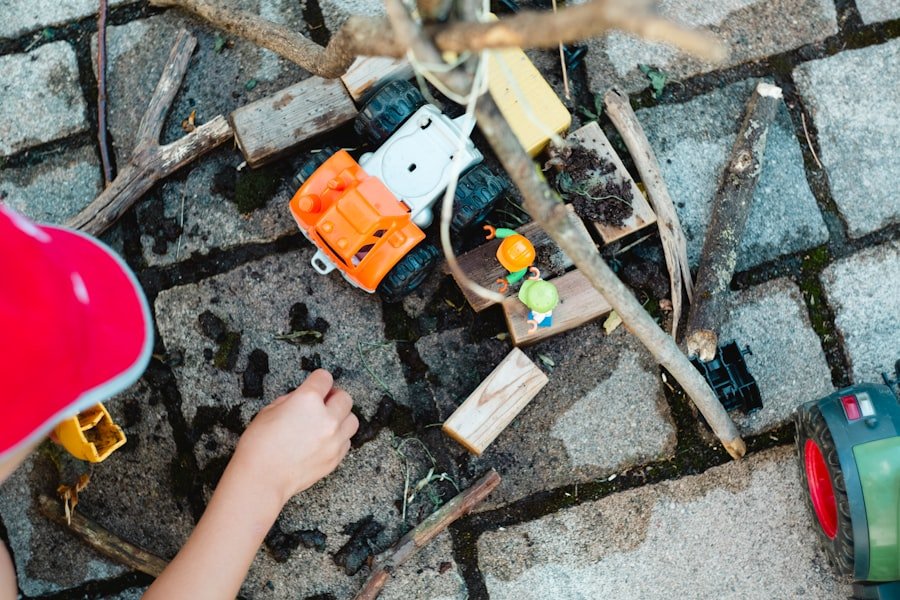
Fostering good memory skills in children is essential for their academic success and personal development. Engaging kids in memory-boosting activities can make learning fun while enhancing their cognitive abilities. One effective activity is playing memory games, such as matching card games or puzzles that require them to remember the location of specific items.
These games not only challenge their memory but also promote critical thinking and problem-solving skills. Another enjoyable way to boost memory is through storytelling. Encourage your child to create their own stories or retell familiar ones.
This activity stimulates their imagination while helping them practice recalling details and sequencing events. Additionally, incorporating songs and rhymes into learning can be an effective way to enhance memory retention. The rhythm and melody make it easier for children to remember information, turning learning into an enjoyable experience.
By integrating these activities into their routine, you can help your child develop strong memory skills that will benefit them throughout their lives.
Nutrition and Memory: Foods that Help Improve Memory
What you eat plays a significant role in your cognitive health, including memory function. Certain foods are known to enhance brain health and improve memory retention. For instance, fatty fish like salmon and trout are rich in omega-3 fatty acids, which are essential for brain development and function.
These healthy fats contribute to improved cognitive performance and may even help protect against age-related decline in memory. In addition to fatty fish, incorporating a variety of fruits and vegetables into your diet can provide essential vitamins and antioxidants that support brain health. Berries, particularly blueberries, have been shown to improve memory due to their high levels of antioxidants that combat oxidative stress in the brain.
Leafy greens like spinach and kale are also beneficial, as they contain nutrients like vitamin K that are linked to better cognitive function. By focusing on a balanced diet rich in these memory-boosting foods, you can support your brain health and enhance your ability to retain information.
The Role of Sleep in Memory Improvement
Sleep is often overlooked as a critical component of memory improvement, yet it plays a vital role in how well you retain information. During sleep, your brain processes and consolidates memories from the day, transforming short-term memories into long-term ones. This process is essential for learning new information effectively; without adequate sleep, your ability to recall what you’ve learned diminishes significantly.
To optimize your memory through sleep, aim for 7-9 hours of quality rest each night. Establishing a consistent sleep schedule can help regulate your body’s internal clock, making it easier to fall asleep and wake up refreshed. Additionally, creating a calming bedtime routine can signal to your brain that it’s time to wind down.
Limiting screen time before bed and ensuring a comfortable sleep environment can further enhance the quality of your rest. By prioritizing sleep as part of your memory improvement strategy, you can significantly boost your cognitive abilities.
Techniques for Helping Kids Remember Information

Helping children remember information requires patience and creativity. One effective technique is the use of visual aids. Children often respond well to images, diagrams, and charts that illustrate concepts visually.
By incorporating these tools into their learning process, you can make abstract ideas more concrete and memorable for them. Another useful approach is repetition combined with variation. Encourage your child to review information multiple times but present it in different formats each time—such as through discussions, written exercises, or interactive activities.
This method reinforces learning while keeping it engaging and dynamic. Additionally, associating new information with something familiar or meaningful to the child can create stronger connections in their memory. By employing these techniques consistently, you can help children develop effective strategies for retaining information throughout their educational journey.
The Impact of Exercise on Memory
Physical activity is not only beneficial for your body but also has profound effects on your brain health and memory function. Engaging in regular exercise increases blood flow to the brain, delivering essential nutrients and oxygen that support cognitive processes. Studies have shown that aerobic exercises, such as running or swimming, are particularly effective at enhancing memory and overall brain function.
Moreover, exercise promotes the release of neurotrophic factors—proteins that support the growth and survival of neurons—contributing to improved cognitive abilities over time. Even moderate physical activity can lead to significant improvements in memory retention and recall abilities. Incorporating exercise into your daily routine doesn’t have to be daunting; simple activities like walking or playing sports can make a substantial difference in your cognitive health.
By prioritizing physical activity as part of your lifestyle, you can enhance not only your physical well-being but also your mental acuity.
Creating a Supportive Environment for Memory Improvement
Creating an environment conducive to memory improvement is essential for both adults and children alike. A supportive atmosphere encourages focus and minimizes distractions that can hinder learning and retention. Start by organizing your workspace or study area; a clutter-free environment allows for better concentration and helps you absorb information more effectively.
In addition to physical space, fostering a positive emotional environment is equally important. Encouragement and support from family members or peers can boost confidence and motivation when learning new material. Establishing routines that incorporate regular review sessions or collaborative study groups can also create a sense of community around learning.
By cultivating an environment that prioritizes focus, support, and collaboration, you set the stage for enhanced memory retention and overall cognitive growth. In conclusion, understanding the intricacies of memory and implementing effective strategies can significantly improve both individual and collective cognitive abilities. By focusing on nutrition, sleep, exercise, and creating supportive environments for learning, you empower yourself—and those around you—to enhance memory function effectively.
Whether you’re looking to boost your own memory or help children develop strong cognitive skills, these insights provide valuable guidance on the journey toward improved memory retention and recall.
FAQs
What are some effective ways to improve memory for kids?
Some effective ways to improve memory for kids include encouraging regular physical activity, providing a balanced and nutritious diet, ensuring adequate sleep, and engaging in activities that stimulate the brain such as reading, puzzles, and memory games.
How does physical activity help improve memory for kids?
Physical activity helps improve memory for kids by increasing blood flow to the brain, reducing stress, and promoting the growth of new brain cells. It also helps in improving focus and attention, which are essential for memory retention.
What role does nutrition play in improving memory for kids?
Nutrition plays a crucial role in improving memory for kids as certain nutrients like omega-3 fatty acids, antioxidants, and vitamins are essential for brain health and cognitive function. A balanced diet that includes fruits, vegetables, whole grains, and lean proteins can support memory and overall brain development.
How does adequate sleep contribute to better memory for kids?
Adequate sleep is essential for memory consolidation, as it allows the brain to process and store information gathered throughout the day. Lack of sleep can impair cognitive function, attention, and memory retention in children.
What are some brain-stimulating activities that can help improve memory for kids?
Brain-stimulating activities such as reading, solving puzzles, playing memory games, learning a musical instrument, and engaging in creative arts can help improve memory for kids. These activities challenge the brain and promote the development of memory and cognitive skills.