
Memory is a complex and fascinating aspect of human cognition that plays a crucial role in your daily life. It is the mental faculty that allows you to encode, store, and retrieve information. At its core, memory can be divided into three main processes: encoding, storage, and retrieval.
Encoding is the initial step where information is transformed into a format that can be stored in your brain. This can involve visualizing concepts, associating new information with existing knowledge, or even repeating information aloud. The more effectively you encode information, the better your chances of retaining it.
Storage refers to how information is maintained over time. Your brain has different types of memory systems, including short-term and long-term memory. Short-term memory holds information temporarily, allowing you to work with it for a brief period.
In contrast, long-term memory is where information is stored for extended periods, sometimes even a lifetime. Retrieval is the process of accessing stored information when you need it. This can be influenced by various factors, including the context in which you learned the information and your emotional state at the time of retrieval.
Understanding these processes can empower you to enhance your memory and improve your learning experiences.
Key Takeaways
- Memory is the ability to encode, store, and retrieve information in the brain.
- Effective study techniques such as spaced repetition and active recall can improve memory retention.
- Creating a study environment with minimal distractions and good lighting can enhance memory retention.
- Memory aids and techniques like mnemonic devices and visualization can help improve memory recall.
- Proper nutrition, regular exercise, and adequate sleep can positively impact memory function.
Effective Study Techniques for Improving Memory
To improve your memory, employing effective study techniques is essential. One of the most powerful methods is spaced repetition, which involves reviewing material at increasing intervals over time. This technique leverages the psychological spacing effect, which suggests that information is better retained when it is studied over spaced-out sessions rather than crammed in one sitting.
By revisiting the material periodically, you reinforce your memory pathways, making it easier to recall the information later. Another effective technique is the use of mnemonic devices. These are memory aids that help you associate new information with familiar concepts or patterns.
For instance, creating acronyms or visual imagery can make complex information more manageable and memorable. If you’re trying to remember a list of items, you might create a vivid story that links each item together in a way that makes sense to you. This not only makes studying more engaging but also enhances your ability to retrieve the information when needed.
Creating a Study Environment Conducive to Memory Retention

Your study environment plays a significant role in how well you can retain information. A well-organized and distraction-free space can enhance your focus and concentration, allowing you to absorb material more effectively. Start by choosing a quiet location where you feel comfortable and can minimize interruptions.
This could be a dedicated study room, a library, or even a cozy corner in your home. Ensure that your study area is well-lit and equipped with all the materials you need, such as textbooks, notebooks, and stationery. In addition to physical organization, consider the psychological aspects of your study environment.
Surround yourself with motivational elements that inspire you to learn. This could include posters with quotes that resonate with you or images that remind you of your goals. Personalizing your space can create a positive atmosphere that encourages productivity and enhances your memory retention capabilities.
Remember that a cluttered or chaotic environment can lead to distractions and hinder your ability to focus on the task at hand.
Utilizing Memory Aids and Techniques
Memory aids are invaluable tools that can significantly enhance your ability to retain and recall information. One popular method is the use of flashcards, which allow you to test yourself on key concepts and definitions actively. By writing questions on one side and answers on the other, you create an interactive learning experience that reinforces your memory through active recall.
Flashcards are particularly effective for subjects that require memorization, such as vocabulary or historical dates. Another technique worth exploring is mind mapping. This visual representation of information helps you organize thoughts and ideas in a structured manner.
By creating a mind map, you can visually connect related concepts, making it easier to understand complex topics and see the bigger picture. This technique not only aids in memory retention but also fosters creativity and critical thinking as you explore relationships between different pieces of information.
The Role of Nutrition and Exercise in Memory Improvement
Your physical health has a profound impact on your cognitive abilities, including memory function. Nutrition plays a vital role in brain health; certain foods are known to enhance cognitive performance and support memory retention. Incorporating brain-boosting foods into your diet can make a significant difference.
For instance, fatty fish rich in omega-3 fatty acids, such as salmon and sardines, have been linked to improved memory function. Additionally, fruits and vegetables high in antioxidants, like blueberries and spinach, help protect brain cells from oxidative stress. Exercise is another crucial factor in maintaining optimal memory function.
Engaging in regular physical activity increases blood flow to the brain, promoting the growth of new neurons and enhancing overall cognitive performance. Activities like aerobic exercise have been shown to improve memory and learning capabilities by stimulating the release of brain-derived neurotrophic factor (BDNF), a protein that supports neuron health. By prioritizing both nutrition and exercise in your daily routine, you create a solid foundation for improving your memory.
Managing Stress and Sleep for Optimal Memory Function
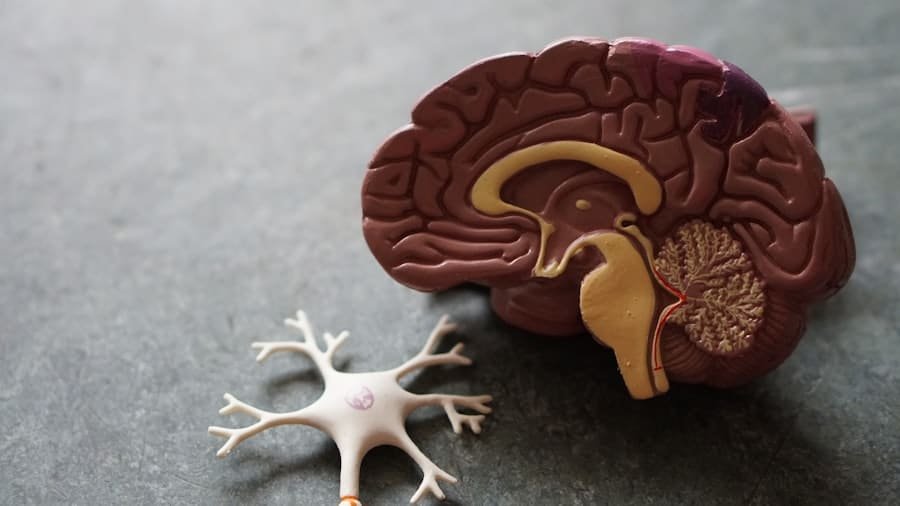
Stress can have detrimental effects on your memory and cognitive function. When you’re under stress, your body releases cortisol, a hormone that can impair memory formation and retrieval if levels remain elevated for prolonged periods. To manage stress effectively, consider incorporating relaxation techniques into your daily routine.
Practices such as deep breathing exercises, yoga, or engaging in hobbies can help reduce stress levels and create a more conducive environment for learning. Sleep is equally important for memory consolidation. During sleep, your brain processes and organizes information acquired throughout the day, strengthening neural connections associated with memories.
Aim for 7-9 hours of quality sleep each night to ensure optimal cognitive function. Establishing a consistent sleep schedule and creating a calming bedtime routine can significantly improve the quality of your sleep. By prioritizing both stress management and sleep hygiene, you set yourself up for success in retaining and recalling information.
Incorporating Mindfulness and Meditation into Study Routine
Mindfulness and meditation are powerful practices that can enhance your focus and improve memory retention. By cultivating mindfulness, you train your mind to stay present in the moment, reducing distractions that can hinder your ability to absorb information effectively. Simple mindfulness exercises, such as paying attention to your breath or observing your thoughts without judgment, can help clear mental clutter and enhance concentration during study sessions.
Meditation has also been shown to have positive effects on cognitive function. Regular meditation practice can increase gray matter density in areas of the brain associated with memory and learning. Even just a few minutes of meditation before studying can help calm your mind and prepare you for focused learning.
By incorporating mindfulness and meditation into your study routine, you create a mental environment that fosters better retention of information.
Seeking Professional Help for Memory Improvement
If you find that you’re struggling with memory issues despite implementing various techniques and strategies, it may be beneficial to seek professional help. Consulting with a psychologist or cognitive specialist can provide valuable insights into underlying factors affecting your memory function. They may conduct assessments to identify specific areas of concern and recommend tailored strategies to address them.
Additionally, if you’re experiencing significant memory problems that interfere with daily life or academic performance, it’s essential to rule out any potential medical conditions that could be contributing to these issues. A healthcare professional can guide you through this process and suggest appropriate interventions or therapies designed to improve cognitive function. Remember that seeking help is not a sign of weakness; rather, it demonstrates your commitment to enhancing your cognitive abilities and overall well-being.
In conclusion, improving memory involves understanding how it works and implementing effective strategies tailored to your unique learning style. By creating an optimal study environment, utilizing memory aids, prioritizing nutrition and exercise, managing stress and sleep, incorporating mindfulness practices, and seeking professional guidance when necessary, you can significantly enhance your memory retention capabilities. Embrace these techniques as part of your learning journey, and watch as they transform not only your academic performance but also your overall cognitive health.
FAQs
What are some effective strategies for improving memory for studying?
Some effective strategies for improving memory for studying include using mnemonic devices, practicing active recall, spacing out study sessions, getting enough sleep, and staying organized.
How does exercise impact memory and studying?
Regular exercise has been shown to improve memory and cognitive function. Exercise increases blood flow to the brain, promotes the growth of new brain cells, and reduces the risk of cognitive decline.
What role does nutrition play in memory and studying?
Nutrition plays a significant role in memory and studying. Consuming a balanced diet that includes omega-3 fatty acids, antioxidants, and vitamins can support brain health and improve memory.
How does stress affect memory and studying?
Stress can negatively impact memory and studying. Chronic stress can impair cognitive function and lead to difficulties with memory retention and recall. It’s important to manage stress through relaxation techniques and self-care.
What are some common memory-boosting foods?
Some common memory-boosting foods include blueberries, fatty fish (such as salmon), turmeric, broccoli, pumpkin seeds, and dark chocolate. These foods contain nutrients that support brain health and cognitive function.