
Chronic pain is a complex and often debilitating condition that affects millions of people worldwide. Unlike acute pain, which serves as a warning signal for injury or illness, chronic pain persists long after the initial cause has been resolved. You may find yourself grappling with discomfort that lingers for months or even years, impacting your daily life and emotional well-being.
This type of pain can manifest in various forms, including sharp, dull, throbbing, or aching sensations, and it can occur in any part of the body. Understanding chronic pain is essential for you to navigate its challenges effectively. The experience of chronic pain is not merely a physical sensation; it can also have profound psychological effects.
You might feel frustration, anxiety, or even depression as you struggle to cope with the limitations imposed by your condition. The interplay between physical and emotional health is significant, as chronic pain can lead to a cycle of suffering that exacerbates both aspects. Recognizing that chronic pain is a multifaceted issue can empower you to seek comprehensive solutions that address not only the physical symptoms but also the emotional and psychological components of your experience.
Key Takeaways
- Chronic pain is a complex condition that can be influenced by physical, emotional, and psychological factors.
- Common causes of chronic pain include injuries, nerve damage, arthritis, and fibromyalgia.
- Chronic pain can lead to physical limitations, emotional distress, and decreased quality of life.
- Treatment options for chronic pain may include medication, physical therapy, and interventional procedures.
- Lifestyle changes such as exercise, stress management, and healthy eating can help manage chronic pain.
Causes of Chronic Pain
The causes of chronic pain are as varied as the individuals who experience it. You may find that your chronic pain stems from an identifiable medical condition, such as arthritis, fibromyalgia, or neuropathy. These conditions can lead to ongoing discomfort due to inflammation, nerve damage, or other physiological changes in the body.
However, in many cases, the origin of chronic pain is less clear-cut. You might be dealing with pain that has no obvious source, which can be particularly frustrating and disheartening. In addition to medical conditions, lifestyle factors can also contribute to the development of chronic pain.
You may have experienced an injury that didn’t heal properly or developed poor posture habits that strain your muscles and joints over time. Psychological factors such as stress and anxiety can also play a role in exacerbating pain sensations. Understanding the potential causes of your chronic pain is crucial for developing an effective management plan tailored to your unique situation.
Consequences of Chronic Pain
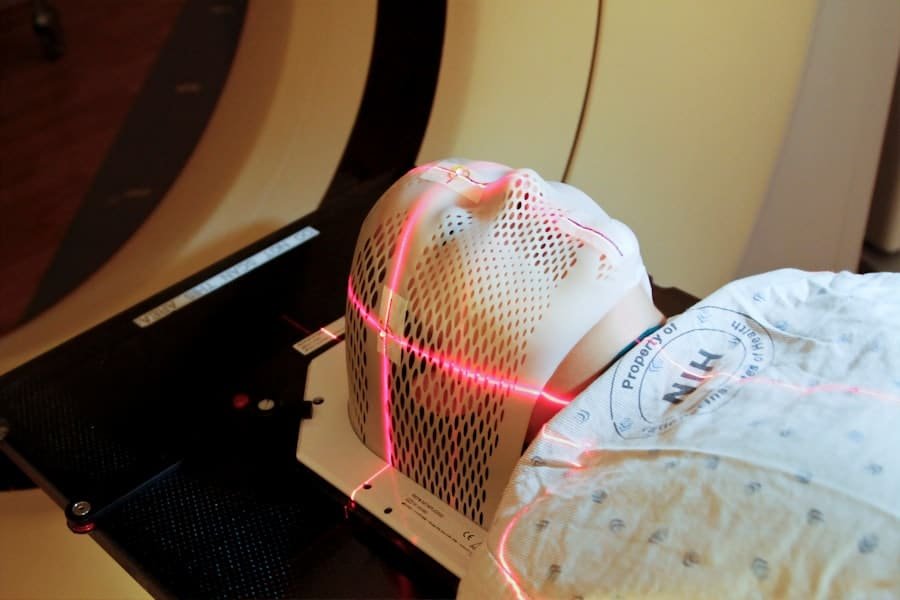
The consequences of living with chronic pain extend far beyond physical discomfort. You may find that your ability to engage in daily activities is significantly hindered, affecting your work, social life, and personal relationships. The persistent nature of chronic pain can lead to feelings of isolation and helplessness, as you struggle to maintain a sense of normalcy in your life.
This emotional toll can be just as debilitating as the physical symptoms you experience. Moreover, chronic pain can lead to a cascade of other health issues. You might notice changes in your sleep patterns, leading to fatigue and decreased cognitive function during the day.
The stress of managing ongoing pain can also contribute to mental health challenges such as anxiety and depression. Recognizing these consequences is vital for you to understand the importance of seeking help and implementing strategies to improve your overall quality of life.
Treatment Options for Chronic Pain
When it comes to treating chronic pain, there is no one-size-fits-all solution. You may need to explore a variety of treatment options to find what works best for you. Traditional medical approaches often include medications such as nonsteroidal anti-inflammatory drugs (NSAIDs), opioids, or antidepressants that target pain perception.
Physical therapy may also be recommended to help you regain strength and mobility while addressing any underlying issues contributing to your discomfort. In addition to medication and physical therapy, you might consider more holistic approaches such as cognitive-behavioral therapy (CBT) or mindfulness practices. These therapies can help you develop coping strategies and change the way you perceive and respond to pain.
By combining different treatment modalities, you can create a comprehensive plan that addresses both the physical and emotional aspects of your chronic pain.
Lifestyle Changes to Manage Chronic Pain
Making lifestyle changes can significantly impact your ability to manage chronic pain effectively. You may find that incorporating regular exercise into your routine helps alleviate some discomfort while improving your overall well-being. Low-impact activities such as swimming, walking, or yoga can enhance flexibility and strength without putting undue stress on your body.
Additionally, maintaining a healthy diet rich in anti-inflammatory foods can support your body’s healing processes. Stress management techniques are also crucial in managing chronic pain. You might explore practices such as meditation, deep breathing exercises, or journaling to help reduce stress levels and promote relaxation.
Establishing a consistent sleep schedule is equally important; quality sleep can enhance your body’s ability to heal and cope with pain. By making these lifestyle changes, you empower yourself to take control of your chronic pain journey.
Alternative Therapies for Chronic Pain
In addition to conventional treatments, many individuals find relief through alternative therapies for chronic pain management. You may want to explore options such as acupuncture, which involves inserting thin needles into specific points on the body to alleviate pain and promote healing. Some people report significant improvements in their symptoms after undergoing acupuncture sessions.
Other alternative therapies include massage therapy, chiropractic care, and herbal remedies. You might find that these approaches complement traditional treatments and provide additional relief from your symptoms. It’s essential to consult with healthcare professionals before starting any alternative therapies to ensure they align with your overall treatment plan and do not interfere with other medications or therapies you may be using.
Research and Advances in Reversing Chronic Pain
The field of chronic pain research is continually evolving, with new discoveries shedding light on potential ways to reverse or significantly reduce chronic pain conditions. Recent studies have focused on understanding the neurobiology of pain and how the brain processes pain signals. This research has led to innovative approaches such as neuromodulation techniques that aim to alter nerve activity and reduce pain perception.
You may also come across advancements in regenerative medicine, including stem cell therapy and platelet-rich plasma (PRP) treatments that show promise in repairing damaged tissues and alleviating pain. As researchers continue to explore these avenues, there is hope that more effective treatments will emerge, offering new possibilities for those living with chronic pain.
Hope for Reversing Chronic Pain
While living with chronic pain can feel overwhelming at times, it’s essential to hold onto hope for reversing or significantly improving your condition. Advances in medical research and treatment options provide a sense of optimism for many individuals facing this challenge. By staying informed about new developments and actively participating in your treatment plan, you can take proactive steps toward managing your pain more effectively.
Connecting with support groups or communities of individuals who share similar experiences can also provide encouragement and motivation on your journey. Remember that you are not alone in this struggle; many people are working towards finding solutions for chronic pain management. With persistence and the right resources at your disposal, there is hope for a brighter future where chronic pain no longer dictates your life.
FAQs
What is chronic pain?
Chronic pain is defined as pain that persists for an extended period of time, typically lasting for 3 months or more. It can result from an initial injury or illness, or it may have no clear cause.
Can chronic pain be reversed?
Chronic pain cannot always be completely reversed, but it can often be managed and reduced through various treatment methods. These may include medication, physical therapy, lifestyle changes, and alternative therapies.
What are some treatment options for chronic pain?
Treatment options for chronic pain may include over-the-counter or prescription medications, physical therapy, acupuncture, massage therapy, cognitive behavioral therapy, and lifestyle changes such as exercise and stress management.
Is it possible to live a normal life with chronic pain?
While chronic pain can be challenging to live with, many people are able to manage their symptoms and lead fulfilling lives. It may require finding the right combination of treatments and making adjustments to daily activities, but it is possible to live a normal life with chronic pain.
What are some risk factors for developing chronic pain?
Risk factors for developing chronic pain may include previous injuries, certain medical conditions, genetics, age, and lifestyle factors such as obesity and inactivity. Psychological factors such as stress, anxiety, and depression can also contribute to the development of chronic pain.