
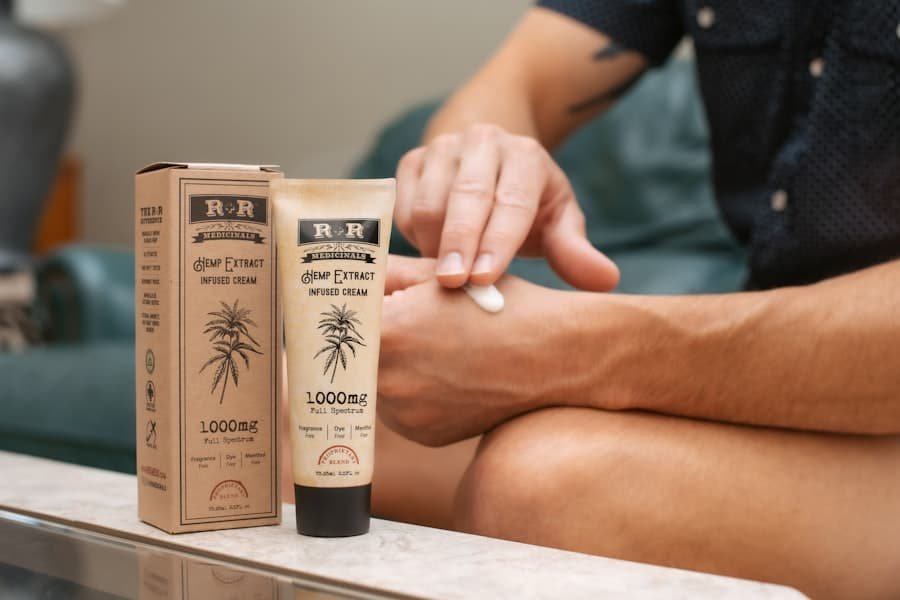
As you delve into the world of cannabidiol (CBD), it’s essential to grasp what topical CBD is and how it differs from other forms of CBD. Topical CBD refers to products infused with CBD that are designed for application directly onto the skin. These products come in various forms, including creams, balms, lotions, and salves.
Unlike other methods of consumption, such as oils or edibles, topical CBD is intended for localized relief, targeting specific areas of discomfort without entering the bloodstream. This localized application allows you to experience the benefits of CBD directly where you need it most. The appeal of topical CBD lies in its potential to provide relief from various skin conditions and pain without the psychoactive effects associated with THC, another compound found in cannabis.
As you explore topical CBD, you may find that it offers a natural alternative to traditional pain relief methods. Many users appreciate the non-invasive nature of these products, as they can be easily incorporated into daily routines. Understanding the basics of topical CBD sets the stage for exploring its mechanisms, benefits, and the science behind its effectiveness.
Key Takeaways
- Topical CBD refers to products that are applied directly to the skin, such as creams, lotions, and balms, and are infused with cannabidiol (CBD) derived from the cannabis plant.
- Topical CBD works for pain relief by interacting with the body’s endocannabinoid system, which helps regulate functions such as pain, inflammation, and immune response.
- Scientific evidence supports the use of topical CBD for pain relief, with studies showing its potential to reduce inflammation and alleviate various types of pain, including arthritis and neuropathic pain.
- Different types of topical CBD products include creams, lotions, balms, and transdermal patches, each offering unique benefits and application methods for pain relief.
- Potential side effects of topical CBD may include skin irritation, allergic reactions, and interactions with other medications, so it’s important to consult a healthcare professional before use.
- When choosing the right topical CBD product for pain relief, consider factors such as CBD concentration, additional ingredients, and application method to find the most effective option for your needs.
- Real-life experiences with topical CBD for pain vary, with many users reporting positive results in managing chronic pain, inflammation, and soreness, but individual responses may differ.
- In conclusion, the efficacy of topical CBD for pain relief is supported by scientific research and real-life experiences, making it a promising option for those seeking natural alternatives to traditional pain management.
How Topical CBD Works for Pain Relief
Understanding the Endocannabinoid System
The ECS consists of two primary types of receptors: CB1 and CB2. While CB1 receptors are primarily found in the brain and central nervous system, CB2 receptors are more prevalent in the peripheral nervous system and immune cells.
How Topical CBD Works
Topical CBD primarily interacts with CB2 receptors, which are associated with pain and inflammation. As you apply topical CBD, it penetrates the skin and binds to these CB2 receptors, potentially reducing inflammation and alleviating pain in the targeted area. This localized action means that you can experience relief without the systemic effects that come with ingesting CBD.
Benefits of Topical CBD
Many users report a soothing sensation upon application, which can further enhance the overall experience. The anti-inflammatory properties of CBD may also contribute to its effectiveness in treating conditions such as arthritis, muscle soreness, and joint pain.
Scientific Evidence Supporting Topical CBD for Pain
The scientific community has begun to take a closer look at the efficacy of topical CBD for pain relief, leading to a growing body of research on the subject. Several studies have indicated that CBD possesses anti-inflammatory and analgesic properties, making it a promising candidate for managing pain. For instance, a study published in the European Journal of Pain found that topical application of CBD significantly reduced pain and inflammation in animal models of arthritis.
While animal studies do not always translate directly to human experiences, they provide a foundation for further exploration. In addition to animal studies, clinical trials involving human participants have also shown promising results. A study published in the Journal of Pain Research examined the effects of a topical CBD formulation on patients with chronic pain conditions.
The results indicated that participants experienced significant reductions in pain levels after using the topical product over a specified period. These findings suggest that topical CBD may offer a viable option for individuals seeking alternative pain management solutions.
Different Types of Topical CBD Products
As you explore the market for topical CBD products, you’ll encounter a diverse array of options tailored to various needs and preferences. Creams and lotions are among the most common forms, often designed for easy absorption into the skin. These products typically contain additional ingredients such as essential oils or menthol to enhance their soothing effects.
Balms and salves, on the other hand, tend to have a thicker consistency and may provide a more concentrated dose of CBD for targeted relief. Another popular option is transdermal patches, which deliver a steady dose of CBD over an extended period. These patches adhere to the skin and allow for gradual absorption into the bloodstream, providing longer-lasting effects compared to traditional topical applications.
Additionally, some brands offer specialized formulations designed for specific conditions, such as muscle soreness or joint pain. With so many choices available, you can select a product that aligns with your individual needs and preferences.
Potential Side Effects of Topical CBD
While many users report positive experiences with topical CBD, it’s essential to be aware of potential side effects. Generally considered safe, topical CBD may still cause mild reactions in some individuals. Common side effects include skin irritation or allergic reactions, particularly if you have sensitive skin or are using a product with additional ingredients.
It’s advisable to perform a patch test before applying any new product extensively to ensure that your skin reacts well. Additionally, while systemic side effects are less common with topical applications compared to oral consumption, some users may still experience drowsiness or changes in appetite. If you’re taking other medications or have underlying health conditions, it’s wise to consult with a healthcare professional before incorporating topical CBD into your routine.
Being informed about potential side effects allows you to make educated decisions about your wellness journey.
Tips for Choosing the Right Topical CBD Product for Pain Relief

When selecting a topical CBD product for pain relief, several factors should guide your decision-making process. First and foremost, consider the concentration of CBD in the product. Higher concentrations may be more effective for severe pain or inflammation, while lower concentrations might suffice for mild discomfort.
Reading product labels can help you determine the amount of CBD per serving or application. Next, pay attention to the ingredient list. Opt for products that use high-quality, natural ingredients without harmful additives or artificial fragrances.
If you have specific sensitivities or allergies, look for formulations that cater to your needs. Additionally, consider whether you prefer full-spectrum, broad-spectrum, or isolate formulations. Full-spectrum products contain a range of cannabinoids and terpenes that may enhance the overall therapeutic effect through the entourage effect, while isolates contain only pure CBD.
Real-life Experiences with Topical CBD for Pain
Many individuals have shared their experiences with topical CBD as a means of managing pain, providing valuable insights into its effectiveness. For instance, athletes often turn to topical CBD products after intense workouts or competitions to alleviate muscle soreness and promote recovery. Users frequently report feeling immediate relief upon application, allowing them to continue their activities without interruption.
Moreover, individuals dealing with chronic conditions such as arthritis or fibromyalgia have found solace in topical CBD products. Many have noted significant reductions in pain levels and improved mobility after consistent use over time. These real-life testimonials highlight not only the potential benefits of topical CBD but also its role in enhancing overall quality of life for those grappling with persistent discomfort.
The Efficacy of Topical CBD for Pain
In conclusion, topical CBD presents a promising avenue for pain relief that is gaining traction among users seeking natural alternatives to traditional medications. By understanding how topical CBD works within the body and exploring scientific evidence supporting its efficacy, you can make informed decisions about incorporating it into your wellness routine. With various product types available and real-life experiences attesting to its benefits, topical CBD offers hope for those struggling with pain management.
As you navigate this landscape, remember to choose high-quality products tailored to your specific needs while remaining mindful of potential side effects. Whether you’re an athlete looking for post-workout recovery or someone managing chronic pain conditions, topical CBD may provide the relief you’ve been seeking. As research continues to evolve and more individuals share their experiences, the future looks bright for topical CBD as an effective tool in pain management strategies.
FAQs
What is topical CBD?
Topical CBD refers to products that are applied to the skin, such as creams, lotions, balms, and oils, that contain cannabidiol (CBD) as an active ingredient.
How does topical CBD work for pain?
CBD interacts with the body’s endocannabinoid system, which plays a role in regulating pain, among other functions. When applied topically, CBD may help reduce pain and inflammation in the targeted area.
Is there scientific evidence that topical CBD works for pain?
While there is limited scientific research on the specific effects of topical CBD for pain, some studies have shown promising results. More research is needed to fully understand the effectiveness of topical CBD for pain relief.
Are there any potential side effects of using topical CBD for pain?
Topical CBD is generally considered safe, but some people may experience skin irritation or allergic reactions. It’s important to do a patch test before using a new topical CBD product and to consult with a healthcare professional if you have any concerns.
What are some common conditions that topical CBD is used for?
Topical CBD is often used for conditions such as arthritis, muscle soreness, joint pain, and skin conditions like eczema and psoriasis. It may also be used for general pain relief.