
Have you ever experienced that uncomfortable burning sensation in your chest after eating? You’re not alone. Many people struggle with acid reflux, a condition where stomach acid flows back into the esophagus, causing pain and discomfort. You might be looking for natural remedies to alleviate this annoyance, and ginger might just be what you need.
Understanding Acid Reflux
Acid reflux occurs when the lower esophageal sphincter (LES), a ring of muscles at the bottom of your esophagus, doesn’t close properly. This allows acidic stomach contents to rise back up, leading to symptoms such as heartburn, regurgitation, and sometimes even throat irritation. Understanding the underlying causes and symptoms can greatly help you manage this condition.
Common Symptoms of Acid Reflux
Recognizing the symptoms of acid reflux is the first step towards managing it effectively. Here are some common signs:
| Symptom | Description |
|---|---|
| Heartburn | A burning sensation in the chest or throat |
| Regurgitation | Sour or bitter fluid backing up in the throat or mouth |
| Difficulty swallowing | A feeling that food is stuck in your throat |
| Chronic cough | A persistent cough that doesn’t go away |
| Laryngitis | Hoarseness or sore throat due to acid irritation |
If you experience any of these, it’s important to consult a healthcare professional for a proper diagnosis and treatment options.
Causes of Acid Reflux
Understanding what triggers your acid reflux can make a significant difference in managing symptoms. Common causes include:
Diet
Certain foods and beverages can contribute to acid reflux. These include:
- Fatty foods
- Spicy dishes
- Citrus fruits
- Chocolate
- Coffee and caffeinated beverages
Identifying your personal triggers is key; everybody’s digestive system is different!
Lifestyle Choices
Habits such as overeating, lying down immediately after a meal, smoking, and excessive alcohol consumption can exacerbate symptoms. Maintaining a healthy lifestyle is crucial for managing acid reflux.
Obesity
Being overweight can put extra pressure on your stomach, making it easier for acid to escape into your esophagus. Even a small amount of weight loss can help alleviate symptoms.
Stress
Stress can lead to changes in your eating habits and digestion, contributing to acid reflux symptoms. Developing healthy coping mechanisms can be beneficial.

Introduction to Ginger
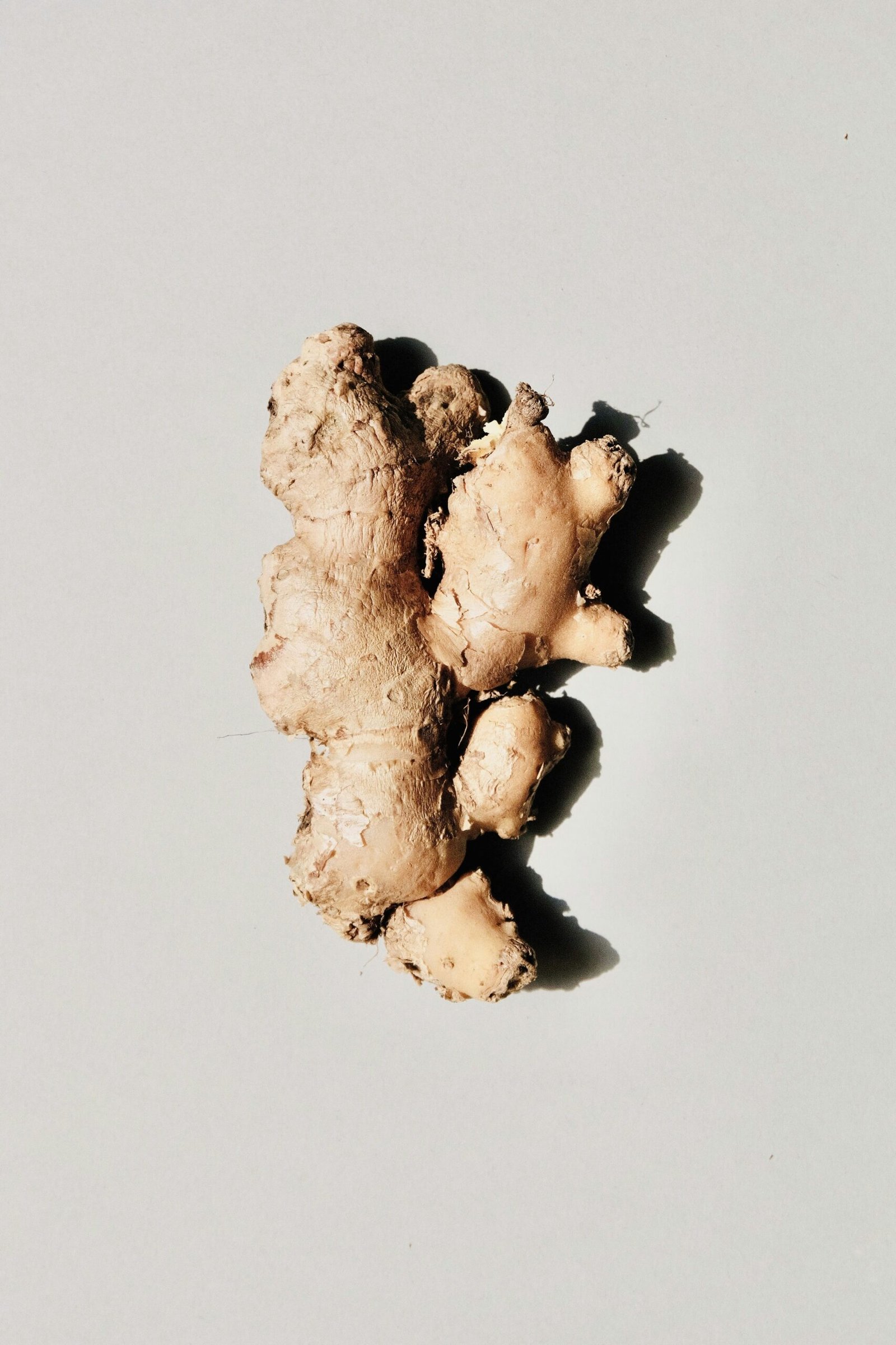
So how does ginger fit into the picture? Known for its numerous health benefits, ginger is a popular spice that has been used for centuries in various cultures for its medicinal properties. But what about its role in managing acid reflux?
Nutritional Profile of Ginger
Ginger is packed with essential nutrients and compounds that can promote overall health:
| Nutrient | Benefit |
|---|---|
| Gingerol | Has anti-inflammatory properties |
| Vitamin C | Boosts the immune system |
| Magnesium | Promotes muscle and nerve function |
| Potassium | Helps maintain fluid balance |
Incorporating ginger into your diet can offer multiple health benefits beyond just addressing acid reflux.
How Ginger Helps with Acid Reflux
Ginger has several properties that can help in managing acid reflux symptoms. Let’s break down how it works.
Anti-inflammatory Properties
Ginger contains gingerols, compounds known for their anti-inflammatory effects. Reducing inflammation in the stomach and esophagus can help minimize the painful symptoms associated with acid reflux.
Digestive Aid
Ginger can promote better digestion by speeding up the emptying of the stomach. This is particularly important for those who experience delay in gastric emptying, which can worsen acid reflux symptoms.
Reduces Nausea
If you often feel nauseous along with your acid reflux, ginger can be a natural remedy. It has been widely studied and praised for its ability to reduce nausea.
Alleviates Stress
Since stress can exacerbate acid reflux, ginger’s calming properties can help lower stress levels, potentially leading to fewer symptoms.

Ways to Use Ginger for Acid Reflux
Now that you understand how ginger can be beneficial, let’s look at different ways you can incorporate it into your routine.
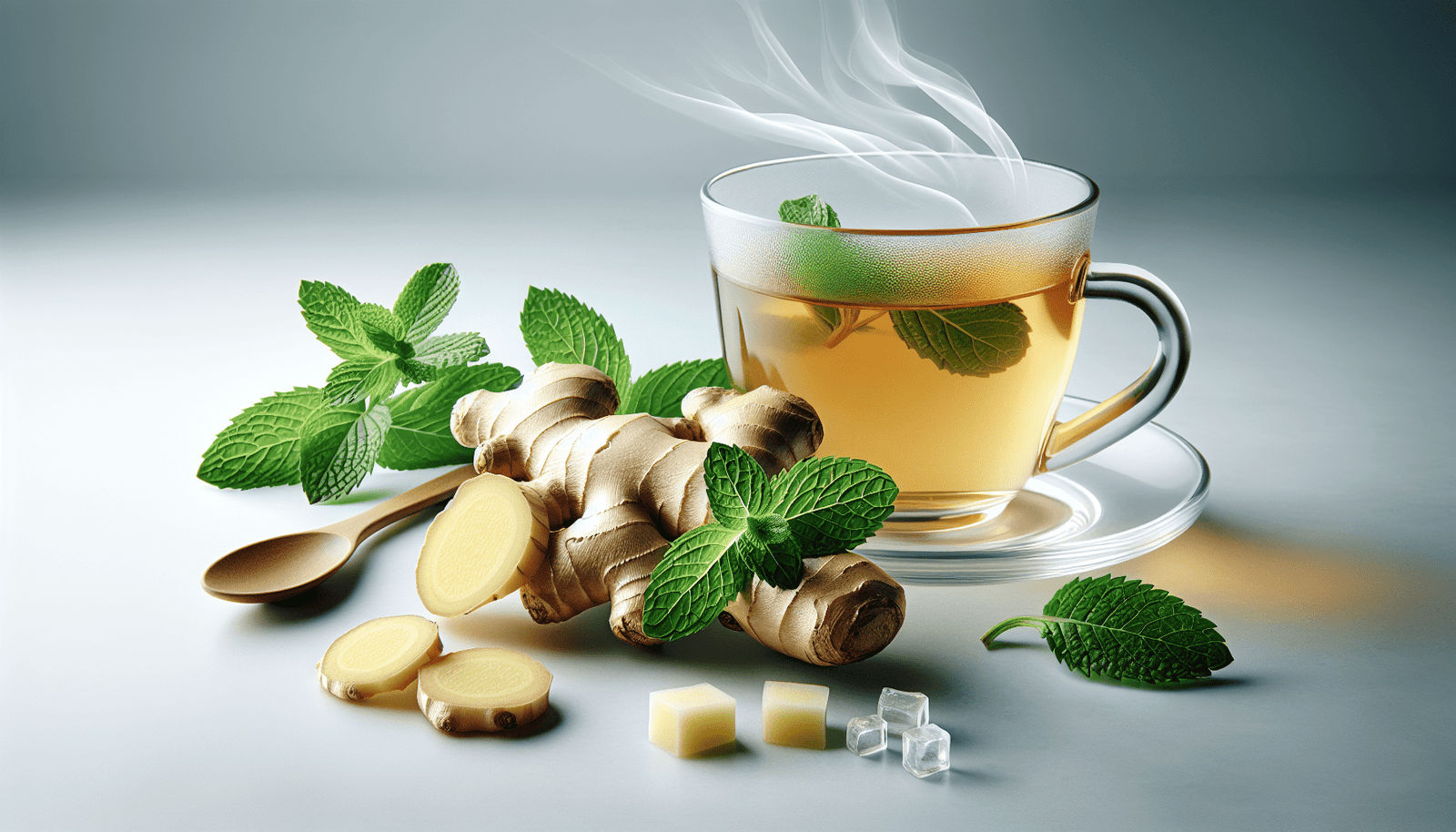
Ginger Tea
Making ginger tea is one of the simplest and most effective ways to reap the benefits of ginger. Here’s how you can prepare it:
- Ingredients: Fresh ginger, water, honey (optional), lemon (optional).
- Method:
- Peel and slice about 1-2 inches of fresh ginger root.
- Boil 2 cups of water and add the ginger slices.
- Let it simmer for about 10-15 minutes.
- Strain the tea and add honey or lemon for flavor, if desired.
- Dosage: Enjoy 1-2 cups daily, especially after meals.
Raw Ginger
If you can handle the taste, chewing on a small piece of raw ginger can provide quick relief.
Ginger Powder
You can add ginger powder to your cooking, smoothies, or even sprinkle it on your oatmeal. It’s a versatile spice that can enhance flavor while helping with digestion.
Ginger Supplements
For those who dislike the taste of ginger, supplements are widely available. However, always consult a healthcare professional before starting any new supplement regimen.
Incorporating Ginger into Your Diet
Embracing ginger doesn’t have to be dull. Here are some fun and easy ways to include ginger in your daily meals:
Smoothies
Adding fresh ginger or ginger powder to your smoothies not only gives a flavor kick but also amplifies their health benefits. Try mixing it with bananas, spinach, and almond milk for a nutritious boost.
Stir-fries
Ginger is a classic ingredient in many stir-fries. Toss it into your vegetable and protein stir-fry for a zesty flavor and health benefits.
Soups and Broths
Including ginger in soups can enhance flavors while providing your digestive system some support. Ginger-infused broths are particularly soothing.
Marinades
Use fresh ginger in your marinades to tenderize meat and add flavor. Marinating chicken or fish with ginger can create delicious, healthy meals.
Safety and Precautions
While ginger is generally safe for most people, there are a few precautions to keep in mind.
Potential Side Effects
Some individuals might experience side effects such as heartburn, diarrhea, or stomach upset when consuming ginger, especially in large amounts. Moderation is key.
Interactions with Medications
Ginger can interact with certain medications, including blood thinners. If you are on any medications, consult your healthcare provider before adding ginger to your diet.
Pregnant and Nursing Women
Pregnant or nursing women should also consult a healthcare professional before consuming significant amounts of ginger.
Other Natural Remedies for Acid Reflux
While ginger is a fantastic natural remedy, you may also want to consider integrating other remedies to assist with acid reflux.
Apple Cider Vinegar
Some people find relief from acid reflux symptoms by taking apple cider vinegar mixed with water before meals. It’s thought to balance stomach acid levels, but it’s important to use in moderation.
Aloe Vera Juice
Aloe vera is known for its soothing properties. Drinking pure aloe vera juice can help ease the symptoms of acid reflux, but make sure to choose a product that is specifically designed for internal use.
Chamomile Tea
Chamomile tea can also help soothe the stomach and esophagus, promoting a more relaxed digestive process. Enjoy a cup before bed to help reduce symptoms.
Slippery Elm
Slippery elm contains mucilage, which coats the esophagus and may provide relief from irritation caused by stomach acid.
Licorice
Deglycyrrhizinated licorice (DGL) may help strengthen the mucosal lining of the stomach and esophagus. This can potentially provide added protection against acid reflux.
Lifestyle Changes for Managing Acid Reflux
In conjunction with natural remedies, making certain lifestyle changes can further help manage your symptoms.
Eating Habits
- Smaller Meals: Eating smaller, more frequent meals can prevent overloading your stomach.
- Slow Eating: Take your time to chew and savor your food. This can lead to better digestion.
- Avoid Late-Night Snacks: Eating too close to bedtime can worsen symptoms, so aim to finish your last meal at least two to three hours before sleeping.
Weight Management
If you’re overweight, losing even a small amount of weight can greatly benefit your acid reflux symptoms. Focus on a balanced diet and regular exercise.
Sleep Positioning
Elevating the head of your bed can allow gravity to help keep stomach acid where it belongs while you sleep. Try propping up your head with pillows or using a wedge pillow.
Stress Management
Practice relaxation techniques such as yoga, meditation, or deep breathing exercises. Managing stress can have a significant positive impact on your acid reflux symptoms.
When to Seek Medical Help
Most cases of acid reflux can be managed with lifestyle changes and natural remedies, but there are times when you should consult a healthcare professional. If you experience:
- Frequent heartburn (more than twice a week)
- Difficulty swallowing
- Persistent nausea or vomiting
- Chest pain
- Unexplained weight loss
It’s important to seek medical advice. Persistent symptoms might signal a more serious condition like gastroesophageal reflux disease (GERD).
Conclusion
Acid reflux can be a frustrating and sometimes debilitating condition, but incorporating ginger into your diet can offer relief. Ginger’s anti-inflammatory properties, digestive aids, and calming effects make it a natural and accessible option for alleviating symptoms. Remember to listen to your body, identify your triggers, and make gradual changes to your lifestyle and dietary habits.
By embracing ginger and other natural remedies, you can better manage your acid reflux and enjoy your meals with less discomfort. Always consult with a healthcare professional before making significant changes, especially if you’re on medication or have underlying health concerns. You deserve to feel good and enjoy life to the fullest!