
Have you ever experienced that uncomfortable burning sensation in your chest after enjoying a meal? You might be one of the many people dealing with acid reflux. Understanding the foods that can trigger these symptoms is crucial to managing and potentially alleviating discomfort. Let’s look at the common culprits that may worsen acid reflux and how they impact your body.

What is Acid Reflux?
Acid reflux occurs when stomach acid flows back into the esophagus, the tube connecting your throat and stomach. This happens because of a weakening of the lower esophageal sphincter (LES), which typically keeps the acidic contents of the stomach contained. Symptoms may include heartburn, regurgitation, and difficulty swallowing, among others.
Understanding what causes acid reflux is essential, not only for managing the symptoms but also for preventing them from arising in the first place. You might be surprised at how certain foods you enjoy can contribute to this uncomfortable condition.
Common Acid Reflux Trigger Foods
Your diet plays a significant role in either alleviating or exacerbating acid reflux symptoms. Here’s a breakdown of various food categories that are commonly linked to this condition.
1. Fatty Foods
Fatty foods can be a significant contributor to acid reflux, as they tend to slow down digestion and cause the stomach to produce more acid.
Common examples include:
- Fried foods
- Potato chips
- High-fat dairy products
When you consume high-fat meals, the pressure in your stomach increases. As a result, more acid can escape into the esophagus, causing that irritating heartburn or regurgitation sensation. For many people, reducing fat intake can lead to notable improvements.
2. Spicy Foods
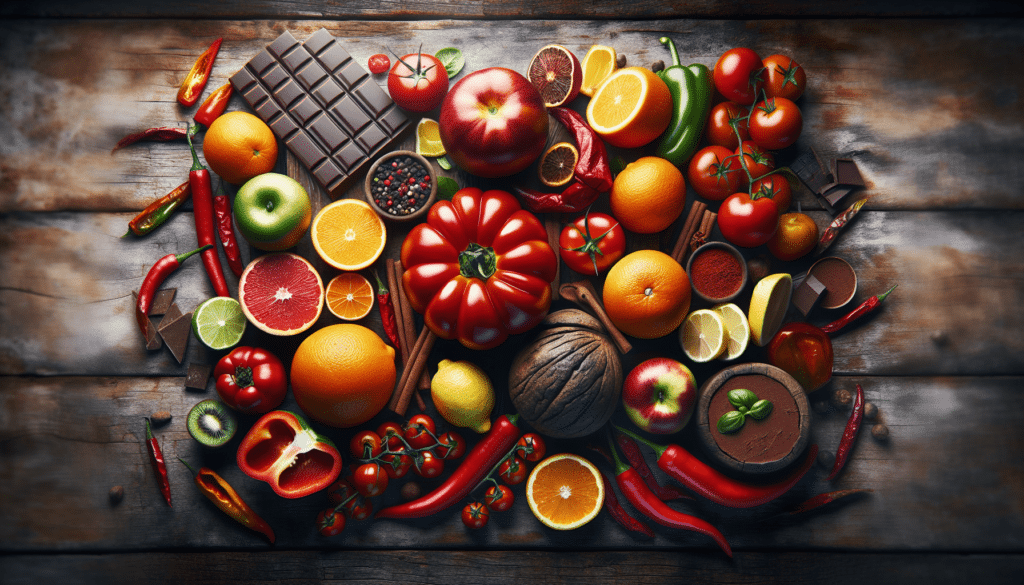
While many love the kick that spicy foods bring to a dish, these can often trigger acid reflux symptoms.
Examples of spicy foods might include:
- Hot peppers
- Spicy sauces
- Curries
These foods can irritate the lining of the esophagus, leading to inflammation that can worsen your symptoms. If you notice inflammation after a meal featuring spicy ingredients, consider moderating your spice level when cooking.
3. Citrus Fruits
Citrus fruits, known for their refreshing and zesty flavor, can also be a double-edged sword in terms of acid reflux.
These include:
- Oranges
- Grapefruits
- Lemons
The high acidity in these fruits can increase stomach acidity and lead to irritation of the esophagus lining. If you frequently enjoy citrus, try balancing them with less acidic foods or consuming them in smaller quantities.
4. Tomatoes
Tomatoes are another common trigger food due to their naturally high acidity.
Examples of tomato-based products include:
- Tomato sauce
- Ketchup
- Salsa
These products can exacerbate symptoms, especially in people who are sensitive to acid-rich foods. Consider substituting them with milder options when preparing meals.
5. Chocolate
If you’ve ever indulged in a chocolate dessert only to regret it later, you’re not alone. Chocolate can relax the LES, allowing stomach acid to escape and cause discomfort.
Forms of chocolate to watch out for:
- Dark chocolate
- Milk chocolate
- Chocolate sauces
Pay attention to your body’s signals after consuming chocolate products, and if you notice a pattern of discomfort, it might be wise to limit your intake.
6. Alcohol
Many enjoy a glass of wine or a cocktail but don’t realize how alcohol can lead to acid reflux.
Forms of alcohol that commonly worsen symptoms include:
- Beer
- Wine
- Liquor-based cocktails
Alcohol can increase stomach acid production and relax the LES, both of which can lead to reflux. Moderation is key here; consider reducing alcohol intake or opting for non-alcoholic alternatives.
7. Caffeinated Beverages
Your morning cup of coffee or afternoon soda can contribute to acid reflux problems. Caffeine can stimulate the production of stomach acid and may cause the LES to relax.
Examples of caffeinated drinks include:
- Coffee
- Tea
- Energy drinks
If you find that caffeinated beverages trigger symptoms, consider switching to decaffeinated versions or herbal teas that are less acidic.
8. Carbonated Drinks
Fizzy drinks can create increased pressure in your stomach, leading to acid reflux. The carbonation allows gas to build up, which can push stomach contents back up into your esophagus.
Common carbonated drinks include:
- Sodas
- Sparkling water
- Sparkling juices
If you experience reflux after consuming carbonation, it may be helpful to switch to non-carbonated options.
9. Mint
Though often considered soothing for the stomach, mint can actually lead to more acid reflux for some individuals.
Forms of mint include:
- Peppermint tea
- Mint-flavored candies
- Gum
If you notice a trend of discomfort after consuming mint, consider cutting it out of your diet for a while.
Why Do These Foods Trigger Symptoms?
Understanding why certain foods trigger acid reflux can help you make informed dietary choices. Here are some reasons why the foods mentioned above may contribute to your symptoms:
Increased Stomach Acid Production
Many of the foods on this list, especially those that are spicy or fatty, can increase the production of stomach acid. This excess acid can then make its way into your esophagus, leading to uncomfortable symptoms.
Relaxation of the Lower Esophageal Sphincter
Foods such as chocolate and alcohol can relax the LES, which is designed to maintain a barrier between the stomach and esophagus. When this barrier weakens, acid can escape more easily.
Delayed Gastric Emptying
Fatty foods, in particular, can slow down the emptying of the stomach. This delay can increase the chances of reflux occurring, as there’s simply more food and acid present in the stomach for a longer time.
Managing and Avoiding Trigger Foods
While you may feel discouraged by the list of potential triggers, there are effective strategies to help you manage your symptoms effectively.
1. Keep a Food Diary
One of the best ways to identify personal triggers is to keep a food diary. Document what you eat and any symptoms you experience after meals. Timeframe your notes to help spot patterns. Once you’ve identified specific triggers, you can work to modify your diet accordingly.
2. Modify Portion Sizes
Sometimes, it’s not just about what you eat but how much you eat. Large meals can put pressure on your stomach, leading to increased acid reflux. Consider smaller, more frequent meals, which can help keep your stomach contents more manageable.
3. Choose Low-Acid Alternatives
If you love specific trigger foods, seek out alternatives. For example, try almond milk instead of cow’s milk or explore low-acid varieties of tomatos. Making simple swaps can help maintain a satisfying diet without the discomfort.
4. Stay Upright After Eating
After a meal, give your body a chance to digest properly by staying upright. Lying down immediately can increase the likelihood of symptoms. Wait at least two hours before reclining to allow gravity to help keep acid in the stomach.
5. Understand Your Body’s Signals
Each body is unique, and what works for one person might not for another. Pay close attention to how foods affect you individually. If you notice a specific food consistently causing issues, it’s wise to limit or avoid it altogether.
6. Seek Professional Help
A healthcare professional can provide personalized advice tailored to your situation, particularly if you experience frequent acid reflux or associated conditions like gastroesophageal reflux disease (GERD). A registered dietitian can help you develop a suitable eating plan that avoids your trigger foods.
Conclusion
Recognizing and managing acid reflux trigger foods is a vital step toward feeling healthier and more comfortable. By understanding which foods can cause discomfort and exploring alternatives, you can reclaim your enjoyment of meals and reduce your symptoms.
From spicy dishes to caffeinated drinks, the foods you choose can greatly impact how you feel. Keeping track of your eating habits, portion sizes, and individual responses to certain foods will empower you to make informed choices. So, as you continue to enjoy the world of food, remember that a little awareness can go a long way in keeping acid reflux at bay.