
Here’s your comprehensive guide to acoustic neuroma surgery and recovery, written from your perspective as the Listicle Content Architect, designed to inform and empower you through every step.
- Understanding Your Acoustic Neuroma Surgery Options: A Deep Dive into the Surgical Landscape
You’re facing a significant medical decision, and understanding the nuances of each surgical approach is paramount. As your guide through this process, I’ll break down the primary methods for acoustic neuroma removal, focusing on what you, the patient, need to know to make informed choices and manage expectations.
Translabyrinthine Approach: Navigating the Inner Ear
This approach offers excellent access to the tumor, often allowing for complete removal. However, it’s crucial to understand the trade-offs involved.
What It Entails: A Surgical Overview
The translabyrinthine (TL) approach involves surgically entering the inner ear. Surgeons make an incision behind your ear and extend it down to the mastoid bone. They then drill through the mastoid bone and into the inner ear structures, essentially creating a pathway to the acoustic neuroma on the auditory nerve. This surgical corridor provides a direct line of sight to the tumor, facilitating its removal. The surgeon will meticulously work to detach the tumor from surrounding nerves, particularly the facial nerve.
Advantages of the TL Approach
The primary advantage of the TL approach is its superior exposure of the tumor. This direct visualization often leads to a higher rate of complete tumor resection, which is critical for minimizing the risk of tumor recurrence. For larger tumors or those growing towards the brainstem, this approach can be more technically feasible than others. It often allows for a less intrusive retraction of the brainstem, potentially reducing the risk of associated complications.
Disadvantages and Potential Side Effects
The most significant downside of the TL approach is the inevitable loss of hearing on the side of the surgery. Because the inner ear’s delicate structures, including the cochlea (responsible for hearing) and the vestibular system (responsible for balance), are traversed, these functions are permanently compromised. You will experience profound hearing loss on that side, and while sometimes a hearing aid can help with sound localization, the natural hearing is not recoverable. Additionally, there can be a period of dizziness and balance issues post-surgery, though this typically improves over time as your brain adapts. Facial nerve function can also be at risk, though surgeons strive to preserve it.
When This Approach Might Be Recommended
The TL approach is generally favored for larger tumors (typically >3 cm) or when hearing preservation is not a realistic goal due to the tumor’s size or location. It’s also considered when a surgeon prioritizes complete tumor removal with minimal manipulation of the brainstem. If your hearing is already significantly impaired on the affected side, this approach might be a sensible choice as the hearing loss is a known outcome.
Retrosigmoid Approach: A Window Behind the Ear
This technique offers a balance between tumor access and hearing preservation potential, making it a popular choice for many patients.
The Surgical Journey: From Incision to Resection
The retrosigmoid approach involves a smaller incision primarily located behind the ear, above the mastoid bone. The surgeon then navigates through the mastoid bone and reaches the tumor by working between the cerebellum and the brainstem. This approach avoids entering the inner ear, which is key to its potential for hearing preservation. A craniotomy (opening in the skull) is performed to expose the area, and the surgeon carefully dissects the tumor away from the facial nerve and the auditory nerve. This technique requires significant surgical skill to maneuver instruments in the close quarters between the cerebellum and brainstem.
Benefits of the Retrosigmoid Approach
The primary benefit of the retrosigmoid approach is the potential to preserve hearing. While not guaranteed, this method offers a better chance of maintaining some level of auditory function compared to the translabyrinthine approach. It also generally leads to less postoperative dizziness and vertigo, as the inner ear structures are not disturbed. For medium-sized tumors, this approach can provide excellent tumor resection rates while offering a reasonable chance of functional preservation.
Risks and Considerations with the Retrosigmoid Method
Despite its advantages, the retrosigmoid approach carries its own set of risks. The proximity to the brainstem means there’s a risk of injury to cranial nerves, particularly the facial and auditory nerves, which can lead to facial weakness or paralysis, and further hearing loss or tinnitus. Cerebellar retraction, though typically minimal, can sometimes lead to temporary coordination issues or headaches. Postoperative complications like cerebrospinal fluid (CSF) leak or meningitis are also possibilities, albeit rare. This approach can also be more technically challenging for very large tumors that encase critical structures.
Suitability for Different Tumor Sizes
The retrosigmoid approach is often a preferred choice for small to medium-sized tumors (typically 1-3 cm) where hearing preservation is a priority. It can also be a viable option for larger tumors if the surgical team has extensive experience with this technique and the tumor’s growth pattern allows for safe dissection. The decision often hinges on a detailed evaluation of the tumor’s size, location, and your individual hearing status.
Middle Cranial Fossa Approach: A Superior Perspective
This less common but highly specialized approach offers a unique angle for accessing smaller tumors, with a particular focus on hearing preservation.
Surgical Steps for Superior Access
The middle cranial fossa approach involves an incision above and in front of the ear. The surgeon then creates a small craniotomy superior to the temporal bone. This approach allows direct access to the internal auditory canal from above, providing a clear view of the superior aspect of the acoustic neuroma. It bypasses the mastoid bone and inner ear entirely, which is its key advantage for hearing preservation. The surgeon carefully works to free the tumor from the surrounding nerves.
Key Advantages of This Technique
The standout advantage of the middle cranial fossa (MCF) approach is its exceptional potential for hearing preservation. By approaching the tumor from above and avoiding the inner ear, this method offers the highest likelihood of maintaining functional hearing. It also typically results in minimal postoperative dizziness and balance issues. For well-selected, small tumors, complete resection is achievable with a low risk of facial nerve injury.
Potential Downsides and Complications
This approach is technically demanding and best suited for a specific subset of tumors. Its primary limitation is that it is only practical for smaller tumors situated near the superior aspect of the internal auditory canal. It can be challenging to achieve complete resection of larger tumors or those extending inferiorly. Potential complications include temporary or permanent CSF leaks, meningitis, and transient or permanent hearing loss if the auditory nerve is compromised during dissection.
Ideal Candidates for the MCF Approach
The MCF approach is ideal for very small acoustic neuromas (typically <2 cm) where the tumor is located in the superior aspect of the internal auditory canal and hearing preservation is the highest priority. It requires a highly specialized surgical team with significant expertise in this technique.
- Pre-Operative Preparations: Setting the Stage for a Successful Surgery
Before you even set foot in the hospital, a thorough preparation process is crucial. This phase is all about gathering information, optimizing your health, and ensuring you’re mentally and physically ready for the journey ahead.
Consultations and Assessments: Gathering Your Medical Dossier
You’ll be meeting with a multidisciplinary team. This is your opportunity to ask every question, no matter how small it seems.
The Neurosurgery Consultation: Understanding the Procedure
This is where you’ll gain a deep understanding of the recommended surgical approach, its specific risks and benefits for your individual case, and the surgeon’s experience. You’ll discuss the potential outcomes, including the likelihood of hearing preservation, facial nerve function, and any other functional impacts. Don’t hesitate to ask for clarification on any medical jargon. Prepare a list of questions beforehand to ensure you cover all your concerns.
Audiology Evaluation: Establishing Your Baseline
An audiologist will conduct a comprehensive hearing test, including pure-tone audiometry, speech discrimination, and possibly an auditory brainstem response (ABR) test. This establishes your baseline hearing on both sides, which is crucial for comparing pre- and post-operative hearing levels and informing the surgical decision regarding hearing preservation.
Anesthesia Consultation: Ensuring Your Comfort and Safety
You’ll meet with an anesthesiologist to discuss your medical history and any allergies. They will explain the type of anesthesia you’ll receive, its potential side effects, and how they will monitor you throughout the surgery. This is a good time to voice any anxieties you have about anesthesia.
Imaging Review: Visualizing the Tumor
Your neurosurgeon will meticulously review your MRI and/or CT scans with you. This helps you visualize the tumor’s size, location, and relationship to critical structures like the auditory and facial nerves, and the brainstem. Understanding these details can demystify the procedure and empower you.
Lifestyle Adjustments: Optimizing Your Body for Healing
Small changes now can have a significant impact on your recovery.
Medication Review and Adjustment
You’ll be asked to disclose all medications, including over-the-counter drugs, supplements, and herbal remedies. Certain medications, such as blood thinners, may need to be temporarily discontinued to reduce the risk of bleeding during surgery. Your doctor will provide clear instructions on when to stop and restart these.
Smoking Cessation: A Vital Step for Recovery
If you smoke, quitting, or significantly reducing your intake, is one of the most impactful things you can do for your recovery. Smoking impairs wound healing, increases infection risk, and can complicate anesthesia. Aim to quit at least several weeks before surgery.
Nutritional Optimization: Fueling Your Body
A balanced diet rich in protein, vitamins, and minerals supports your body’s healing processes. Focus on whole foods and ensure you’re well-hydrated. Your doctor might recommend specific supplements or dietary changes depending on your individual needs.
Physical Preparation: Building Strength and Stamina
Gentle, regular exercise in the weeks leading up to surgery can improve your overall fitness, which aids in recovery. Focus on activities like walking or light strength training. Discuss any strenuous activities with your doctor.
- The Surgical Experience: Navigating the Hospital Stay and Procedure
This is the core of your treatment, and while it involves a hospital stay, understanding the sequence of events will help alleviate potential anxieties.
Admission and Pre-Operative Procedures: Settling In
Upon arrival at the hospital, you’ll be guided through the admission process.
Pre-Surgical Checks and Preparations
You’ll undergo final checks, including vital signs monitoring, blood tests, and a review of your medical history by the nursing staff. You may be asked to change into a hospital gown and have an IV line inserted for fluids and medications.
Meeting the Surgical Team
The surgeon, anesthesiologist, and your primary surgical nurse will likely visit you before the procedure to answer any last-minute questions and ensure you feel comfortable.
Intra-Operative Details: What Happens in the Operating Room
While you’ll be unconscious, understanding the general flow can be reassuring.
Anesthesia Administration and Monitoring
You’ll be taken to the operating room and positioned for the surgery. The anesthesiologist will administer your anesthesia, and you will be closely monitored throughout the entire procedure, including your heart rate, blood pressure, and oxygen levels.
The Surgical Team at Work
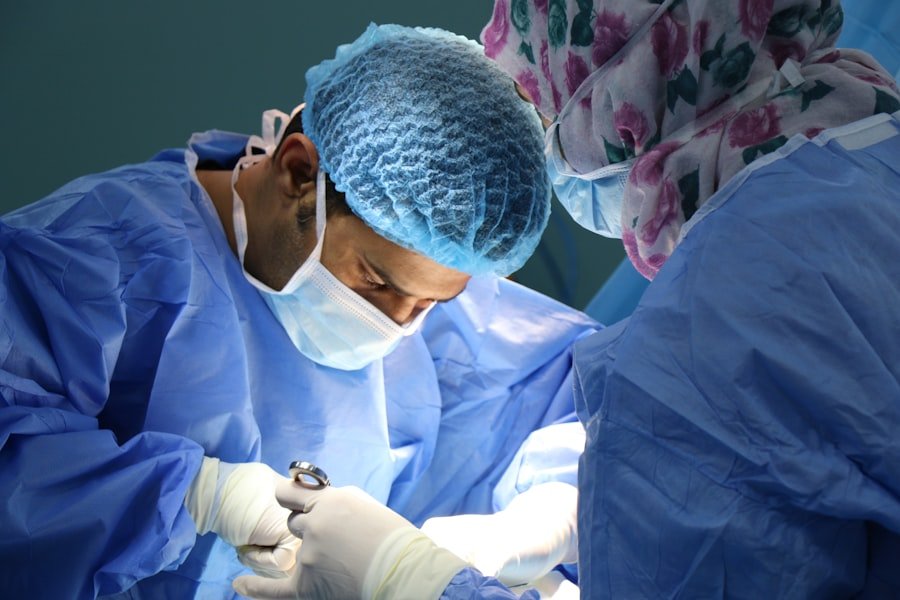
The neurosurgeon and their team will perform the tumor removal using the chosen approach. They will meticulously work to preserve vital structures, especially the facial nerve. Depending on the approach, intraoperative monitoring of the facial nerve and auditory nerve may be employed to assess their function in real-time.
Post-Operative Immediate Care: Waking Up and Initial Recovery
The period immediately following surgery is critical for monitoring your recovery.
Recovery Room Vigilance
After surgery, you’ll be transferred to the recovery room (post-anesthesia care unit, PACU) where nurses will closely monitor your vital signs, pain levels, and neurological status as you gradually wake up from anesthesia.
Initial Pain Management and Comfort Measures
Pain management will be a priority. You’ll receive pain medication via your IV or orally. Nurses will also assist with positioning to ensure your comfort and minimize any strain on the surgical site.
- Post-Operative Recovery and Rehabilitation: Rebuilding and Regaining Function
This phase is where the real work of healing and regaining your strength begins. It’s a journey that requires patience, dedication, and a proactive approach.
Hospital Stay and Initial Healing: The First Few Days
Your initial recovery will take place within the hospital’s care.
Neurological Monitoring and Assessment
Nurses will regularly check your neurological status, looking for any changes in facial movement, sensation, balance, and alertness. Your surgical team will assess your hearing and facial nerve function to gauge the immediate impact of the surgery.
Pain Management and Symptom Control
You’ll continue to receive pain medication as needed. Managing nausea, dizziness, and any other post-operative symptoms will also be a focus. Communicating your discomfort levels openly will help the medical team adjust your treatment.
Wound Care and Infection Prevention
The surgical site will be monitored for signs of infection. You’ll be instructed on how to care for your incision at home once you’re discharged.
Mobilization and Physical Therapy Initiation
You’ll be encouraged to start moving as soon as it’s safe, often with assistance from a physical therapist. This helps prevent complications like blood clots and lung infections, and begins the process of regaining balance and coordination.
Home Recovery and Gradual Return to Activities: The Next Weeks and Months
Your journey continues outside the hospital walls.
Managing Your Incision and Medications
You’ll need to follow specific instructions for cleaning and dressing your incision to promote healing and prevent infection. Continue to take any prescribed medications as directed, especially pain relievers and antibiotics if given.
Addressing Dizziness and Balance Issues
Dizziness and balance problems are common after surgery, particularly with the translabyrinthine approach. Vestibular rehabilitation therapy, guided by a physical therapist specializing in balance disorders, is crucial. This involves a series of exercises designed to help your brain adapt and compensate for the loss of vestibular function. You’ll learn strategies for managing dizziness, improving spatial awareness, and regaining confidence in your movement.
Navigating Hearing Loss and Communication Strategies
If hearing loss occurred, working with your audiologist is essential. They can help you explore hearing aid options, assistive listening devices, and strategies for communication in noisy environments. Learning to lip-read or using sign language can also be beneficial. Be patient with yourself as you adapt to altered auditory input.
Facial Nerve Function Recovery
If your facial nerve was affected, recovery can vary. Your surgeon will monitor for signs of improvement. Physical therapy exercises can help retrain facial muscles and improve expression. Some people experience a full recovery, while others may have residual weakness. There are also surgical options, like facial reanimation procedures, that can be considered in cases of significant or persistent weakness.
Gradual Return to Daily Life and Exercise
Listen to your body. Gradually reintroduce activities as you feel stronger. Avoid heavy lifting or strenuous exercise until cleared by your doctor. Many people find they can return to desk jobs within a few weeks, while more physically demanding roles may require a longer recovery period.
Long-Term Follow-Up and Monitoring: Ensuring Continued Well-being
Your relationship with your healthcare team doesn’t end with discharge.
Regular MRI Scans: Surveillance for Recurrence
Regular follow-up MRI scans are crucial to monitor for any signs of tumor regrowth. These scans are typically done annually at first, and then the frequency may decrease if the results are consistently clear.
Ongoing Audiology and Neurological Assessments
Periodic hearing tests and neurological examinations will continue to track your progress and detect any subtle changes. This helps ensure that any emerging issues are addressed promptly.
Lifestyle Adjustments for Long-Term Health
Maintaining a healthy lifestyle, including a balanced diet and regular, appropriate exercise, will contribute to your overall well-being and support your continued recovery.
- Potential Complications and How to Manage Them: Preparing for the Unexpected
While surgical teams take every precaution, understanding potential complications allows you to be a more informed patient and advocate for yourself.
Common Post-Operative Symptoms: What to Expect
Some symptoms are a normal part of the healing process.
Pain and Discomfort
Post-operative pain is to be expected. Your medical team will provide pain medication, typically starting with stronger intravenous options and transitioning to oral medications. Don’t hesitate to report pain levels that are not adequately controlled, as there are usually alternative options.
Headache
Headaches are also common, often related to the surgical manipulation and the shift in fluid dynamics within the skull. They usually improve over days to weeks. Staying hydrated and continuing with prescribed pain relief can help.
Nausea and Vomiting
Anesthesia and surgery can sometimes lead to nausea and vomiting. Anti-nausea medications are readily available and effective. Staying hydrated and eating bland foods as tolerated can also ease these symptoms.
Fatigue
The physical and emotional toll of surgery will lead to significant fatigue. It’s crucial to allow yourself ample rest during the initial recovery period. Pacing yourself and accepting help from others is vital.
Less Common but Significant Complications: Being Alert
These are less frequent but require prompt medical attention.
Cerebrospinal Fluid (CSF) Leak
This occurs when the membranes surrounding the brain and spinal cord are not completely sealed after surgery. Symptoms can include a clear, watery nasal discharge, a salty taste in the back of your throat, or a headache that worsens when you sit up. Prompt reporting to your surgeon is essential, as it may require further treatment.
Meningitis
Meningitis is an infection of the membranes surrounding the brain and spinal cord. Symptoms can include fever, stiff neck, severe headache, and sensitivity to light. This is a serious complication that requires immediate medical intervention with antibiotics.
Facial Nerve Weakness or Paralysis
While surgeons strive to preserve the facial nerve, some degree of weakness or paralysis can occur, either temporarily or permanently. Early intervention with physical therapy and monitoring by your medical team is crucial.
Hearing Loss or Tinnitus
As discussed earlier, hearing loss is a known risk, especially with certain surgical approaches. Tinnitus (ringing in the ear) can also occur or worsen. Your audiologist will be key in managing these issues.
Balance Disorders and Vertigo
Disruption of the vestibular system can lead to persistent dizziness and vertigo. Vestibular rehabilitation therapy is the cornerstone of managing these symptoms.
Brainstem or Cerebellar Injury
Though rare and a primary concern for surgeons, injury to the brainstem or cerebellum can lead to significant neurological deficits. This underscores the importance of choosing an experienced surgical team.
When to Seek Immediate Medical Attention: Your Emergency Checklist
Trust your instincts. If something feels significantly wrong, don’t hesitate to contact your medical team.
Sudden Onset of Severe Headache
A severe headache that appears suddenly or is significantly worse than previously experienced warrants immediate attention.
New or Worsening Neurological Deficits
Any new weakness, numbness, vision changes, or difficulty speaking should be reported without delay.
Signs of Infection
Fever, chills, redness, swelling, or increased pain at the surgical site, or a foul-smelling discharge, are indicators of a potential infection.
Persistent Nausea and Vomiting or Inability to Keep Fluids Down
If you are unable to keep fluids down, you risk dehydration and may require intravenous hydration.
Any Other Concerning or Unexplained Symptoms
Your intuition is a powerful tool. If you feel something is not right, it’s always best to err on the side of caution and reach out to your healthcare provider.
- Living Beyond Acoustic Neuroma Surgery: Embracing a New Normal
The journey doesn’t end with physical recovery; it extends into adapting and thriving in your daily life. This section focuses on the long-term perspective, helping you integrate your experience and move forward with confidence.
Emotional and Psychological Well-being: Navigating the Mental Landscape
The impact of a diagnosis and surgery can extend beyond the physical.
Coping with the Diagnosis and Treatment Journey
The news of an acoustic neuroma and the subsequent surgery can bring a range of emotions, including fear, anxiety, sadness, and even relief at having a treatment plan. Acknowledging these feelings is the first step. You might find it beneficial to connect with support groups, where you can share experiences with others who have gone through similar situations. Therapists or counselors specializing in chronic illness or neurosurgery recovery can also provide invaluable support.
Managing Anxiety and Depression
It’s common to experience anxiety about the future or periods of low mood. Developing healthy coping mechanisms, such as mindfulness, meditation, journaling, or engaging in enjoyable hobbies, can be very helpful. If these feelings become overwhelming, seeking professional help from a mental health professional is a sign of strength.
Rebuilding Confidence and Self-Esteem
Changes in hearing, balance, or facial appearance can impact self-confidence. Celebrate small victories in your recovery. Focus on your strengths and the progress you’ve made. Engaging in activities that bring you joy and a sense of accomplishment can significantly boost your self-esteem.
Adapting Your Lifestyle for Long-Term Success: Building Resilience
This phase is about making sustainable adjustments to enhance your quality of life.
Optimizing Your Environment for Hearing and Balance
Small changes at home can make a big difference. Consider improving lighting for better lip-reading, reducing background noise where possible, and ensuring your living space is free of trip hazards to enhance safety and prevent falls.
Maintaining Social Connections and Relationships
Staying connected with friends and family is crucial for emotional well-being. Communicate your needs and limitations openly. Encourage loved ones to learn about acoustic neuromas and your recovery process to foster understanding and support.
Continuing Education and Career Adjustments
Depending on your profession, you may need to explore options for adjustments. This could involve modifications to your workspace, altered responsibilities, or even career changes. Many individuals successfully return to their careers with appropriate accommodations.
Embracing New Hobbies and Interests
This can be an opportunity to explore new passions or rekindle old ones. Focusing on activities that are fulfilling and manageable can significantly contribute to a positive outlook.
The Future Outlook: Living a Full and Meaningful Life
Your diagnosis and surgery are a chapter in your life, not the entirety of it.
Long-Term Health and Well-being
With successful treatment and ongoing monitoring, many individuals live long and healthy lives after acoustic neuroma surgery. Regular follow-ups with your medical team are key to ensuring long-term well-being.
Embracing Resilience and Personal Growth
Navigating such a significant health challenge can foster remarkable resilience and personal growth. Many people emerge from this experience with a deeper appreciation for life, stronger relationships, and a reinforced sense of purpose.
Advocating for Yourself and Others
Your journey can empower you to become an advocate for yourself and others facing similar health challenges. Sharing your story, raising awareness, and supporting research can contribute to better outcomes for future patients.
This comprehensive guide aims to equip you with the knowledge and understanding you need as you navigate acoustic neuroma surgery and recovery. Remember, you are not alone in this journey, and by staying informed and actively participating in your care, you empower yourself for the best possible outcomes.
FAQs
What is an acoustic neuroma?
An acoustic neuroma is a non-cancerous tumor that develops on the main nerve leading from the inner ear to the brain. It can cause hearing loss, ringing in the ear, and unsteadiness.
When is surgery recommended for acoustic neuroma?
Surgery is typically recommended for acoustic neuroma if the tumor is large, growing rapidly, or causing significant symptoms such as hearing loss, balance problems, or facial numbness.
What are the surgical options for acoustic neuroma?
The two main surgical options for acoustic neuroma are microsurgery, which involves removing the tumor through the skull, and stereotactic radiosurgery, which uses focused radiation to shrink the tumor.
What is the recovery process like after acoustic neuroma surgery?
Recovery from acoustic neuroma surgery can vary depending on the individual and the surgical approach used. It may involve a hospital stay, rehabilitation for balance and facial function, and follow-up appointments with the surgical team.
What are the potential risks and complications of acoustic neuroma surgery?
Potential risks and complications of acoustic neuroma surgery can include hearing loss, facial weakness, balance problems, and damage to nearby nerves and blood vessels. It’s important to discuss these risks with the surgical team before undergoing the procedure.