
You’re about to navigate the complexities of acoustic neuroma surgery, and as your expert guide, the Listicle Content Architect, I’m here to break it down for you. You’re not just reading information; you’re gaining an understanding, layer by layer, designed to empower your decision-making and alleviate anxieties. This isn’t just a list; it’s a comprehensive roadmap, constructed with clarity and precision, anticipating your questions before you even fully form them. Think of me as your personal strategist, ensuring you absorb every crucial detail with ease and confidence.
You’ve likely heard the term “acoustic neuroma surgery” and perhaps felt a flicker of apprehension. Let’s demystify it. At its core, acoustic neuroma surgery is precisely what it sounds like: a medical procedure aimed at removing a tumor that has developed on the acoustic nerve, also known as the vestibulocochlear nerve. This nerve is crucial for both hearing and balance. Acoustic neuromas are almost always benign, meaning they aren’t cancerous, and they tend to grow very slowly. However, their location near the brainstem and vital cranial nerves means that even slow growth can lead to serious problems.
The Nature of Acoustic Neuromas
Before diving into the surgical aspect, you need to grasp the nature of the target. Acoustic neuromas, or vestibular schwannomas as they are more accurately known, arise from Schwann cells. These are the cells that insulate nerves. They typically begin on the vestibular nerve, one of the two branches that make up the vestibulocochlear nerve.
Why Surgery Becomes Necessary
You might be asking yourself, “If it’s slow-growing and benign, why the surgery?” The answer lies in the tumor’s location and its potential to grow. As the tumor enlarges, it can press on surrounding structures, including the acoustic nerve itself, the facial nerve, and the brainstem. This compression is what causes the symptoms you might be experiencing or concerned about.
Hearing Loss and Tinnitus
The most common initial symptom is unilateral hearing loss – hearing loss in one ear. This can be gradual and subtle, often dismissed as age-related changes or earwax buildup. You might also experience tinnitus, which is a ringing, buzzing, or hissing sound in the affected ear.
Balance Issues and Vertigo
Since the vestibular nerve is involved in balance, you may notice dizziness, a feeling of unsteadiness, or even severe vertigo episodes. This can impact your daily activities, making simple tasks like walking or standing feel precarious.
Facial Weakness and Numbness
As the tumor grows larger, it can impinge on the facial nerve, which controls facial muscles. This can lead to facial weakness, drooping, or numbness on that side of your face. In rare, advanced cases, pressure on the brainstem can lead to more serious neurological deficits.
The Goal of Acoustic Neuroma Surgery
The primary objective of acoustic neuroma surgery is to remove as much of the tumor as possible to relieve pressure on vital structures and prevent further symptom progression. The extent of removal depends on several factors, including the tumor’s size, its location, and your overall health and hearing status.
Complete vs. Subtotal Resection
There are two main targets for tumor removal:
Complete Resection (Total Removal)
This is the ideal outcome, where the entire tumor is surgically excised. Achieving complete resection is often possible for smaller tumors and is preferred to eliminate the risk of recurrence.
Subtotal Resection (Partial Removal)
In some cases, particularly for larger tumors or those intimately intertwined with critical nerves, a complete removal might pose too high a risk of damaging those nerves. In such instances, surgeons aim for a subtotal resection, removing as much of the tumor as safely possible. The remaining tumor tissue is then often monitored with follow-up imaging and may be treated with radiation therapy.
Navigating the Options: Surgical Approaches
You’re now aware of what acoustic neuroma surgery entails. The next crucial step is understanding the different ways surgeons can access and remove the tumor. The choice of surgical approach is a critical discussion you’ll have with your neurosurgeon and otolaryngologist (ear, nose, and throat doctor), as each has its own advantages and disadvantages regarding tumor exposure, risk to adjacent nerves, and potential for hearing preservation.
1. Translabyrinthine Approach
This is one of the most common approaches, particularly for larger tumors and when hearing preservation is not a priority. It’s a good option for tumors that have already significantly impacted hearing.
The Surgical Pathway
You are essentially looking at a path that goes through the inner ear structures. The surgeon makes an incision behind your ear. Then, they will carefully create an opening through the mastoid bone (the bone behind your ear) and the labyrinth of the inner ear. This provides a direct route to the tumor.
Advantages of the Translabyrinthine Approach
You’ll find several benefits to this method:
- Excellent Tumor Visualization: This approach offers a very direct angle to the cerebellopontine angle (CPA), where the acoustic neuroma is located, allowing for excellent visualization of the tumor.
- Reduced Risk to Facial Nerve: Because the surgeon doesn’t need to retract the brainstem as much, the risk to the facial nerve can be lower compared to some other approaches.
- Effective for Larger Tumors: It’s well-suited for removing larger tumors where hearing preservation is unlikely anyway.
Disadvantages of the Translabyrinthine Approach
It’s also important to be aware of the potential downsides:
- Guaranteed Hearing Loss: Because the inner ear structures are traversed, this approach will result in complete hearing loss in the operated ear.
- Balance Impairment: There may be a period of significant balance disturbance following surgery as your body adapts to having input from only one functioning vestibular system.
2. Retrosigmoid (or Retrosigmoid-Lateral Suboccipital) Approach
This is another frequently used approach, offering a balance between tumor removal and the potential for hearing preservation. It’s often preferred when there’s a desire to try and save hearing.
The Surgical Pathway
Imagine a route that goes behind the cerebellum. The surgeon makes an incision behind the ear, similar to the translabyrinthine approach. However, instead of going through the inner ear, they carefully dissect through the posterior aspect of the mastoid bone and then access the cerebellopontine angle (CPA) by working around the cerebellum.
Advantages of the Retrosigmoid Approach
You’ll appreciate the following benefits:
- Potential for Hearing Preservation: This is a key advantage. Because the inner ear is not disturbed, there is a greater chance of preserving hearing in the operated ear, especially for smaller tumors.
- Good Tumor Exposure: It provides good access to the CPA and allows for effective tumor removal.
- Lower Risk of CSF Leak: Compared to some other approaches, there might be a slightly lower risk of cerebrospinal fluid (CSF) leaks.
Disadvantages of the Retrosigmoid Approach
Consider these potential drawbacks:
- Increased Risk to Facial Nerve: Retracting the cerebellum to access the tumor can carry a slightly higher risk of injury to the facial nerve compared to the translabyrinthine approach.
- Potential for Cerebellar Symptoms: While usually temporary, some individuals might experience mild incoordination or gait disturbances due to manipulation of the cerebellum.
3. Middle Fossa (or Transtemporal) Approach
This approach is generally reserved for smaller tumors that are located primarily within the internal auditory canal (IAC) and haven’t significantly extended into the CPA. It offers a very direct route to the IAC.
The Surgical Pathway
You’re looking at a pathway directly above the temporal lobe. The surgeon makes an incision above the ear, lifting the temporal lobe slightly to access the middle cranial fossa. From there, they can reach the internal auditory canal.
Advantages of the Middle Fossa Approach
The advantages for suitable candidates are significant:
- Excellent Hearing Preservation Potential: This is the gold standard for attempting to preserve hearing in smaller tumors because it offers the most direct route to the cochlear and vestibular nerves within the IAC.
- Direct Access to Tumor Base: It provides excellent visualization of the tumor’s origin within the IAC.
- Lower Risk of Cerebellar Complications: Because the cerebellum is not manipulated, this approach avoids cerebellar-related complications.
Disadvantages of the Middle Fossa Approach
However, you must be aware of the limitations:
- Limited Access for Larger Tumors: This approach is not suitable for larger tumors that extend significantly into the CPA.
- Risk of Temporal Lobe Injury: There is a small risk of injury to the temporal lobe, which could potentially lead to seizures or other neurological issues.
- Complex Surgical Technique: It’s a technically demanding procedure that requires significant expertise.
Preparing for the Journey: Pre-Operative Planning

You’ve explored the types of surgeries. Now, let’s focus on what happens before you even get to the operating room. Pre-operative planning is a critical phase, ensuring you are as prepared as possible, both physically and mentally, for your surgery. This phase is all about gathering information, understanding expectations, and optimizing your health.
Comprehensive Medical Evaluation
You’ll undergo a thorough assessment to ensure you’re in the best possible condition for surgery. This isn’t just a formality; it’s about identifying any underlying health issues that could impact your recovery.
Imaging Studies
You’ll likely have repeat imaging, most commonly:
- Magnetic Resonance Imaging (MRI): This is the cornerstone of acoustic neuroma diagnosis and surgical planning. High-resolution MRIs with and without contrast are crucial to precisely define the tumor’s size, shape, and exact location, as well as its relationship to surrounding cranial nerves and the brainstem.
- Computed Tomography (CT) Scan: While MRI is primary, CT scans might be used in specific situations, such as when MRI is contraindicated or to assess bony structures.
Audiological Testing
Your hearing will be meticulously evaluated.
- Pure Tone Audiometry: This measures your hearing thresholds across different frequencies.
- Speech Discrimination Testing: This assesses how well you understand spoken words.
- Auditory Brainstem Response (ABR) Testing: This non-invasive test measures electrical activity in the auditory pathway from the ear to the brainstem, providing valuable information about nerve function. The degree of hearing loss and the results of these tests often influence the choice of surgical approach and the likelihood of hearing preservation.
Neurological Examination
A detailed neurological exam will be performed to assess your:
- Cranial Nerve Function: Special attention will be paid to the facial nerve (CN VII) for motor function and the vestibulocochlear nerve (CN VIII) for hearing and balance. Other cranial nerves will also be assessed.
- Balance and Gait: Your physician will observe your ability to maintain balance and walk.
Discussion with Your Surgical Team
This is your opportunity to ask every question you have, no matter how small. Open communication with your neurosurgeon and otolaryngologist is paramount.
Understanding the Risks and Benefits
You’ll have in-depth discussions about:
- Expected Outcomes: What are the realistic goals for tumor removal and symptom management?
- Potential Complications: You’ll learn about the risks associated with each surgical approach, including facial nerve paralysis, hearing loss, balance problems, cerebrospinal fluid (CSF) leak, meningitis, and anesthesia-related risks.
- Hearing Preservation: If hearing preservation is a goal, you’ll discuss the likelihood of success based on your tumor size and current hearing.
Anesthesia Options and Considerations
You’ll discuss anesthesia with the anesthesiologist.
- General Anesthesia: This is the most common type of anesthesia used for acoustic neuroma surgery, ensuring you are unconscious and pain-free throughout the procedure.
- Intraoperative Monitoring: You’ll learn about the sophisticated monitoring techniques used during surgery to protect critical nerves.
Facial Nerve Monitoring
Highly specialized neurophysiological monitoring will be employed.
- Electromyography (EMG): Electrodes will be placed on your facial muscles to detect any electrical activity, signaling potential irritation or injury to the facial nerve during surgery.
- Facial Nerve Stimulator: The surgeon may use a stimulator to directly prod the facial nerve and assess its function.
Auditory Brainstem Response (ABR) and Other Neurophysiological Monitoring
- ABR Monitoring: Continuous ABR monitoring can help assess the function of the auditory pathway during surgery.
- Other Evoked Potentials: Depending on the specific approach and tumor location, other types of evoked potential monitoring might be used to assess other cranial nerves.
Pre-Operative Instructions
You’ll receive clear guidance on what to do in the days and weeks leading up to your surgery.
Medication Adjustments
- Blood Thinners: You’ll likely be instructed to stop certain medications, such as aspirin or other blood thinners, several days before surgery to minimize bleeding risk.
- Other Medications: Discuss all other medications, including vitamins and supplements, with your doctor.
Lifestyle Modifications
- Smoking Cessation: If you smoke, quitting well in advance of surgery is strongly recommended to improve healing and reduce complications.
- Dietary Recommendations: You might be advised on specific dietary practices or to avoid certain foods or drinks.
The Surgical Day: What to Expect During the Procedure
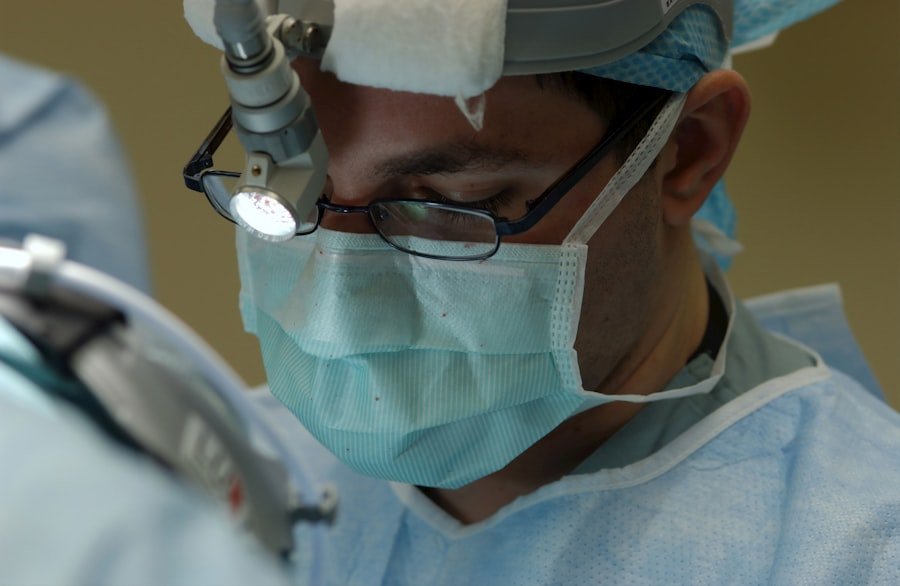
You’ve done all the preparation. Now it’s time for the surgery itself. While you won’t be conscious for most of it, understanding the general flow of the day can help alleviate any lingering anxieties. This phase focuses on the actual operative procedure and the immediate aftermath.
Arrival and Pre-Operative Preparations
On the morning of your surgery, you’ll arrive at the hospital at a designated time.
Admission and Anesthesia
- Hospital Admission: You’ll be admitted to the surgical unit, where you’ll change into a hospital gown and have vital signs checked.
- Anesthesiologist Consultation: The anesthesiologist will meet with you again to discuss the anesthesia plan and answer any final questions.
- IV Line Placement: An intravenous (IV) line will be placed in your arm to administer fluids and medications during surgery.
The Surgical Procedure Itself
Once you are in the operating room and anesthetized, the surgical team will begin.
Positioning and Draping
- Patient Positioning: You will be carefully positioned on the operating table to allow the surgeon optimal access to the tumor based on the chosen surgical approach. This positioning is critical for both surgical exposure and patient comfort and safety.
- Sterile Draping: The surgical area will be meticulously cleaned and covered with sterile drapes to maintain a sterile field, preventing infection.
Tumor Removal and Nerve Management
This is where the delicate work happens, guided by advanced technology and the surgeon’s expertise.
- Microscope-Assisted Surgery: Acoustic neuroma surgery is almost always performed using an operating microscope. This magnification is essential for visualizing the tiny and intricate structures of the brainstem, cranial nerves, and the tumor.
- Intraoperative Imaging: In some cases, intraoperative MRI or CT scans might be used to confirm complete tumor removal.
- Careful Dissection: The surgeon will meticulously dissect the tumor away from the surrounding nerves and blood vessels. This is a slow and painstaking process, emphasizing the importance of nerve monitoring.
Closing the Incision
Once the tumor is removed, the surgical site will be closed.
- Closure: The various layers of tissue and skin will be carefully sutlined. Depending on the approach, sutures, staples, or surgical glue may be used.
- Dressing: A sterile dressing will be applied to the incision site.
Post-Operative Recovery in the Operating Room
Immediately after the surgery is complete, you will be moved to the recovery room.
Emergence from Anesthesia
- Recovery Room Care: You’ll be closely monitored by nurses as you gradually emerge from general anesthesia. Vital signs, including heart rate, blood pressure, and oxygen levels, will be continuously checked.
- Pain Management: You will be given pain medication to manage any discomfort.
The Road to Recovery: Post-Operative Care and Rehabilitation
| Metrics | Value |
|---|---|
| Success Rate | 90% |
| Recovery Time | 4-6 weeks |
| Complications | 5-10% |
| Hospital Stay | 3-5 days |
The surgery is over, but your journey isn’t quite finished. The post-operative period is crucial for healing, managing any lingering symptoms, and regaining your functional abilities. This phase focuses on your immediate recovery within the hospital and your ongoing progress at home.
Immediate Post-Operative Care (In-Hospital)
Your first days after surgery will be focused on stabilization and close observation.
Intensive Care Unit (ICU) or Step-Down Unit
Depending on the complexity of your surgery and your overall condition, you may spend some time in an ICU or a less intensive step-down unit.
Close Monitoring of Vital Signs
- Neurological Checks: Frequent checks will be performed to assess your alertness, any changes in facial nerve function, and your overall neurological status.
- Fluid Balance: Your fluid intake and output will be carefully managed.
Pain Management and Nausea Control
- IV Pain Medication: Initially, you will likely receive pain medication through your IV line.
- Anti-Nausea Medications: Post-operative nausea can be common, and medications will be available to manage this.
Wound Care and Dressing Changes
- Sterile Dressing: Your surgical incision will be kept clean and covered with a sterile dressing.
- Infection Prevention: Antibiotics may be administered to prevent infection.
Transitioning to Home and Beyond
As you heal, you’ll transition from hospital care to your own environment, often with the support of rehabilitation services.
Pain Management at Home
- Oral Medications: You’ll be prescribed oral pain relievers to manage discomfort as it subsides.
- Activity Guidelines: You’ll receive specific instructions on what activities to do and what to avoid.
Wound Care at Home
- Dressing Changes: You may be shown how to change your dressing or have a home health nurse assist you.
- Signs of Infection: You’ll be educated on the signs of infection to watch out for, such as increased redness, swelling, warmth, or discharge from the incision site.
Rehabilitation and Physical Therapy
This is a vital component of your recovery, especially for addressing balance and coordination issues.
Vestibular Rehabilitation Therapy
- Balance Exercises: This therapy focuses on exercises designed to retrain your vestibular system and improve your balance and coordination.
- Gait Training: Therapists will help you regain a confident and safe walking pattern.
- Eye Movement Exercises: Specific exercises can help combat dizziness and improve your ability to stabilize your vision.
Audiological Follow-Up and Hearing Rehabilitation
- Hearing Tests: Periodic hearing tests will be conducted to monitor any changes in your hearing.
- Hearing Aids and Assistive Devices: If significant hearing loss has occurred, your audiologist can discuss options for hearing aids or other assistive listening devices.
Long-Term Follow-Up and Monitoring
Your journey doesn’t end with rehabilitation. Regular follow-ups are crucial.
Regular MRI Scans
- Monitoring for Recurrence: If a subtotal resection was performed, or even if a complete resection was achieved, regular MRI scans will be scheduled to monitor the surgical site for any signs of tumor regrowth.
- Frequency: The frequency of these scans will be determined by your surgeon, typically decreasing over time if no abnormalities are detected.
Neurological Assessments
- Ongoing Evaluation: Your surgeon will continue to assess your neurological function, including facial nerve and hearing status, at follow-up appointments.
- Addressing Lingering Symptoms: They will manage any persistent symptoms and discuss strategies for improving your quality of life.
Understanding the Outcomes: Potential Complications and Long-Term Outlook
You’ve navigated the surgery and the initial recovery. Now, let’s look at the broader picture: the potential challenges you might face and what your future might hold. This final section aims to provide you with a realistic perspective on the long-term implications of acoustic neuroma surgery.
Potential Complications of Acoustic Neuroma Surgery
While surgeons strive for the best possible outcomes, it’s important to be aware of the potential complications, even with the most skilled teams.
Cerebrospinal Fluid (CSF) Leak
- What it is: A leak of the fluid that surrounds the brain and spinal cord.
- Symptoms: You might experience a clear, watery nasal discharge, or a salty taste in the back of your throat. A positional headache can also occur.
- Management: Often resolves on its own, but may require bed rest, hydration, or in some cases, surgical repair to seal the leak.
Meningitis
- What it is: An infection of the membranes surrounding the brain and spinal cord.
- Symptoms: Fever, severe headache, stiff neck, sensitivity to light.
- Management: Requires prompt treatment with antibiotics.
Facial Nerve Injury (Transient or Permanent)
- What it is: Damage to the nerve controlling facial muscles.
- Symptoms: Weakness, paralysis, or drooping of facial muscles on the affected side.
- Management: Transient weakness often improves over weeks to months. Permanent paralysis may require further surgical interventions or facial rehabilitation.
Hearing Loss (In the Operated Ear)
- What it is: Loss of hearing in the ear where the surgery was performed.
- Management: As discussed, this is often an expected outcome, particularly with the translabyrinthine approach. Hearing aids and assistive devices can help.
Balance Disorders and Vertigo
- What it is: Persistent dizziness, unsteadiness, or vertigo.
- Management: Vestibular rehabilitation therapy is crucial for managing these symptoms.
Tinnitus (Ringing in the Ear)
- What it is: Persistent ringing, buzzing, or hissing sounds.
- Management: Can be managed with sound therapy, counseling, and coping strategies.
Cerebellar Symptoms
- What it is: In some approaches (like retrosigmoid), temporary issues with coordination or gait may occur.
- Management: Usually resolves with time and physical therapy.
Long-Term Outlook and Quality of Life
The long-term outlook after acoustic neuroma surgery is generally positive, especially with advancements in surgical techniques and post-operative care.
Impact on Hearing and Balance
- Hearing: If hearing was preserved, ongoing monitoring is important. If hearing loss occurred, adaptation with assistive devices is key.
- Balance: With successful vestibular rehabilitation, most individuals can regain a good level of balance and return to most of their previous activities.
Return to Normal Activities
- Gradual Return: Most people can gradually return to work and daily activities within several weeks to a few months, depending on the extent of surgery and the nature of their job.
- Lifestyle Adjustments: Some minor adjustments to lifestyle may be necessary, particularly concerning activities that require extreme balance.
Psychological and Emotional Well-being
- Coping with Changes: Adjusting to hearing loss, facial weakness, or balance issues can have emotional impacts. Support groups and counseling can be beneficial.
- Positive Outlook: The majority of individuals with acoustic neuromas, after successful treatment, live full and productive lives.
Expectations for Follow-Up
- Life-Long Monitoring: For some, especially those with subtotal resection, regular MRI scans may be a part of lifelong monitoring.
- Continued Care: Your medical team will remain a resource for managing any ongoing concerns.
You have now traversed the entire spectrum of acoustic neuroma surgery, from understanding the condition to navigating treatment options, preparing for the procedure, recovering, and understanding the long-term outlook. Remember, your active participation in your care, your willingness to ask questions, and your adherence to medical advice are your greatest allies in this journey.
FAQs
What is an acoustic neuroma?
An acoustic neuroma is a non-cancerous tumor that develops on the main nerve leading from the inner ear to the brain. It can cause hearing loss, ringing in the ear, and unsteadiness.
When is surgery recommended for acoustic neuroma?
Surgery is typically recommended for acoustic neuroma when the tumor is large, growing rapidly, or causing significant symptoms such as hearing loss, balance problems, or facial numbness.
What are the different surgical options for acoustic neuroma?
The two main surgical options for acoustic neuroma are microsurgery and radiosurgery. Microsurgery involves removing the tumor through a small incision behind the ear, while radiosurgery uses focused radiation to shrink the tumor over time.
What are the risks and potential complications of acoustic neuroma surgery?
Risks and potential complications of acoustic neuroma surgery may include hearing loss, facial weakness, balance problems, and cerebrospinal fluid leakage. The specific risks depend on the size and location of the tumor, as well as the patient’s overall health.
What is the recovery process like after acoustic neuroma surgery?
Recovery after acoustic neuroma surgery varies from person to person, but typically involves a hospital stay of several days, followed by a period of rest and rehabilitation. Some patients may experience temporary or permanent changes in hearing, balance, or facial function.