
Imagine a world where baldness is seen as just another aspect of beauty, where individuals with alopecia are empowered and accepted without judgment. In this article, we explore the importance of increasing awareness about alopecia and discuss how breaking the stigma surrounding this condition can positively impact the lives of those affected. Let’s journey together to understand the challenges faced by individuals with alopecia and discover how we can make a difference in creating a more inclusive and understanding society.
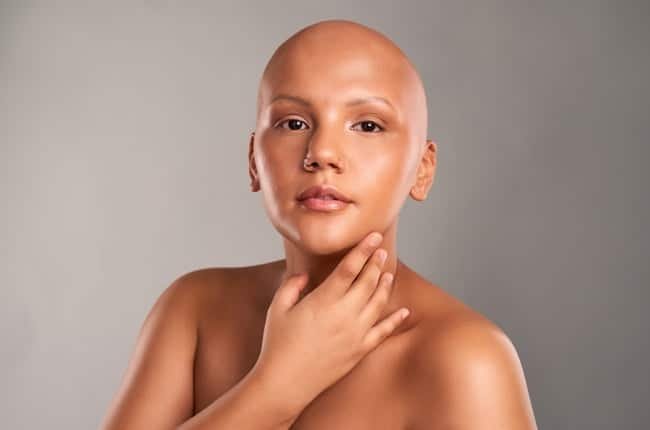
Understanding Alopecia
What is Alopecia?
Alopecia is a medical condition that causes hair loss. It is not simply a cosmetic issue, but a condition that can have a profound impact on a person’s physical and emotional well-being. Alopecia can affect anyone, regardless of gender, age, or ethnicity. It is important to understand that alopecia is not a choice or a result of poor personal hygiene – it is a complex medical condition that requires understanding and compassion.
Types of Alopecia
There are different types of alopecia, each with its own characteristics and patterns of hair loss. The most common type is alopecia areata, which causes patches of hair loss on the scalp, face, and body. Alopecia totalis results in complete hair loss on the scalp, while alopecia universalis leads to the loss of all body hair, including eyebrows and eyelashes. Less common types of alopecia include scarring alopecia, telogen effluvium, and traction alopecia.
Causes of Alopecia
The exact cause of alopecia is still unknown, and the condition varies from person to person. It is believed that a combination of genetic, environmental, and autoimmune factors may play a role. Autoimmune disorders, hormonal imbalances, certain medications, and high levels of stress have been linked to the development of alopecia. Understanding these factors can help individuals and healthcare providers better manage and treat the condition.
Alopecia’s Impact on Mental Health
Psychological Effects of Alopecia
Hair is often seen as a symbol of beauty and identity, so experiencing hair loss can deeply impact a person’s self-image and self-esteem. Individuals with alopecia may experience feelings of sadness, frustration, and anxiety. The emotional toll of alopecia should not be underestimated, as it can lead to depression and other mental health challenges.
Isolation and Low Self-esteem
Alopecia can also contribute to feelings of isolation and social withdrawal. People with alopecia may feel self-conscious about their appearance and worry about how others perceive them. They may avoid social gatherings, swimming, or other activities that expose their hair loss. It is important to support individuals with alopecia and create a supportive environment where they feel accepted and valued.
Body Image Issues
Alopecia can significantly impact body image, as many individuals associate hair loss with a loss of attractiveness or femininity/masculinity. Society often emphasizes a certain standard of beauty that includes a full head of hair, making it challenging for those with alopecia to feel confident and comfortable in their own skin. Promoting body positivity and challenging societal beauty norms is crucial in creating a more inclusive and accepting society.
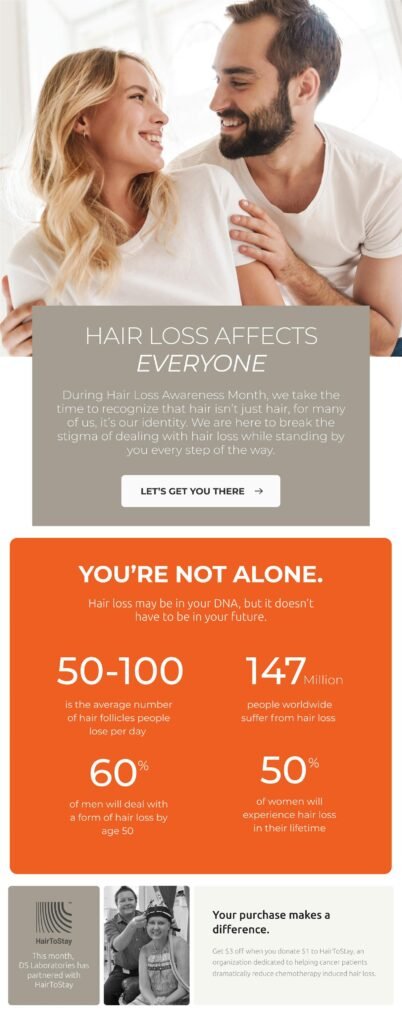
Challenging the Stigma
The Importance of Awareness
Raising awareness about alopecia is vital in challenging the stigma surrounding the condition. By educating the public about alopecia, we can dispel misconceptions and promote empathy and understanding. It is essential to emphasize that alopecia is not a choice or a reflection of a person’s character or worth. Increased awareness can lead to greater acceptance and support for individuals with alopecia.
Educating Society
Educating society about alopecia involves providing accurate information about the condition, its causes, and its impact on individuals. This can be done through various channels, such as schools, healthcare settings, and community awareness campaigns. By including alopecia in educational curricula and promoting open discussions, we can foster a more inclusive society that embraces diversity and rejects discrimination.
Creating Supportive Communities
Building supportive communities for individuals with alopecia is crucial for their well-being. By creating safe spaces where people can share their experiences, find support, and connect with others facing similar challenges, we can help combat the sense of isolation often felt by those with alopecia. Support groups, online forums, and community events can all contribute to the formation of a network that offers encouragement, understanding, and solidarity.
Celebrating Diversity and Body Positivity
Embracing Different Definitions of Beauty
It is essential to promote the idea that beauty comes in all shapes, sizes, and forms. Embracing diverse definitions of beauty means celebrating and appreciating individuals with alopecia for their unique qualities and inner strength rather than focusing solely on physical appearance. By challenging societal norms and emphasizing the value of diversity, we can create a more inclusive and accepting society where everyone feels valued and understood.
Empowering Individuals with Alopecia
Empowerment plays a key role in helping individuals with alopecia thrive. Empowerment can come in many forms, such as engaging in activities that boost self-confidence, participating in support groups that foster personal growth, or pursuing hobbies and interests that promote a sense of achievement. By empowering individuals with alopecia, we can help them navigate the challenges they face and build resilience to overcome adversity.
Promoting Self-Acceptance
Promoting self-acceptance is essential for individuals with alopecia to cultivate a positive self-image. Encouraging self-acceptance involves challenging negative self-talk and replacing it with self-compassion and positive affirmations. Recognizing and celebrating one’s unique qualities and strengths can foster a sense of self-worth and resilience. Emphasizing that hair loss does not define a person’s identity can help individuals with alopecia embrace their true selves and live authentically.
Alopecia in the Workplace
Discrimination and Employment
Individuals with alopecia can face discrimination in the workplace based on their appearance. Discrimination can manifest in various ways, such as being passed over for promotions, facing negative comments or jokes, or being denied opportunities due to hair loss. Employers should actively work to create a discrimination-free environment and ensure that policies and practices promote inclusivity and diversity. Legal protections against discrimination based on appearance should also be enforced.
Supportive Work Environments
Supportive work environments are crucial for individuals with alopecia to thrive professionally. Employers should foster an atmosphere of acceptance and provide accommodations that individuals may need, such as allowing them to wear wigs or head coverings if desired. Open communication and sensitivity training can help educate coworkers about alopecia and promote a supportive workplace culture that celebrates individual differences.
Legal Protections
Legal protections are in place in many countries to prevent discrimination based on appearance or medical conditions, including alopecia. Employers should familiarize themselves with relevant laws and ensure compliance. These laws may require reasonable accommodations for employees with alopecia, protection against discriminatory practices, and provisions for filing complaints. Understanding and implementing these legal protections is essential for fostering a fair and inclusive work environment.
Hair Loss Solutions and Treatments
Wigs and Hairpieces
Wigs and hairpieces are popular options for individuals with alopecia who wish to cover their hair loss. Advances in technology have made wigs more natural-looking and comfortable than ever before. Wigs can help individuals regain confidence and feel more at ease in social settings. It is important to consult with professionals who specialize in wigs to ensure proper fitting and natural appearance.
Scalp Micropigmentation
Scalp micropigmentation is a non-invasive procedure that involves tattooing tiny dots on the scalp to create the appearance of hair follicles. This procedure can be a viable option for individuals with alopecia who prefer a low-maintenance solution and a more defined hairline. Scalp micropigmentation requires multiple sessions and should be performed by a skilled technician to achieve the desired results.
Medications and Therapies
There are medications and therapies available that may help slow down or manage hair loss in certain types of alopecia. These options include corticosteroid injections, topical immunotherapy, and minoxidil (Rogaine). It is important to consult with a healthcare professional specializing in dermatology or hair disorders to determine the most appropriate treatment plan based on individual needs and medical history.
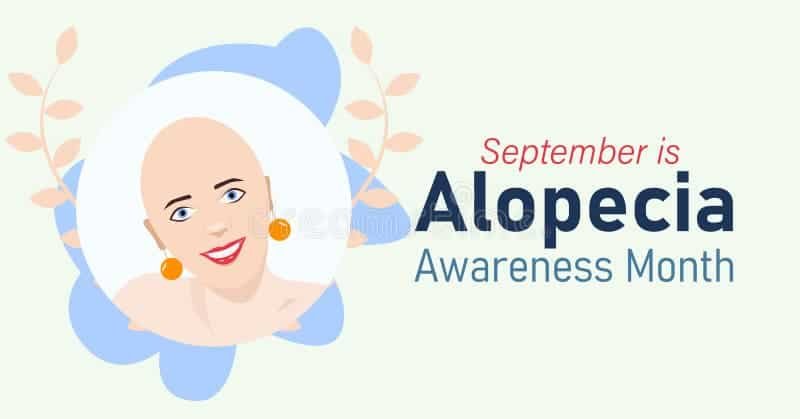
Supporting Individuals with Alopecia
Advocacy Organizations and Resources
Advocacy organizations and resources dedicated to supporting individuals with alopecia play a vital role in providing information, emotional support, and practical guidance. These organizations often offer resources such as helplines, online forums, educational materials, and events that bring the community together. By connecting individuals with alopecia to these supportive networks, we can help them navigate their journey and find the support they need.
Mental Health Support
Given the significant impact alopecia can have on mental health, seeking professional mental health support is crucial. Mental health professionals, such as therapists and counselors, can provide a safe space for individuals to express their concerns, explore coping strategies, and manage the emotional challenges associated with alopecia. It is important to prioritize mental well-being and seek support when needed.
Self-Care Strategies
Self-care strategies are essential for individuals with alopecia to prioritize their overall well-being. These strategies may include practices such as relaxation techniques, regular exercise, maintaining a healthy diet, and engaging in activities that bring joy and fulfillment. Taking care of one’s physical and emotional needs can support resilience and promote a positive mindset while navigating the challenges of alopecia.
Raising Alopecia Awareness in the Media
Representation in Entertainment
Representation of individuals with alopecia in the entertainment industry is crucial for breaking down stereotypes and promoting inclusivity. By featuring characters with alopecia in TV shows, movies, and other forms of media, we can raise awareness and foster understanding. It is also important for these representations to be authentic and portray the experiences of individuals with alopecia with sensitivity and accuracy.
Social Media Influencers and Campaigns
Social media influencers and campaigns have the power to reach a wide audience and educate people about alopecia. Influencers who share their personal experiences and journey with alopecia can inspire others and foster a sense of solidarity. Campaigns that challenge beauty standards and highlight the beauty and resilience of individuals with alopecia can break down barriers and promote acceptance and understanding.
Breaking Stereotypes
Breaking stereotypes about alopecia is essential for creating a more inclusive society. Stereotypes often perpetuate misconceptions and hinder progress. By challenging commonly held beliefs and educating others about the realities of alopecia, we can shift societal perceptions and promote empathy and acceptance. Breaking stereotypes involves actively promoting diversity, inclusivity, and understanding in all aspects of life.
Alopecia and Children
Addressing Bullying and Teasing
Children with alopecia may be more vulnerable to bullying and teasing due to their visible hair loss. It is crucial to address this issue at its core by implementing anti-bullying programs in schools and educating students about alopecia. Empowering children with alopecia to speak up about their experiences, fostering empathy among their peers, and involving parents and teachers in addressing these challenges can create a safer and more supportive environment for all children.
Supporting Parents and Caregivers
Parents and caregivers play a vital role in supporting children with alopecia. They should be provided with the necessary information, resources, and emotional support to help their child navigate the challenges associated with alopecia. Connecting parents and caregivers with support groups, counseling services, and educational materials can empower them to advocate for their child and create a nurturing environment at home.
Educating Schools and Educators
Educating schools and educators about alopecia is crucial for creating an inclusive and understanding environment for children with alopecia. By providing training and resources to teachers, administrators, and school staff, we can cultivate an atmosphere that values and supports children with alopecia. This education can include information about the condition, suggestions for accommodations, and strategies to promote empathy and inclusivity in the classroom.
Looking Towards the Future
Advancements in Research
Advancements in research are continuously being made to better understand alopecia and develop more effective treatments. Researchers are exploring topics such as the underlying causes of alopecia, innovative therapies, and potential cures. Investing in research is vital to uncovering new knowledge and improving the quality of life for individuals with alopecia.
Potential Cures
While current treatments can help manage alopecia, a potential cure is a topic of ongoing research and exploration. Scientists are investigating various approaches, such as stem cell therapy, immunotherapy, and gene therapy, with the aim of finding a permanent solution for hair loss caused by alopecia. These potential cures offer hope for the future and inspire individuals with alopecia to envision a life without the challenges of hair loss.
Building a More Inclusive Society
Looking towards the future, it is crucial to continue building a more inclusive society that celebrates and embraces diversity. By challenging stereotypes, promoting understanding, and advocating for equal opportunities, we create a world where individuals with alopecia feel fully accepted and valued. Every person deserves to be treated with respect and dignity, regardless of their appearance or medical condition. Together, we can work towards a society where everyone can thrive, regardless of whether they have hair or not.
In conclusion, alopecia is not just about hair loss but also about the physical, emotional, and psychological impact it can have on individuals’ lives. By understanding alopecia, challenging stigmas, promoting body positivity, supporting individuals, raising awareness, and fostering an inclusive society, we can create an environment where everyone feels accepted, valued, and empowered. It is through education, empathy, and compassion that we can break the stigma surrounding alopecia and build a better future for all.