
Amyloidosis, a rare disease that affects various organs and tissues in the body, remains largely unknown to the public. However, it is crucial to shed light on this condition, as early diagnosis can greatly improve the chances of successful treatment. In this article, you will gain an understanding of what amyloidosis is, its symptoms, and the available treatment options. By raising awareness about this often overlooked disease, we can help support those affected and potentially save lives.

What is Amyloidosis?
Amyloidosis is a rare and complex medical condition characterized by the accumulation of abnormal protein fragments called amyloids in various tissues and organs of the body. Over time, these amyloids can disrupt the normal functioning of organs, leading to a range of symptoms and complications.
Definition
Amyloidosis occurs when proteins in the body fold incorrectly, resulting in the formation of amyloid fibrils. These fibrils can build up in different organs and tissues, interfering with their structure and function. This progressive accumulation of amyloids can lead to widespread organ damage and ultimately affect the overall health and well-being of an individual.
Types of Amyloidosis
There are several types of amyloidosis, each with its own distinct cause and characteristics. Some of the most common types include:
-
AL Amyloidosis (Immunoglobulin Light-chain Amyloidosis): This is the most prevalent form of amyloidosis, caused by the deposition of abnormal immunoglobulin light chains produced by plasma cells in the bone marrow.
-
AA Amyloidosis (Secondary Amyloidosis): It is caused by the presence of chronic inflammation or infection in the body, leading to the deposition of amyloid A protein as a defense mechanism.
-
ATTR Amyloidosis (Hereditary Transthyretin Amyloidosis): It is an inherited form of amyloidosis caused by mutations in the transthyretin (TTR) gene, which results in the accumulation of abnormal transthyretin protein.
-
Localized Amyloidosis: This type is characterized by the deposition of amyloids in a specific organ or tissue, such as the skin, respiratory tract, or bladder.
Causes of Amyloidosis
The causes of amyloidosis can vary depending on the type of disease. In some cases, amyloidosis may be associated with an underlying medical condition or genetic mutation, while in others, the exact cause remains unknown. Common factors that can contribute to the development of amyloidosis include:
- Chronic inflammatory diseases
- Chronic infections
- Familial genetic mutations
- Age-related changes in protein production and metabolism
- Accumulation of abnormal proteins in organs over time
Understanding the underlying cause of amyloidosis plays a crucial role in diagnosing and managing the disease effectively.
Symptoms of Amyloidosis
Symptoms of amyloidosis can vary widely depending on the organs affected and the extent of amyloid deposition. The disease can manifest as general symptoms affecting the overall wellness of the individual and organ-specific symptoms that relate to the organs involved.
General Symptoms
General symptoms of amyloidosis may include:
- Fatigue and weakness
- Weight loss
- Swelling in the legs and ankles (edema)
- Shortness of breath
- Easy bruising and bleeding
- Poor appetite and unintentional weight loss
- Recurring infections
- Changes in skin color or texture
These general symptoms can often be vague and non-specific, which can lead to a delay in diagnosis, as they can be mistaken for other underlying conditions.
Organ-Specific Symptoms
Amyloidosis can affect various organs in the body, leading to specific symptoms associated with organ dysfunction. Some common organ-specific symptoms include:
- Cardiac involvement: Shortness of breath, fatigue, irregular heartbeat, chest pain.
- Renal involvement: Proteinuria (abnormal amounts of protein in the urine), reduced kidney function, swelling in the legs and ankles.
- Gastrointestinal involvement: Diarrhea, constipation, nausea, vomiting, abdominal pain.
- Neurological involvement: Numbness or tingling in the extremities, muscle weakness, difficulty walking, autonomic dysfunction.
The symptoms experienced can vary widely from person to person, depending on the specific organs affected and the degree of amyloid deposition in those areas.
Progression of Symptoms
The progression of symptoms in amyloidosis can be gradual or rapid, depending on the type and severity of the disease. In some cases, symptoms may appear mild or go unnoticed in the early stages, making it challenging to diagnose the condition promptly. As the disease progresses, the symptoms can become more pronounced and debilitating, significantly impacting the quality of life of individuals affected by amyloidosis.
Diagnosing Amyloidosis
Diagnosing amyloidosis requires a comprehensive evaluation that takes into account various factors, including medical history, physical examination, and specialized laboratory and imaging tests.
Medical History and Physical Examination
The initial step in diagnosing amyloidosis involves taking a detailed medical history, including a review of symptoms and any potential risk factors. Since amyloidosis can affect multiple organ systems, it is crucial for healthcare providers to thoroughly evaluate a patient’s overall health.
During the physical examination, healthcare professionals may pay close attention to specific signs and symptoms based on the suspected involvement of certain organs. For example, they may listen to the heart for abnormal sounds (murmurs) or examine the abdomen for any signs of organ enlargement.
Laboratory Tests
Laboratory tests play a critical role in diagnosing amyloidosis by detecting certain biomarkers and abnormalities associated with the disease. These tests may include:
- Blood tests: To assess kidney and liver function, analyze protein levels, and screen for genetic mutations.
- Urine tests: To detect abnormal amounts of protein and analyze kidney function.
- Serum-free light chain assay: To identify abnormal light chains in the blood, which may indicate AL amyloidosis.
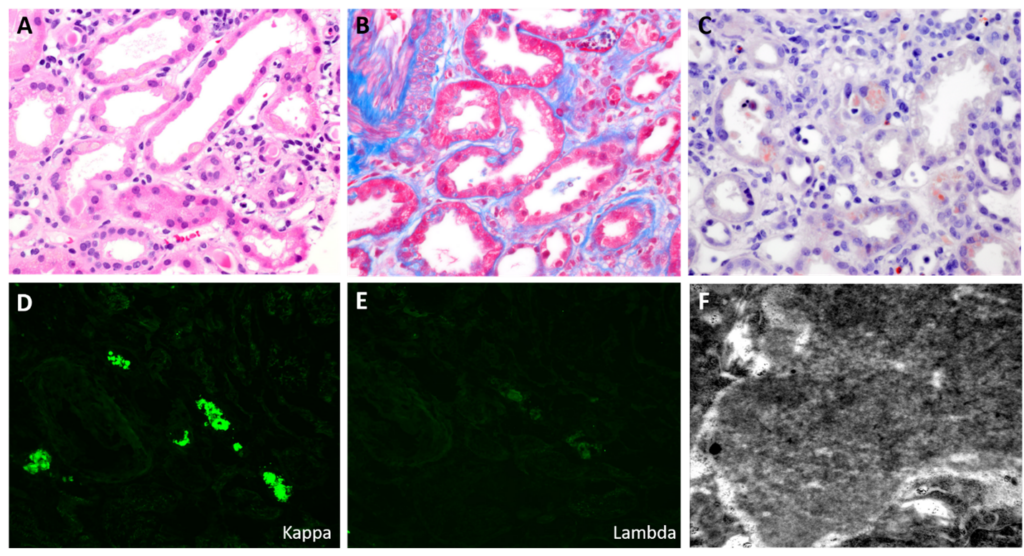
- Immunohistochemistry: To analyze tissue samples for the presence of amyloid deposits.
These laboratory tests provide essential information to help confirm or rule out a diagnosis of amyloidosis and determine the specific type of the disease.
Biopsy
A tissue biopsy is considered the gold standard for diagnosing amyloidosis definitively. During the biopsy, a small sample of affected tissue, such as the kidney, heart, or liver, is extracted for examination under a microscope. The tissue sample is stained with special dyes to identify the presence of amyloid deposits.
Different techniques, such as fine-needle aspiration or surgical biopsy, may be used depending on the accessibility and location of the affected organs. Biopsy results can provide valuable information about the type and extent of amyloid deposition, guiding further treatment decisions.
Imaging Tests
In some cases, imaging tests may be recommended to evaluate the extent of amyloidosis and determine the involvement of specific organs. Non-invasive imaging techniques such as echocardiography, cardiac MRI, CT scans, or PET scans can help visualize the internal organs and identify any structural abnormalities caused by amyloid deposition.
These imaging tests, combined with other diagnostic methods, aid in the accurate assessment of the disease progression and guide subsequent treatment strategies.
Treatment Options for Amyloidosis
The approach to treating amyloidosis depends on various factors, including the type and extent of organ involvement, overall health, and individual goals of care. While there is no cure for amyloidosis, a range of treatment options is available to manage the disease effectively and relieve symptoms.
Managing Underlying Conditions
In cases where amyloidosis is secondary to an underlying medical condition, such as chronic infections or inflammatory diseases, the primary focus is to address and manage the root cause. By effectively treating the underlying condition, it may be possible to slow down the progression of amyloid deposition and improve overall health outcomes.
Medication
Medications play a vital role in the management of amyloidosis, particularly in cases of AL amyloidosis. Chemotherapy drugs, such as melphalan and dexamethasone, are commonly used to suppress the production of abnormal proteins and reduce the build-up of amyloids. Additionally, medications that target specific components involved in the pathogenesis of amyloidosis, such as monoclonal antibodies, are being explored as promising therapeutic options.
For individuals with ATTR amyloidosis, specific medications called TTR stabilizers or gene silencers may be prescribed to slow down the production of the abnormal transthyretin protein.
Stem Cell Transplantation
Stem cell transplantation, also known as high-dose chemotherapy with autologous stem cell rescue, is a treatment option available for eligible individuals with AL amyloidosis. This procedure involves collecting the patient’s own stem cells and then administering high-dose chemotherapy to eliminate abnormal plasma cells. The harvested stem cells are subsequently infused back into the patient to restore healthy blood cell production.
Stem cell transplantation can be highly effective in reducing the burden of amyloid deposits in organs and improving organ function. However, it is a complex procedure that requires careful evaluation and selection of suitable candidates.
Liver Transplantation
For individuals with hereditary ATTR amyloidosis involving liver production of the abnormal transthyretin protein, liver transplantation may be considered. This procedure involves replacing the diseased liver with a healthy liver from a donor. By removing the source of abnormal protein production, liver transplantation can halt the progression of transthyretin-related amyloidosis and potentially reverse some of the organ damage caused by the disease.
Supportive Care
In addition to disease-specific treatments, a comprehensive approach to managing amyloidosis includes providing supportive care to individuals affected by the disease. This may include:
-
Symptom management: Medications and interventions to alleviate specific symptoms like pain, fatigue, and shortness of breath.
-
Nutritional support: Dietary modifications or supplements to ensure adequate nutrition and prevent malnourishment.
-
Physical and occupational therapy: To maintain muscle strength and flexibility, improve mobility, and enhance quality of life.
-
Psychosocial support: Counseling, support groups, and therapy to address emotional and psychological challenges associated with living with a chronic disease.
-
Palliative care: In advanced cases, palliative care focuses on improving the quality of life, managing symptoms, and providing emotional support for both the individual and their loved ones.
The goal of supportive care is to enhance the overall well-being and quality of life of individuals living with amyloidosis, addressing physical, emotional, and social aspects of care.

Amyloidosis Research and Advances
Ongoing research and advancements in the field of amyloidosis are crucial for improving disease understanding, developing innovative treatments, and ultimately finding a cure for this rare condition.
Ongoing Research
Scientists and researchers worldwide are actively investigating the underlying mechanisms of amyloidosis to uncover potential therapeutic targets. This research involves studying the structure and properties of amyloid fibrils, exploring new diagnostic techniques, and developing novel treatment strategies.
Researchers are also working to identify genetic mutations associated with amyloidosis and understand their impact on disease progression. This knowledge helps pave the way for personalized medicine approaches and targeted therapies tailored to individuals with specific genetic profiles.
Clinical Trials
Clinical trials provide a platform for testing new medications, treatment modalities, and diagnostic tools in a controlled and scientific manner. Participation in clinical trials not only offers individuals with amyloidosis access to cutting-edge therapies but also contributes to advancing medical knowledge and improving future treatment options for the disease.
Various ongoing clinical trials are exploring potential breakthroughs in the management of amyloidosis, including novel drugs, gene therapies, and innovative treatment combinations. These trials aim to improve outcomes, enhance patient care, and increase our understanding of individualized treatment approaches.
Gene Therapy
Gene therapy is an emerging field that holds great promise for the treatment of hereditary forms of amyloidosis, such as ATTR amyloidosis. By targeting the underlying genetic mutations responsible for abnormal protein production, gene therapies aim to prevent or slow down the progression of amyloid deposition.
Several gene therapy approaches are being explored, including gene silencing techniques, gene editing tools like CRISPR-Cas9, and the use of viral vectors to deliver therapeutic genes. While still in early stages, gene therapy for amyloidosis has demonstrated encouraging results in preclinical and early-phase clinical trials, offering hope for improved treatment options in the future.
Targeted Therapies
Advancements in our understanding of the molecular basis of amyloidosis have paved the way for the development of targeted therapies that specifically inhibit the formation or accumulation of amyloid fibrils. Researchers are investigating the use of small molecule inhibitors, antibodies, and other agents to prevent amyloid deposition, dissolve existing amyloids, or block the toxic effects of amyloid fibrils.
Targeted therapies hold great promise for individuals with amyloidosis, as they may provide more effective treatment options with fewer side effects compared to traditional chemotherapy. Ongoing research is focused on optimizing these therapies and identifying the most efficient mechanisms to prevent or reverse amyloid deposition.
Amyloidosis Awareness Campaigns
Raising awareness about amyloidosis is crucial to ensure early diagnosis, appropriate treatment, and support for individuals affected by the disease.
Importance of Awareness
Amyloidosis is considered a rare disease, and many healthcare professionals may have limited knowledge or experience in diagnosing and managing it. By increasing awareness of amyloidosis among both medical professionals and the general public, individuals with the disease can receive timely and accurate diagnoses, leading to improved care and outcomes.
Awareness surrounding amyloidosis also helps reduce the stigma associated with rare diseases, promotes research and funding, and fosters a sense of community among those affected by this complex condition.
Key Organizations and Initiatives
Several organizations and initiatives are dedicated to spreading awareness, supporting individuals with amyloidosis, and advocating for research and access to quality care. Some key organizations include:
- Amyloidosis Foundation
- Amyloidosis Research Consortium
- Amyloidosis Support Groups
- International Society of Amyloidosis
These organizations play a critical role in providing education, resources, support, and funding for research aimed at advancing the understanding and treatment of amyloidosis.
Fundraising and Support
Fundraising efforts and community support are essential for enabling research, education, and patient advocacy initiatives related to amyloidosis. Individuals, families, and communities can contribute by organizing fundraising events, participating in awareness campaigns, and supporting organizations dedicated to amyloidosis.
By actively engaging in fundraising and support, anyone can play a crucial role in ensuring that individuals with amyloidosis have access to the resources and care they need to navigate their journey with the disease.

Living with Amyloidosis
Living with amyloidosis can present unique challenges that extend beyond medical treatment. Coping with the physical, emotional, and practical aspects of the disease requires adopting effective strategies and building a strong support network.
Coping Strategies
Developing coping strategies can significantly impact an individual’s ability to manage the challenges associated with amyloidosis. Some strategies that can be helpful include:
-
Educating yourself: Learn about amyloidosis, its symptoms, and treatments to empower yourself and actively participate in your care.
-
Maintaining a positive mindset: Cultivate a positive outlook to enhance overall well-being and mental resilience.
-
Practicing self-care: Prioritize self-care activities, such as exercise, healthy eating, stress management techniques, and hobbies, to maintain physical and emotional well-being.
-
Seeking emotional support: Lean on friends, family, support groups, or counseling services to express your feelings, share experiences, and gain emotional support.
-
Setting realistic goals: Establish realistic goals, both short-term and long-term, to maintain focus and motivation while adapting to the challenges of living with amyloidosis.
-
Managing expectations: Understand that amyloidosis may require adjustments in lifestyle, and it is essential to be kind to yourself and make necessary accommodations as needed.
Support Networks
Building a strong support network is vital for individuals with amyloidosis and their caregivers. Support networks can provide not only emotional support but also practical assistance and information-sharing. Engaging with support groups, both in-person and online, allows individuals to connect with others who share similar experiences and gain insights into managing the disease.
Support networks can also extend beyond peer-to-peer support and include healthcare professionals, social workers, and patient advocacy organizations. These resources can provide guidance, answer questions, and help navigate the various aspects of living with amyloidosis.
Quality of Life
While living with amyloidosis can present numerous challenges, it is equally important to focus on improving quality of life. Taking steps to optimize overall well-being, manage symptoms effectively, and maintain a fulfilling lifestyle can significantly enhance the day-to-day experience for individuals with amyloidosis.
Maintaining open communication with healthcare providers, utilizing available resources, and actively engaging in self-care activities all contribute to a better quality of life. By prioritizing self-care, seeking support, and adapting to the changing needs associated with amyloidosis, individuals can find ways to embrace life with resilience and positivity.
Amyloidosis and its Impact on Families
When amyloidosis occurs, it not only affects the individual diagnosed but also has a significant impact on their families.
Genetic Factors
Certain types of amyloidosis, such as ATTR amyloidosis, can be inherited in an autosomal dominant pattern. This means that the mutated gene responsible for the disease can be passed down from one generation to another. For families affected by hereditary forms of amyloidosis, it is essential to consider genetic testing and counseling to assess the risk of passing on the disease, understand inheritance patterns, and make informed family planning decisions.
Emotional and Financial Implications
Amyloidosis can bring about emotional challenges, both for the individual diagnosed and their family members. The uncertainty surrounding the disease, the potential impact on daily life, and the need for ongoing medical care can cause significant stress and anxiety.
Additionally, amyloidosis can impose a financial burden on families. The costs associated with medical consultations, diagnostic tests, treatments, and supportive care can quickly accumulate. It is important for families to explore available resources, such as health insurance coverage, financial assistance programs, and support organizations, to alleviate some of the financial burdens associated with amyloidosis.
Counseling and Support
Seeking counseling and support services can be beneficial for families affected by amyloidosis. Counseling can provide a safe space for individuals and their loved ones to express their emotions, address fears and concerns, and develop coping strategies. Support groups and online communities can also create opportunities for families to connect with others experiencing similar challenges, share experiences, and offer mutual support.
By recognizing and addressing the emotional and financial implications of amyloidosis, families can work together to navigate the journey and provide the necessary support for each other.

Prevention and Risk Reduction
While amyloidosis cannot always be prevented, certain measures can be taken to reduce the risk or delay the onset of disease in some cases.
Genetic Counseling
Genetic counseling is an essential component for individuals with hereditary forms of amyloidosis and their family members. Through genetic counseling, individuals can gain a better understanding of the inheritance patterns, assess their risk of developing amyloidosis, explore family planning options, and make informed decisions regarding genetic testing.
Genetic counseling provides individuals and their families with the necessary knowledge and support to make educated choices about their future health and well-being.
Healthy Lifestyle Choices
Adopting a healthy lifestyle is a key component in reducing the risk and managing amyloidosis. Some lifestyle choices that may be beneficial include:
-
Eating a balanced diet: Consuming a nutritious diet rich in fruits, vegetables, whole grains, lean proteins, and healthy fats can support overall health and reduce the risk of chronic conditions associated with amyloidosis.
-
Regular exercise: Engaging in regular physical activity, as recommended by healthcare professionals, can help maintain cardiovascular health, muscle strength, and overall well-being.
-
Maintaining a healthy weight: Maintaining a healthy weight within a recommended range can help manage chronic conditions and optimize overall health.
-
Avoiding tobacco and excessive alcohol consumption: These lifestyle factors can contribute to the development of various health conditions, including those that may increase the risk of amyloidosis.
-
Managing chronic conditions: Effectively managing and treating underlying chronic conditions, such as diabetes, chronic inflammatory diseases, and infections, can help minimize the risk of developing secondary amyloidosis.
Adopting a healthy lifestyle is beneficial not only for reducing the risk of amyloidosis but also for overall well-being and long-term health.
Early Detection and Intervention
For individuals at risk of developing amyloidosis, early detection can play a critical role in managing the disease effectively and potentially delaying its progression. Regular medical check-ups, routine laboratory tests, and targeted screenings can help identify early signs of amyloidosis and initiate appropriate interventions promptly.
It is important for individuals to communicate openly with their healthcare providers about any symptoms or concerns they may have, particularly if they have a family history of amyloidosis or other risk factors. By actively engaging in preventive measures and seeking timely medical attention, individuals can take steps towards reducing the impact of amyloidosis on their lives.
Future Outlook for Amyloidosis
The future outlook for amyloidosis is optimistic, with advancements in diagnosis, treatment, and research continuously being made. This progress is fueled by collaboration between scientists, healthcare professionals, patients, and advocacy groups.
Advancements in Diagnosis and Treatment
As our understanding of amyloidosis continues to grow, advancements in diagnostic techniques and treatment options are expected. More precise and less invasive imaging techniques are being developed to visualize amyloid deposits and assess disease progression accurately.
Additionally, researchers are exploring novel medications and therapies that specifically target the underlying molecular mechanisms of amyloidosis. These advancements hold promise for improved disease management, increased treatment effectiveness, and enhanced quality of life for individuals living with amyloidosis.
Collaboration and Research
Collaboration and research efforts on a global scale are crucial for uncovering new insights into amyloidosis and developing innovative methods to tackle the disease. Researchers, healthcare professionals, patient advocacy groups, and pharmaceutical companies are working together to accelerate progress in diagnosis, treatment, and overall disease management.
By sharing knowledge, resources, and data from diverse populations, the global amyloidosis community is fostering a more comprehensive understanding of the disease and facilitating the development of novel approaches to combat it.
Improving Accessibility to Care
Efforts are also underway to improve access to specialized care and treatment options for individuals with amyloidosis. This includes initiatives to increase awareness among healthcare professionals, enhance diagnostic capabilities in underserved areas, and ensure equitable access to potentially life-saving treatments.
Advocacy organizations are playing a crucial role in advocating for improved reimbursement policies, increased research funding, and the development of clinical guidelines to optimize the provision of care and support for individuals living with amyloidosis.
As these initiatives gain momentum, the future outlook for individuals with amyloidosis is bright, with increased hope for earlier diagnoses, effective treatments, and improved quality of life.
In conclusion, amyloidosis is a complex and multifaceted medical condition that requires comprehensive evaluation and management. From the initial diagnosis to ongoing treatment and support, individuals affected by amyloidosis and their families face unique challenges. However, with advancements in research and increased awareness, there is growing hope for improved outcomes, enhanced quality of life, and ultimately, a cure for this rare disease. By fostering collaboration, investing in research, and increasing accessibility to care, the amyloidosis community is working towards a future where individuals with amyloidosis can live fuller and healthier lives.