
Hey there! If you or someone you know is dealing with arthritis, you’re in luck because we’ve got some valuable info for you. In this article, we’ll be covering everything you need to know about the arthritis diet. That’s right, there are certain foods you can eat and others you should avoid to promote joint health and manage the symptoms of arthritis. So, grab a cup of tea, get comfy, and let’s dive into this juicy topic together! Arthritis is a common condition that affects millions of people worldwide. Managing arthritis symptoms often involves making changes to your diet to support joint health and reduce inflammation. Including certain foods in your diet can provide numerous benefits and help alleviate arthritis symptoms. On the other hand, there are also foods that you should avoid as they can worsen inflammation and contribute to joint pain. In this article, we will explore the foods you should include in an arthritis diet and those you should steer clear of.
Fruits and Vegetables
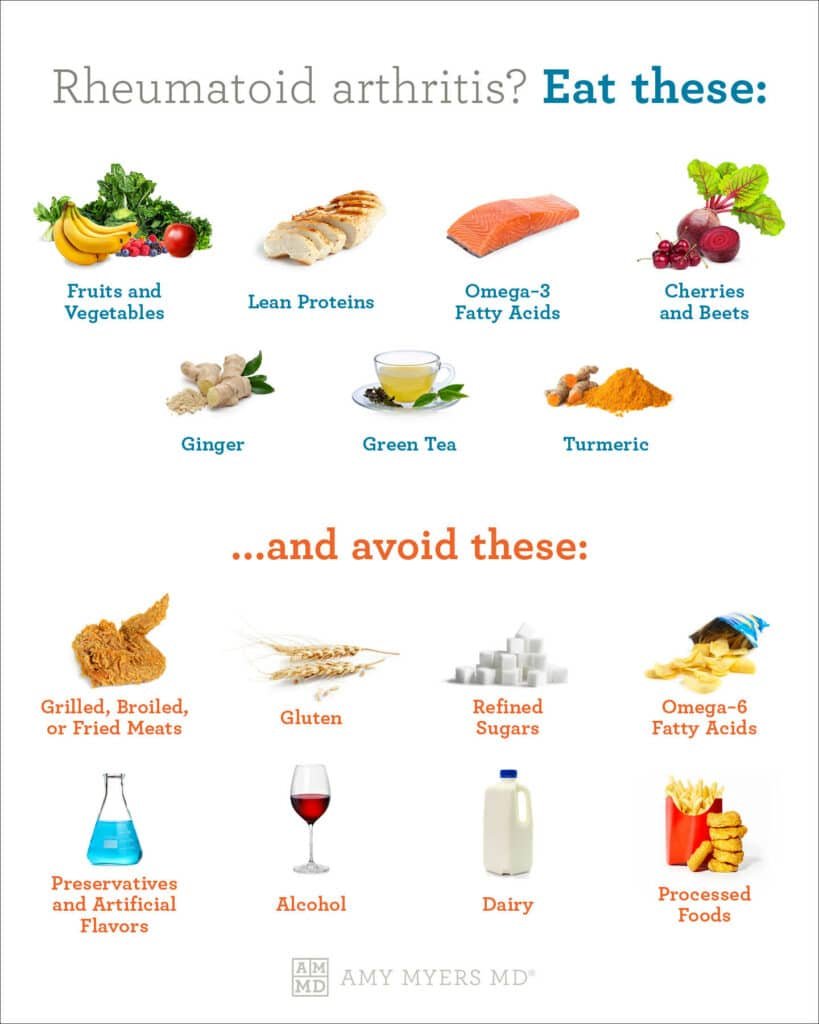
When it comes to an arthritis-friendly diet, fruits and vegetables are at the top of the list. These colorful and nutrient-packed foods provide a wide range of health benefits. Fruits and vegetables are rich in antioxidants, which help protect your cells from damage caused by free radicals. They also have anti-inflammatory properties, making them a key component in relieving arthritis symptoms.
Additionally, fruits and vegetables are high in fiber, aiding in digestion and promoting gut health. They are also packed with essential vitamins and minerals that support overall health and well-being. Incorporating a variety of fruits and vegetables into your diet, such as berries, leafy greens, citrus fruits, and cruciferous vegetables, can help reduce inflammation and provide the nutrients your body needs to maintain joint health.
Fatty Fish
Fatty fish, such as salmon, mackerel, and sardines, are excellent additions to an arthritis diet. These fish are rich in omega-3 fatty acids, which have been shown to have powerful anti-inflammatory effects. Omega-3 fatty acids help reduce inflammation in the body, which can help alleviate joint pain and stiffness associated with arthritis.
Incorporating fatty fish into your meals a few times a week can provide a good source of omega-3 fatty acids and contribute to improved joint health. If you’re not a fan of fish, you can also consider taking fish oil supplements to ensure an adequate intake of these beneficial fatty acids.
Nuts and Seeds
Nuts and seeds are another group of foods that deserve a place in an arthritis-friendly diet. These tiny powerhouses are packed with healthy fats, protein, and fiber. The healthy fats found in nuts and seeds, such as almonds, walnuts, and chia seeds, can help reduce inflammation and support joint health.
Additionally, nuts and seeds are rich in protein, which is essential for maintaining and repairing tissues in the body. The fiber content in these foods also aids in digestion and promotes a healthy gut. Including a handful of nuts or a sprinkle of seeds in your meals or snacks can provide you with a nutritious boost and help alleviate arthritis symptoms.
Whole Grains
Whole grains, such as brown rice, quinoa, and oats, are an important component of an arthritis diet. Unlike refined grains, whole grains retain their nutrient-rich outer layers, containing fiber, vitamins, minerals, and antioxidants. The fiber content in whole grains helps promote healthy digestion and supports gut health.
Moreover, whole grains have been shown to have anti-inflammatory properties. They can help decrease inflammation in the body, which is beneficial for individuals with arthritis. In addition to their anti-inflammatory effects, whole grains can also contribute to improved weight management, as they are more filling and can help regulate blood sugar levels.

Legumes
Legumes, including beans, lentils, and chickpeas, are a great choice for individuals with arthritis. These plant-based protein sources are not only rich in fiber and essential nutrients but also have anti-inflammatory properties. The low glycemic index of legumes means they have a minimal impact on blood sugar levels, making them a suitable option for individuals with diabetes or pre-diabetes.
Additionally, legumes provide a vegetarian protein source, which can be beneficial for individuals following a plant-based diet or looking to reduce their consumption of animal products. Incorporating legumes into your meals, such as in soups, salads, or as a meat substitute, can offer numerous benefits for joint health and overall well-being.
Low-fat Dairy Products
Low-fat dairy products, such as milk, yogurt, and cheese, can be a valuable addition to an arthritis diet. These dairy products are a rich source of calcium and vitamin D, both of which are essential for maintaining strong bones and reducing the risk of osteoporosis.
Calcium and vitamin D also have anti-inflammatory properties, which can help alleviate joint pain and reduce inflammation in individuals with arthritis. However, it’s important to opt for low-fat or non-fat dairy products to reduce the intake of saturated fats, which can contribute to inflammation.
Turmeric
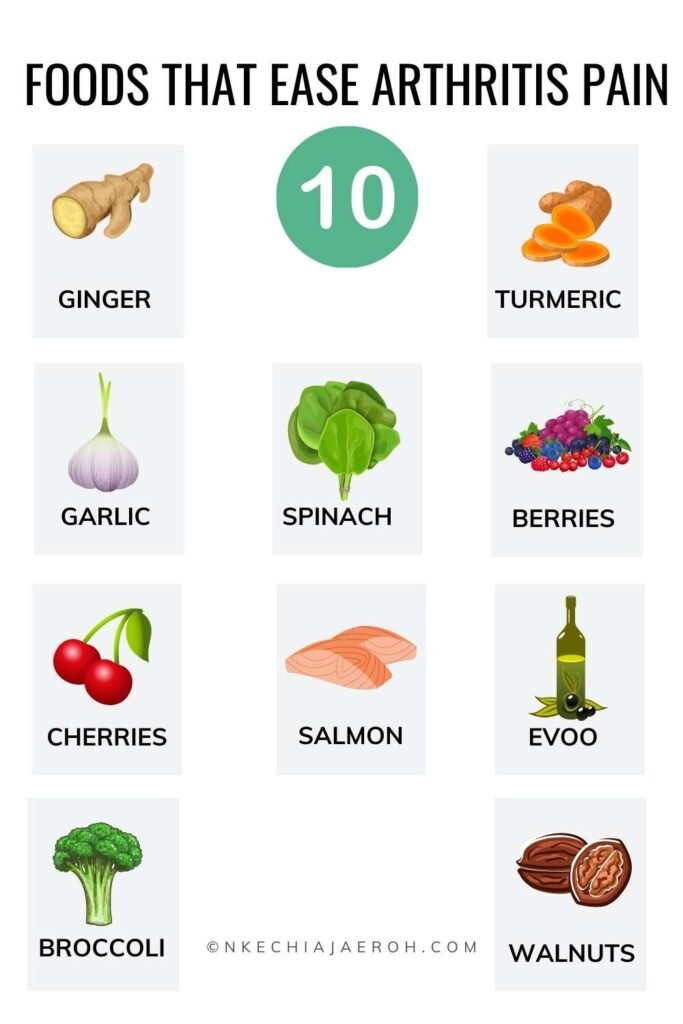
Turmeric, a popular spice commonly found in curry dishes, has long been recognized for its potential health benefits. Curcumin, the active compound in turmeric, has strong anti-inflammatory properties and is considered a natural remedy for arthritis symptoms.
Research suggests that curcumin can help reduce joint pain and inflammation, making it a promising addition to an arthritis diet. Incorporating turmeric into your meals or taking turmeric supplements can be a natural way to support joint health and alleviate arthritis symptoms.
Ginger
Ginger is another spice that has been used for centuries for its medicinal properties. It contains compounds with anti-inflammatory and analgesic effects, which can help reduce joint pain and improve mobility in individuals with arthritis.
Adding ginger to your diet can be as simple as brewing a cup of ginger tea or using fresh ginger in your cooking. Its distinct flavor and potential health benefits make ginger a great addition to an arthritis-friendly diet.
Garlic
Garlic, a staple ingredient in many cuisines, goes beyond adding flavor to your dishes. It contains sulfur compounds that have been shown to have anti-inflammatory effects and can help alleviate arthritis symptoms.
Including garlic in your meals can provide potential benefits for joint health, in addition to its immune-boosting properties. Don’t be shy to use garlic liberally in your cooking, as it can bring both taste and health benefits to your arthritis diet.
Green Tea
Green tea is a widely consumed beverage known for its numerous health benefits. It is rich in antioxidants, which help reduce inflammation and protect the body against damage caused by free radicals.
The polyphenols found in green tea have been shown to have anti-inflammatory effects, making it a suitable choice for individuals with arthritis. Incorporating green tea into your daily routine can provide a refreshing and nutritious beverage option while supporting joint health.
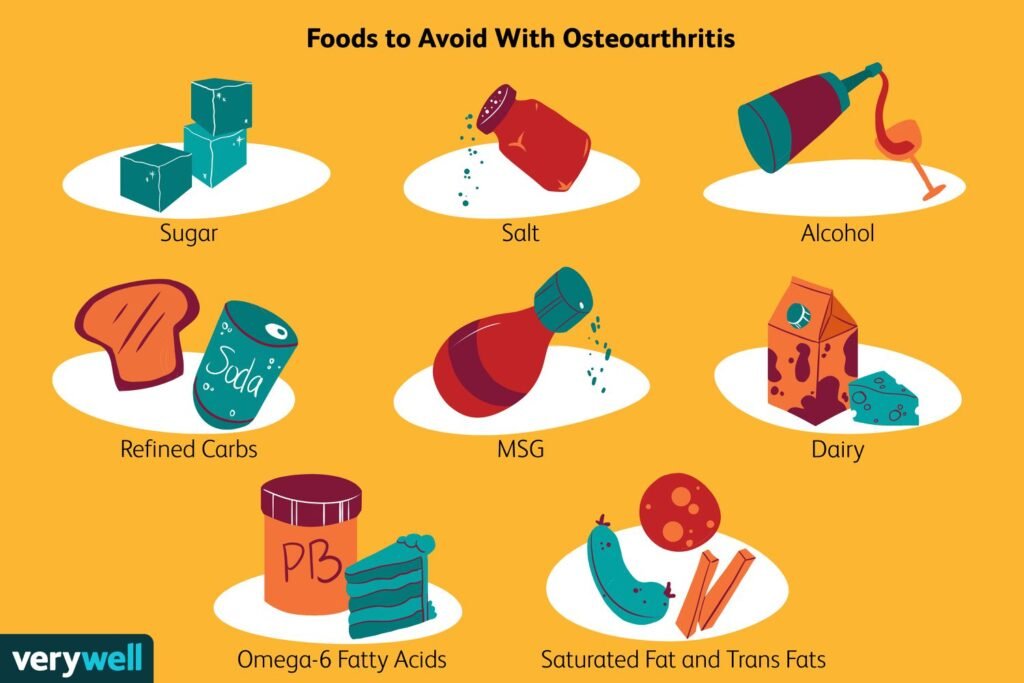
Now that we have explored the foods to include in an arthritis diet, let’s turn our attention to the foods that should be avoided.

Processed Foods
Processed foods, such as chips, crackers, and deli meats, should be avoided in an arthritis diet. These foods are typically high in unhealthy fats, added sugars, and salt, which can contribute to inflammation and worsen arthritis symptoms.
Instead of reaching for processed snacks, opt for whole, unprocessed foods whenever possible. For example, swap out potato chips for homemade kale chips or choose fresh fruits and vegetables as nutritious snacks.
Sugar-Sweetened Beverages
Sugar-sweetened beverages, including soda, juice drinks, and energy drinks, should be limited or avoided entirely in an arthritis diet. These beverages are high in added sugars, which can lead to weight gain and inflammation in the body.
Instead of sugary drinks, choose water, herbal tea, or unsweetened beverages to stay hydrated and support joint health.
Red Meat
Red meat, including beef, lamb, and pork, should be consumed in moderation for individuals with arthritis. These meats are high in saturated fats, which can contribute to inflammation and increase the risk of other health conditions, such as cardiovascular disease.
When consuming meat, opt for lean cuts or consider alternative protein sources, such as poultry, fish, or plant-based proteins like legumes or tofu.
Fried and Fast Foods
Fried and fast foods, such as french fries, fried chicken, and burgers, should be avoided as much as possible in an arthritis diet. These foods are typically high in unhealthy fats, which can promote inflammation and exacerbate arthritis symptoms.
Instead of fried or fast foods, opt for homemade meals using healthier cooking methods, such as baking, grilling, or steaming. This way, you can still enjoy delicious meals while supporting your joint health.
Refined Grains
Refined grains, such as white bread, white rice, and pasta, should be limited in an arthritis diet. These grains have undergone processing, which removes their nutritious bran and germ layers, leaving behind mostly empty calories.
Refined grains also have a high glycemic index, meaning they can cause a rapid spike in blood sugar levels. This can lead to increased inflammation in the body, which is detrimental to individuals with arthritis.
Instead of refined grains, opt for whole grains, such as whole wheat bread, brown rice, or whole grain pasta. These choices are higher in fiber, vitamins, and minerals, and have a lower impact on blood sugar levels.
Saturated and Trans Fats
Saturated fats, found primarily in animal products and high-fat dairy, and trans fats, found in processed and fried foods, should be minimized in an arthritis diet. Both types of fats can contribute to inflammation and increase the risk of heart disease.
Choose healthier fats, such as monounsaturated fats found in olive oil and avocados, or omega-3 fatty acids from fatty fish and nuts, to support joint health and overall well-being.
Highly Salty Foods
Foods that are high in sodium, such as canned soups, processed meats, and salty snacks, should be limited in an arthritis diet. Excess sodium consumption can lead to water retention and may contribute to joint inflammation and increased blood pressure.
To reduce sodium intake, opt for fresh or minimally processed foods and flavor your meals with herbs and spices instead of salt. Reading food labels and choosing low-sodium or no-salt-added options can also help you make healthier choices.
Alcohol
Alcohol should be consumed in moderation for individuals with arthritis. Excessive alcohol intake can contribute to inflammation and increase the risk of other health conditions.
If you choose to drink alcohol, do so in moderation, which means up to one drink per day for women and up to two drinks per day for men. It’s also important to be mindful of how alcohol affects your individual arthritis symptoms and make adjustments accordingly.
Tobacco
While tobacco use isn’t a specific food to avoid, it’s important to mention its detrimental effects on arthritis. Smoking has been linked to increased inflammation and joint damage, worsening arthritis symptoms.
If you are a smoker, consider quitting or seek support to help you quit. Quitting smoking can have significant health benefits, including improved joint health and overall well-being.
Nightshade Vegetables
Nightshade vegetables, including tomatoes, peppers, potatoes, and eggplant, have been known to potentially worsen arthritis symptoms in some individuals. These vegetables contain a compound called solanine, which can trigger inflammation and joint pain in susceptible people.
While not everyone with arthritis will experience negative effects from nightshade vegetables, if you notice that these foods worsen your symptoms, it’s worth considering reducing or eliminating them from your diet.
In conclusion, an arthritis-friendly diet should focus on including foods that provide anti-inflammatory effects and support joint health. Fruits and vegetables, fatty fish, nuts and seeds, whole grains, legumes, low-fat dairy products, turmeric, ginger, garlic, and green tea are all excellent choices to include in your meals. On the other hand, processed foods, sugar-sweetened beverages, red meat, fried and fast foods, refined grains, saturated and trans fats, highly salty foods, alcohol, tobacco, and nightshade vegetables should be avoided or limited. By making conscious choices about what you eat, you can help alleviate arthritis symptoms and support your overall well-being. Remember to consult with a healthcare professional or registered dietitian for personalized advice and guidance on creating an optimal arthritis diet for your specific needs.