
Bruxism in children is a common yet often overlooked issue that can lead to discomfort and dental complications if left unaddressed. This article aims to shed light on the importance of recognizing bruxism in children and offering practical solutions to address the problem. By understanding the causes and symptoms, parents and caregivers can take proactive steps to alleviate the discomfort and protect their children’s oral health. So, let’s explore the world of bruxism in children together and discover how we can help them find relief.
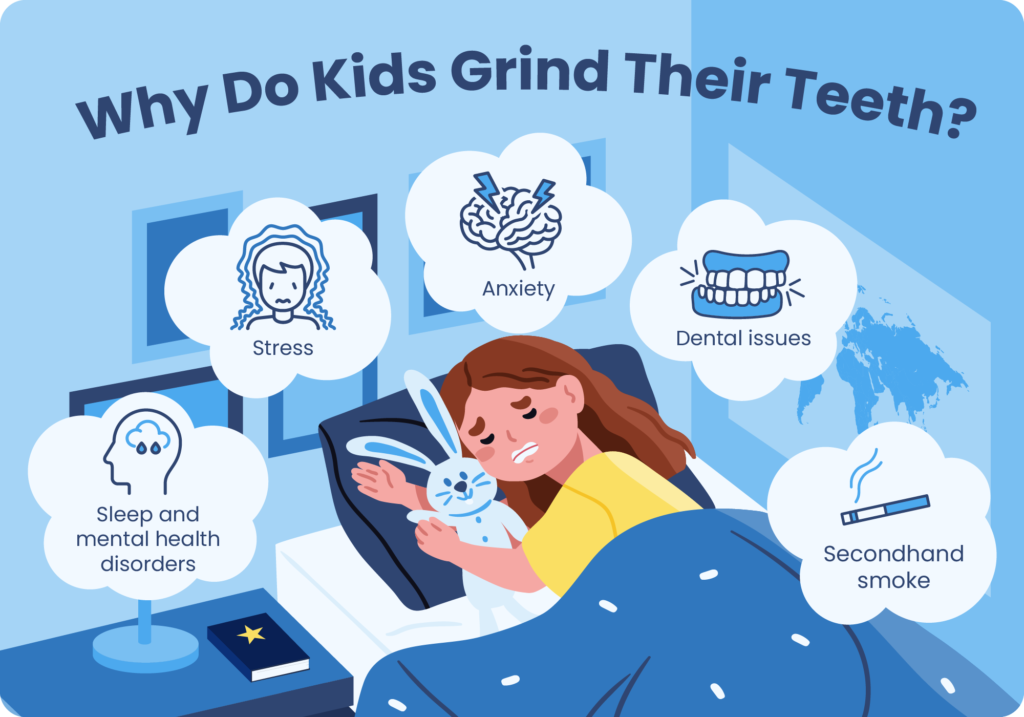
Causes of Bruxism in Children
Stress and Anxiety
Bruxism, or teeth grinding, is often associated with stress and anxiety in children. Just like adults, children may grind their teeth as a way to cope with the pressures and emotions they experience. Common stressful situations for children include starting school, examinations, family issues, and changes in routine. It is important to address and manage these stressors to help alleviate bruxism.
Abnormal Bite or Misaligned Teeth
Another common cause of bruxism in children is an abnormal bite or misaligned teeth. When the upper and lower teeth do not fit together properly, it can lead to grinding and clenching of the teeth. This misalignment can be caused by factors such as thumb sucking, prolonged use of pacifiers, or genetics. Orthodontic evaluation and treatment may be necessary to correct the bite and alleviate bruxism.
Hyperactivity or Behavioral Disorders
Hyperactivity and behavioral disorders, such as attention-deficit/hyperactivity disorder (ADHD), can also contribute to bruxism in children. The restless nature and difficulty in managing impulses associated with these disorders may manifest as teeth grinding during sleep. Managing the underlying behavioral issues and providing behavioral therapy may help reduce bruxism symptoms.
Medications and Medical Conditions
Certain medications, such as those used to treat ADHD or allergies, can have side effects that include teeth grinding. Additionally, certain medical conditions, such as cerebral palsy or epilepsy, may increase the likelihood of bruxism in children. It is important to consult with healthcare professionals to determine if medication adjustments or medical management are necessary to alleviate bruxism symptoms.
Recognizing Bruxism in Children
Visible Signs and Symptoms
Recognizing bruxism in children can be challenging, as it often occurs during sleep. However, there are some visible signs and symptoms that may indicate teeth grinding. These can include worn-down teeth, chipped or fractured teeth, increased tooth sensitivity, and changes in tooth alignment. Regular dental check-ups can help identify these signs of bruxism.
Observing Behavioral Patterns
By observing behavioral patterns, parents and caregivers can also identify potential cases of bruxism. Children who grind their teeth may exhibit signs of discomfort, such as facial pain or headaches, especially upon waking up. They may also display behavioral changes, such as irritability, difficulty concentrating, or a reluctance to participate in activities that require extensive jaw movement.
Parental Reporting and Communication
Parents play a crucial role in recognizing and reporting bruxism in their children. Maintaining open communication with healthcare providers and reporting any observed signs or symptoms can aid in early detection. Keeping a diary of the frequency and intensity of teeth grinding episodes can provide valuable information for healthcare professionals.
Dental Examination
A thorough dental examination, performed by a pediatric dentist, is essential in identifying bruxism in children. The dentist will assess tooth wear, tooth alignment, and any other evident signs of teeth grinding. X-rays may also be taken to evaluate the impact of bruxism on the underlying structures and to rule out any other dental conditions.
Consequences of Bruxism in Children
Tooth Damage and Wear
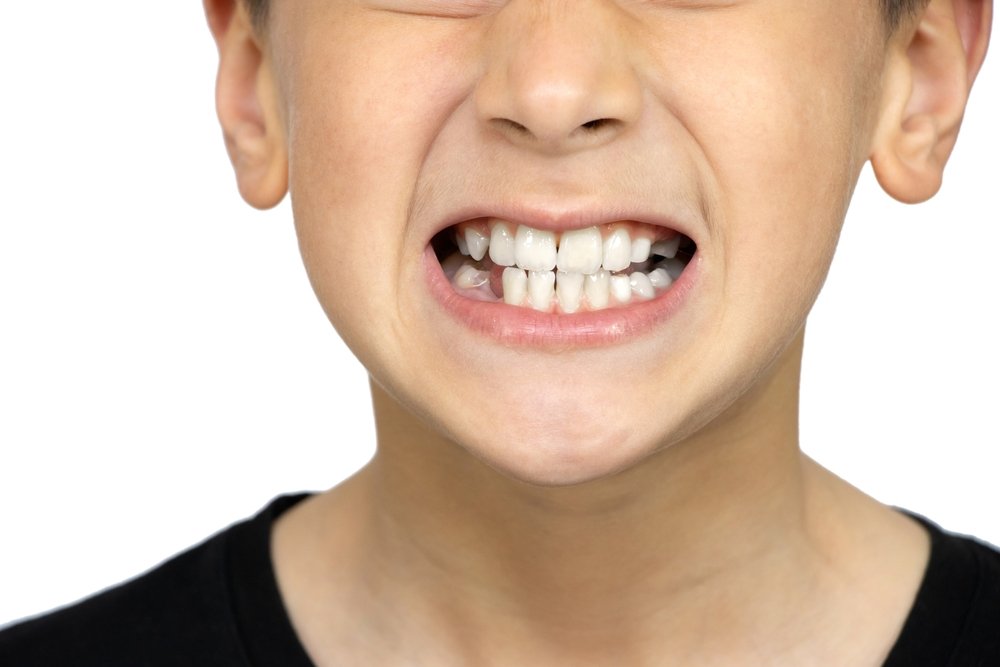
One of the primary consequences of bruxism in children is tooth damage and wear. The excessive grinding and clenching can lead to the wearing down of tooth enamel, resulting in tooth sensitivity and an increased risk of cavities. Additionally, teeth may become chipped, fractured, or even prematurely lost due to the constant pressure and friction.
Jaw Pain and Headaches
Bruxism can cause jaw pain and headaches in children. The continuous grinding of teeth puts strain on the temporomandibular joint (TMJ), which connects the jaw to the skull. This can result in discomfort, popping or clicking sounds when opening the mouth, and difficulty in fully opening the mouth or chewing food. Headaches, particularly in the temples or the back of the head, may also be experienced.
Disturbed Sleep and Fatigue
Teeth grinding during sleep can disrupt a child’s sleep patterns, leading to poor-quality sleep and fatigue. The grinding noises can wake the child or disturb their sleep cycles, resulting in daytime tiredness and decreased concentration. Addressing bruxism is crucial to ensure children are well-rested and able to perform their daily activities optimally.
Effects on Speech and Biting
Prolonged bruxism can impact a child’s ability to speak and bite properly. The constant grinding of teeth can contribute to changes in the position of the jaw, affecting speech clarity and articulation. Additionally, the misalignment of teeth caused by bruxism may compromise biting and chewing efficiency, leading to difficulties in consuming certain foods.
Communication and Collaboration
Parent-Child Interaction
Open and supportive communication between parents and children is essential in addressing bruxism. Encouraging children to express their feelings and providing reassurance can help alleviate stress and anxiety, which are common causes of teeth grinding. Creating a safe environment for children to share their concerns will contribute to their overall well-being.
Teacher or Caregiver Involvement
Teachers and caregivers play an important role in identifying and addressing bruxism in children. They can observe the child’s behavior during the day and report any changes or signs of teeth grinding to parents. Collaborating with educators and caregivers can provide a holistic approach to managing bruxism by addressing potential triggers in different environments.
Collaboration with Pediatric Dentist
Collaboration with a pediatric dentist is crucial in managing bruxism. The dentist can provide recommendations for behavioral and lifestyle strategies, as well as dental interventions, to alleviate the symptoms of teeth grinding. They can also monitor the progress of treatment and make any necessary adjustments based on the child’s response.
Consultation with Healthcare Professionals
In some cases, bruxism may be a symptom of an underlying medical condition or require collaboration with healthcare professionals from other specialties. Consulting with physicians, orthodontists, speech therapists, and psychologists can provide comprehensive care and address the root cause of bruxism.

Behavioral and Lifestyle Strategies
Stress Management and Relaxation Techniques
Teaching children stress management and relaxation techniques can help reduce teeth grinding. Techniques such as deep breathing exercises, visualization, mindfulness, and progressive muscle relaxation can aid in relaxing the jaw muscles and reducing anxiety. Encouraging regular physical activities and promoting hobbies can also help in managing stress levels.
Establishing a Bedtime Routine
A consistent bedtime routine can contribute to a more relaxed sleep environment, reducing the likelihood of teeth grinding during sleep. Establishing a routine that includes calming activities, such as reading or taking a warm bath, can help children unwind before bedtime. Avoiding stimulating activities, such as screen time or vigorous exercise, close to bedtime is also recommended.
Limiting Stimulants and Screen Time
Stimulants like caffeine and sugary foods can contribute to increased anxiety and restlessness, potentially exacerbating bruxism. Limiting the consumption of these substances, especially before bedtime, can help manage symptoms. Additionally, reducing screen time before sleep can aid in promoting better sleep hygiene and reducing anxiety levels.
Encouraging Physical Activities
Engaging in physical activities can help children manage stress, release excess energy, and promote relaxation. Encouraging regular exercise, sports participation, or activities like yoga or martial arts can contribute to overall well-being. Exercise releases endorphins, which are natural mood boosters, and helps reduce anxiety levels.
Dental Interventions
Orthodontic Evaluation and Treatment
If misaligned teeth or an abnormal bite are contributing to bruxism, an orthodontic evaluation may be necessary. Orthodontic treatment, such as braces or retainers, can help correct the alignment of teeth and reduce the grinding behavior. Collaborating with an orthodontist can ensure comprehensive and coordinated care for children with bruxism.
Dental Splints or Mouthguards
Dental splints or mouthguards can be custom-made to fit a child’s mouth and provide a protective barrier between the upper and lower teeth. These devices help cushion the forces generated during teeth grinding, reducing tooth wear and minimizing jaw discomfort. It is important to consult with a pediatric dentist to determine the appropriate type of dental splint or mouthguard for each child.
Tooth Restoration and Reshaping
In cases where tooth damage or wear has occurred, tooth restoration may be necessary. This can involve dental procedures such as dental bonding or crowns to restore damaged teeth to their natural shape and functionality. Tooth reshaping may also be performed to address any misalignments caused by bruxism.
Occlusal Adjustments
Occlusal adjustments involve modifying the biting surfaces of certain teeth to improve their alignment and contact with opposing teeth. This can help distribute the forces exerted during biting and reduce the impact of teeth grinding. Occlusal adjustments are typically performed by a dentist and may be recommended in specific cases.
Addressing Underlying Conditions
Anxiety or Behavioral Disorders
For children with bruxism caused by anxiety or behavioral disorders, it is crucial to address and manage these underlying conditions. Consulting with psychologists or behavioral therapists can provide strategies to help children cope with stress and anxiety in a healthy manner. Therapy and counseling sessions may be beneficial in managing the root cause of bruxism.
Sleep Disorders or Breathing Obstruction
In some cases, bruxism may be a symptom of sleep disorders or breathing obstructions, such as snoring or sleep apnea. Identifying and addressing these conditions with the help of a sleep specialist can contribute to improved sleep quality and a reduction in teeth grinding episodes. The use of continuous positive airway pressure (CPAP) devices or other interventions may be necessary.
Medications and Clinical Management
If bruxism is a side effect of certain medications, collaborating with healthcare professionals can help manage the dosage or explore alternative medications. Clinical management strategies, such as dose adjustments or medication changes, may be necessary to alleviate bruxism symptoms while still addressing the primary medical condition.
Involvement of Specialists and Therapists
In complex cases of bruxism, the involvement of specialists and therapists from various disciplines may be necessary. Collaborating with speech therapists, psychologists, or occupational therapists can help address specific issues related to speech difficulties, behavioral management, or sensory processing disorders that may be contributing to bruxism.
Maintaining Oral Health
Regular Dental Check-ups
Regular dental check-ups are essential in monitoring the progress of bruxism treatment and addressing any dental issues that may arise. Dentists can assess tooth wear, evaluate the effectiveness of treatments, provide oral hygiene instructions, and administer preventive measures to maintain optimal oral health.
Good Oral Hygiene Practices
Maintaining good oral hygiene practices is important for children with bruxism. Regular brushing with fluoride toothpaste, flossing, and using mouth rinses can help prevent cavities and maintain healthy teeth and gums. Parents should supervise and assist young children with their oral hygiene routine to ensure proper cleaning.
Dietary Considerations
Dietary considerations can play a role in managing bruxism. Encouraging a balanced diet that is rich in nutrients, especially calcium and vitamin D for strong teeth and bones, can contribute to oral health. Limiting sugary snacks and drinks can also help prevent tooth decay and reduce the risk of exacerbating teeth grinding.
Preventing Secondary Complications
Addressing and managing bruxism in children can help prevent secondary complications. By managing teeth grinding, the risk of dental issues, such as cavities, tooth sensitivity, and tooth loss, can be minimized. Furthermore, addressing and resolving the underlying causes of bruxism can lead to overall improvement in the child’s health and well-being.
Monitoring and Follow-up
Track Progress and Frequency
Tracking the progress and frequency of bruxism episodes is important to evaluate the effectiveness of treatment approaches. Parents and caregivers can maintain a diary or use specific apps designed to monitor teeth grinding episodes. This information can be valuable in determining whether modifications to treatment approaches are necessary.
Reevaluation and Dental Monitoring
Regular reevaluations with a pediatric dentist are important to monitor the child’s dental health and the effectiveness of treatment. Dentists can assess any changes in tooth wear, evaluate the stability of dental interventions, and make adjustments as needed. Dental monitoring ensures that the child’s oral health is maintained and any necessary modifications can be made.
Modifying Treatment Approaches
Based on the tracking and evaluation of bruxism episodes, treatment approaches may need modification. This can include adjusting the use or type of dental splints or mouthguards, modifying behavioral strategies, or exploring additional interventions in collaboration with healthcare professionals. The goal is to provide the most effective and personalized treatment for each child.
Continued Communication with Healthcare Providers
Continued communication with healthcare providers is essential in ensuring comprehensive care for children with bruxism. Parents should communicate any changes or concerns to their child’s healthcare team and actively participate in discussions regarding treatment progress. Collaboration and regular updates between parents, caregivers, dentists, and any other involved specialists can contribute to the successful management of bruxism.
Conclusion
The Importance of Early Recognition and Intervention
Early recognition and intervention are crucial in addressing bruxism in children. Identifying the causes, recognizing the signs and symptoms, and seeking appropriate treatment can help prevent further complications and improve the child’s well-being. By addressing bruxism at an early stage, the child’s oral health and overall quality of life can be significantly improved.
Promoting Overall Health and Well-being
Addressing bruxism goes beyond dental health – it contributes to the overall health and well-being of children. By managing stress and anxiety, promoting healthy sleep patterns, and addressing underlying conditions, children can experience better sleep quality, reduced pain and discomfort, and improved daily functioning. A holistic approach to bruxism management ensures that every aspect of the child’s health is considered.
Educating Parents and Caregivers
Educating parents and caregivers about bruxism is paramount to early recognition and intervention. Informing them about the causes, signs, and consequences of teeth grinding enables them to detect and seek help for their children promptly. By providing resources, guidance, and support, parents and caregivers can contribute to the successful management of bruxism in children.