
You’re facing a surgery, and the thought of losing something as precious as your hearing is a significant concern. It’s completely natural to worry about the potential side effects of medical procedures, especially those as intricate as surgery. But here’s a piece of information that might offer some comfort: hearing preservation during surgery is not just a hope; it’s often a tangible reality, actively pursued by surgeons and supported by advancements in medical technology and practice. As the Listicle Content Architect, your job is to break down complex topics into accessible, informative, and reassuring content. This listicle aims to do just that, demystifying the process and empowering you with knowledge about how your hearing can be safeguarded.
When undergoing surgery, your body is subjected to a variety of stresses. Understanding these potential vulnerabilities is the first step in appreciating the importance of hearing preservation strategies. The ear, with its delicate structures, is particularly susceptible to certain influences during surgical interventions.
a. Proximity to Sensitive Structures
- The auditory system, encompassing the outer, middle, and inner ear, is a marvel of biological engineering. Its intricate network of bones, nerves, and fluid-filled cavities is remarkably compact. This means that surgical sites located near the ear, even if not directly involving it, can inadvertently affect its function. Think about surgeries in the head and neck region. Even procedures on the brain or facial bones require a nuanced approach to avoid impinging on the delicate auditory pathways.
b. Anesthesia and Ototoxicity
- Certain anesthetic agents, while crucial for pain management and patient safety, can sometimes have a negative impact on hearing. This is often a dose-dependent effect and typically reversible. However, the long-term consequences are carefully monitored. Additionally, some medications used in surgical settings, particularly antibiotics, can be ototoxic, meaning they have the potential to damage the ear. Understanding which medications carry this risk and implementing monitoring protocols are key.
c. Mechanical Trauma and Pressure Changes
- Direct manipulation of tissues during surgery can, of course, lead to mechanical trauma. While surgeons are highly trained to be precise, the delicate nature of the ear’s components means even slight unintended pressure or contact can lead to temporary or, in rare cases, permanent hearing loss. Moreover, fluctuations in blood pressure and oxygen levels during surgery, if not managed carefully, can also impact the delicate blood supply to the inner ear, which is vital for its function.
d. Inflammation and Swelling
- Any surgical intervention inevitably triggers an inflammatory response. While this is a natural part of the healing process, excessive swelling around the ear or auditory nerves could potentially compress these structures, leading to temporary hearing impairment. Strategies to manage post-operative inflammation are therefore crucial for hearing preservation.
2. Surgical Techniques Designed for Hearing Protection
The evolution of surgical techniques has placed a significant emphasis on minimizing collateral damage to sensitive structures, including the auditory system. When you’re considering a procedure, it’s important to know that your surgeon is likely employing methods specifically designed to keep your hearing intact.
a. Minimally Invasive Approaches
- The drive towards minimally invasive surgery has been transformative across many medical fields. For ear-related surgeries or those in close proximity, this translates to utilizing smaller incisions, endoscopes, or specialized instruments that require less tissue disruption. This reduced invasiveness directly translates to a lower risk of damaging the delicate structures of the ear. Instead of larger incisions that might require more extensive manipulation, these techniques allow for more precise access and control.
b. Microsurgery and Specialized Instruments
- Within the realm of ear surgery itself, microsurgery is the gold standard. This involves using powerful microscopes to magnify the surgical field, allowing surgeons to work with incredible precision. In conjunction with microsurgery, a vast array of specialized microsurgical instruments have been developed. These instruments are designed to access, manipulate, and repair the tiniest structures within the ear, from the eardrum to the ossicles (the small bones in the middle ear) and the cochlea.
c. Nerve Monitoring Technologies
- This is a critical advancement. During surgeries that involve nerves pertinent to hearing or balance, intraoperative nerve monitoring is frequently employed. This sophisticated technology uses electrical signals to assess the function of particular nerves in real-time as the surgery progresses. If the monitoring indicates any compromise to the nerve’s activity, the surgical team can immediately adjust their approach, thereby preventing irreversible damage.
d. Neurophysiological Monitoring
- Beyond direct nerve monitoring, broader neurophysiological monitoring can be used. This might involve techniques like brainstem auditory evoked response (BAER) testing, which measures the electrical activity in the auditory pathway in response to sound stimuli. Changes detected during surgery can alert the surgical team to potential issues affecting hearing.
e. Endoscopic Techniques
- Endoscopic surgery, particularly for certain ear and skull base procedures, offers a less invasive alternative. A small, flexible tube with a camera (an endoscope) is inserted through a tiny incision, providing a clear view of the surgical area. This allows for procedures to be performed with minimal disruption to surrounding tissues, including those critical for hearing.
3. The Crucial Role of Pre-Operative Assessments and Planning
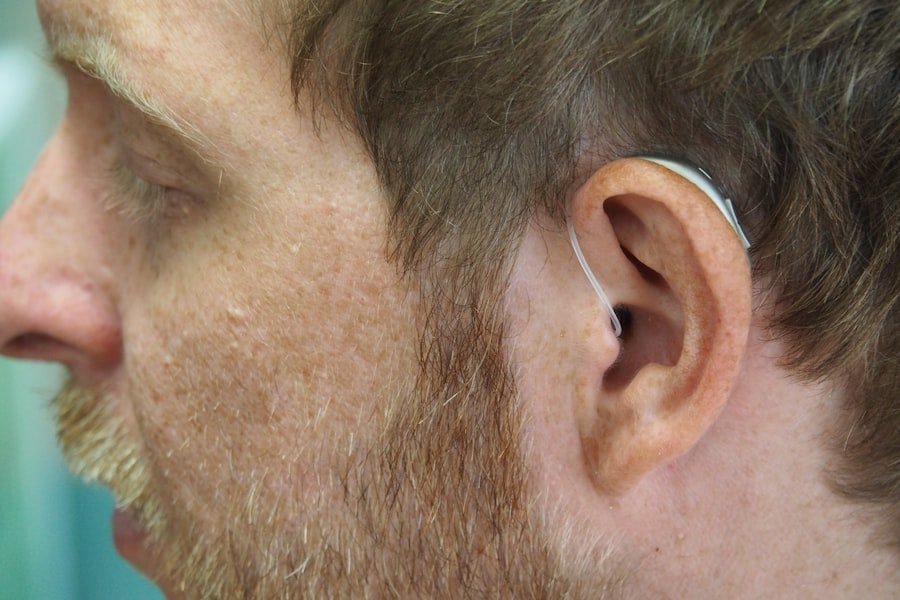
Effective hearing preservation doesn’t begin in the operating room; it starts well before the first incision is made. Comprehensive pre-operative assessments and meticulous planning are the bedrock upon which successful hearing protection is built. This proactive approach allows for a deep understanding of your individual hearing status and potential risks.
a. Baseline Hearing Evaluation
- Before any surgery that could potentially affect hearing, a thorough audiological assessment is paramount. This involves a detailed evaluation of your hearing across various frequencies. This baseline provides a clear picture of your pre-existing hearing ability. This is not just a formality; it’s a critical reference point. If any changes occur post-operatively, this baseline allows for accurate comparison and diagnosis.
b. Identifying Pre-existing Hearing Conditions
- If you have any pre-existing hearing loss, tinnitus, or balance issues, these conditions need to be thoroughly documented. Understanding these existing vulnerabilities is crucial for tailoring the surgical plan and post-operative care to minimize exacerbation. Your surgeon will want to know if you already have a mild hearing impairment, as this might influence certain surgical decisions.
c. Advanced Imaging Techniques
- Detailed imaging is essential for understanding the anatomy of the surgical area and its relationship to the auditory structures. High-resolution CT scans and MRI scans can provide invaluable insights into the size and location of the tumor or pathology, as well as the precise positioning of the inner ear, auditory nerve, and other critical structures. This detailed anatomical map guides the surgical approach.
d. Multidisciplinary Team Collaboration
- For complex surgeries, especially those involving the skull base or brain, a collaborative approach involving multiple specialists is often the norm. This team might include neurosurgeons, otolaryngologists (ENT surgeons), neurotologists (ear specialists), audiologists, and anesthesiologists. Regular communication and joint planning among these experts ensure that all aspects of patient safety, including hearing preservation, are considered from every angle.
e. Informed Consent and Risk Discussion
- A clear and comprehensive discussion about the potential risks and benefits of the surgery, including the specific risk to hearing, is a vital part of the pre-operative process. You should feel comfortable asking questions and understanding the likelihood of hearing preservation or potential hearing loss. This shared understanding empowers you to make informed decisions.
4. Intra-operative Strategies for Safeguarding Hearing
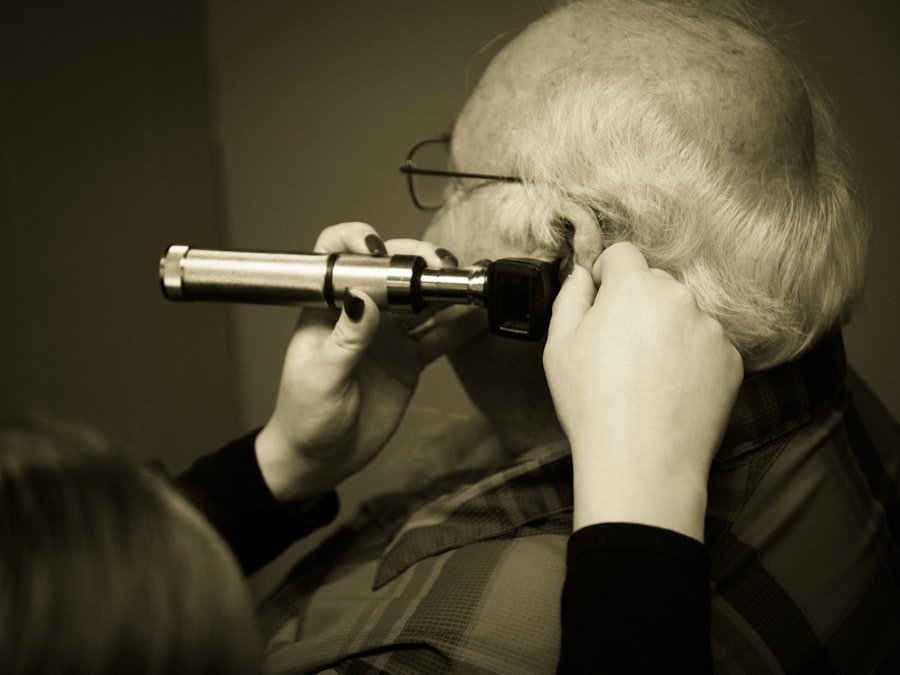
Once you’re in the operating room, a sophisticated array of strategies is put into action to actively protect your hearing during the procedure itself. These are not passive measures; they are deliberate interventions designed to minimize any potential iatrogenic (medically caused) damage.
a. Meticulous Surgical Dissection
| Procedure | Hearing Preservation Rate | Success Rate |
|---|---|---|
| Cochlear Implant Surgery | Up to 80% | High |
| Acoustic Neuroma Surgery | Varies | Depends on tumor size |
| Otosclerosis Surgery | Varies | Depends on individual case |
- The surgeon’s skill and precision are, of course, paramount. Meticulous dissection means carefully separating tissues layer by layer, avoiding any unnecessary pulling, stretching, or cutting of structures that could affect hearing. This requires a deep understanding of anatomy and extreme dexterity. Surgeons are trained to identify and protect the delicate nerves and blood vessels that supply the ear.
b. Careful Management of Blood Pressure and Oxygenation
- Maintaining stable physiological parameters is crucial. The inner ear is highly sensitive to fluctuations in blood flow and oxygen supply. The anesthesiology team plays a vital role in ensuring that your blood pressure and oxygen saturation levels remain within optimal ranges throughout the surgery. Any significant dips or spikes could compromise the delicate inner ear microvasculature.
c. Use of Specialized Ear Protection Devices
- In certain types of surgery, particularly those involving the mastoid bone (located behind the ear) or the middle ear, specialized protective devices might be employed. These can range from packing the ear canal with protective materials to using surgical drapes that create a barrier to prevent the ingress of irrigating fluids or debris.
d. Intraoperative Audiological Monitoring
- As mentioned earlier, real-time intraoperative audiological monitoring (e.g., BAER testing) provides continuous feedback to the surgical team. This allows them to detect any subtle changes in auditory pathway function as the surgery progresses, enabling them to make immediate adjustments to their technique.
e. Temperature Regulation
- While not always a primary concern for hearing, maintaining a stable body temperature during surgery is important for overall physiological well-being. Extreme temperature fluctuations can stress the body and potentially impact delicate systems, including those related to hearing.
f. Gentle Irrigation Techniques
- When fluids are used during surgery for flushing or cooling, they are done so with extreme care. The pressure and temperature of the irrigation fluid are carefully controlled to avoid any excessive pressure buildup that could damage the middle or inner ear structures.
5. Post-Operative Care and Long-Term Hearing Health
The commitment to your hearing’s well-being doesn’t end when you leave the operating room. Post-operative care and ongoing monitoring are integral to ensuring that any potential issues are identified and managed effectively, contributing to your long-term hearing health.
a. Immediate Post-Operative Monitoring
- Following surgery, your hearing will be closely monitored. This might involve simple observation for any signs of distress or discomfort, as well as more specific audiological checks if indicated by the type of surgery. Any initial changes will be noted and assessed.
b. Scheduled Audiological Follow-Up
- Regular follow-up appointments with an audiologist are crucial. These appointments allow for a comprehensive evaluation of your hearing at various intervals post-surgery. This helps to detect any delayed onset of hearing loss or changes that might emerge as swelling subsides or healing progresses.
c. Pain and Swelling Management
- Effective management of post-operative pain and swelling is not only about comfort but also about hearing preservation. Medications to reduce inflammation can alleviate pressure on delicate auditory structures. Surgeons will provide specific instructions on managing pain and any accompanying swelling.
d. Rehabilitation and Hearing Aids
- In the rare event that some hearing loss does occur, various rehabilitation strategies are available. This can include speech therapy, auditory training, and, if necessary, fitting with hearing aids. The goal is always to maximize your ability to communicate and engage with the world around you, regardless of any post-operative changes.
e. Lifestyle Modifications and Prevention
- For long-term hearing health, adopting certain lifestyle habits can be beneficial. This includes protecting your ears from loud noises, managing underlying health conditions that can impact hearing (like diabetes or hypertension), and avoiding ototoxic substances. Your healthcare team can provide personalized advice on these preventative measures.
f. Open Communication with Your Healthcare Team
- Never hesitate to communicate any concerns you have about your hearing to your doctor or audiologist. Early detection and intervention are key to managing any potential hearing issues effectively. Your ongoing feedback is invaluable in ensuring your continued auditory well-being.
By understanding these various facets of hearing preservation – from the inherent vulnerabilities of the ear and the sophisticated techniques employed by surgeons to the critical importance of pre- and post-operative care – you can approach your surgical journey with greater knowledge and even a degree of confidence. Your hearing is a precious sense, and modern medicine is dedicated to safeguarding it every step of the way.
FAQs
1. What is the risk of hearing loss during surgery?
There is a risk of hearing loss during surgery, particularly if the surgery involves the ear or the use of certain medications that can affect hearing.
2. Can hearing be preserved during surgery?
Yes, hearing can be preserved during surgery through various measures such as using specialized monitoring equipment, minimizing exposure to ototoxic medications, and employing surgical techniques that minimize trauma to the ear.
3. What are some common causes of hearing loss during surgery?
Common causes of hearing loss during surgery include damage to the delicate structures of the inner ear, exposure to ototoxic medications, and complications from anesthesia.
4. How can surgeons minimize the risk of hearing loss during surgery?
Surgeons can minimize the risk of hearing loss during surgery by carefully monitoring the patient’s hearing throughout the procedure, using alternative medications that are less likely to affect hearing, and employing minimally invasive surgical techniques.
5. Are there specific types of surgeries that pose a higher risk to hearing?
Surgeries involving the ear, brain, or head and neck region pose a higher risk to hearing due to the proximity of delicate auditory structures. Additionally, surgeries that require the use of ototoxic medications or prolonged exposure to anesthesia may also pose a higher risk to hearing.