
We all want clear and blemish-free skin, but could our skincare routine be doing more harm than good? In this article, we explore the question: Can overwashing cause acne? It’s a common concern, especially for those with oily or acne-prone skin. We’ll delve into the effects of overwashing, discuss the importance of finding the right balance, and provide helpful tips to keep your complexion looking its best. So sit back, relax, and let us guide you through the maze of skincare myths and truths.

What is acne?
Acne is a common skin condition that affects people of all ages. It occurs when hair follicles become clogged with oil, dead skin cells, and bacteria. This leads to the formation of pimples, blackheads, whiteheads, and even cysts. Acne usually appears on the face, back, chest, and shoulders, and can vary in severity from mild to severe.
Definition of acne
Acne is classified as a chronic inflammatory skin condition. It is characterized by the presence of various types of lesions, including comedones (clogged hair follicles), papules (small red bumps), pustules (pimples filled with pus), nodules (large, painful lumps beneath the skin), and cysts (deep, painful pus-filled pimples). These lesions can cause physical discomfort, emotional distress, and even scarring if not properly managed.
Causes of acne
Acne is a multifactorial condition, meaning that it has several contributing factors. The primary cause of acne is an increase in sebum production, the oily substance that helps lubricate and protect the skin. Hormonal changes during puberty, pregnancy, or hormonal imbalances can stimulate excess sebum production, leading to acne breakouts. Other factors such as genetics, certain medications, and exposure to certain environmental factors can also play a role.
Symptoms of acne
The symptoms of acne can vary depending on the severity of the condition. Common symptoms include the presence of pimples, blackheads, whiteheads, and red, inflamed skin. Acne lesions can be painful, itchy, and tender to the touch. In some cases, acne can cause scarring, which can have long-term effects on a person’s self-esteem and confidence. It is important to identify and address the symptoms of acne early on to prevent exacerbation and minimize potential scarring.
The importance of proper skincare
Maintaining a proper skincare routine is crucial for keeping your skin healthy and preventing acne breakouts. Consistently following a skincare regimen can help regulate sebum production, keep the skin clean, and promote a balanced skin microbiome.
Cleansing and its role in skincare
Cleansing is a fundamental step in any skincare routine. It helps remove dirt, excess oil, bacteria, and environmental pollutants that accumulate on the skin’s surface throughout the day. Regular cleansing can help prevent clogged pores and reduce the risk of acne breakouts. It is important to choose gentle cleansers specifically formulated for your skin type to avoid stripping the skin of its natural oils.
Effects of overwashing
While cleansing is essential, overwashing can have detrimental effects on the skin. Excessive cleansing can disrupt the skin’s natural protective barrier and strip away the natural oils that keep the skin moisturized and healthy. This can lead to increased sebum production as the skin tries to compensate for the loss of moisture, potentially exacerbating acne breakouts.
Impact of excessive cleansing on the skin’s natural balance
Overwashing can disturb the skin’s natural balance, resulting in dryness, sensitivity, and irritation. The skin’s natural pH level can also be disrupted, leading to an environment more favorable for the growth of acne-causing bacteria. Additionally, excessive cleansing can cause the skin to become more vulnerable to external aggressors, such as UV rays and pollution, further compromising its health.
Understanding the relationship between overwashing and acne
Excessive cleansing can contribute to the development and worsening of acne in several ways. Understanding these mechanisms can help you recognize the signs of overwashing and take appropriate action.
Effects of excess sebum production
When the skin’s natural oils are stripped away through overwashing, the body responds by producing more sebum to compensate. This excess sebum can further clog the hair follicles, leading to the formation of acne lesions. By maintaining a balanced cleansing routine, you can avoid triggering excessive sebum production and help prevent acne breakouts.
Disruption of the skin’s microbiome
The skin has a delicate ecosystem of beneficial bacteria known as the skin microbiome. This microbiome plays a crucial role in maintaining healthy skin by protecting it from harmful microorganisms and regulating immune responses. Excessive cleansing can disrupt this delicate balance, potentially allowing acne-causing bacteria to thrive and trigger inflammation.
Inflammation and irritation
Overwashing can cause inflammation and irritation, making the skin more prone to breakouts. When the skin is stripped of its natural protective oils, it becomes more vulnerable to external irritants and allergens, leading to redness, itching, and discomfort. This inflammation can worsen existing acne or contribute to the development of new breakouts.
Potential link between overwashing and acne
Although overwashing alone may not directly cause acne, it can contribute to its development and exacerbation. By disrupting the skin’s natural balance, overwashing can result in increased sebum production, the disruption of the skin’s microbiome, and inflammation – all factors that can contribute to the formation of acne lesions. Maintaining a balanced skincare routine is key to preventing these undesirable effects.
Identifying signs of overwashing
It is essential to be aware of the signs that indicate you may be overwashing your skin. Recognizing these signs can help you adjust your skincare routine as needed to prevent further damage.
Dry and tight skin
If your skin feels excessively dry and tight after cleansing, it may be a sign that you are overwashing. This can indicate that you are stripping away essential oils, leading to dryness and potential skin barrier damage. Adjusting your cleansing frequency and using gentle products can help restore hydration and maintain the skin’s natural balance.
Increased oiliness
Paradoxically, overwashing can also lead to increased oiliness in the skin. When the skin is stripped of its natural oils, it can trigger a rebound effect in which the sebaceous glands produce more sebum to compensate. This excess oil can contribute to clogged pores and acne breakouts. If you notice an increase in oiliness, consider reducing the frequency of cleansing and using gentle, non-stripping cleansers.
Skin redness and irritation
Overwashing can cause redness, irritation, and sensitivity in the skin. When the skin’s protective barrier is compromised, it becomes more susceptible to external irritants, allergens, and environmental factors. If your skin appears red, inflamed, or feels sensitive, it may be a sign that you are overwashing. Adjusting your skincare routine and choosing products that are gentle and calming can help alleviate these symptoms.
Breakouts and acne flare-ups
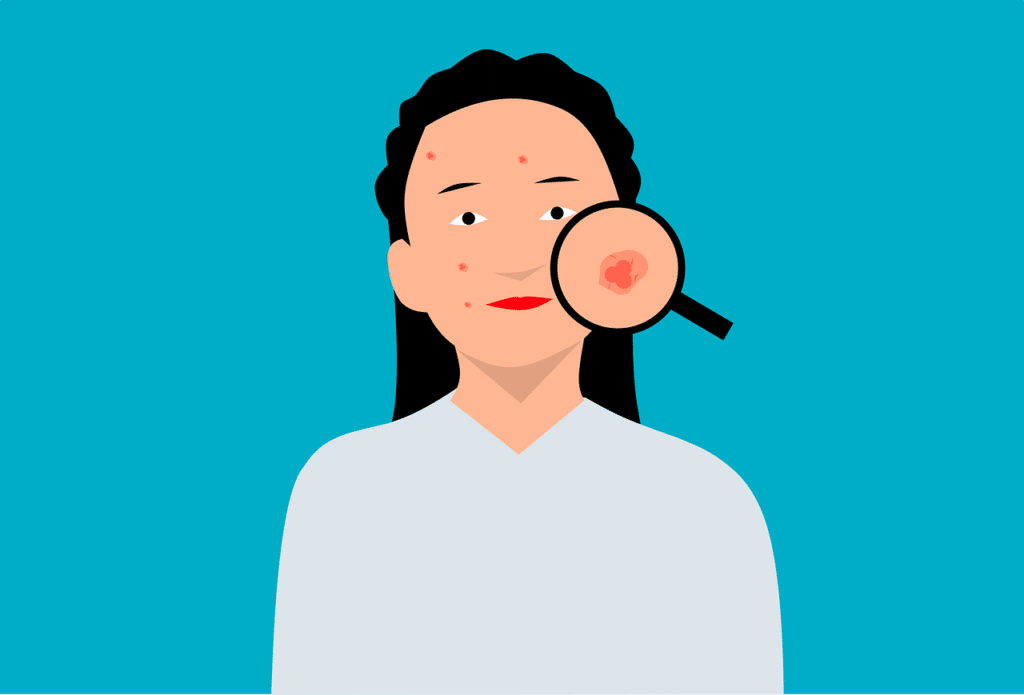
One of the most prominent signs of overwashing is an increase in acne breakouts or the worsening of existing acne. When the skin’s natural balance is disrupted, it can trigger inflammation, clog pores, and contribute to bacterial growth, leading to breakouts. If you notice an increase in acne flare-ups, it is essential to reevaluate your skincare routine and make appropriate changes to prevent further damage.
The importance of using suitable products
Choosing suitable skincare products is crucial for maintaining a balanced skincare routine that promotes healthy skin and helps prevent acne breakouts. Consider the following factors when selecting products for your skincare routine.
Choosing gentle cleansers
Opt for gentle cleansers specifically formulated for your skin type. Look for cleansers that are free of harsh chemicals, fragrances, and abrasive ingredients. A gentle cleanser with a mild foaming formula can effectively remove impurities without stripping the skin’s natural oils.
Avoiding harsh and drying ingredients
Be cautious of products containing harsh or drying ingredients, such as alcohol, sulfates, and strong exfoliants. These can disrupt the skin’s natural barrier and cause dryness, sensitivity, and inflammation. Instead, choose products with soothing and hydrating ingredients, such as aloe vera, chamomile, and hyaluronic acid.
Considering pH-balanced skincare products
The skin’s natural pH is slightly acidic, typically ranging from 4.5 to 5.5. Using pH-balanced skincare products helps maintain this delicate balance and supports the skin’s protective barrier function. Look for products labeled as pH-balanced or with a pH level close to that of the skin to promote a healthy environment for the skin.
Using non-comedogenic products
For those prone to acne, using non-comedogenic products is essential. Non-comedogenic products are formulated to not clog pores, reducing the likelihood of acne breakouts. These products are designed to allow the skin to breathe and maintain proper airflow, preventing the accumulation of oil and dead skin cells that can lead to clogged pores.
Seeking professional advice
If you are unsure about which skincare products are suitable for your skin type or if you are struggling with persistent acne, it is always advisable to seek professional advice. Dermatologists and skincare specialists can provide personalized recommendations based on your specific skin needs and help you establish an effective skincare routine.
Establishing a balanced skincare routine
Adopting a balanced skincare routine is key to maintaining healthy skin and preventing acne breakouts. Consider the following factors when establishing your skincare routine.
Determining your skin type
Understanding your skin type is crucial for selecting appropriate skincare products and determining the frequency of cleansing. Take note of whether your skin is dry, oily, combination, or sensitive, as this will guide you in choosing the right products and adjusting your routine accordingly.
Frequency of cleansing
Finding the right balance in how often you cleanse your skin is essential. While it is important to remove dirt and impurities, overdoing it can disrupt the skin’s natural balance. Generally, cleansing your skin once or twice a day is sufficient. If you have dry or sensitive skin, you may opt for cleansing once a day, while those with oily or acne-prone skin may benefit from cleansing twice a day.
Additional skincare steps
In addition to cleansing, incorporating other steps into your skincare routine can further enhance the health of your skin. This may include using toners, exfoliants, serums, moisturizers, and sunscreen. However, it is important to choose products that are suitable for your skin type and that do not overburden or irritate the skin.
Adopting a cautious approach
When introducing new products or making changes to your skincare routine, it is important to adopt a cautious approach. Start by incorporating products gradually and observe how your skin reacts. If any adverse effects occur, such as increased dryness, irritation, or breakouts, discontinue use and consult a professional if necessary.

Treating and preventing acne
While establishing a balanced skincare routine can help prevent acne breakouts, it is important to address existing acne and take additional measures to control and manage the condition effectively.
Adopting a consistent skincare routine
Consistency is key when it comes to managing acne. Stick to your skincare routine consistently and give it time to work. Avoid switching products too frequently, as this can disrupt the skin’s natural balance and potentially worsen acne breakouts. If you are using acne-fighting products, follow the instructions provided and be patient as results may take time.
Seeking professional treatment options
For persistent or severe acne, it may be necessary to seek professional treatment options. Dermatologists can provide various treatments tailored to your specific needs, such as topical medications, oral medications, or in-office procedures like chemical peels or laser therapy. These treatments can help control acne, reduce inflammation, and prevent scarring.
Avoiding touching and picking at the skin
Touching and picking at acne lesions can worsen inflammation, introduce bacteria, and increase the risk of scarring. It is important to resist the temptation to squeeze or pop pimples. Instead, consult a professional for appropriate treatment options or consider using spot treatments designed to reduce inflammation and promote healing.
Maintaining a healthy lifestyle
While skincare plays a significant role in managing acne, maintaining a healthy lifestyle is equally important. Factors such as diet, stress, and sleep can influence acne breakouts. Aim for a well-balanced diet rich in fruits, vegetables, and whole grains, manage stress through relaxation techniques or exercise, and ensure an adequate amount of quality sleep. These lifestyle choices can contribute to overall skin health and may help minimize acne breakouts.
Conclusion
Maintaining a balanced skincare routine is essential for healthy, acne-free skin. Overwashing can disrupt the skin’s natural balance, leading to increased sebum production, the disruption of the skin’s microbiome, inflammation, and potential acne breakouts. By recognizing the signs of overwashing and utilizing suitable skincare products, you can prevent these effects and maintain healthy, clear skin. Establishing a balanced skincare routine that considers your skin type, frequency of cleansing, and additional skincare steps can further enhance your skin’s health. Treating and preventing acne involves adopting a consistent skincare routine, seeking professional treatment if necessary, avoiding picking at the skin, and maintaining a healthy lifestyle. By following these guidelines, you can help manage acne effectively and promote a clearer, smoother complexion.
