
Are you feeling stressed and anxious lately? If so, you may be wondering if these negative emotions are having any impact on your sex drive. In this article, we’ll explore the connection between stress, anxiety, and libido. You’ll discover how your mental state can affect your desire for intimacy and find helpful tips to overcome any challenges you may be facing. So, sit back, relax, and let’s unravel the mysteries of stress and anxiety’s influence on your libido.
Can Stress and Anxiety Affect Libido?
When it comes to personal well-being, there are various factors that can influence our overall health and happiness. One important aspect of our well-being is our libido, which refers to our sexual desire and drive. While libido can be influenced by a range of factors, stress and anxiety are two significant factors that can impact our libido in various ways. In this comprehensive article, we will explore the relationship between stress, anxiety, and libido, and discuss ways to improve libido amidst these challenges.

Understanding Libido and Its Importance
Before delving into the ways in which stress and anxiety can affect our libido, it’s important to understand what libido is and why it is important. Libido refers to a person’s overall sexual desire and drive. It is a natural and healthy part of human sexuality, contributing to our physical and emotional well-being. Having a healthy libido can enhance our relationships, boost self-confidence, and promote a satisfying and fulfilling sex life.
The Relationship Between Stress and Libido
Stress is a common experience that most individuals face at some point in their lives. While a certain level of stress can be normal and even helpful in motivating us, chronic or excessive stress can have a negative impact on various aspects of our health, including our libido. When we experience stress, our body produces cortisol, a hormone that can suppress various physiological functions, including our sexual desire and arousal.
Additionally, stress can lead to physical and emotional exhaustion, making it difficult to focus on maintaining a healthy libido. The constant presence of stress can also create a mental preoccupation that can interfere with sexual thoughts and fantasies. Therefore, it’s important to recognize and address stress in order to prevent its negative impact on libido.

The Role of Anxiety in Libido
Anxiety, like stress, is a common experience that many individuals face. While stress is typically a reaction to external pressures or demands, anxiety often stems from internal worries and overthinking. Anxiety can manifest in various ways, such as generalized anxiety disorder, social anxiety, or performance anxiety. These different forms of anxiety can affect libido in different ways.
In some cases, anxiety can cause a decrease in libido due to constant worry, fear, or apprehension. It can make it difficult to relax and enjoy intimate moments. On the other hand, anxiety can also lead to an increase in libido for some individuals, as a way to distract themselves from their anxious thoughts. However, this increase in libido may not necessarily translate into a satisfying sexual experience, as anxiety can also lead to sexual performance issues.
Psychological Factors Influencing Libido
Stress-induced psychological factors can significantly impact libido. When stress becomes chronic, it can contribute to the development of psychological conditions like depression or burnout, which can both have a negative effect on libido. Feelings of sadness, hopelessness, or loss of interest can make it difficult to feel sexual desire or engage in sexual activities.
Anxiety-related psychological factors can also influence libido. Performance anxiety, for example, can create a fear of sexual failure, leading to a decrease in libido. Likewise, anxiety disorders can lead to feelings of self-consciousness, low self-esteem, and a lack of sexual confidence, all of which can hinder sexual desire and performance.
The interplay between stress, anxiety, and libido is complex and multifaceted. Stress and anxiety can often feed into each other, exacerbating their impact on libido. It is crucial to recognize and address both stress and anxiety in order to maintain a healthy and fulfilling sex life.
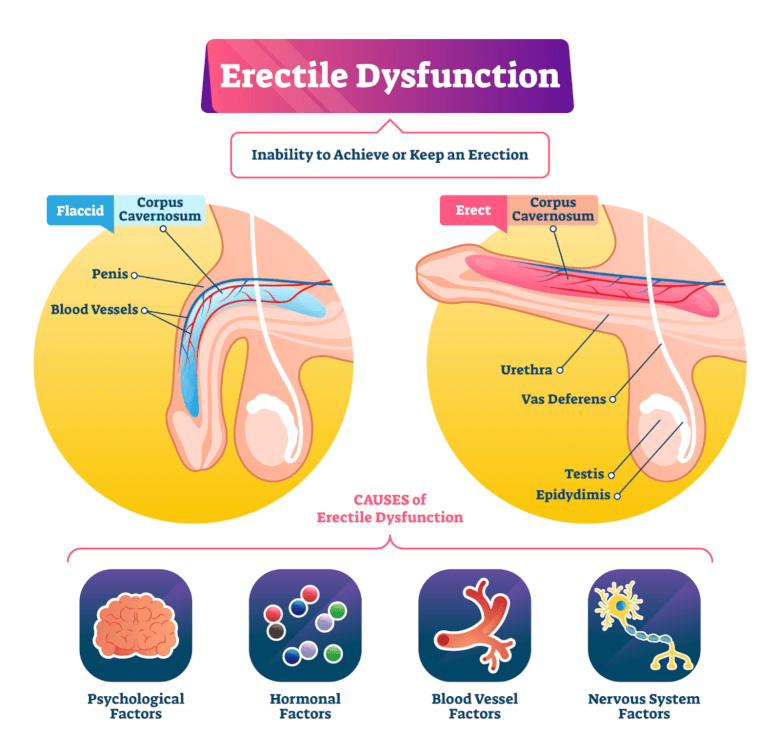
Hormonal Factors and Libido
Hormones play a significant role in regulating libido and sexual function. Various hormones, such as testosterone, estrogen, and progesterone, influence our sexual desire and the physiological responses involved in sexual activity. Stress can disrupt the delicate balance of these hormones, leading to changes in libido.
During periods of stress, the body produces higher levels of cortisol, which can interfere with the normal production and regulation of sex hormones. For example, chronic stress can lead to a decrease in testosterone levels, which can lead to a decrease in libido. Additionally, stress can disrupt the menstrual cycle in women, affecting hormonal fluctuations that may impact sexual desire.
Hormonal imbalances caused by stress can have a direct impact on libido, and addressing stress levels is crucial for maintaining healthy hormone levels and a vibrant sex life.
Physical Manifestations of Stress and Anxiety on Libido
Stress and anxiety can manifest in various physical ways that directly impact libido. The effects of stress on sexual desire and arousal can vary between individuals. Some people may experience a decrease in sexual desire or difficulties in getting aroused, while others may find that stress increases their sexual desire as a way to cope with stress. However, stress can also lead to difficulties in reaching orgasm or experiencing satisfaction during sexual activity.
Anxiety, on the other hand, can interfere with sexual performance by causing physical symptoms such as rapid heartbeat, shallow breathing, and muscle tension. These physical manifestations of anxiety can make it difficult to relax and enjoy sexual experiences, leading to difficulties in achieving or maintaining an erection, lubrication, or experiencing pleasurable sensations.
It’s important to note that the physical symptoms of stress and anxiety can vary greatly between individuals. However, when these symptoms persist and negatively impact sexual desire or performance, it may be necessary to explore ways to manage stress and anxiety effectively.

Coping Mechanisms for Managing Stress and Anxiety
Managing stress and anxiety is vital for overall well-being and can greatly impact libido. By incorporating various coping mechanisms into your daily routine, you can create a stress-free environment, implement relaxation techniques, and seek psychological support for anxiety management.
Creating a stress-free environment involves identifying and reducing sources of stress in your life. This may involve setting boundaries, practicing time management, and prioritizing self-care activities that promote relaxation and rejuvenation. Creating a peaceful space at home, practicing mindfulness or meditation, and engaging in hobbies or activities that bring you joy can all contribute to reducing stress levels and enhancing libido.
Implementing relaxation techniques can help manage both stress and anxiety. Techniques such as deep breathing exercises, progressive muscle relaxation, yoga, or taking a warm bath can promote relaxation and reduce physical symptoms of stress and anxiety. Experimenting with different techniques and finding what works best for you can be beneficial in managing stress and anxiety levels.
Seeking psychological support can be beneficial for those struggling with chronic stress or anxiety. Therapy, such as cognitive-behavioral therapy, can help individuals identify and change thought patterns and behaviors contributing to stress and anxiety. It can also provide individuals with effective coping strategies and tools to manage stress and anxiety, ultimately improving libido and overall well-being.
Seeking Professional Help
While managing stress and anxiety through self-help techniques can be beneficial for many individuals, there are instances where professional help may be necessary. If stress or anxiety is significantly impacting daily life, relationships, or overall well-being, it may be time to consider seeking professional help.
Therapies and interventions for stress and anxiety can vary depending on individual needs and circumstances. Psychotherapy, counseling, or support groups can provide a safe and non-judgmental space to explore and address underlying causes of stress and anxiety. In some cases, medication prescribed by a healthcare professional may be necessary to manage severe anxiety symptoms or conditions such as depression.
It is important to consult with a healthcare professional to determine the best course of action and to ensure appropriate treatment and support are received.

Improving Libido Amidst Stress and Anxiety
Despite the challenges stress and anxiety may pose on libido, there are steps that can be taken to improve libido and maintain a healthy sex life.
Prioritizing self-care is essential. This includes taking care of your physical, emotional, and mental well-being. Engaging in regular exercise, getting adequate sleep, eating a nutritious diet, and practicing stress management techniques can all contribute to improving overall health and libido.
Communication and intimacy with a partner are crucial as well. Sharing concerns and fears about stress and anxiety with a partner can help alleviate the emotional burden and foster understanding and support. Exploring new ways to connect and engage in intimate activities that prioritize emotional and physical connection can help foster a healthy sexual relationship.
Exploring alternative outlets for reducing stress can be beneficial. Engaging in activities such as exercise, hobbies, or creative outlets can provide a healthy way to release stress and promote a positive mood. Additionally, exploring stress-reducing techniques such as meditation, mindfulness, or talking to a supportive friend can also help manage stress levels.
Lifestyle changes can also significantly impact libido. Incorporating healthy habits, such as reducing alcohol consumption, quitting smoking, and maintaining a balanced diet, can promote overall well-being and positively influence libido.
In conclusion, stress and anxiety can affect libido in various ways, ranging from decreased sexual desire to performance issues. The interplay between stress, anxiety, and libido is complex, as they can feed into each other and create a vicious cycle. By recognizing the impact of stress and anxiety on libido and implementing effective coping mechanisms, it is possible to maintain a healthy and fulfilling sex life amidst these challenges. Seeking professional help when necessary, prioritizing self-care, nurturing open communication and intimacy with a partner, and making lifestyle changes can all contribute to improving libido and overall well-being.