
Have you ever experienced a constant ringing or buzzing sound in your ears? If so, you may have encountered a condition known as tinnitus. But did you know that tinnitus could potentially be a symptom of Temporomandibular Joint (TMJ) Disorder? This article explores the intriguing connection between tinnitus and TMJ Disorder, shedding light on how these two seemingly unrelated conditions could be intertwined. If you’ve been struggling with tinnitus or have been diagnosed with TMJ Disorder, read on to discover the possible link between the two and how you can find relief.
Overview
Welcome to our comprehensive article on the connection between Tinnitus and Temporomandibular Joint (TMJ) Disorder. In this article, we will explore what TMJ Disorder is, its causes, symptoms, and diagnosis. We will then delve into the relationship between TMJ Disorder and Tinnitus, discussing the shared nerve pathways, muscular tension, and the effects of TMJ Disorder on the ear. Next, we will discuss the common symptoms of TMJ Disorder, including jaw pain, clicking sounds in the jaw, headaches, difficulty chewing, ear pain, and fullness. Afterward, we will explore the various methods used to diagnose and treat TMJ Disorder, including pain management techniques, physical therapy, dental treatments, stress management, and surgical interventions. Lastly, we will touch on addressing tinnitus related to TMJ Disorder, prevention techniques, and offer a conclusion summarizing the key points discussed.
Understanding Tinnitus
Tinnitus refers to the perception of sound in the ears or head without any external noise source. It can manifest as a ringing, buzzing, hissing, or whistling sound and can be either constant or intermittent. While tinnitus is commonly associated with hearing loss or exposure to loud noises, it can also be a symptom of other underlying health conditions, including TMJ Disorder.
Temporomandibular Joint (TMJ) Disorder
What Is TMJ Disorder?
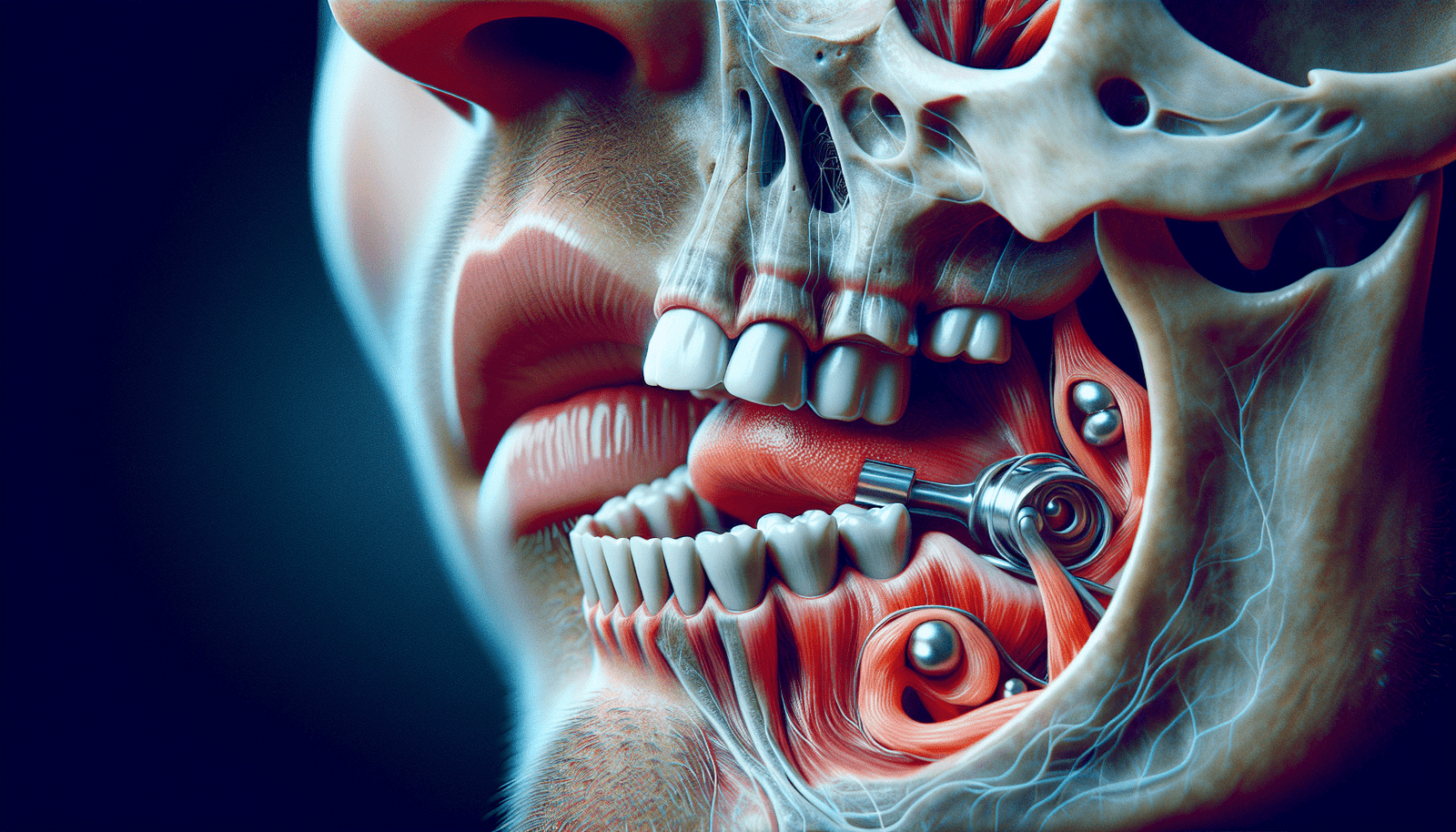
TMJ Disorder, also known as Temporomandibular Joint Dysfunction, is a condition that affects the joints and muscles responsible for jaw movement. The temporomandibular joints connect the jawbone to the skull, allowing for jaw movement during activities such as speaking, chewing, and yawning. When these joints become dysfunctional, it can lead to various symptoms and complications.
Causes of TMJ Disorder
TMJ Disorder can be caused by a range of factors, including jaw injury or trauma, misalignment of the jaw or teeth, muscle tension, arthritis, excessive teeth grinding or clenching (bruxism), and even stress. The exact cause of TMJ Disorder can vary from person to person, and it may be a combination of several factors.
Symptoms of TMJ Disorder
The symptoms of TMJ Disorder can vary in severity and presentation. Some common symptoms include jaw pain and discomfort, clicking or popping sounds in the jaw, headaches and facial pain, difficulty chewing, ear pain and fullness, and tinnitus. It is important to note that not everyone with TMJ Disorder will experience all of these symptoms, and they may come and go or worsen over time.
Diagnosis of TMJ Disorder
The diagnosis of TMJ Disorder involves a thorough assessment by a healthcare professional. This typically includes a comprehensive medical history review, a physical examination of the jaw and surrounding areas, and potentially imaging tests such as X-rays, CT scans, or MRI scans. In some cases, additional diagnostic tools like electromyography or joint vibration analysis may be used to gather more information.
The Connection Between TMJ Disorder and Tinnitus
Shared Nerve Pathways
One of the possible explanations for the connection between TMJ Disorder and tinnitus lies in the shared nerve pathways between the temporomandibular joints and the ears. The trigeminal nerve, which controls the muscles involved in chewing and jaw movement, also has branches that transmit sensory information from the ear. Dysfunction in the temporomandibular joints can potentially affect the function of these nerves and contribute to the development of tinnitus.
Muscular Tension and Tinnitus
Muscle tension is a common characteristic of TMJ Disorder. When the jaw muscles are continuously tense or overworked, it can cause referred pain and discomfort in the surrounding areas, including the ears. This muscular tension can disrupt normal ear function and potentially trigger tinnitus symptoms.
Effects of TMJ Disorder on the Ear
The temporomandibular joints are located in close proximity to the ear structures, including the auditory canal, middle ear, and inner ear. Any inflammation, misalignment, or dysfunction in the TMJ can create pressure or tension on the ear structures, leading to ear pain, fullness, and tinnitus.
TMJ Treatment and Its Impact on Tinnitus
Treating TMJ Disorder can have a positive impact on tinnitus symptoms. By addressing the underlying cause of TMJ Dysfunction and alleviating muscular tension, patients may experience relief from both jaw-related symptoms and tinnitus. It is important to work with a healthcare professional to develop an individualized treatment plan that addresses both TMJ Disorder and tinnitus.
Common Symptoms of TMJ Disorder
Jaw Pain and Discomfort
One of the hallmark symptoms of TMJ Disorder is jaw pain and discomfort. This pain may be localized to the jaw joint or radiate to the surrounding areas, such as the face, neck, and temples. The severity of jaw pain can range from mild to severe and may worsen with activities that involve jaw movement, like chewing or speaking.
Clicking or Popping Sounds in the Jaw
Another common symptom of TMJ Disorder is the presence of clicking or popping sounds in the jaw during movement. These sounds are caused by the misalignment or displacement of the jaw joint’s cartilage disc. While not always accompanied by pain, these noises can be disruptive and potentially contribute to muscular tension and tinnitus.
Headaches and Facial Pain
Headaches and facial pain are often associated with TMJ Disorder. The exact mechanisms behind these symptoms are not fully understood, but they are believed to be related to muscle tension, nerve irritation, and the referred pain patterns associated with TMJ Dysfunction. These headaches and facial pain may be chronic or occur intermittently.
Difficulty Chewing
TMJ Disorder can make routine activities like chewing more challenging. The pain, discomfort, and limited range of motion in the jaw joint can lead to difficulty in fully opening or closing the mouth, which can impact chewing and eating. This difficulty in chewing may result in reduced food intake and nutritional deficiencies if left unaddressed.
Ear Pain and Fullness
The close proximity of the temporomandibular joints to the ears can lead to ear-related symptoms in individuals with TMJ Disorder. Ear pain, accompanied by a feeling of fullness or pressure, may be present. These symptoms may fluctuate in intensity and may be intermittent or chronic.
Tinnitus
Tinnitus is a potential symptom of TMJ Disorder. The underlying mechanisms linking TMJ Dysfunction to tinnitus are not fully understood, but it is believed to involve the shared nerve pathways and the effects of muscular tension and ear pressure. Not all individuals with TMJ Disorder will experience tinnitus, but it can be a distressing symptom for those who do.
Diagnosing TMJ Disorder
Medical History and Physical Examination
Diagnosing TMJ Disorder typically begins with a comprehensive medical history review. Your healthcare professional will inquire about your symptoms, any jaw injuries or trauma, your dental and orthodontic history, and the presence of stress or other risk factors. A thorough physical examination of the jaw joint, head, and neck will also be conducted to assess range of motion, muscle tenderness, and any signs of inflammation or dysfunction.
Imaging Tests
In some cases, imaging tests may be necessary to aid in the diagnosis of TMJ Disorder. X-rays can help identify bony abnormalities, fractures, or arthritis. CT scans or MRI scans provide more detailed information about the jaw joint and surrounding structures, including the cartilage disc. These imaging tests can help rule out other possible causes of jaw pain and confirm TMJ Dysfunction.
Other Diagnostic Tools
Additional diagnostic tools may be used to gather more detailed information about the TMJ function and the severity of muscular tension. Electromyography measures the electrical activity of the jaw muscles, providing insights into their function and possible abnormalities. Joint vibration analysis involves the use of small sensors to assess joint sounds and vibrations during jaw movement.
Treating TMJ Disorder
Pain Management Techniques
Pain management techniques play a crucial role in alleviating the discomfort associated with TMJ Disorder. Over-the-counter pain relievers, such as nonsteroidal anti-inflammatory drugs (NSAIDs), can be effective for temporary relief. In some cases, prescription medications may be recommended, such as muscle relaxants or tricyclic antidepressants, to help manage pain and muscle tension.
Physical Therapy
Physical therapy aims to improve the function and flexibility of the jaw joint and surrounding muscles. The therapist may use techniques such as manual manipulation, stretches, exercises, and heat or cold therapy to reduce pain, increase range of motion, and improve muscle strength. Physical therapy can be an essential component of comprehensive TMJ treatment.
Dental Treatments
Dental treatments for TMJ Disorder focus on addressing bite abnormalities, teeth misalignment, and teeth grinding or clenching. This may involve the use of oral appliances, such as splints or mouthguards, to reduce jaw strain and minimize teeth grinding during sleep. Orthodontic treatment or dental adjustments may also be considered to improve the alignment of the teeth and jaw.
Stress Management
Stress can exacerbate the symptoms of TMJ Disorder. Techniques such as relaxation exercises, meditation, deep breathing, and counseling can help manage stress levels and reduce the associated muscle tension. Stress management techniques are often used in conjunction with other treatment approaches for optimal results.
Surgical Interventions
In severe cases of TMJ Disorder that do not respond to conservative treatment, surgical interventions may be considered. These procedures are typically reserved for individuals with significant pain, restricted jaw movement, or structural abnormalities. Surgical options can range from arthroscopy, which involves the use of small incisions and specialized instruments, to open joint surgery for more complex cases.
Addressing Tinnitus Related to TMJ Disorder
TMJ Treatment and Tinnitus Relief
Treating TMJ Disorder can have a positive impact on tinnitus symptoms. As the underlying cause of TMJ Dysfunction is addressed, including the reduction of muscular tension and inflammation, individuals may experience a decrease in tinnitus intensity or even complete resolution. The specific treatment approaches vary depending on the severity and individual characteristics of the TMJ Disorder.
Tinnitus Management Techniques
While addressing TMJ Disorder can help with tinnitus relief, additional management techniques specifically targeting tinnitus can be helpful. These can include sound therapy, cognitive behavioral therapy (CBT), tinnitus retraining therapy (TRT), and relaxation techniques. These approaches aim to reduce the perception or impact of tinnitus on daily life and improve overall well-being.
Alternative and Complementary Therapies
Some individuals may find relief or complementary support through alternative and complementary therapies. These can include acupuncture, chiropractic adjustments, herbal supplements, or dietary changes. It is important to consult with a healthcare professional before trying these therapies to ensure they are safe and compatible with your specific condition.
Preventing TMJ Disorder and Tinnitus
Maintaining Good Oral Health
Maintaining good oral hygiene practices and regularly visiting your dentist can help prevent or minimize the risk of TMJ Disorder and its associated symptoms. Regular dental check-ups can identify bite issues, jaw misalignments, or teeth grinding habits early on, allowing for timely intervention and proper management.
Avoiding Harmful Jaw Habits
Avoiding harmful jaw habits can also play a role in preventing TMJ Disorder and tinnitus. This includes refraining from excessive teeth grinding or clenching, avoiding hard or chewy foods that strain the jaw, and not biting nails or chewing on non-food objects. Conscious jaw positioning and avoiding excessive jaw movements during activities like yawning or speaking loudly can also help prevent excessive strain on the jaw joints.
Stress Reduction Techniques
As stress is a known risk factor for TMJ Disorder and tinnitus, implementing stress reduction techniques can be beneficial. Engaging in regular exercise, practicing relaxation techniques, prioritizing self-care, and seeking support from friends, family, or professionals can all contribute to stress reduction and overall well-being.
Ergonomics and Posture
Maintaining proper ergonomics and good posture throughout the day can help alleviate strain on the jaw and neck muscles, reducing the risk of TMJ Disorder and associated symptoms. This includes maintaining a neutral spine alignment while sitting, using supportive pillows during sleep, and using ergonomic equipment if you have a job that requires prolonged sitting or repetitive tasks.
Conclusion
In conclusion, tinnitus can indeed be a symptom of Temporomandibular Joint (TMJ) Disorder. The shared nerve pathways between the temporomandibular joints and the ears, along with muscular tension and the effects of TMJ Dysfunction on the ear, contribute to the development of tinnitus in individuals with TMJ Disorder. Recognizing the common symptoms and seeking proper diagnosis and treatment from a healthcare professional is crucial. By addressing the underlying causes of TMJ Dysfunction and implementing appropriate treatment approaches, patients can experience relief from both TMJ-related symptoms and tinnitus. Additionally, incorporating prevention techniques and stress management strategies can help minimize the risk of developing TMJ Disorder and associated symptoms in the first place. Remember, always consult with a healthcare professional for personalized advice and guidance regarding your specific condition.