
Hey there! Have you ever experienced tingling or numbness in your hands and fingers? If so, you might be familiar with Carpal Tunnel Syndrome. In this article, we’ll explore the causes and symptoms of this condition that affects millions of people worldwide. So, let’s get right into it and shed some light on what might be causing those uncomfortable sensations.

Causes of Carpal Tunnel Syndrome
Repetitive Hand Movements
One of the primary causes of carpal tunnel syndrome is repetitive hand movements. When you engage in activities that require repetitive and forceful use of your hands and wrists, it can put significant strain on the nerves and tendons in the carpal tunnel. This can result in swelling and irritation, leading to the development of carpal tunnel syndrome.
Hand and Wrist Positioning
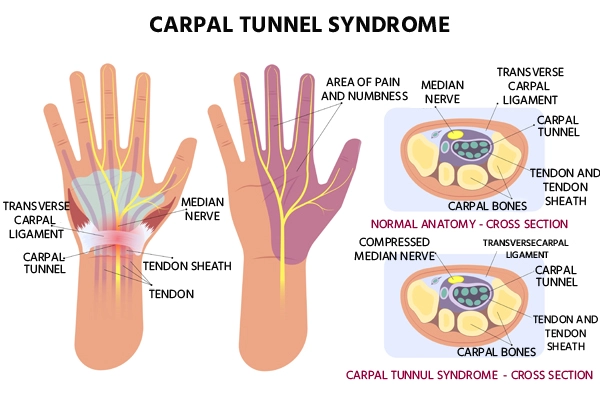
The way you position your hands and wrists during activities can also contribute to the development of carpal tunnel syndrome. Incorrect or awkward hand and wrist positioning can increase the pressure on the median nerve, which passes through the carpal tunnel. This compression can lead to the symptoms associated with carpal tunnel syndrome.
Medical Conditions
Certain medical conditions can also increase the likelihood of developing carpal tunnel syndrome. Conditions such as diabetes, rheumatoid arthritis, and thyroid gland imbalance can alter the normal functioning of the nerves and increase the risk of nerve compression in the carpal tunnel.
Hormonal Changes
Hormonal changes, particularly during pregnancy or menopause, can contribute to the development of carpal tunnel syndrome. These hormonal fluctuations can increase fluid retention in the body, leading to swelling and compression of the median nerve in the carpal tunnel.
Risk Factors
Occupation
Certain occupations that involve repetitive hand movements or working with vibrating tools pose a higher risk of developing carpal tunnel syndrome. Jobs such as assembly line work, typing, and using power tools can increase the strain on the wrist and contribute to the development of this condition.
Gender
Carpal tunnel syndrome is more common in women than in men. The exact reason for this gender difference is unknown, but it is believed that hormonal and anatomical factors may play a role.
Age
The risk of developing carpal tunnel syndrome tends to increase with age. As we get older, the tissues in our body, including the tendons and ligaments in the wrist, may become less flexible and more prone to compression.
Genetics
There may be a genetic component to carpal tunnel syndrome. Some people may have an inherited tendency to develop carpal tunnel syndrome due to certain variations in their genes, which can affect the structure and function of the carpal tunnel.
Obesity
Obesity has been identified as a risk factor for carpal tunnel syndrome. Excess body weight can contribute to the development of carpal tunnel syndrome by increasing pressure on the median nerve and causing inflammation in the carpal tunnel.

Symptoms of Carpal Tunnel Syndrome
Numbness and Tingling
One of the hallmark symptoms of carpal tunnel syndrome is numbness and tingling in the hand and fingers. This sensation often affects the thumb, index, middle, and ring fingers. The numbness and tingling may initially occur intermittently but can progress to become constant over time.
Pain and Discomfort
Individuals with carpal tunnel syndrome may experience pain and discomfort in the hand and wrist. This pain can range from a dull ache to a sharp, shooting sensation. The pain may radiate up the forearm or into the shoulder.
Weakness and Muscle Atrophy
Carpal tunnel syndrome can cause weakness in the hand and an inability to grip objects firmly. Over time, the muscles in the hand may begin to shrink (atrophy) due to lack of use and nerve damage.
Nighttime Symptoms
Many people with carpal tunnel syndrome notice an increase in symptoms during the night. The numbness, tingling, pain, and discomfort may wake you up from sleep, prompting you to shake or rub your hand to relieve the symptoms.
Diagnosis
Medical History and Physical Examination
To diagnose carpal tunnel syndrome, your healthcare provider will review your medical history and perform a physical examination. They will ask about your symptoms, occupation, and any factors that may contribute to the development of carpal tunnel syndrome. During the physical examination, your healthcare provider will assess the strength, sensation, and reflexes in your hand and wrist.
Electromyogram (EMG) and Nerve Conduction Studies (NCS)
Electromyogram and nerve conduction studies are diagnostic tests that can help confirm the presence of carpal tunnel syndrome and evaluate its severity. These tests involve the measurement of electrical activity in the muscles and the speed of nerve signals as they pass through the carpal tunnel.
Ultrasound
Ultrasound imaging can also be used to diagnose carpal tunnel syndrome. It allows your healthcare provider to visualize the median nerve and assess its structure and any potential compression within the carpal tunnel.
X-rays
While x-rays cannot directly diagnose carpal tunnel syndrome, they may be performed to rule out other conditions that can cause similar symptoms, such as arthritis or fractures in the wrist.
MRI
Magnetic resonance imaging (MRI) may be used in more complex cases or when there is suspicion of other underlying conditions in the wrist or hand. An MRI can provide detailed images of the soft tissues and help identify any abnormalities that may be causing the symptoms.
Prevention
Proper Ergonomics
Practicing proper ergonomics can help prevent carpal tunnel syndrome. Maintain a neutral wrist position while performing tasks and adjust your workstation so that your wrists are in a comfortable and supported position. Use ergonomic tools and equipment whenever possible to reduce strain on your wrists.
Frequent Breaks and Stretching Exercises
Taking frequent breaks and incorporating stretching exercises into your routine can help prevent carpal tunnel syndrome. Giving your hands and wrists a rest from repetitive activities reduces the risk of overuse injuries. Simple stretching exercises can help improve flexibility and reduce tension in the muscles and tendons.
Maintaining a Healthy Lifestyle
Maintaining a healthy lifestyle can also contribute to the prevention of carpal tunnel syndrome. Regular exercise, a balanced diet, and avoiding smoking can promote good overall health and reduce the risk of conditions that may contribute to nerve compression and inflammation.
Treatment Options
Conservative Approaches
In milder cases of carpal tunnel syndrome, conservative approaches may be sufficient to relieve symptoms. These approaches may include resting the affected hand and wrist, applying cold packs to reduce swelling, and avoiding activities that worsen symptoms. Additionally, modifying hand and wrist movements to reduce strain and using ergonomic tools and supports can provide relief.
Medications
Pain relievers and nonsteroidal anti-inflammatory drugs (NSAIDs) may be prescribed to help alleviate pain and reduce inflammation associated with carpal tunnel syndrome. In some cases, corticosteroid injections may be recommended to directly reduce swelling and relieve symptoms.
Splinting and Bracing
Wearing a splint or brace on the affected hand and wrist can help keep the wrist in a neutral position and provide support. This can relieve pressure on the median nerve and reduce symptoms, particularly during activities that aggravate carpal tunnel syndrome.
Physical Therapy
Physical therapy may be recommended to strengthen the muscles of the hand, wrist, and forearm. The therapy sessions may include exercises, stretches, and techniques to improve flexibility, reduce inflammation, and relieve pressure on the median nerve.
Surgery
In severe or persistent cases of carpal tunnel syndrome, surgery may be considered. Carpal tunnel release surgery involves cutting the ligament that forms the roof of the carpal tunnel, thereby reducing pressure on the median nerve. This procedure can be performed using traditional open surgery or endoscopic techniques that involve smaller incisions.

Home Remedies
Rest and Ice
Resting the affected hand and wrist and applying ice packs can help reduce inflammation and alleviate pain. Ice packs can be applied for 15-20 minutes at a time, several times a day, to help relieve symptoms.
Elevating the Hand
Elevating the affected hand above the level of the heart can help reduce swelling and alleviate discomfort. Propping up your hand with pillows or using a sling can assist with elevation.
Hand and Wrist Exercises
Performing specific hand and wrist exercises can help improve flexibility, strength, and circulation. These exercises may include wrist stretches, finger stretches, and grip exercises. However, it is important to consult with a healthcare professional or physical therapist before starting any exercise regimen.
Over-the-counter Pain Medications
Over-the-counter pain medications, such as acetaminophen or ibuprofen, may provide temporary relief from mild to moderate pain associated with carpal tunnel syndrome. It is important to follow the recommended dosage and consult with a healthcare professional if symptoms persist or worsen.
Complications
Chronic Pain
If left untreated or not properly managed, carpal tunnel syndrome can lead to chronic pain and discomfort. The persistent pressure on the median nerve can cause damage and result in long-term pain, affecting daily activities and overall quality of life.
Hand Weakness
As carpal tunnel syndrome progresses, the weakened median nerve can lead to muscle weakness in the hand. This weakness can affect grip strength and dexterity, making it difficult to perform tasks that require fine motor skills.
Loss of Sensation
Nerve compression in the carpal tunnel can cause a loss of sensation in the affected hand and fingers. This can affect your ability to feel temperature, touch, and pain accurately, potentially increasing the risk of accidental injuries.
Inability to Perform Fine Motor Skills
In advanced cases of carpal tunnel syndrome, the loss of sensation, muscle weakness, and pain can significantly impact your ability to perform fine motor skills. Activities such as writing, typing, or buttoning clothes may become challenging or even impossible.

Recovery and Rehabilitation
Post-Surgery Rehabilitation
After carpal tunnel release surgery, a period of rehabilitation and recovery is essential. This may involve wearing a splint or brace, attending physical therapy sessions, and gradually returning to normal activities. Proper rehabilitation can help restore strength, flexibility, and function in the hand and wrist.
Physical and Occupational Therapy
Physical and occupational therapy may be recommended during recovery to assist in the healing process and maximize functional outcomes. Therapy sessions may focus on strengthening exercises, range of motion activities, and techniques to improve overall hand and wrist function.
Activity Modification
Making appropriate modifications to your daily activities can aid in the recovery and prevention of carpal tunnel syndrome. This may include taking frequent breaks, using ergonomic tools, and avoiding repetitive hand and wrist movements that may exacerbate symptoms.
When to Seek Medical Attention
Severe or Worsening Symptoms
If you experience severe or worsening symptoms of carpal tunnel syndrome, it is important to seek medical attention promptly. These symptoms may include persistent numbness, tingling, pain, or weakness that affects your daily activities and quality of life.
Loss of Sensation or Weakness
If you notice a progressive loss of sensation or weakness in your hand, particularly if it is affecting your ability to perform normal tasks, you should consult with a healthcare professional. These symptoms may indicate nerve damage that requires medical evaluation and appropriate treatment.
Impaired Hand Function
If your carpal tunnel syndrome symptoms are significantly impacting your hand function, making it difficult to perform simple tasks or activities that require fine motor skills, medical attention should be sought. Addressing the underlying cause and implementing appropriate treatment can help restore function and improve your overall hand health.
Carpal tunnel syndrome can be a debilitating condition, affecting your ability to perform everyday activities. By understanding the causes, symptoms, and available treatment options, you can take proactive measures to prevent and manage this condition effectively. Remember to consult with a healthcare professional for an accurate diagnosis and personalized treatment plan tailored to your specific needs. With proper care and attention, you can regain control over your hand health and minimize the impact of carpal tunnel syndrome in your life.