
Are you tired of dealing with the embarrassment and discomfort of bad breath? Look no further – this article has got you covered! We’ll explore the causes behind that unpleasant odor, from poor oral hygiene to certain medical conditions. And don’t worry, we won’t leave you hanging without a solution. We’ll discuss effective treatments and preventive measures that can help you regain your fresh breath and confidence. Say goodbye to bad breath and hello to a more pleasant, enjoyable life!
Causes of Bad Breath
Poor oral hygiene
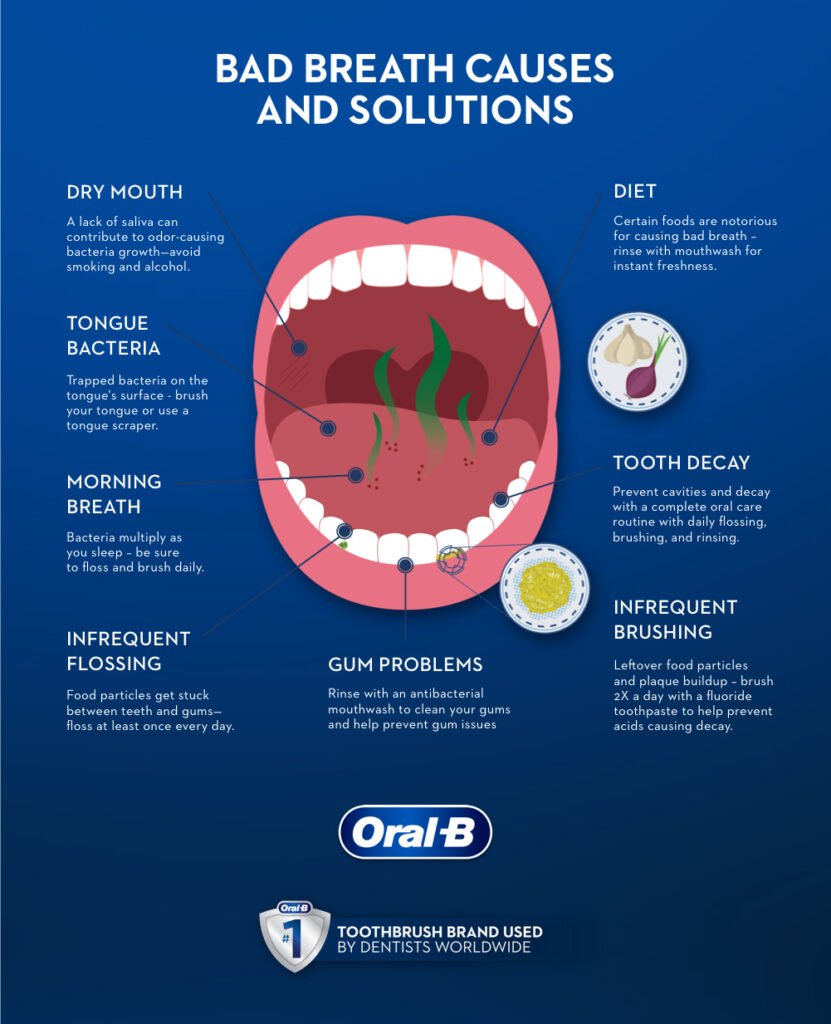
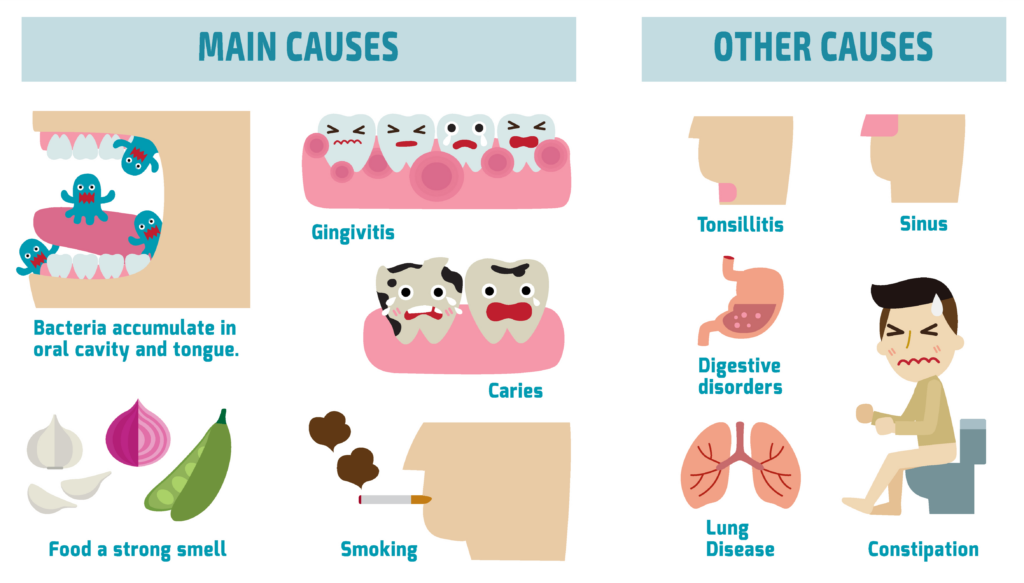
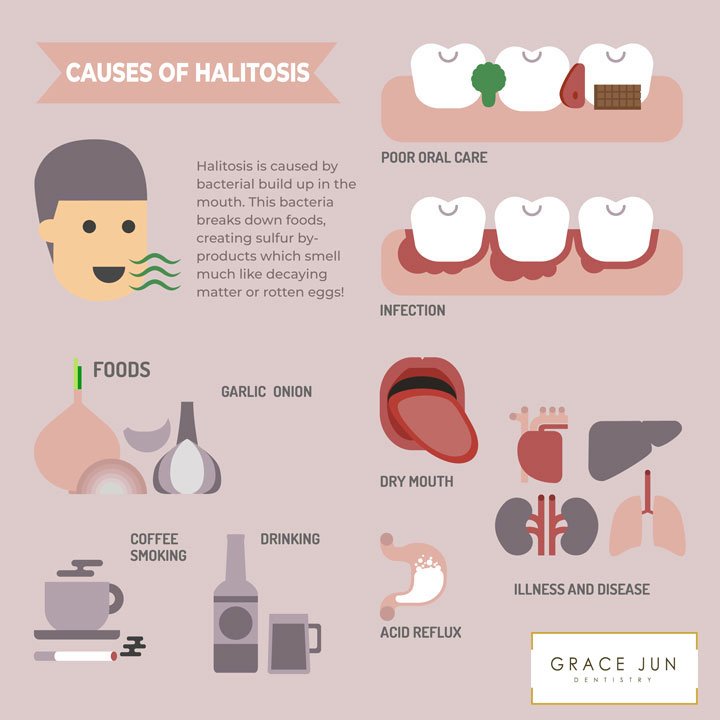
One of the most common causes of bad breath is poor oral hygiene. When you fail to brush and floss your teeth regularly, food particles can get trapped in your mouth, promoting bacterial growth and causing unpleasant odors. To prevent bad breath, it is important to brush your teeth at least twice a day and floss daily to remove food debris and plaque buildup.
Tobacco use
If you are a smoker or use other tobacco products, you are more likely to experience bad breath. Tobacco not only leaves a distinct smell on your breath, but it also irritates the gums and reduces saliva production, leading to dry mouth. Quitting tobacco use is not only beneficial for your overall health but can also help eliminate bad breath.
Dry mouth
Having a dry mouth, or xerostomia, contributes to bad breath as saliva plays a crucial role in cleansing the mouth and neutralizing bacteria. Without adequate saliva production, bacteria can multiply, and odors can develop. Dry mouth can be caused by various factors such as medications, certain medical conditions, and breathing through the mouth. Drinking plenty of water, using oral moisturizers, and addressing the underlying causes can help manage dry mouth and combat bad breath.
Certain foods and drinks
It’s no secret that certain foods and drinks can cause temporary bad breath. Foods like garlic, onions, and spices contain strong odor compounds that can linger in the mouth even after digestion. Similarly, beverages like coffee and alcohol can leave a distinct smell on the breath. While avoiding these foods and drinks altogether may not be realistic, practicing good oral hygiene, brushing after meals, and using mouthwash can help minimize the effects of food-related bad breath.
Medical conditions
In some cases, bad breath may be a symptom of an underlying medical condition. Conditions such as chronic sinus infections, respiratory tract infections, and gastroesophageal reflux disease (GERD) can contribute to foul-smelling breath. It is important to consult a healthcare professional if you suspect that your bad breath is caused by an underlying medical condition.
Medications
Certain medications can cause dry mouth as a side effect, leading to bad breath. Additionally, some medications may release chemicals that are carried through the bloodstream and exhaled through the lungs, resulting in unpleasant breath odor. If you have concerns about medication-induced bad breath, speak to your healthcare provider who may be able to recommend alternatives or strategies to manage this issue.
Sinus and respiratory infections
When you have a sinus or respiratory infection, mucus can accumulate in the throat and nasal passages, creating a breeding ground for bacteria. These bacteria can produce foul-smelling compounds that contribute to bad breath. Proper treatment and management of sinus and respiratory infections can help alleviate bad breath associated with these conditions.
Gastrointestinal issues
Digestive conditions such as acid reflux, stomach ulcers, and gastrointestinal obstructions can cause chronic bad breath. The regurgitation of stomach acid and the presence of bacteria in the gastrointestinal tract can lead to unpleasant breath odors. Treating the underlying gastrointestinal issues can often lead to an improvement in breath odor.
Dental and oral problems
Poor oral health can also lead to various dental and oral problems that contribute to bad breath. Conditions such as gum disease, tooth decay, and oral infections can cause persistent bad breath. Regular dental check-ups and proper oral hygiene practices are essential in preventing and addressing these issues.
Pregnancy
Hormonal changes during pregnancy can affect oral health and contribute to bad breath. Pregnancy gingivitis, caused by increased blood flow and hormonal fluctuations, can lead to inflammation and bad breath. Pregnant individuals should pay extra attention to their oral hygiene routine and consult their dentist for proper care and guidance.
Diagnosing Bad Breath
Physical examination
During a physical examination, a healthcare professional may examine and assess your overall oral health, including the condition of your teeth, gums, and tongue. They may also smell your breath to determine the presence and intensity of any foul odors.
Medical history
A detailed medical history is important in diagnosing the cause of bad breath. Your healthcare provider will ask about your habits, lifestyle factors, medication use, and any underlying medical conditions that may contribute to your bad breath.
Oral examination
A thorough examination of your mouth, including the gums, teeth, tongue, and throat, can help identify any oral health issues that may be causing bad breath. Your dentist or oral healthcare provider will look for signs of gum disease, tooth decay, oral infections, or other conditions that may contribute to the odor.
Breath tests
Breath tests can be conducted to measure the levels of certain compounds that contribute to bad breath. This can help determine the specific cause of your bad breath and guide appropriate treatment options.
Laboratory tests
In some cases, laboratory tests may be necessary to identify underlying medical conditions that may be contributing to bad breath. Blood tests, saliva tests, or cultures of oral bacteria may be conducted to provide additional information for diagnosis and treatment.
Preventing Bad Breath
Maintain good oral hygiene
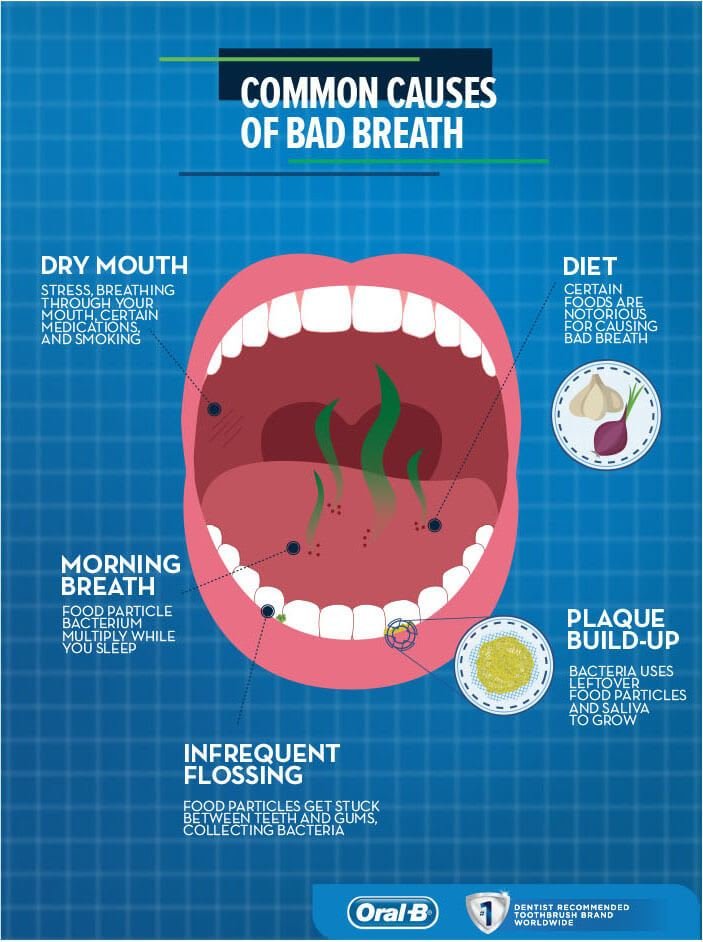
The foundation of preventing bad breath is maintaining good oral hygiene. Brush your teeth at least twice a day, preferably after meals, using fluoride toothpaste. Additionally, make it a habit to floss daily to remove plaque and food particles from between your teeth. Don’t forget to gently brush your tongue to remove bacteria and freshen your breath.
Quit tobacco use
Tobacco use not only stains your teeth and contributes to gum disease but also causes persistent bad breath. Quitting tobacco use is not only beneficial for your oral health but can also improve your breath odor. Seek support from healthcare professionals or support groups to help you quit successfully.
Drink plenty of water
Staying hydrated is important for maintaining good oral health and preventing dry mouth. Drinking plenty of water throughout the day helps stimulate saliva production, which aids in washing away bacteria and neutralizing odors.
Avoid certain foods and drinks
Certain foods and drinks, such as onions, garlic, spicy foods, coffee, and alcohol, can contribute to bad breath. Limiting your intake of these items can help reduce the occurrence of unpleasant breath odors. If you do consume them, remember to practice good oral hygiene afterward.
Treat underlying medical conditions
If your bad breath is caused by an underlying medical condition, it is important to seek appropriate treatment. Whether it’s managing sinus infections, improving gastrointestinal health, or addressing hormonal imbalances, treating the root cause can significantly improve your breath odor.
Manage dry mouth
If you frequently experience dry mouth, there are steps you can take to manage it. Avoid mouthwashes containing alcohol, as they can dry out your mouth further. Chew sugar-free gum or suck on sugar-free candies to stimulate saliva flow. Consider using products designed to combat dry mouth, such as oral moisturizers or artificial saliva.
Regular dental check-ups
Regular dental check-ups are essential for maintaining good oral health and preventing bad breath. Your dentist can identify any potential oral health issues, perform professional cleanings, and provide personalized advice on oral care practices.
Home Remedies for Bad Breath
Brush and floss regularly
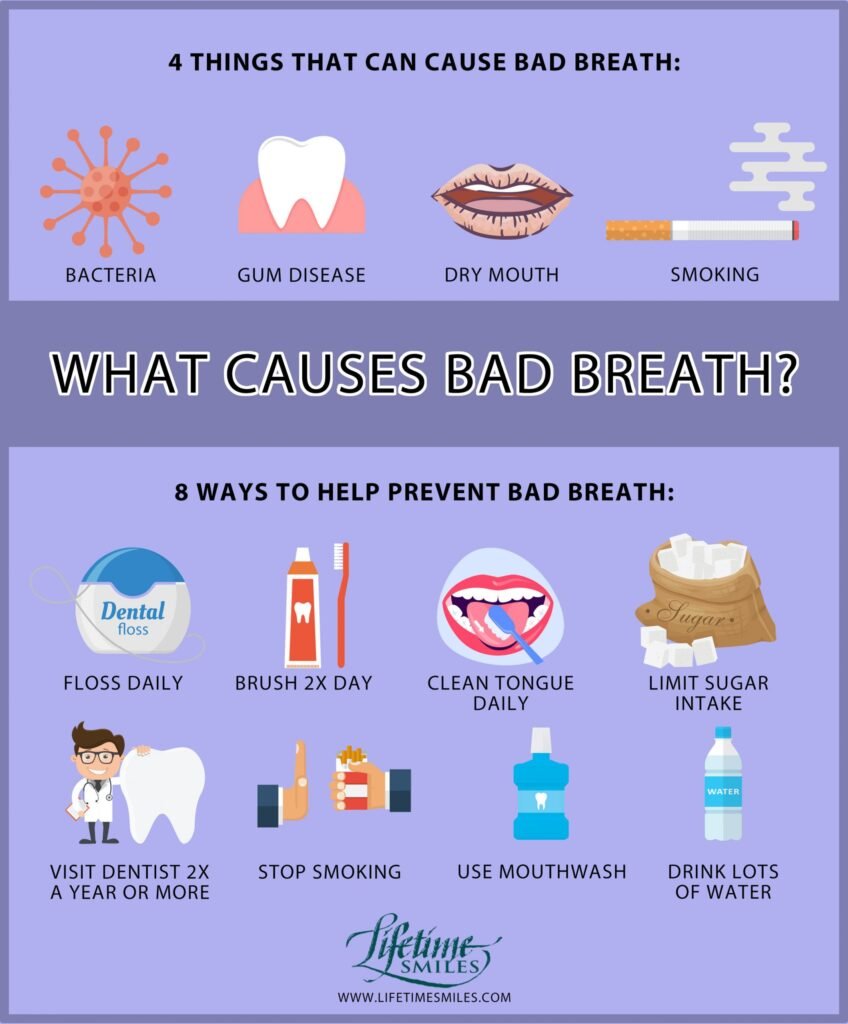
One of the simplest and most effective ways to combat bad breath is by establishing a diligent oral hygiene routine. Brush your teeth at least twice a day and floss daily to remove food particles, plaque, and bacteria from your mouth.
Use mouthwash and tongue scraper
In addition to brushing and flossing, incorporate mouthwash into your oral hygiene routine. Mouthwash helps kill bacteria and freshens your breath. Using a tongue scraper can also remove bacteria and residue from the surface of your tongue, which can contribute to bad breath.
Stay hydrated
Drinking enough water throughout the day helps maintain saliva production and prevents dry mouth. Stay hydrated to keep your mouth moist and reduce the risk of bad breath.
Chew sugar-free gum or mints
Chewing sugar-free gum or sucking on sugar-free mints can stimulate saliva flow and mask bad breath temporarily. Opt for products with xylitol, a natural sweetener that can help fight bacteria.
Eat crunchy fruits and vegetables
Crunchy fruits and vegetables like apples, carrots, and celery can help clean your teeth and freshen your breath. The act of chewing these foods generates saliva, assisting in rinsing away bacteria and food particles.
Rinse with saltwater solution
Rinsing your mouth with a saltwater solution can help kill bacteria and neutralize odors. Dissolve half a teaspoon of salt in a glass of warm water, swish the mixture around your mouth, and spit it out.
Drink green tea
Green tea has natural antibacterial properties that can help combat bad breath. The polyphenols in green tea can reduce the growth of bacteria and neutralize odor-causing compounds. Incorporating a cup of green tea into your daily routine can contribute to fresher breath.
Use baking soda as a toothpaste
Baking soda has natural deodorizing properties and can help neutralize bad breath. Brushing your teeth with a baking soda paste or using toothpaste that contains baking soda can help freshen your breath.
Avoid or limit coffee and alcohol
Both coffee and alcohol can contribute to bad breath. Coffee can leave a strong odor in your mouth, while alcohol can dry out your mouth and reduce saliva production. Consider limiting your consumption of these beverages to improve your breath odor.
Try natural remedies like cloves or parsley
Cloves and parsley are known for their odor-neutralizing properties. Chewing on a clove or a sprig of fresh parsley can help freshen your breath naturally. These remedies can be especially helpful after consuming foods with strong odors.
Medical Treatments for Bad Breath
Prescription mouthwash
For individuals with chronic bad breath, prescription mouthwashes may be recommended. These mouthwashes contain antimicrobial ingredients that target the bacteria responsible for bad breath.
Antibiotics or antifungal medications
If an underlying bacterial or fungal infection is causing your bad breath, your healthcare provider may prescribe antibiotics or antifungal medications to treat the infection and alleviate the associated odor.
Medications to increase saliva production
For individuals with chronic dry mouth, medications that stimulate saliva production may be prescribed. Increased saliva flow helps wash away bacteria and improve breath odor.
Treatment for dental and oral problems
If your bad breath is caused by dental or oral health issues such as gum disease or tooth decay, your dentist may recommend specific treatments such as deep cleanings, tooth extractions, or restorative procedures to address the underlying problems.
Surgery for underlying issues
In rare cases where certain underlying issues contribute to bad breath, surgical intervention may be necessary. This could involve correcting structural abnormalities in the nose or throat, removing tonsils or adenoids, or addressing other sources of chronic infection.
It’s important to remember that bad breath can be a symptom of various factors, and addressing the underlying cause is essential for long-term management. If you are concerned about your breath odor, consult with your healthcare provider or dentist for a proper evaluation and personalized recommendations. With proper care and attention to oral hygiene, you can effectively prevent and treat bad breath, ensuring you maintain fresh breath and a healthy smile.