
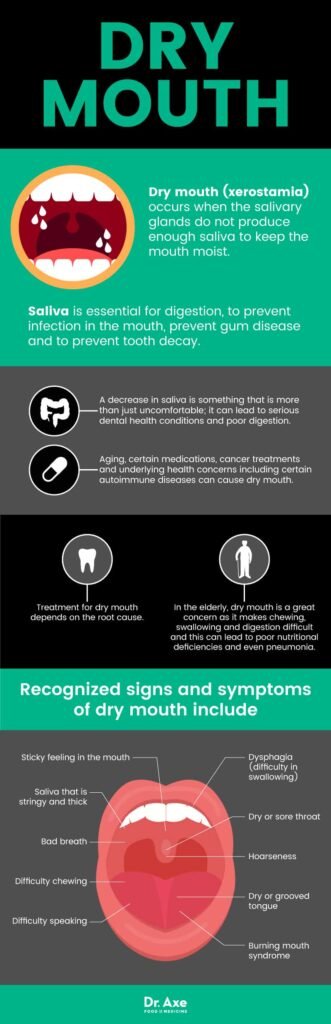
Having a dry mouth can be a discomforting experience. Whether it’s a temporary occurrence or a chronic condition, dealing with the symptoms can often be an inconvenience and affect your daily life. In this article, we will explore the various causes of dry mouth and discuss some effective ways to treat and manage this condition. So, get ready to have your questions answered and gain some valuable insight into how you can find relief from dry mouth. Dry mouth, also known as xerostomia, is a common condition characterized by a lack of saliva production. While it may seem like a minor inconvenience, dry mouth can actually lead to a range of discomfort and oral health problems. In this article, we will explore the various causes of dry mouth and discuss how you can manage and treat this condition.
Medications
One of the most common causes of dry mouth is medication use. Many prescription and over-the-counter drugs can reduce saliva production, leading to dryness in the mouth. Antidepressants, antihistamines, decongestants, diuretics, blood pressure medications, and even pain medications can all contribute to this condition. If you are experiencing dry mouth as a side effect of your medication, it is important to speak with your healthcare provider to explore possible alternatives or adjustments to your dosage.
Medical conditions
Dry mouth can also be a symptom of underlying medical conditions. Sjögren’s syndrome, a chronic autoimmune disorder, is a prominent example. This condition causes the immune system to attack the salivary glands and reduce saliva production. Other medical conditions that can lead to dry mouth include diabetes, HIV/AIDS, Alzheimer’s disease, Parkinson’s disease, stroke, thyroid disorders, rheumatoid arthritis, and anxiety and depression. If you have been diagnosed with any of these conditions and are experiencing dry mouth, it is important to discuss your symptoms with your healthcare provider.

Dehydration
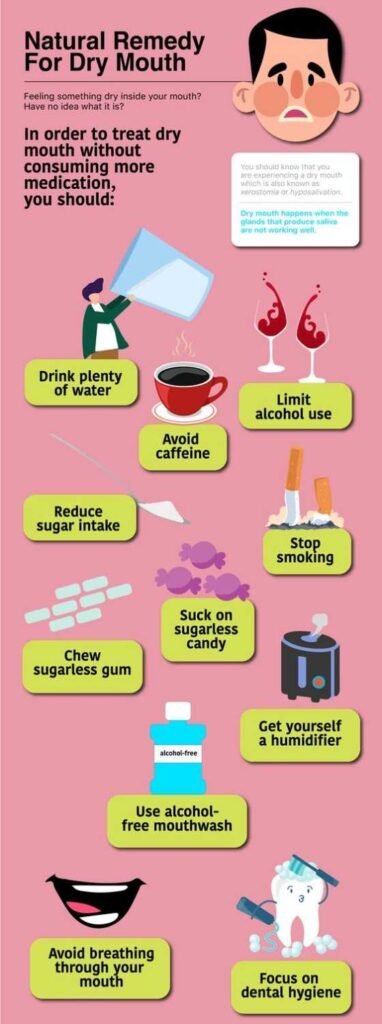
Dehydration is another common cause of dry mouth. Inadequate fluid intake, whether due to a busy lifestyle or forgetting to drink enough water, can lead to the drying of oral tissues. Strenuous exercise, vomiting, diarrhea, and fever can also contribute to dehydration and subsequently result in dry mouth. It is important to drink plenty of water throughout the day and stay hydrated to prevent dry mouth caused by dehydration.
Cancer treatment
Individuals undergoing cancer treatment, particularly radiation therapy and chemotherapy, often experience dry mouth as a side effect. Radiation therapy to the head and neck area can damage the salivary glands, reducing saliva production. Chemotherapy drugs can also affect the salivary glands and lead to dry mouth. If you are undergoing cancer treatment and experiencing dry mouth, it is important to discuss this with your healthcare provider to explore potential strategies to manage and alleviate the symptoms.

Smoking and tobacco use
Smoking and tobacco use have a detrimental impact on oral health, including causing dry mouth. The chemicals present in cigarettes and tobacco products can reduce saliva production and contribute to dryness in the mouth. Additionally, the heat and irritation caused by smoking can further exacerbate dry mouth symptoms. Furthermore, smoking and tobacco use increase the risk of gum disease and tooth decay, which can also contribute to dry mouth. Quitting smoking or using tobacco products not only improves your oral health but can also alleviate dry mouth symptoms.
Nerve damage
Certain injuries or conditions that damage the nerves involved in saliva production can result in dry mouth. Head and neck injuries, particularly those that affect the salivary glands, can lead to reduced saliva production. Damage to the nerves themselves can also disrupt the normal functioning of saliva production. If you have experienced a head or neck injury or have been diagnosed with a condition that affects the nerves involved in saliva production, it is important to discuss your symptoms with your healthcare provider to explore possible treatment options.
Aging
As we age, saliva production naturally decreases. This reduction in saliva can lead to dry mouth. Additionally, certain medications commonly used by older adults can contribute to dry mouth as a side effect. If you are experiencing dry mouth as a result of aging or medication use, it is important to discuss this with your healthcare provider to determine the best approach to manage and treat your symptoms.
Snoring and breathing through the mouth
Individuals who snore or breathe through their mouth while sleeping may experience dry mouth. Breathing through the mouth reduces the moisture in the oral cavity, leading to dryness. Snoring, which often accompanies mouth breathing, can further worsen dry mouth symptoms during sleep. If you suspect that your dry mouth is caused by snoring or mouth breathing, it may be helpful to consult with a healthcare professional who specializes in sleep disorders.

Autoimmune disorders
In addition to Sjögren’s syndrome, mentioned earlier, there are other autoimmune disorders that can contribute to dry mouth. These conditions occur when the immune system mistakenly attacks the body’s own tissues. Autoimmune disorders such as lupus and rheumatoid arthritis can affect the salivary glands and reduce saliva production, leading to dry mouth. If you have been diagnosed with an autoimmune disorder and are experiencing dry mouth, it is important to communicate your symptoms to your healthcare provider to explore suitable treatment options.
Hormonal changes
Hormonal changes, particularly in women, can also lead to dry mouth. Throughout a woman’s life, hormonal fluctuations can occur during pregnancy, menopause, and menstruation. These hormonal changes can affect saliva production and result in dry mouth. If you are experiencing dry mouth as a result of hormonal changes, it is important to discuss this with your healthcare provider to determine the best course of action to manage your symptoms.
In conclusion, dry mouth can be caused by a variety of factors, including medication use, medical conditions, dehydration, cancer treatment, smoking, nerve damage, aging, snoring and breathing through the mouth, autoimmune disorders, and hormonal changes. If you are experiencing dry mouth, it is crucial to consult with your healthcare provider to determine the underlying cause and explore appropriate treatment options. Managing the underlying cause and implementing strategies to alleviate dry mouth symptoms can help improve your oral health and overall well-being. Remember to stay hydrated, maintain good oral hygiene practices, and communicate openly with your healthcare provider to effectively manage and treat dry mouth.