Imagine this scenario: your child suddenly experiences a seizure while having a high fever, leaving you terrified and unsure of what just happened. This article aims to shed light on the causes of febrile seizures, providing you with a better understanding of this alarming occurrence. By exploring the potential triggers behind these seizures, we hope to bring you peace of mind and equip you with the knowledge to navigate this challenging situation.
Overview
Welcome to this comprehensive article on febrile seizures! Febrile seizures can be a frightening experience, especially for parents who witness their child having a seizure for the first time. In this article, we will discuss the definition of febrile seizures, the different types, and explore the various causes that can contribute to their occurrence. By the end, you will have a better understanding of this condition and the factors that can increase the likelihood of febrile seizures in children.
Definition of Febrile Seizures
Febrile seizures are a type of seizure that occur in children between the ages of 6 months and 5 years, usually as a result of a high fever. They are the most common type of seizures in children and typically last for a brief period, ranging from seconds to a few minutes. Febrile seizures often happen at the onset of a fever or when the temperature spikes rapidly. It’s important to note that febrile seizures themselves are not considered to be harmful and are not usually associated with any long-term complications.
Types of Febrile Seizures
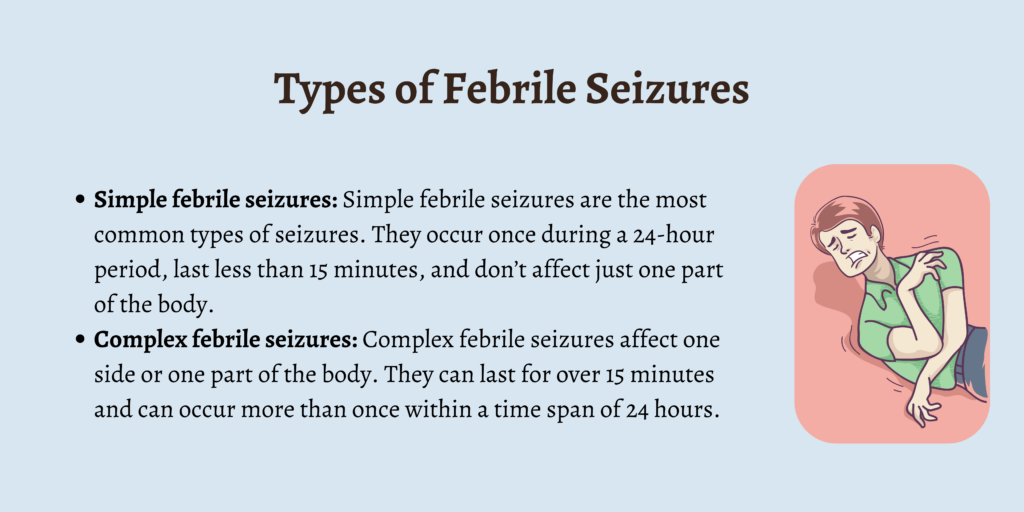
Febrile seizures can be classified into two main types: simple and complex.
Simple Febrile Seizures
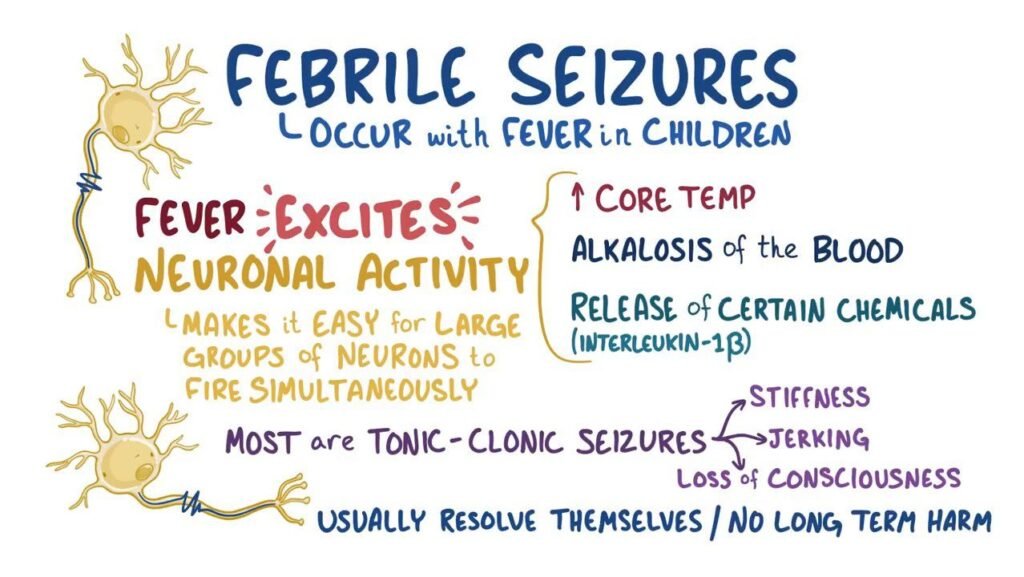
Simple febrile seizures are the most common type and account for around 70% of all febrile seizure cases. These seizures are generally characterized by a sudden loss of consciousness, accompanied by rhythmic jerking movements of the limbs. The child may also experience facial twitching, eyes rolling back, and temporary cessation of breathing. Although these symptoms can be alarming, simple febrile seizures typically resolve on their own and do not result in any lasting damage.
Complex Febrile Seizures
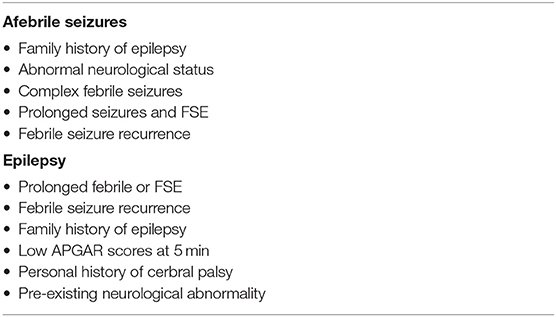
Complex febrile seizures are less common, occurring in about 30% of cases. They are characterized by a longer duration (lasting longer than 15 minutes) or involve only one part of the body. These seizures may also occur multiple times within a 24-hour period. Unlike simple febrile seizures, complex febrile seizures are associated with a higher risk of developing epilepsy later in life.
Causes of Febrile Seizures
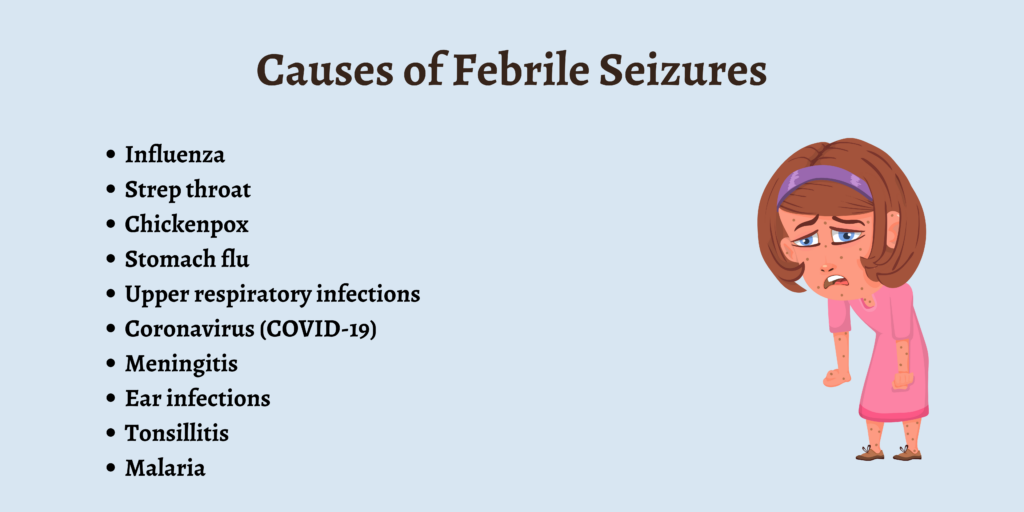
Febrile seizures can be triggered by a combination of factors. Let’s explore some of the common causes:
High Body Temperature
One of the primary causes of febrile seizures is a rapid increase in body temperature. When the body’s temperature rises quickly, it can trigger an abnormal electrical discharge in the brain, leading to a seizure. This is more likely to occur when the fever is above 102°F (38.9°C). It’s important to note that the height of the fever does not necessarily correlate with the severity of the seizure.
Viral Infections
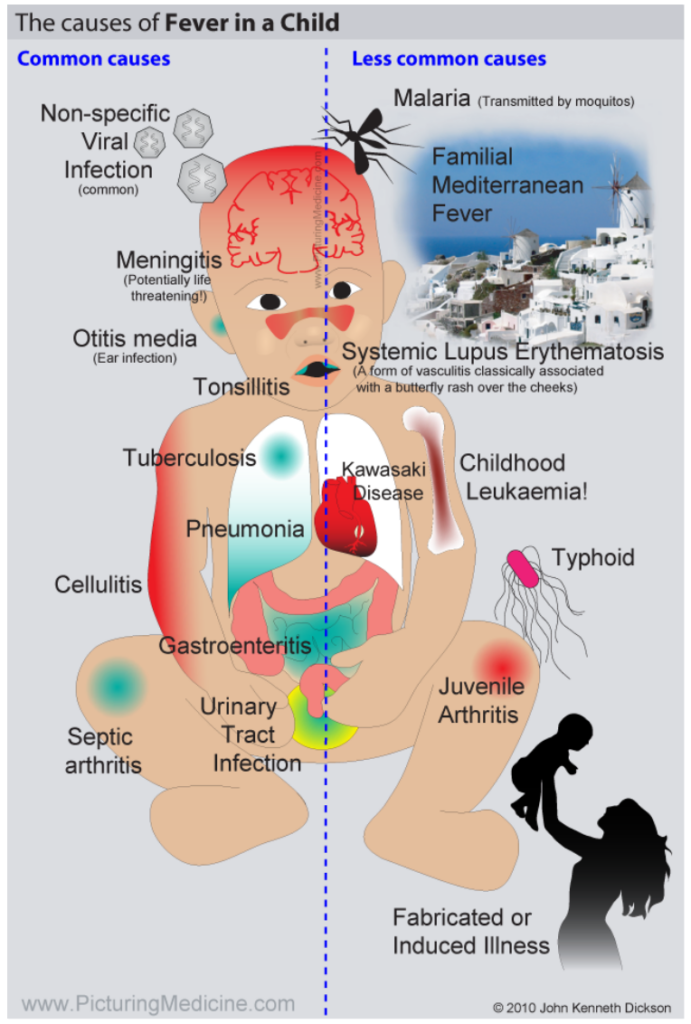
Viral infections, such as the flu or the common cold, can also play a role in the development of febrile seizures. The viral infection causes the body temperature to rise, increasing the risk of seizures in susceptible children. The specific viruses involved in febrile seizures vary, but some commonly associated ones include influenza, respiratory syncytial virus (RSV), and human herpesvirus 6 (HHV-6).
Family History
Febrile seizures tend to run in families, suggesting a genetic predisposition. If a parent or a sibling has a history of febrile seizures, the likelihood of a child developing them is increased. However, it’s important to note that febrile seizures themselves are not usually inherited, but the susceptibility to them may be passed down.
Age
Febrile seizures are most common between the ages of 6 months and 5 years. This age range coincides with the time when children are most susceptible to viral infections and have an immature central nervous system, making them more prone to seizures.
Vaccinations
While it is rare, some studies have suggested a possible link between certain vaccinations and febrile seizures. Specifically, the measles-mumps-rubella (MMR) vaccine and the diphtheria-tetanus-pertussis (DTP) vaccine have been associated with an increased risk of febrile seizures. It’s important to note that the benefits of vaccines in preventing serious diseases still far outweigh the minimal risk of febrile seizures.
Metabolic Disorders
Certain metabolic disorders can also contribute to the development of febrile seizures. Examples of such disorders include electrolyte imbalances, glucose deficiencies, and specific enzyme deficiencies. These conditions affect the way the brain functions, making it more susceptible to seizures when the body temperature rises.
Brain Abnormalities
In some cases, febrile seizures can occur due to underlying brain abnormalities. These abnormalities may have been present since birth or acquired later in life through trauma or infection. The presence of such structural abnormalities increases the risk of febrile seizures when the body temperature rises.
Developmental Disorders
Children with certain developmental disorders, such as cerebral palsy or autism, may be more prone to febrile seizures. The abnormal brain function associated with these disorders makes them more susceptible to seizure activity, especially when combined with a fever.
Environmental Factors
Environmental factors, such as exposure to toxins or certain medications, may also contribute to the occurrence of febrile seizures. Toxic substances or drugs that affect the central nervous system can lower the seizure threshold, making an individual more susceptible to seizures when fever is present.
High Body Temperature
A rapid increase in body temperature is a significant contributor to the occurrence of febrile seizures. When the body’s temperature rises quickly, it creates an imbalance in the brain’s electrical activity, leading to a seizure. It’s important to remember that the height of the fever does not necessarily indicate the severity of the seizure. Monitoring and managing body temperature during fever episodes can help reduce the risk of febrile seizures.
Viral Infections
Viral infections can trigger febrile seizures by causing a rapid increase in body temperature. The common cold, the flu, and other respiratory viral infections are among the main culprits. It’s essential to focus on early symptom management and appropriate treatment of these infections to reduce the risk of febrile seizures in susceptible children.
Family History
Febrile seizures often have a familial component. If a close family member, such as a parent or sibling, has a history of febrile seizures, the risk of an individual experiencing them increases. Understanding the family history and discussing it with healthcare professionals can help in monitoring and managing the condition.
Environmental Factors
Exposure to certain environmental factors can impact the likelihood of febrile seizures. Toxins and medications that affect the central nervous system can lower the seizure threshold in the presence of a fever. It is important to create a safe environment for children and minimize exposure to potential triggers.
In conclusion, febrile seizures are a relatively common event in young children and are mostly harmless. Understanding the definition, types, and causes of febrile seizures can help parents and caregivers better manage and prevent these episodes. Remember that if your child experiences a febrile seizure, it’s important to stay calm, ensure their safety, and seek medical attention if necessary. With proper care and awareness, febrile seizures can be effectively managed, providing peace of mind for parents and helping children grow and thrive.