
Imagine waking up one day with excruciating headache, blurry vision, and severe eye pain. You might dismiss it as just another migraine, but what if it’s something more serious? This is where Cavernous Sinus Thrombosis comes into play. This article aims to shed light on the symptoms and causes of this rarely discussed condition. By understanding the signs to watch out for and the underlying factors that can lead to its development, you can arm yourself with knowledge and seek prompt medical attention if needed. So, strap in and prepare to explore the mysterious world of Cavernous Sinus Thrombosis.

Symptoms
Headache
When you experience a headache, it can be a symptom of cavernous sinus thrombosis. This type of headache is usually severe and persistent, often localized around the affected eye or temple. It may worsen with eye movement, and in some cases, it can be accompanied by a pulsating sensation.
Eye symptoms
Cavernous sinus thrombosis can cause various eye symptoms. These may include redness, swelling, and pain around the eye. Your eye may also appear bulging and feel tender to touch. Additionally, you may notice double vision or a decreased ability to move your eye properly.
Fever and chills
Having a fever and experiencing chills can be signs that your body is fighting an infection, including cavernous sinus thrombosis. If you develop a high fever and feel cold or shiver, it is essential to seek medical attention promptly.
Vision problems
Vision problems are common in cavernous sinus thrombosis. You may experience blurry vision, difficulty focusing, or even complete loss of vision in one or both eyes. These visual changes should never be ignored and should prompt immediate medical evaluation.
Swelling and redness of the face
One of the noticeable symptoms of cavernous sinus thrombosis is swelling and redness of the face, particularly on the side of the affected eye. The area may feel warm to the touch due to increased blood flow and inflammation.
Nasal congestion and discharge
Cavernous sinus thrombosis can cause nasal congestion and a thick yellow or green discharge from the nose. If you find yourself constantly blowing your nose or experiencing nasal stuffiness, it is advised to consult a healthcare professional.
Difficulty moving the eye
You may find it challenging to move your eye normally if you have cavernous sinus thrombosis. This limited eye movement can affect your vision and cause discomfort. Seeking medical attention promptly is crucial to prevent further complications.
Pain or discomfort in the eye or face
Pain and discomfort in the eye or face are common symptoms of cavernous sinus thrombosis. It may feel like a deep, throbbing pain that worsens with eye movement or facial expressions. If you experience unusual pain in these areas, it is important to have it evaluated by a medical professional.
Altered mental status
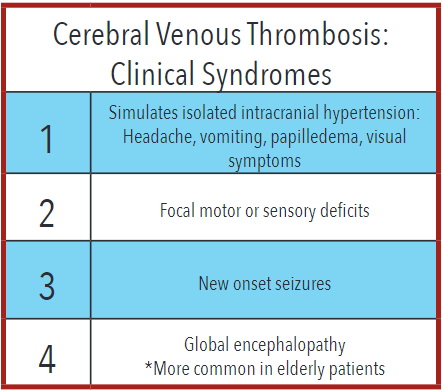
Cavernous sinus thrombosis can affect your mental state. You may experience confusion, difficulty concentrating, or changes in your level of consciousness. If you or someone you know displays altered mental status along with other symptoms, seek immediate medical attention.
Seizures
In rare cases, seizures can occur as a symptom of cavernous sinus thrombosis. If you have a seizure, it is critical to contact emergency services immediately to receive appropriate medical care.
Causes
Infection
Infection is one of the primary causes of cavernous sinus thrombosis. It can be a result of bacterial or fungal infections entering the blood vessels that supply the cavernous sinus. The infection can spread from nearby structures like the eyelids, sinuses, or teeth.
Injury or trauma
In some cases, injury or trauma to the head or face can lead to cavernous sinus thrombosis. A head injury, fractured skull, penetrating trauma to the face, or invasive medical procedures can damage blood vessels and create a favorable environment for blood clot formation.
Sinusitis
Sinusitis, both acute and chronic, increases the risk of developing cavernous sinus thrombosis. When sinusitis occurs, the sinuses become inflamed, and the infection can spread to the nearby blood vessels, including those in the cavernous sinus.
Orbital Cellulitis
Orbital cellulitis is another condition that can cause cavernous sinus thrombosis. It is an infection that spreads from the eyelids or sinuses to the tissues surrounding the eye. If left untreated, the infection can extend to the cavernous sinus and cause thrombosis.
Dental Infections
Untreated dental abscesses or complications arising from a tooth extraction can lead to cavernous sinus thrombosis. Bacteria from the oral cavity can enter the bloodstream and eventually reach the cavernous sinus, causing an infection and subsequent clot formation.
Blood Disorders
Certain blood disorders, such as hypercoagulable states and thrombophilia, can increase the risk of developing thrombosis, including in the cavernous sinus. These disorders affect the blood’s clotting ability, making it more prone to clot formation, even in the absence of an infection or trauma.
Dehydration
Dehydration can also contribute to the development of cavernous sinus thrombosis. Reduced blood flow and increased blood viscosity resulting from dehydration can make the blood more likely to form clots.
Use of intravenous drugs
The use of intravenous drugs, particularly when performed through non-sterile techniques, can introduce bacteria or fungi into the bloodstream, potentially leading to an infection and subsequent cavernous sinus thrombosis.
Inflammatory diseases
Inflammatory diseases, such as certain autoimmune conditions, can trigger an immune response that affects blood vessels’ integrity. This can predispose individuals to the development of cavernous sinus thrombosis.
Oral and Facial Infections
Oral abscesses, tonsillitis, and cellulitis in the face can serve as sources of infection that may spread to the cavernous sinus. Prompt treatment of such infections is essential to prevent potential complications like cavernous sinus thrombosis.
Infection
Bacterial infection
Bacterial infections are a common cause of cavernous sinus thrombosis. Bacteria can enter the bloodstream from various sources, such as nearby infections or infected wounds. Once in the bloodstream, the bacteria can travel to the cavernous sinus and cause an infection.
Fungal infection
Fungal infections can also lead to cavernous sinus thrombosis, although they are less common than bacterial infections. Fungi can enter the bloodstream through inhalation or from localized infections, spreading to the cavernous sinus and causing an infection.
Injury or Trauma
Head injury
A severe head injury can damage blood vessels in the head and face, increasing the risk of cavernous sinus thrombosis. The trauma disrupts the blood vessel walls, creating an environment conducive to blood clot formation.
Fractured skull
A fractured skull, especially if accompanied by damage to blood vessels, can be a significant risk factor for cavernous sinus thrombosis. The fractures create channels through which blood can pool and potentially form clots.
Penetrating trauma to the face
Penetrating trauma to the face, such as a deep cut or puncture wound, can directly injure blood vessels and create a pathway for bacteria or blood clot formation, ultimately leading to cavernous sinus thrombosis.
Invasive medical procedures
Certain invasive medical procedures, such as surgeries or catheter insertions, can cause damage to blood vessels. This damage can disrupt the normal blood flow and precipitate the formation of clots in the cavernous sinus.
Sinusitis
Acute sinusitis
Acute sinusitis, characterized by a sudden infection and inflammation of the sinuses, can increase the risk of cavernous sinus thrombosis. The infection can spread from the sinuses to the nearby blood vessels, leading to thrombosis.
Chronic sinusitis
Chronic sinusitis, a prolonged and recurring inflammation of the sinuses, can also contribute to the development of cavernous sinus thrombosis. The persistent inflammation can compromise the integrity of the blood vessels, making them more susceptible to blood clot formation.
Orbital Cellulitis
Infection spreading from the eyelids or sinuses
Orbital cellulitis refers to an infection that originates from the eyelids or sinuses and spreads to the tissues surrounding the eye. If left untreated, the infection can further extend to the cavernous sinus, resulting in thrombosis.

Dental Infections
Untreated dental abscess
An untreated dental abscess, which is a collection of pus in the tooth or gums, can lead to cavernous sinus thrombosis. Bacteria from the abscess can enter the bloodstream and travel to the cavernous sinus, causing an infection.
Tooth extraction complications
Complications arising from a tooth extraction, such as an infection or injury to blood vessels, can potentially initiate cavernous sinus thrombosis. It is essential to follow proper dental care and seek prompt treatment for any dental issues to reduce the risk of complications.
Blood Disorders
Hypercoagulable states
Hypercoagulable states refer to conditions where the blood has an increased tendency to clot. Individuals with these disorders are at a higher risk of developing cavernous sinus thrombosis, as even minor injuries or infections can trigger abnormal clotting.
Thrombophilia
Thrombophilia is a condition characterized by an increased propensity for the formation of blood clots. People with thrombophilia have an elevated risk of developing thrombosis, including in the cavernous sinus, due to abnormalities in their blood clotting mechanisms.

Dehydration
Reduced blood flow and increased blood viscosity
Dehydration can lead to reduced blood flow and increased viscosity, or thickness, of the blood. These changes can make blood more prone to clotting, potentially resulting in the formation of clots in the cavernous sinus.
Oral and Facial Infections
Oral abscess
An oral abscess, a pocket of infection in the oral cavity, can serve as a source of bacteria that may spread to the cavernous sinus. Proper oral hygiene and timely treatment of oral abscesses are essential to reduce the risk of complications.
Tonsillitis
Tonsillitis, inflammation of the tonsils usually caused by a viral or bacterial infection, can contribute to the development of cavernous sinus thrombosis. The infection can spread from the tonsils to nearby blood vessels, including those in the cavernous sinus.
Cellulitis
Cellulitis, a bacterial skin infection, can occur in the face and serve as a potential source of bacterial spread to the cavernous sinus. Prompt treatment of facial cellulitis is crucial to prevent complications like cavernous sinus thrombosis.
In conclusion, cavernous sinus thrombosis can have various symptoms and several underlying causes. Recognizing the symptoms and understanding the possible causes is crucial for early detection and appropriate medical intervention. If you experience any of the mentioned symptoms or have risk factors for cavernous sinus thrombosis, it is essential to seek medical attention promptly to ensure proper diagnosis and treatment.