
Let’s face it, navigating the overwhelming world of acne products can feel like trying to find a needle in a haystack, especially when your skin is already rebelling. But fear not! As your trusty Listicle Content Architect (LCA), I’m here to guide you through the labyrinth and equip you with the knowledge to make informed choices. Forget the trial-and-error guesswork; this listicle is your curated roadmap to clearer, happier skin. We’ll break down the fundamentals, explore key ingredients, and empower you to select the acne-fighting arsenal that’s perfectly tailored to your unique skin. Get ready to ditch the confusion and embrace a strategic approach to conquering breakouts.
Before you even think about grabbing that trendy new serum, you absolutely must understand what you’re dealing with. Not all acne is created equal, and the product that works wonders for your best friend might be a disaster for you if your underlying issues differ. Think of this as deciphering the secret language of your skin. Once you speak its language, you can choose the precise tools to address the problem.
1.1. Non-Inflammatory Acne: The Subtle Saboteurs
This is often the starting point for many acne sufferers, and it’s characterized by less redness and swelling. It’s more about clogged pores than angry eruptions.
1.1.1. Blackheads (Open Comedones)
Picture this: a pore gets clogged with sebum (your skin’s natural oil) and dead skin cells. When this mixture is exposed to air, it oxidizes, turning that familiar black color. It’s not dirt, despite what many people believe!
1.1.2. Whiteheads (Closed Comedones)
Similar to blackheads, these are also clogged pores. However, the opening of the pore remains closed, trapping the sebum and dead skin cells beneath the surface, giving them that characteristic white or flesh-colored appearance.
1.2. Inflammatory Acne: The Red and Angry Invaders
This is where things get a bit more noticeable and, frankly, uncomfortable. These are breakouts that involve inflammation and can be more persistent.
1.2.1. Papules
These are small, red, tender bumps that signal the start of an inflammatory response. They don’t have a visible head and are often a precursor to more severe forms of acne.
1.2.2. Pustules
You know these well – they’re the classic “pimples” with a visible white or yellow head, filled with pus. The inflammation has progressed to a point where there’s a collection of white blood cells fighting off bacteria.
1.2.3. Nodules
These are larger, deeper, and more painful than papules or pustules. They form beneath the skin’s surface and can feel like hard lumps. Nodules are a more severe form of acne and often require professional treatment.
1.2.4. Cysts
The most severe form of acne, cysts are large, deep, and painful lesions filled with pus. They can lead to significant scarring if not treated appropriately.
1.3. Identifying Your Dominant Acne Type
Take a good, honest look in the mirror. Are you dealing mostly with blackheads and whiteheads, or are red, inflamed bumps and deeper lesions your primary concern? Perhaps you have a mix. Understanding this will dictate the strength and type of active ingredients you’ll be looking for. For instance, if you’re primarily dealing with non-inflammatory acne, your approach might focus more on exfoliation and pore unclogging, while inflammatory acne will necessitate ingredients that target bacteria and reduce inflammation.
2. Decoding the Active Ingredients: Your Acne-Fighting Superstars
Now that you’ve identified your adversaries, it’s time to understand the weapons in your arsenal. The “active ingredients” are the powerhouses within acne products, the ones that actually do the work. Misunderstanding these can lead to ineffective purchases or even worsen your skin. Let’s demystify them.
2.1. For Unclogging Pores and Exfoliation
These ingredients are crucial for clearing out those pesky blockages that lead to blackheads and whiteheads, and they also help renew your skin’s surface.
2.1.1. Salicylic Acid (BHA)
This is your go-to for non-inflammatory acne and mild blackheads. It’s oil-soluble, meaning it can penetrate deep into your pores to dissolve sebum and dead skin cells. Think of it as a tiny, targeted vacuum cleaner for your pores. It also has mild anti-inflammatory properties. You’ll find it in cleansers, toners, spot treatments, and even some moisturizers.
2.1.2. Benzoyl Peroxide
This is a more potent antibacterial agent that also helps to unclog pores by shedding dead skin cells. It’s particularly effective for inflammatory acne (papules and pustules). However, it can be drying and may bleach fabrics, so use it with caution. It comes in various strengths, usually from 2.5% to 10%. Starting with a lower concentration is always wise to gauge your skin’s tolerance.
2.1.3. Alpha Hydroxy Acids (AHAs) – Glycolic Acid, Lactic Acid
AHAs are water-soluble and work on the surface of the skin to exfoliate dead skin cells. Glycolic acid is the smallest molecule and penetrates deeper for more significant exfoliation, while lactic acid is gentler and also provides hydration. AHAs are excellent for improving skin texture and can help with post-acne marks by shedding pigmented skin cells. They are great for overall skin renewal and can complement BHAs.
2.2. For Targeting Bacteria and Inflammation
When your acne is red, angry, and painful, these ingredients are your best bet to calm things down and fight the root cause.
2.2.1. Sulfur
Sulfur is a natural element that has antibacterial and anti-inflammatory properties. It helps to dry out surface oil and dead skin cells, making it effective for treating papules and pustules. It often has a distinctive smell, which can be a drawback for some, but its efficacy is undeniable, especially for sensitive or rosacea-prone skin types who might find other ingredients too harsh.
2.2.2. Niacinamide (Vitamin B3)
This is a multi-tasking marvel! Niacinamide is a powerhouse for reducing inflammation, redness, and the appearance of pores. It also helps to regulate sebum production and strengthens the skin barrier, making it more resilient. It’s generally well-tolerated by most skin types and can be used in conjunction with many other acne treatments.
2.2.3. Green Tea Extract
A natural antioxidant, green tea extract has potent anti-inflammatory and antimicrobial properties. It can help to soothe irritated skin and reduce redness associated with acne. It’s a gentler option for those looking for natural remedies.
2.3. Prescription-Strength Solutions (Consult a Dermatologist)
For more severe or persistent acne, prescription-strength ingredients are often necessary. Always consult a dermatologist before using these.
2.3.1. Retinoids (Tretinoin, Adapalene, Tazarotene)
These are Vitamin A derivatives that are incredibly effective at unclogging pores, reducing inflammation, and promoting cell turnover. They are considered the gold standard for acne treatment by many dermatologists. However, they can cause dryness, redness, and peeling, especially when first starting. A dermatologist can help you find the right strength and guide you through the retinization process. Some retinoids are available over-the-counter (like adapalene gel 0.1%), but higher strengths and other forms are prescription-only.
2.3.2. Antibiotics (Topical and Oral)
Prescribed by a dermatologist, topical antibiotics can help kill acne-causing bacteria. Oral antibiotics are used for more severe inflammatory acne and are typically prescribed for a limited time to prevent antibiotic resistance.
2.3.3. Isotretinoin (e.g., Accutane)
This is an extremely potent oral retinoid reserved for severe, recalcitrant acne that hasn’t responded to other treatments. It works by significantly reducing oil production, preventing clogged pores, and reducing inflammation. It has significant side effects and requires close medical supervision.
3. Tailoring Your Routine: Product Types for Every Step
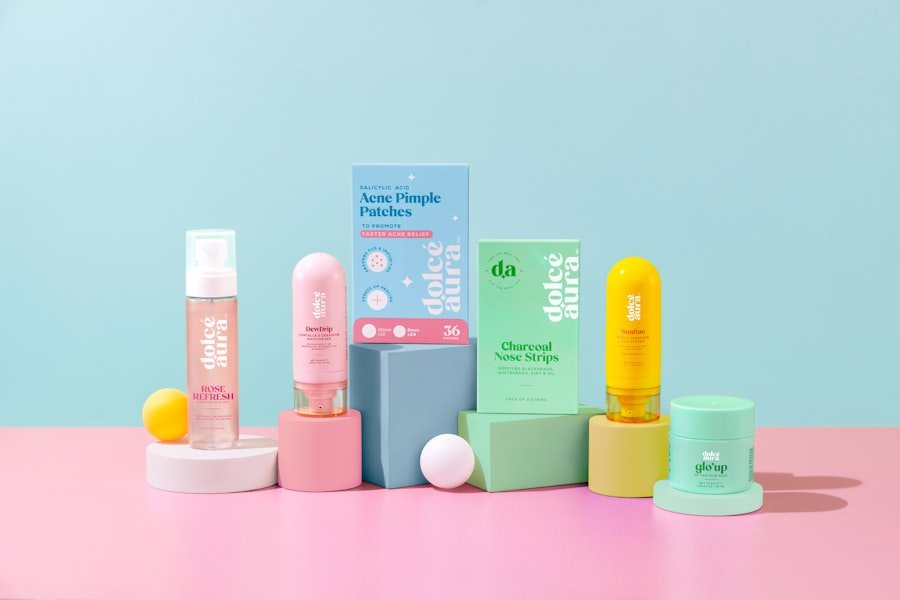
Knowing your acne and your ingredients is only half the battle. The other half is understanding how to incorporate them into a cohesive skincare routine. Not all products are created equal, and the way an ingredient is formulated can significantly impact its efficacy and how it affects your skin.
3.1. Cleansers: The First Line of Defense
Your cleanser is the initial step in removing impurities, excess oil, and makeup. Choosing the right one is vital to avoid stripping your skin or leaving it with residue.
3.1.1. Foaming Cleansers
These are excellent for oily and acne-prone skin as they effectively remove excess oil and debris. Look for formulas with salicylic acid or benzoyl peroxide for added acne-fighting power.
3.1.2. Gel Cleansers
Similar to foaming cleansers, gel formulas are also good for oily skin but can be slightly less stripping. They often contain ingredients like salicylic acid or gentle exfoliants.
3.1.3. Cream or Lotion Cleansers
These are more hydrating and suitable for drier or more sensitive skin that still experiences acne. They cleanse without stripping essential moisture. Look for ingredients like ceramides or hyaluronic acid to support the skin barrier.
3.1.4. Medicated Cleansers
These cleansers contain a higher percentage of active acne-fighting ingredients like benzoyl peroxide or salicylic acid. They are designed for more targeted treatment but should be used with caution, especially if you’re already using other potent treatments, to avoid over-drying or irritation.
3.2. Treatments and Serums: Targeted Attackers
This is where the true heroes reside – the potent formulas designed to tackle specific acne concerns.
3.2.1. Spot Treatments
These are concentrated formulas applied directly to active breakouts. They often contain high percentages of ingredients like benzoyl peroxide, salicylic acid, or sulfur to quickly reduce inflammation and size of pimples. They are your emergency room for blemishes.
3.2.2. Serums
Serums are lightweight, highly concentrated formulas that deliver potent ingredients deeper into the skin. You might find serums with niacinamide for redness and oil control, or those with encapsulated retinoids for gentle yet effective pore clearing. They are excellent for addressing broader concerns like post-acne marks and improving overall skin texture.
3.2.3. Chemical Exfoliants (Toners and Liquid Treatments)
These typically contain AHAs or BHAs in a liquid base. They are applied after cleansing to help resurface the skin, unclog pores, and improve tone and texture. Start with lower concentrations and fewer applications per week to build tolerance.
3.3. Moisturizers: Hydration is Key, Even for Oily Skin!
This is a step many with oily, acne-prone skin try to skip, thinking it will make them oilier. This is a myth! Properly hydrated skin is balanced skin, and skipping moisturizer can actually cause your skin to overcompensate by producing more oil.
3.3.1. Oil-Free Moisturizers
These are specifically formulated to be lightweight and non-comedogenic, meaning they won’t clog your pores. They provide essential hydration without adding excess oil.
3.3.2. Gel or Water-Based Moisturizers
These are excellent choices for oily and combination skin. They are lightweight, absorb quickly, and provide hydration without feeling heavy or greasy.
3.3.3. Moisturizers with Acne-Fighting Ingredients
Some moisturizers strategically incorporate ingredients like salicylic acid or niacinamide, offering hydration while gently treating acne. This can be a great way to simplify your routine without sacrificing treatment.
3.4. Sunscreen: Your Non-Negotiable Shield
This bears repeating: sunscreen is crucial for anyone with acne, regardless of skin type or treatment. Many acne treatments make your skin more sensitive to the sun, and sun exposure can worsen post-inflammatory hyperpigmentation (dark marks) left behind by breakouts.
3.4.1. Oil-Free and Non-Comedogenic Sunscreens
Look for sunscreens specifically designed for acne-prone skin. Mineral sunscreens (containing zinc oxide and titanium dioxide) are often a good choice as they are less likely to cause irritation.
3.4.2. Broad-Spectrum Protection
Ensure your sunscreen offers broad-spectrum protection, meaning it protects against both UVA and UVB rays.
4. Understanding Your Skin Type: The Crucial Modifier
We’ve touched on this, but it’s worth an emphatic deep dive. Your skin type is the filter through which all acne products must pass. What works for an oily skin type might be a disaster for a dry skin type, even if the active ingredients are the same.
4.1. Oily Skin: The Shine and Pore Patrol
If your skin typically looks shiny, especially in the T-zone, and you’re prone to enlarged pores and breakouts, you likely have oily skin.
4.1.1. Product Preferences:
Focus on lightweight, oil-free, and non-comedogenic formulas. Gel-based cleansers, toners with salicylic acid, and oil-free gel or water-based moisturizers are your friends. Avoid heavy creams and rich oils that can exacerbate oiliness. Look for ingredients that help regulate sebum production.
4.1.2. Ingredient Focus:
Salicylic acid is a star for breaking down pore-clogging oil. Niacinamide helps control shine and reduce pore appearance. Clay masks can be beneficial for absorbing excess oil.
4.2. Dry Skin: The Thirsty Breakout Conqueror
If your skin often feels tight, flaky, or uncomfortable, especially after cleansing, you have dry skin. Acne can still occur in dry skin, often due to barrier dysfunction or dehydration.
4.2.1. Product Preferences:
Gentle, hydrating cleansers (cream or lotion formulas) are essential. Look for moisturizers with ceramides, hyaluronic acid, or glycerin to replenish moisture. Avoid harsh astringents or alcohol-based products that will further strip your skin. When using acne treatments, opt for gentler formulations and consider incorporating them less frequently to start.
4.2.2. Ingredient Focus:
While still needing to address breakouts, focus on soothing ingredients. Lactic acid (a gentler AHA) can exfoliate without being too drying. Consider spot treatments over widespread application of potent actives. Incorporating a hydrating serum before your moisturizer can be beneficial.
4.3. Combination Skin: The Best of Both Worlds (and Challenges)
Combination skin is characterized by a mix of oily and dry or normal areas, typically the T-zone being oily and the cheeks being normal to dry.
4.3.1. Product Preferences:
This requires a more nuanced approach. You might need different products for different areas, or look for “balancing” formulations. Lightweight, oil-free products are generally a safe bet for the entire face. You can use a stronger cleanser or toner on your T-zone and a gentler one on your cheeks if needed.
4.3.2. Ingredient Focus:
Salicylic acid in the T-zone can help with oil and pore congestion, while ingredients like niacinamide can offer broad-spectrum benefits. Moisturizers that are hydrating but not heavy can work well.
4.4. Sensitive Skin: The Delicate Dancer
If your skin easily becomes red, itchy, or irritated by new products, you have sensitive skin. Acne can be particularly frustrating on sensitive skin because many effective acne treatments can be too harsh.
4.4.1. Product Preferences:
Hypoallergenic, fragrance-free, and alcohol-free products are key. Patch testing new products is non-negotiable. Opt for gentle, minimalist formulas. Ingredient lists should be short and free of common irritants.
4.4.2. Ingredient Focus:
Look for soothing ingredients like centella asiatica (cica), chamomile, or aloe vera. Sulfur can be a good option for its efficacy and relative gentleness. Niacinamide is also well-tolerated and beneficial. Start with the lowest concentrations of active ingredients and introduce them very slowly.
5. Building Your Strategy: Putting It All Together for Success
| Product | Key Ingredients | Benefits |
|---|---|---|
| Cleanser | Salicylic Acid, Benzoyl Peroxide | Removes dirt and oil, unclogs pores |
| Toner | Witch Hazel, Glycolic Acid | Balances skin pH, exfoliates dead skin cells |
| Spot Treatment | Tea Tree Oil, Sulfur | Targets individual pimples, reduces inflammation |
| Moisturizer | Hyaluronic Acid, Ceramides | Hydrates skin, maintains moisture barrier |
Now that you’re armed with knowledge, it’s time to strategize. This isn’t just about buying individual products; it’s about curating a system that works in harmony for your skin.
5.1. The Golden Rule: Start Slow and Patch Test
You’ve heard it before, but it’s worth reiterating. When introducing any new acne product, always patch test. Apply a small amount to an inconspicuous area (like behind your ear or on your jawline) for a few days to check for any adverse reactions. Once you’ve confirmed it’s safe for your skin, introduce it gradually into your routine. Don’t start a whole new regimen of active ingredients all at once – your skin will likely rebel.
5.2. Consistency is Key: The Long Game
Acne treatment is not a sprint; it’s a marathon. You won’t see overnight results. It takes weeks, often months, for new skin cells to turn over and for treatments to show their full effect. Stick with your routine consistently, even if you don’t see immediate improvements. Patience and perseverance are your most valuable allies.
5.3. Don’t Overdo It: The Danger of Too Much
Using too many harsh products or applying them too frequently can strip your skin barrier, leading to increased inflammation, dryness, and even rebound oiliness. This can make your acne worse. It’s better to use fewer, well-chosen products consistently than to bombard your skin with a cocktail of actives.
5.4. When to Seek Professional Help: Know Your Limits
If your acne is severe, persistent, causing scarring, or significantly impacting your self-esteem, it’s time to consult a dermatologist. They can offer prescription-strength treatments, in-office procedures, and personalized advice that over-the-counter products simply can’t match. Don’t hesitate to reach out; they are trained to help you navigate even the most stubborn breakouts.
5.5. Lifestyle Factors: The Unsung Heroes
While this listicle focuses on products, remember that diet, stress, sleep, and hygiene all play a role in your skin’s health. While individual triggers vary, paying attention to these factors and making positive adjustments can complement your topical treatments and contribute to long-term skin clarity.
By understanding your acne, knowing your ingredients, tailoring your routine to your skin type, and approaching treatment with a strategic mindset, you are now well-equipped to make informed decisions and embark on your journey to clearer, healthier skin. Happy shopping, and more importantly, happy skin!
FAQs
What are the common ingredients in acne products?
Common ingredients in acne products include benzoyl peroxide, salicylic acid, sulfur, retinoids, and tea tree oil. These ingredients work to unclog pores, reduce inflammation, and kill acne-causing bacteria.
How do I choose the right acne products for my skin type?
It’s important to consider your skin type when choosing acne products. For oily skin, look for products with ingredients like benzoyl peroxide or salicylic acid. For sensitive skin, opt for products with gentle ingredients like sulfur or tea tree oil. For dry skin, consider products with moisturizing ingredients like hyaluronic acid or ceramides.
What are some common side effects of acne products?
Common side effects of acne products can include dryness, redness, peeling, and irritation. It’s important to start with a lower concentration of active ingredients and gradually increase as tolerated to minimize these side effects.
How long does it take to see results from acne products?
Results from acne products can vary depending on the individual and the severity of their acne. In general, it can take several weeks to see noticeable improvements, and it may take up to 12 weeks for some products to reach their full effectiveness.
Can I use multiple acne products at the same time?
It’s generally not recommended to use multiple acne products at the same time, as this can increase the risk of irritation and side effects. It’s best to start with one product and give it time to work before adding additional products. If you want to use multiple products, it’s best to consult with a dermatologist to create a personalized skincare routine.