
Traveling can be a thrilling experience, but for those living with chronic pain, it often presents unique challenges. Chronic pain is defined as pain that persists for longer than three months, and it can stem from various conditions, including arthritis, fibromyalgia, or past injuries. This ongoing discomfort can significantly impact your ability to enjoy travel, as the physical demands of exploring new places may exacerbate your symptoms.
Understanding how chronic pain affects you personally is crucial in making travel enjoyable rather than a source of stress. When you embark on a journey, it’s essential to recognize that your experience will differ from those without chronic pain. You may need to consider factors such as mobility, accessibility, and the availability of medical resources at your destination.
By acknowledging these challenges upfront, you can better prepare yourself for a trip that accommodates your needs. This understanding will empower you to make informed decisions about where to go, how to get there, and what activities to engage in, ensuring that your travel experience is as fulfilling as possible.
Key Takeaways
- Chronic pain can make travel challenging, but with the right planning and accommodations, it is possible to enjoy a fulfilling trip.
- When choosing a destination, consider factors such as climate, accessibility, and availability of medical facilities to ensure it meets your specific needs.
- Plan your itinerary with breaks and rest periods in mind, and consider activities that are gentle on the body to avoid exacerbating chronic pain.
- Packing essentials such as medications, heat/cold packs, and comfortable clothing can help manage chronic pain while traveling.
- Look for accommodations that offer amenities such as adjustable beds, accessible bathrooms, and proximity to medical facilities to support your chronic pain management during your trip.
Choosing the Right Destination for Your Needs
Accessibility in Urban Areas
Urban areas with well-developed public transportation systems can be advantageous, as they allow you to navigate without excessive walking or physical strain.
Healthcare Facilities and Climate Considerations
Destinations known for their healthcare facilities can provide peace of mind should you require medical assistance during your trip. Moreover, think about the climate and terrain of your chosen destination. If you are sensitive to temperature changes or humidity, opt for places with mild weather.
Researching Local Attractions and Accessibility Features
Flat landscapes may be more manageable than hilly or mountainous regions, which could exacerbate your pain levels. Researching local attractions and their accessibility features can also help you make an informed choice. Ultimately, the goal is to select a destination that aligns with your comfort and health needs while still offering opportunities for exploration and enjoyment.
Planning Your Itinerary with Chronic Pain in Mind
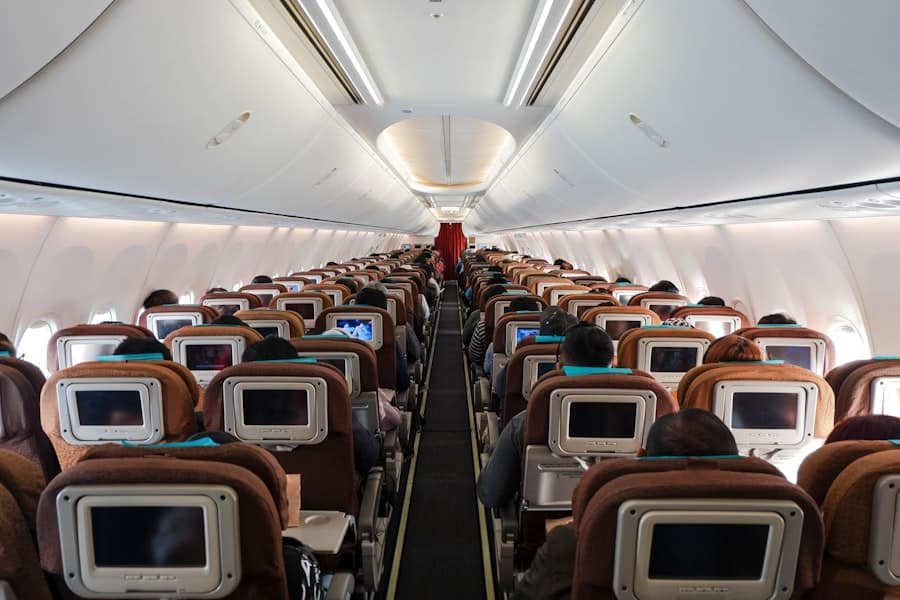
Once you have chosen a destination, the next step is to plan an itinerary that accommodates your chronic pain. It’s essential to strike a balance between engaging activities and allowing ample time for rest. Over-scheduling can lead to fatigue and increased discomfort, so prioritize quality over quantity when selecting activities.
Consider incorporating downtime into your daily plans, allowing yourself the flexibility to recharge when needed. When mapping out your itinerary, think about the proximity of attractions to one another. Grouping nearby sites can minimize travel time and reduce physical strain.
Additionally, consider the duration of each activity; shorter visits may be more manageable than extended excursions. If possible, look for guided tours that cater to individuals with mobility issues or chronic pain, as these can provide a more comfortable experience while still allowing you to enjoy the sights.
Packing Essentials for Managing Chronic Pain while Traveling
Packing wisely is crucial for managing chronic pain during your travels. Start by creating a checklist of essential items that will help alleviate discomfort while on the go. This may include medications, heat packs, or topical treatments that you regularly use to manage your pain.
Having these items readily available can provide reassurance and help you maintain a sense of normalcy during your trip. In addition to medications, consider packing supportive gear such as orthopedic pillows or braces that can help alleviate strain on your body while traveling. Comfortable clothing and shoes are also vital; opt for breathable fabrics and supportive footwear that will keep you comfortable throughout your journey.
Don’t forget to include any mobility aids you may need, such as a cane or walker, as these can significantly enhance your ability to navigate new environments with ease.
Finding Accommodations that Cater to Chronic Pain
Choosing the right accommodations is essential for ensuring a comfortable stay while traveling with chronic pain. Look for hotels or rental properties that offer accessible features such as elevators, ramps, and spacious rooms that allow for easy movement. Reading reviews from other travelers with similar needs can provide valuable insights into the suitability of a property.
Additionally, consider amenities that can enhance your comfort during your stay. A hotel with an on-site spa or wellness center may offer therapeutic treatments that can help alleviate pain after a long day of exploring. If you prefer a more home-like environment, vacation rentals with kitchens allow you to prepare meals that cater to any dietary restrictions you may have while also providing a space to relax away from the hustle and bustle of tourist areas.
Tips for Managing Chronic Pain While in Transit

Traveling often involves long periods of sitting or standing, which can be particularly challenging for those with chronic pain. To manage discomfort during transit, prioritize comfort by wearing loose-fitting clothing and supportive shoes. If you’re flying or taking a long train ride, consider bringing a travel pillow or blanket to help support your body in a more comfortable position.
Incorporating movement into your travel routine is also essential. Take breaks during long journeys to stretch and walk around when possible. If you’re driving, plan regular stops to get out of the car and move around; this will help prevent stiffness and discomfort from prolonged sitting.
Staying hydrated and nourished during transit is equally important; pack healthy snacks and water to keep your energy levels up and avoid unnecessary fatigue.
Exploring Activities and Attractions without Aggravating Chronic Pain
When it comes to exploring activities and attractions at your destination, it’s vital to choose options that won’t exacerbate your chronic pain. Research accessible attractions that offer accommodations for individuals with mobility challenges or chronic conditions. Many museums, parks, and historical sites provide options such as wheelchairs or guided tours designed for those who may need extra assistance.
Consider engaging in low-impact activities that allow you to enjoy the local culture without overexerting yourself. Scenic drives, leisurely boat tours, or gentle nature walks can provide enriching experiences without putting undue strain on your body. Always listen to your body; if an activity feels overwhelming or painful, don’t hesitate to modify your plans or take a break.
Seeking Support and Resources for Chronic Pain Management while Traveling
Traveling with chronic pain doesn’t mean you have to navigate it alone; seeking support and resources can significantly enhance your experience. Before embarking on your journey, connect with local support groups or online communities where you can share experiences and gather tips from fellow travelers who understand your challenges. These connections can provide valuable insights into managing pain while on the road.
Additionally, familiarize yourself with local healthcare resources at your destination in case you need assistance during your trip. Knowing where nearby clinics or hospitals are located can provide peace of mind and ensure you have access to care if necessary. Many cities also have wellness centers or spas that offer treatments specifically designed for pain relief; researching these options ahead of time can help you incorporate self-care into your travel plans.
In conclusion, traveling with chronic pain requires thoughtful planning and consideration but does not have to be an insurmountable challenge. By understanding your condition, choosing suitable destinations, planning itineraries mindfully, packing essential items, finding accommodating accommodations, managing transit discomfort, selecting appropriate activities, and seeking support resources, you can create a travel experience that is both enjoyable and manageable. Embrace the adventure ahead while prioritizing your health and well-being; with the right preparation, you can explore new horizons without compromising your comfort.
FAQs
What is chronic pain?
Chronic pain is defined as pain that persists for a prolonged period of time, typically lasting for 3 months or more. It can be caused by a variety of conditions such as arthritis, fibromyalgia, nerve damage, or injury.
How does chronic pain affect travel?
Chronic pain can make travel challenging due to the discomfort and limitations it imposes. Long periods of sitting or standing, carrying heavy luggage, and navigating unfamiliar environments can exacerbate pain symptoms.
What are some tips for traveling with chronic pain?
– Plan ahead and choose a travel destination that offers accessibility and accommodations suitable for your needs.
– Pack light to minimize strain on your body and consider using luggage with wheels.
– Schedule regular breaks during travel to stretch and move around.
– Research and book accommodations with amenities such as elevators, accessible bathrooms, and comfortable bedding.
– Consider using mobility aids or assistive devices to ease the physical demands of travel.
How can I manage chronic pain while traveling?
– Bring along any necessary medications and ensure you have an adequate supply for the duration of your trip.
– Practice relaxation techniques and gentle stretching exercises to alleviate muscle tension and discomfort.
– Stay hydrated, maintain a balanced diet, and prioritize rest to support your overall well-being.
What should I consider when planning a trip with chronic pain?
When planning a trip with chronic pain, it’s important to consider factors such as transportation options, accessibility of attractions and facilities, climate and weather conditions, and the availability of medical services at your destination. Additionally, it’s advisable to communicate your needs and limitations to travel companions or tour operators to ensure a smoother and more enjoyable experience.