
Indigestion can be a pesky problem that disrupts your everyday life, causing discomfort and unease. Whether it’s that bloated feeling after a hearty meal or a persistent burning sensation in your chest, understanding the common causes of indigestion can help you take the necessary steps to avoid it. From overeating to certain lifestyle choices, this article explores the various culprits behind indigestion and provides practical tips on how to keep it at bay. So, if you’re tired of letting indigestion ruin your day, read on to discover simple yet effective ways to tackle this digestive issue. We’ve all experienced that uncomfortable, bloated feeling in our stomach after a big meal. Indigestion, also known as dyspepsia, can be caused by a variety of factors. Understanding the common causes of indigestion can help you make simple lifestyle changes to avoid it altogether. In this article, we’ll explore the common causes of indigestion and provide you with practical tips on how to prevent it.

Common Causes of Indigestion
Overeating
One of the primary culprits behind indigestion is overeating. When you consume excessive amounts of food, your stomach becomes stretched, putting pressure on the lower esophageal sphincter (LES) – the valve that separates your stomach from the esophagus. This can lead to stomach acid flowing back into the esophagus, causing heartburn and indigestion. To avoid this, practice portion control and listen to your body’s signals of fullness.
Eating Too Quickly
Eating your meals in a hurry can also contribute to indigestion. When you eat too quickly, you tend to swallow more air along with your food. This excess air can cause bloating and discomfort. Additionally, rapid eating doesn’t allow your body enough time to properly break down and digest the food, leading to indigestion. Take your time to chew each bite thoroughly and savor the flavors of your meal.
Fatty or Greasy Foods
Indulging in rich, fatty, or greasy foods can be a delicious treat, but it can also trigger indigestion. These types of foods take longer to digest, which can cause stomach discomfort and bloating. Try to limit your intake of fried foods, creamy sauces, and heavily processed snacks to prevent indigestion. Opt for healthier cooking methods, such as grilling or baking, and incorporate more fresh fruits and vegetables into your diet.
Spicy Foods
If you’re a fan of spicy cuisine, you may be familiar with the burning sensation that comes along with it. Spicy foods can irritate the stomach lining and trigger indigestion in some individuals. While it varies from person to person, it’s advisable to moderate your consumption of spicy foods if you’re prone to indigestion. Experiment with milder spice levels or try incorporating cooling ingredients like yogurt or cucumber into your meals.
Acidic Foods and Drinks
Certain foods and beverages with a high acidity level can increase the production of stomach acid, leading to indigestion. Examples of acidic foods and drinks include citrus fruits, tomatoes, vinegar, and carbonated drinks. While these items can be a part of a healthy diet, it’s important to limit your intake if you’re prone to indigestion. Be mindful of portion sizes and opt for less acidic alternatives when possible.
Carbonated Drinks
While carbonated drinks fall under the category of acidic foods and drinks, they deserve a closer look due to their high prevalence. The carbonation in these drinks can cause significant amounts of gas to build up in your stomach, leading to bloating, belching, and discomfort. To avoid indigestion, consider reducing your consumption of carbonated beverages, and choose water, herbal tea, or other non-fizzy alternatives instead.
Alcohol Consumption
Ah, happy hour, a time to unwind and relax. Unfortunately, alcohol can be a risk factor for indigestion. Consuming alcoholic beverages can increase stomach acid production, irritate the stomach lining, and relax the LES, leading to acid reflux and indigestion. It’s best to enjoy alcoholic drinks in moderation and be mindful of your body’s signals. Opt for lower-alcohol options or consider non-alcoholic alternatives to limit your risk of indigestion.
Smoking
Aside from its well-known health risks, smoking can also contribute to indigestion. The chemicals in cigarettes can cause the LES to relax, enabling stomach acid to flow back into the esophagus. This can result in heartburn and indigestion. Quitting smoking is not only beneficial for your overall health but can also significantly reduce your risk of indigestion and other digestive issues.
Stress and Anxiety
Our mental and emotional well-being can have a significant impact on our digestive health. When you’re stressed or anxious, your body produces more stomach acid, which can lead to indigestion. Additionally, stress and anxiety can influence your eating habits, leading to overeating or poor food choices. Incorporating stress management techniques such as exercise, deep breathing, and mindfulness can help alleviate indigestion symptoms.
Medication Side Effects
Certain medications can have indigestion as a side effect. Nonsteroidal anti-inflammatory drugs (NSAIDs), antibiotics, and some blood pressure medications are known to cause indigestion in some individuals. If you suspect that your medication is contributing to your indigestion, consult your doctor. They may be able to provide alternative treatment options or suggest ways to manage the side effects.
Now that you’re aware of the common causes of indigestion, let’s explore some practical tips on how to avoid it altogether.
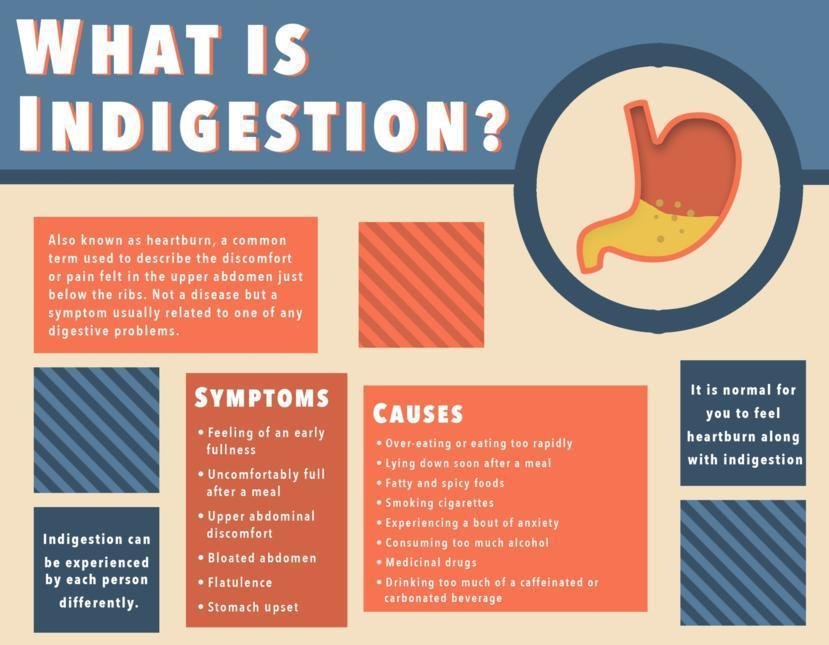
How to Avoid Indigestion
Eat Smaller Portion Sizes
Instead of overwhelming your stomach with a large meal, try to eat smaller, more frequent meals throughout the day. By doing so, you give your digestive system a chance to properly digest the food and reduce the risk of indigestion. Listen to your body’s hunger and fullness cues, and aim to achieve a comfortable level of satisfaction, rather than overeating.
Chew Food Thoroughly
This may sound like common sense, but many of us tend to rush through our meals without properly chewing our food. Chewing breaks down food into smaller particles, making it easier for your stomach to digest. Take your time to thoroughly chew each bite before swallowing. Not only will this aid in digestion, but it will also help you enjoy the flavors of your food to the fullest.
Limit Intake of Fatty or Greasy Foods
While it’s okay to indulge in your favorite fried foods occasionally, it’s important to limit your intake to prevent indigestion. Opt for cooking methods that require less oil, such as grilling, baking, or steaming. Additionally, choose lean cuts of meat, and incorporate more plant-based protein sources into your diet. By making these simple swaps, you can enjoy delicious meals while keeping indigestion at bay.
Moderate Consumption of Spicy Foods
If you find that spicy foods often trigger your indigestion, try moderating your consumption. Experiment with milder spice levels or incorporate cooling ingredients like yogurt, cucumber, or avocado into your spicy dishes. This can help balance out the heat and reduce the likelihood of indigestion. Pay attention to your body’s reactions and adjust your spice levels accordingly.
Reduce Intake of Acidic Foods and Drinks
While acidic foods and drinks can be enjoyed in moderation, it’s important to be mindful of your intake if you’re prone to indigestion. Limit your consumption of citrus fruits, tomatoes, vinegar, and carbonated drinks. Instead, choose less acidic alternatives such as apples, bananas, and herbal teas. By making these small adjustments, you can still enjoy a varied diet while minimizing the risk of indigestion.
Limit Carbonated Drink Consumption
As mentioned earlier, carbonated drinks can contribute to indigestion due to the excess gas they produce in the stomach. Consider reducing your intake of carbonated beverages and opt for still water, herbal tea, or fruit-infused water instead. These alternatives not only hydrate you but also help maintain good digestive health.
Drink Alcohol in Moderation
While it’s alright to enjoy a drink or two, excessive alcohol consumption can lead to indigestion. Aim to drink alcohol in moderation and be aware of your limits. Alternate alcoholic beverages with water to stay hydrated, and consider opting for lower-alcohol options or non-alcoholic drinks. Remember, it’s about finding a balance that allows you to enjoy social occasions without compromising your digestive well-being.
Quit Smoking
There are countless reasons to quit smoking, and avoiding indigestion is another one to add to the list. By quitting smoking, you reduce the risk of acid reflux and indigestion caused by the relaxation of the LES. Seek support from healthcare professionals, join quit-smoking programs, or explore nicotine replacement therapies. Quitting smoking not only benefits your digestive health but also improves your overall well-being.
Manage Stress and Anxiety
To support your digestive health, it’s essential to manage stress and anxiety effectively. Engage in activities that help you unwind and relax, such as exercise, meditation, or spending time in nature. Practice deep breathing exercises whenever you feel stressed or overwhelmed. Additionally, prioritize self-care and develop healthy coping mechanisms to reduce stress levels. By managing your stress, you can significantly reduce the occurrence of indigestion.
Consult a Doctor Regarding Medication Side Effects
If you suspect that your indigestion is caused by a medication you’re taking, it’s crucial to consult your doctor. They can evaluate your symptoms, review your medication list, and suggest alternative options if necessary. It’s important not to stop taking prescribed medications without medical advice. Your doctor can help you find the right balance between managing your health condition and minimizing indigestion episodes.
By incorporating these tips into your daily routine, you can greatly reduce your risk of indigestion and enjoy improved digestive health. Remember, everyone’s body is unique, so it’s essential to listen to your own body and make adjustments accordingly. Here’s to happy and comfortable digestion!
