
In this article, we will explore the common risk factors associated with the development of gallstones. These small, hardened deposits in the gallbladder can cause considerable discomfort and may require medical intervention. By understanding these risk factors, you can take proactive measures to reduce your chances of developing gallstones and maintain a healthy gallbladder. So, let’s dive right in and uncover the key factors that increase your vulnerability to gallstones. Gallstones are solid deposits that form in the gallbladder, a small organ located beneath the liver. These stones can vary in size and composition, being made up of cholesterol, bile salts, and bilirubin. While some people with gallstones may never experience symptoms, others can face severe pain and complications. Understanding the risk factors associated with gallstones is vital in taking proactive measures to prevent them. In this article, we will explore the common risk factors for gallstones and provide valuable insights to help you maintain a healthy gallbladder.
Age and Gender
One of the primary risk factors for gallstones is age. Gallstones are more prevalent in individuals who are over the age of 40. This is because as we age, the body undergoes changes that can increase the likelihood of gallstone formation. Hormonal fluctuations and reduced gallbladder motility are common factors that contribute to the higher risk in older individuals.
Gender also plays a significant role in gallstone development. Women are more prone to gallstones, particularly those who have experienced multiple pregnancies or have taken certain hormonal medications. Estrogen, a hormone predominantly found in women, can increase the cholesterol levels in bile and decrease gallbladder movement, making women more susceptible to gallstone formation.
Obesity and Weight
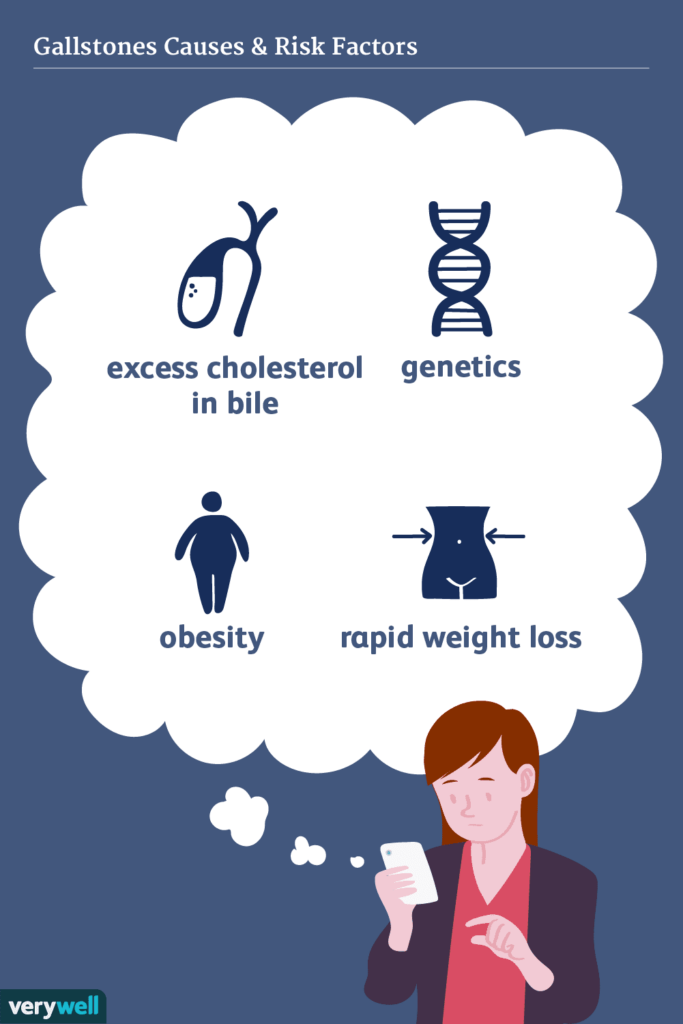
Being overweight or obese is another risk factor for gallstones. Excess body fat can lead to increased cholesterol secretion into the bile, which can promote the formation of gallstones. Additionally, obesity can also impair gallbladder function, leading to the stagnation of bile and the precipitation of gallstone-forming substances. Maintaining a healthy weight through regular physical activity and a balanced diet is essential in reducing the risk of gallstones.
Dietary Factors
Diet plays a crucial role in gallstone formation. Consuming a diet high in fat, cholesterol, and low in fiber can increase the risk of gallstones. Foods that are high in cholesterol, such as fatty meats, fried foods, and full-fat dairy products, can contribute to cholesterol gallstone formation. On the other hand, a diet rich in fruits, vegetables, whole grains, and lean proteins can help prevent gallstones by promoting healthy gallbladder function and preventing cholesterol buildup.
Ethnicity and Genetics
Certain ethnic groups have a higher incidence of gallstones. Native Americans, Mexican-Americans, and individuals of Hispanic descent are more prone to gallstone formation. Genetics also plays a role in gallstone risk. If you have a family history of gallstones, you may be at a higher risk of developing them yourself. Understanding your family’s medical history can help you stay vigilant and take preventive measures.
Family History
As mentioned earlier, having a family history of gallstones increases your risk of developing them. This risk factor suggests a genetic predisposition to gallstone formation. If one or both of your parents have a history of gallstones, it is crucial to maintain a healthy lifestyle and regularly monitor your gallbladder health.

Pregnancy
Pregnancy is a unique period in a woman’s life that can increase the risk of gallstone development. The hormonal changes that occur during pregnancy can lead to an increased concentration of cholesterol in the bile, making pregnant women more susceptible to gallstones. Additionally, the pressure exerted by the growing uterus on the gallbladder can impair its emptying, further increasing the risk. If you are pregnant or planning to become pregnant, discussing gallstone prevention strategies with your healthcare provider is essential.
Medical Conditions
Certain medical conditions can increase the risk of gallstones. Individuals with liver cirrhosis, diabetes, or inflammatory bowel disease are more prone to gallstone formation. In liver cirrhosis, the liver’s impaired function disrupts the bile composition, leading to an increased risk of gallstones. In diabetes, high blood sugar levels can promote cholesterol buildup and gallstone formation. Individuals with inflammatory bowel disease may have difficulties absorbing bile salts, increasing the likelihood of gallstones. Managing these medical conditions alongside adopting a healthy lifestyle can help mitigate the risk.

Rapid Weight Loss
While weight loss is generally beneficial for overall health, rapid or extreme weight loss can actually increase the risk of gallstones. When you rapidly lose weight, your liver secretes more cholesterol into bile, which can lead to gallstone formation. Slow and gradual weight loss, achieved through healthy eating and exercise, is the preferred approach to avoid this risk.
Certain Medications
Some medications have been associated with an increased risk of gallstones. Hormonal therapies, such as estrogen-based birth control pills or hormone replacement therapy, can raise cholesterol levels in bile and contribute to gallstone formation. If you are taking any medications, it is advisable to discuss the potential risks with your healthcare provider and explore alternatives if necessary.

Digestive Disorders
Certain digestive disorders can increase the likelihood of gallstones. Conditions like Crohn’s disease, celiac disease, and irritable bowel syndrome can disrupt the normal bile flow and increase cholesterol levels, predisposing individuals to gallstone formation. Managing these digestive disorders effectively and working closely with your healthcare provider can help reduce the risk.
In conclusion, gallstones can cause significant discomfort and complications if left unchecked. Understanding and addressing the common risk factors associated with gallstones is crucial in preventing their formation. Maintaining a healthy weight, adopting a balanced diet, staying physically active, being aware of your family history, and managing medical conditions effectively can all contribute to a lower risk of gallstone development. By taking proactive steps to reduce the risk factors, you can ensure the well-being of your gallbladder and enjoy a healthy life. Remember to consult with your healthcare provider for personalized advice and guidance tailored to your specific needs.