
Hey there! Have you ever heard of Hand, Foot and Mouth Disease? It’s a highly contagious viral illness that mainly affects infants and children under the age of five. The disease causes a distinctive rash on the palms of the hands, soles of the feet, and inside the mouth. Apart from the rash, symptoms can include fever, sore throat, and a general feeling of discomfort. Don’t worry, though! Hand, Foot and Mouth Disease is usually mild and self-limiting, but it’s important to recognize the symptoms early on to ensure proper care and prevent its spread. So, let’s take a closer look at some of the common symptoms of this pesky illness.
Common Symptoms of Hand, Foot and Mouth Disease
Hand, Foot and Mouth Disease (HFMD) is a common viral illness that primarily affects infants and young children. While the symptoms of HFMD can vary from person to person, there are a few common signs to look out for. If you or your child are experiencing any of these symptoms, it is important to seek medical advice and take appropriate measures to prevent the spread of the virus.
Fever
One of the most common symptoms of HFMD is fever. If you or your child has a sudden onset of high temperature, it could be a sign of HFMD. The fever is usually mild to moderate, but in some cases, it can be high and accompanied by other symptoms such as headache and muscle aches. It is important to monitor the fever and provide appropriate fever-reducing medications as recommended by your healthcare provider.
Sore Throat
Another symptom of HFMD is a sore throat. This can make it difficult to eat or drink, leading to dehydration and loss of appetite. If you or your child complain of a persistent sore throat, it is important to seek medical attention. Your healthcare provider may recommend over-the-counter throat lozenges or prescribe medication to alleviate the discomfort.
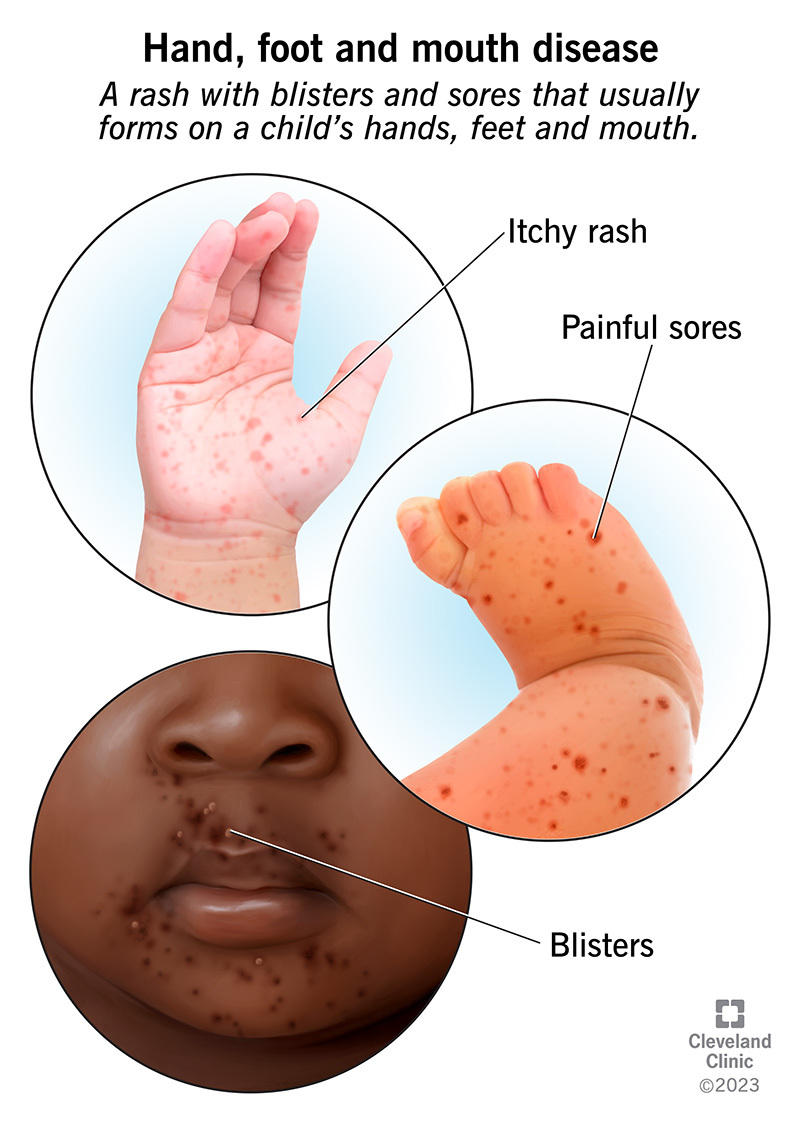
Blister-like Sores
One of the telltale signs of HFMD is the appearance of blister-like sores on the hands, feet, and sometimes, in the mouth. These sores can be painful and may make it difficult to walk or use the hands. It is important to keep the sores clean and dry to prevent secondary infections. Avoid popping or scratching the blisters, as this can lead to further complications. Over-the-counter pain relievers can help alleviate the discomfort associated with the sores.
Rash
In addition to the blister-like sores, HFMD may also cause a rash. The rash can appear on various parts of the body, including the buttocks, knees, and elbows. It is typically red, flat or raised spots that may be itchy. Keep the affected areas clean and avoid scratching to prevent further irritation. Over-the-counter anti-itch creams may provide relief from the itching associated with the rash.

Loss of Appetite
HFMD can cause a loss of appetite, making it difficult to eat or drink. This can lead to dehydration, especially in young children. It is important to offer fluids frequently and encourage adequate hydration. Clear liquids, such as water, diluted fruit juices, and electrolyte solutions, can help replace lost fluids and prevent dehydration. If the loss of appetite persists, consult with your healthcare provider for appropriate measures to ensure adequate nutrition.
Malaise
A general feeling of malaise is often associated with HFMD. You or your child may feel tired, weak, or overall unwell. This is a common symptom of many viral illnesses and usually subsides as the body fights off the infection. Getting plenty of rest and staying hydrated can help alleviate feelings of malaise.

Headache
Headaches are another common symptom of HFMD. If you or your child experiences a persistent headache, it is important to monitor the intensity and provide appropriate pain relief as recommended by your healthcare provider. Taking over-the-counter pain medications, such as acetaminophen or ibuprofen, can help alleviate the headache and discomfort.
Muscle Aches
Muscle aches or myalgia can occur with HFMD. You or your child may feel soreness or discomfort in the muscles, making movement uncomfortable. Resting and applying heat or cold packs to the affected areas may help relieve muscle aches. Over-the-counter pain relievers can also provide temporary relief.

Irritability
HFMD can cause irritability in children, especially due to the discomfort caused by the blisters and sores. If your child is experiencing HFMD, it is important to provide comfort and reassurance. Engaging in calm activities and distracting them from the discomfort can help manage irritability. If irritability persists or worsens, consult with your healthcare provider for additional support.
Dehydration
Dehydration is a potential complication of HFMD, particularly when there is a loss of appetite and reduced fluid intake. It is important to monitor fluid intake closely and offer fluids frequently, especially to young children who may not be able to express their thirst adequately. Signs of dehydration include dry mouth, decreased urine output, lethargy, and sunken eyes. If you or your child show signs of dehydration, seek medical attention immediately.
In conclusion, Hand, Foot and Mouth Disease is a viral illness that primarily affects infants and young children. While the symptoms may vary from person to person, common signs include fever, sore throat, blister-like sores, rash, loss of appetite, malaise, headache, muscle aches, irritability, and dehydration. If you or your child experience any of these symptoms, it is important to seek medical advice and take appropriate measures to prevent the spread of the virus. Remember, early detection and proper management are key in ensuring a speedy recovery from HFMD.
