
When it comes to Congenital Rubella, understanding its implications is crucial. This article delves into the world of this infectious disease and uncovers its potential consequences. Exploring the impact on both the mother and the unborn child, we will navigate through the risks, the prevention measures, and the possible long-term effects that Congenital Rubella can have. So, let’s embark on this informative journey together and unravel the significance of this condition.

Overview
What is Congenital Rubella?
Congenital Rubella refers to the condition in which a developing fetus is infected with the Rubella virus during pregnancy. Rubella, also known as German measles, is a highly contagious viral infection that primarily affects children and young adults. When a pregnant woman contracts Rubella, the virus can pass from the mother to the developing baby through the placenta, resulting in various birth defects and long-term health complications.
Causes of Congenital Rubella
Congenital Rubella is caused by the Rubella virus, which belongs to the Togaviridae family. The virus is primarily transmitted through respiratory droplets from an infected person. In non-immune pregnant women, the virus can cross the placenta and infect the developing fetus, particularly during the first trimester when the baby’s organs are forming. Lack of immunity through vaccination or previous infection increases the risk of congenital Rubella.
Symptoms of Congenital Rubella
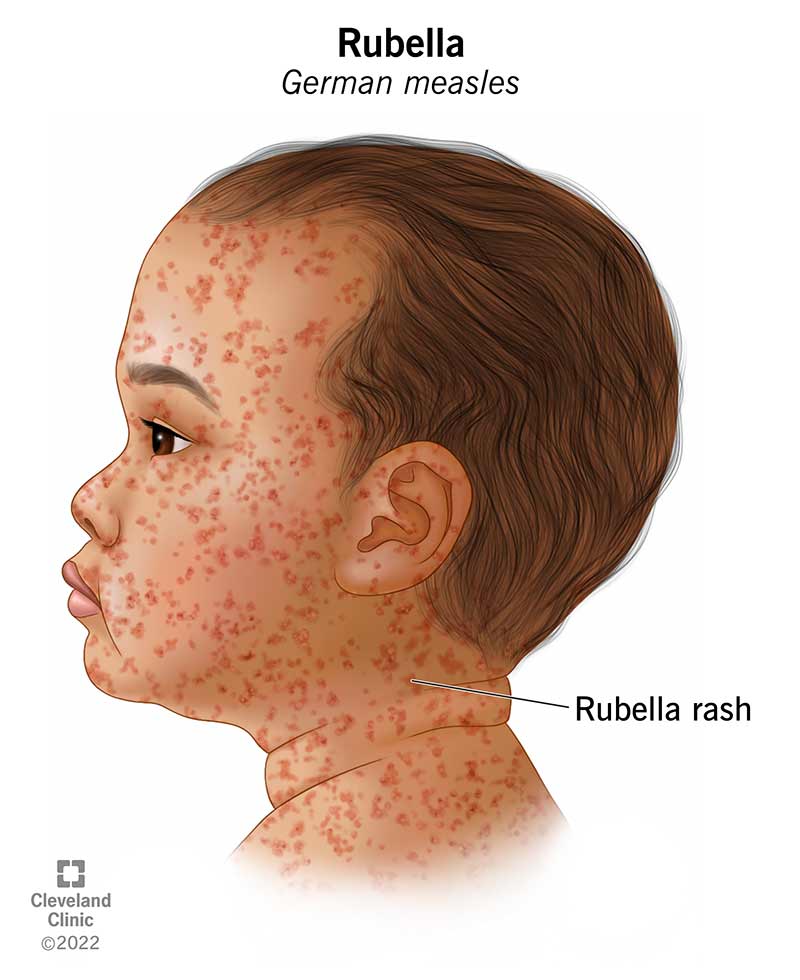
The symptoms of congenital Rubella can vary depending on the severity of the infection and the organs affected. Common symptoms include developmental delays, growth retardation, hearing loss, vision impairment, heart defects, and intellectual disabilities. Additionally, infants with congenital Rubella may exhibit a distinctive rash, which is one of the characteristic signs of Rubella infection.
Prevalence and Global Impact
Rubella infection and its associated birth defects have significant global implications. Before the introduction of widespread vaccination programs, Rubella epidemics occurred periodically, resulting in a high number of congenital Rubella cases. Today, thanks to vaccination efforts, the prevalence of congenital Rubella has significantly decreased in many parts of the world. However, it remains a serious concern in areas with low vaccination rates, and awareness and preventive measures are crucial to eliminate the disease globally.
Transmission and Infection
Transmission of Rubella Virus
The Rubella virus is highly contagious and primarily spreads through respiratory droplets when an infected person coughs or sneezes. It can also be transmitted through close contact with an infected individual. The virus can remain airborne for an extended period, making it easy for it to spread within communities. In the context of congenital Rubella, the virus can infect the fetus if the mother contracts Rubella during pregnancy and transmits it through the placenta.
Risk Factors for Rubella Infection in Pregnancy
Several factors increase the risk of Rubella infection during pregnancy. Lack of immunity due to non-vaccination or previous infection is a significant risk factor. Additionally, living in crowded environments, having close contact with infected individuals, and traveling to areas with ongoing Rubella outbreaks can increase the chances of exposure. It is crucial for pregnant women to take precautions and avoid exposure to the virus to protect their unborn babies.
Maternal Infection and Fetal Transmission
When a pregnant woman becomes infected with Rubella, the virus can cross the placenta and infect the developing fetus. The risk of transmission is highest during the first trimester when the baby’s organs are forming. The virus can cause substantial damage to the developing organs, leading to severe birth defects. Timely diagnosis and appropriate management are essential to minimize the impact of congenital Rubella on the fetus.

Effects on the Fetus
Birth Defects Associated with Congenital Rubella
Congenital Rubella can result in a wide range of birth defects, including hearing loss, vision impairment, heart abnormalities, developmental delays, intellectual disabilities, and growth retardation. These defects can vary in severity, and the impact on the baby’s health and development depends on the timing of the infection during pregnancy, the duration of viral exposure, and the overall health of the mother.
Developmental Issues and Growth Retardation
Infants with congenital Rubella may experience delays in their physical and cognitive development. They may have difficulties reaching developmental milestones, such as rolling over, sitting up, or walking. Additionally, the virus can affect the growth of the baby, leading to growth retardation and small stature. Early intervention, therapy, and support are crucial to promoting optimal development in affected infants.
Vision and Hearing Impairment
Rubella infection during pregnancy can cause significant damage to the baby’s sensory organs. Hearing loss is one of the most common complications, ranging from mild to profound. Vision impairment, including cataracts, retinopathy, and other eye abnormalities, is also frequently observed in infants with congenital Rubella. These sensory impairments can have a profound impact on the child’s overall development and quality of life.
Diagnosis and Screening
Diagnostic Tests for Congenital Rubella
Diagnosing congenital Rubella involves a combination of clinical evaluations, laboratory tests, and imaging studies. Serology tests can detect specific antibodies against the Rubella virus in the mother’s blood, which indicates recent or past infection. Additionally, ultrasound examinations can help identify fetal abnormalities associated with congenital Rubella. In some cases, amniocentesis may be performed to analyze the amniotic fluid for the presence of the virus.
Importance of Prenatal Screening
Prenatal screening for Rubella infection is critical to identify pregnant women at risk and offer appropriate interventions to minimize the impact on the fetus. Screening involves assessing the mother’s immune status through blood tests to determine if she has been previously vaccinated or infected with Rubella. Timely identification of non-immune women allows for counseling and vaccination strategies to prevent Rubella infection during pregnancy.
Postnatal Diagnosis and Follow-up
Postnatal diagnosis of congenital Rubella involves a comprehensive assessment of the baby’s physical and developmental health. Hearing and vision tests are crucial to identify any impairments and provide early interventions. Regular follow-up visits with specialists, such as pediatricians, ophthalmologists, and audiologists, are necessary to monitor the child’s progress and address any emerging issues promptly.
Prevention and Control
Rubella Vaccination Campaigns
Vaccination plays a vital role in preventing congenital Rubella. Routine vaccination of children and adolescents with the measles-mumps-rubella (MMR) vaccine significantly reduces the incidence of Rubella in the community, indirectly protecting pregnant women and their unborn babies. Vaccination campaigns, especially in countries with low vaccination rates, are crucial to achieving high population immunity and eliminating the transmission of rubella.
Importance of Herd Immunity
Herd immunity refers to the indirect protection that occurs when a significant portion of the population becomes immune to a specific disease, thereby reducing the transmission and protecting those who are vulnerable, such as newborns and pregnant women. Maintaining high vaccination coverage ensures herd immunity against Rubella, minimizing the risk of congenital Rubella and its severe consequences.
Vaccine Safety and Side Effects
The Rubella vaccine has been extensively studied and proven to be safe and effective. Common side effects are generally mild and include fever, rash, and soreness at the injection site. Serious adverse events are rare but can occur. However, the benefits of vaccination in preventing congenital Rubella far outweigh the minimal risks associated with the vaccine.
Management and Treatment
Supportive Care and Therapy
Infants diagnosed with congenital Rubella require comprehensive supportive care and therapy to address their specific needs. Physical, occupational, and speech therapies can facilitate the development of motor skills, communication, and overall independence. Early intervention programs, such as Early Childhood Development centers, play a crucial role in providing specialized care and support to affected infants and their families.
Antiviral Medications and Immunoglobulins
Antiviral medications and immunoglobulins have limited roles in the treatment of congenital Rubella. Antiviral drugs may be considered in specific cases to reduce viral replication and the severity of symptoms in affected infants. Immunoglobulin therapy may be administered to provide passive immunity for susceptible newborns. However, these treatments do not reverse the existing birth defects and are primarily aimed at managing symptoms and supporting the baby’s overall well-being.
Long-term Management of Congenital Rubella Syndrome
Congenital Rubella is a lifelong condition, and affected individuals require ongoing medical care and support. Regular follow-up visits with specialists are essential to monitor the progression of any existing health conditions and address emerging issues promptly. A multidisciplinary approach involving healthcare professionals from various specialties, such as pediatrics, ophthalmology, audiology, and rehabilitation, ensures comprehensive management and improves the quality of life for individuals with congenital Rubella.

Psychosocial Impact on Families
Emotional Distress and Coping Strategies
The diagnosis of congenital Rubella can have a profound emotional impact on families. Parents may experience a range of emotions, including grief, guilt, fear, and anxiety about the future. It is crucial for healthcare providers to offer emotional support, counseling, and guidance to help families cope with the challenges they face. Connecting families with support groups and other families in similar situations can also provide valuable emotional support.
Financial Burden and Social Stigma
Families caring for a child with congenital Rubella may face significant financial challenges due to the costs associated with medical care, therapy, assistive devices, and special education. Additionally, societal attitudes and misconceptions about disabilities can result in social stigma and exclusion. Raising awareness about congenital Rubella and advocating for the rights of affected individuals can help address these issues and reduce the burden on families.
Support Services for Affected Families
Numerous support services are available to assist families affected by congenital Rubella. These services may include financial assistance programs, respite care, early intervention services, and access to educational resources. Collaborating with community organizations, non-profit groups, and disability advocacy groups can help connect families with the support services they need to facilitate their child’s development, improve their quality of life, and enhance overall family well-being.
Educational Support and Integration
Special Education Needs and Individualized Education Plans
Children with congenital Rubella often have unique educational needs. Individualized Education Plans (IEPs) help tailor educational programs to meet the specific challenges and abilities of the child. These plans outline accommodations, modifications, and support services needed to facilitate the child’s learning and maximize their potential. Working collaboratively with teachers, special education professionals, and parents is essential in developing effective IEPs.
Inclusive Schooling and Classroom Modifications
Inclusive schooling aims to provide a supportive and accessible learning environment for all students, including those with disabilities. Classroom modifications, such as assistive technology, specialized seating arrangements, visual aids, and peer support, can help children with congenital Rubella actively participate and engage in classroom activities. Training teachers and school staff on inclusive practices and fostering a culture of acceptance and understanding are key to successful integration.
Transition Planning for Adulthood
Transition planning is crucial for individuals with congenital Rubella as they approach adulthood. This process involves identifying and facilitating the development of skills necessary for independent living, employment, and community engagement. Collaboration between educational institutions, vocational programs, healthcare providers, and community-based services is essential to ensure a smooth transition and empower individuals with congenital Rubella to lead fulfilling and productive lives.

Research and Advancements
Ongoing Research on Congenital Rubella
Research efforts continue to explore various aspects of congenital Rubella, including its impact on fetal development, mechanisms of viral transmission, and potential treatments. Ongoing studies aim to improve diagnostic techniques, develop more effective therapies, and enhance our understanding of the long-term outcomes and management of congenital Rubella.
Future Directions in Treatment and Prevention
Advancements in technology and medical research offer hope for the future prevention and treatment of congenital Rubella. Ongoing efforts focus on the development of novel antiviral drugs, innovative vaccine strategies, and better methods for early detection and intervention. Collaborative research initiatives between scientists, healthcare professionals, and policymakers are crucial in driving progress in the field and ultimately eradicating congenital Rubella.
Improvements in Early Detection and Intervention
Early detection of congenital Rubella is vital to initiate appropriate interventions and improve long-term outcomes. Advances in diagnostic techniques, such as genetic testing and prenatal screening, have significantly improved our ability to identify affected fetuses. Additionally, early intervention programs, including therapies and support services, have shown promising results in optimizing the development and quality of life for infants with congenital Rubella.
Conclusion
Understanding the Impact of Congenital Rubella
Congenital Rubella has long-lasting implications for the affected individuals and their families. The virus can cause a range of birth defects and developmental issues, affecting the baby’s sensory organs, growth, and cognitive abilities. It is essential to recognize the impact of congenital Rubella on individuals’ lives, promote awareness, and advocate for preventive measures.
Ensuring Access to Preventive Measures
Vaccination campaigns and widespread immunization programs are critical in preventing congenital Rubella. Maintaining high vaccination coverage and achieving herd immunity not only protects individuals but also safeguards pregnant women and their unborn babies from the devastating consequences of Rubella infection during pregnancy. Ensuring access to vaccines and overcoming vaccine hesitancy are essential in eliminating congenital Rubella globally.
Enhancing Support and Quality of Life for Individuals with Congenital Rubella Syndrome
Providing comprehensive support services, including medical care, therapy, educational support, and psychosocial assistance, is vital in enhancing the quality of life for individuals with congenital Rubella syndrome. Collaborative efforts involving healthcare providers, educators, policymakers, and community organizations can help address the unique needs and challenges faced by these individuals and their families, promoting inclusivity, empowerment, and overall well-being.