
- Processing the Initial Shock and Information Overload
Upon receiving an acoustic neuroma diagnosis, it’s completely natural to feel a whirlwind of emotions. The sheer volume of medical terms, treatment options, and potential implications can be overwhelming. This initial phase is about acknowledging these feelings and beginning to build a foundation for understanding and coping.
Embrace the Range of Emotions
You might experience feelings of shock, disbelief, fear, anxiety, anger, or even a strange sense of calm. There’s no “right” way to feel. Allow yourself to experience these emotions without judgment. Suppressing them will only make them surface later. Perhaps you cry, perhaps you become intensely focused on gathering information. Both are valid responses.
Give Yourself Time to Absorb
Don’t expect to understand everything immediately. The diagnosis is a significant event, and your brain needs time to process it. You’ll likely hear a lot of information in a short period. It’s okay to ask for a day or two to let it sink in before diving deep into research or making decisions. Tell your doctor you need a moment to breathe.
Identify Your Immediate Information Needs
As the LCA, I know that knowledge is power, especially when dealing with a new health challenge. Start by identifying the most crucial pieces of information you need right now. This might include:
- What is an acoustic neuroma, precisely?
- What are the immediate symptoms I might experience?
- What are the next steps in the diagnostic process (if any)?
- What are the primary treatment avenues available?
Focus on the immediate, not the distant future, for now. This approach makes the information digestible and less anxiety-inducing.
Designate a Trusted Information Receiver (or Two)
If you’re feeling overwhelmed, consider bringing a trusted friend or family member to your appointments. They can help listen, ask clarifying questions, and take notes, freeing you up to focus on understanding the information and your feelings. This person can also act as a sounding board as you process the news.
Schedule Your First Deep Dive into Reliable Resources
Once you’ve had a little time to absorb the initial shock, schedule a dedicated time for more in-depth research. This isn’t about endless scrolling through forums; it’s about strategically seeking out credible information.
- Official Medical Websites: Look for information from reputable sources like the National Institutes of Health (NIH), Mayo Clinic, Johns Hopkins Medicine, or specific neuro-oncology and ENT associations.
- Patient Advocacy Groups: Organizations dedicated to acoustic neuromas or brain tumors often have excellent patient-focused resources, including symptom guides, treatment overviews, and support networks.
- Your Medical Team’s Provided Materials: Your doctors will likely give you brochures or recommend specific websites. Start with these as they are tailored to your situation.
Avoid relying solely on personal anecdotes found in online forums in this initial stage. While valuable for support later, they can sometimes be misleading or unduly frightening when you’re still trying to grasp the basic facts.
- Building Your Expert Medical Team
As your Listicle Content Architect, I emphasize that assembling the right medical team is paramount. You’re not just a patient; you’re the conductor of your care orchestra. This means actively participating in selecting the specialists who will guide you through diagnosis, treatment, and recovery.
Understand the Core Specialists Involved
Acoustic neuroma care typically involves a multidisciplinary team. Knowing who these individuals are and what they do will help you understand your treatment landscape.
- Neurosurgeon: Specializes in surgical treatment of brain and spine disorders, including acoustic neuromas. They are the ones who will discuss surgical removal if that’s deemed the best course.
- Neuro-otologist or Otolaryngologist (ENT Specialist): Focuses on conditions of the ear, nose, and throat. They are crucial for assessing hearing loss, balance issues, and facial nerve function related to the tumor.
- Radiation Oncologist: If radiation therapy (like Gamma Knife or CyberKnife) is an option, this specialist plans and oversees the treatment. They are experts in using focused radiation to control tumor growth.
- Neurologist: While not always directly involved in treatment planning for acoustic neuromas unless there are broader neurological concerns, they can offer insights into nerve function and potential neurological impacts.
- Audiologist: Essential for comprehensive hearing assessments, understanding the extent of hearing loss, and exploring potential hearing preservation strategies or rehabilitative devices.
- Physical Therapist/Vestibular Therapist: Crucial for managing balance issues and dizziness, helping you regain stability and improve your quality of life.
Seek Second Opinions Strategically
It’s your right and often a wise decision to seek a second opinion, especially for a rare condition like an acoustic neuroma where treatment choices can have long-term implications.
- When to Seek a Second Opinion: If you’re unsure about the diagnosis, the proposed treatment plan, or if you simply want to feel more confident in your decision-making, a second opinion is invaluable.
- How to Approach It: Ask your current doctor for recommendations of other specialists. Prepare a concise summary of your medical history and current situation, and write down specific questions you want answered.
- What to Look For: Consider seeking opinions from centers of excellence or specialists with extensive experience in acoustic neuroma management.
Prepare for Your Appointments Like a Pro
Think of your medical appointments as crucial strategy sessions. The more prepared you are, the more productive they will be.
- Compile Your Medical History: Gather all relevant previous medical records, imaging reports, and lists of current medications and supplements.
- Write Down Your Symptoms: Detail your symptoms, including when they started, how they’ve progressed, what makes them better or worse, and their impact on your daily life. Be specific. Instead of “dizzy,” describe “a spinning sensation that lasts for 30 seconds a few times a day” or “a constant feeling of unsteadiness.”
- Formulate Your Questions: Create a prioritized list of questions for each specialist. This ensures you cover your most important concerns. Examples:
- “Given my tumor size and location, what are the pros and cons of surgery versus radiation for me?”
- “What is the likelihood of preserving my hearing with each treatment option?”
- “What are the potential long-term side effects of [proposed treatment]?”
- “What is the typical recovery timeline for [proposed treatment]?”
Foster Open Communication and Trust
Your relationship with your medical team is a partnership. Strive for open, honest communication.
- Be Honest About Your Fears and Expectations: Don’t hold back if you’re anxious about a procedure or have specific hopes for treatment outcomes.
- Understand Their Recommendations: Ask them to explain the reasoning behind their suggestions. You have the right to understand why a particular path is recommended.
- Trust Your Gut: While respecting your doctors’ expertise, if something feels off or you don’t feel heard, it’s okay to express that or seek another opinion.
- Navigating Treatment Options: Informed Decision-Making
As your LCA, I understand that the prospect of treatment can be daunting. This section is designed to help you approach the decision-making process for your acoustic neuroma with clarity and confidence, empowering you to choose the path that best aligns with your individual needs and priorities.
Understanding the Primary Treatment Approaches
While treatment plans are highly individualized, acoustic neuroma care generally falls into three main categories. It’s crucial to understand the fundamental principles of each.
- Observation (“Watchful Waiting”): For very small tumors or in individuals with significant health concerns that make treatment risky, a period of watchful waiting might be recommended. This involves regular MRI scans to monitor tumor growth and symptom development.
- Who it’s typically for: Small, asymptomatic tumors or individuals with high surgical/radiation risks.
- Key considerations: Requires diligence with follow-up scans; understanding that intervention might become necessary later.
- Surgery: This is often the preferred treatment for larger tumors or those causing significant symptoms. The goal is to remove as much of the tumor as safely possible.
- Types of Surgical Approaches: Your neurosurgeon will discuss different techniques (e.g., retrosigmoid, translabyrinthine, middle fossa craniotomy), each with its own potential impacts on hearing, facial nerve function, and recovery.
- Potential Benefits: Can lead to tumor removal, preventing further growth and potential pressure on the brainstem.
- Potential Risks: Hearing loss (often significant in the operated ear), facial nerve weakness or paralysis, balance issues, cerebrospinal fluid leak, infection, stroke.
- Radiotherapy (Stereotactic Radiosurgery): This involves precisely targeting the tumor with high-dose radiation to stop or slow its growth, without surgically removing it. It’s often used for smaller tumors, or when surgery might carry higher risks, or as an adjuvant therapy after partial removal.
- Types: Gamma Knife, CyberKnife are common modalities.
- Potential Benefits: Non-invasive, can preserve hearing and facial nerve function in many cases, tumor growth is typically halted.
- Potential Risks: Long-term effects can include radiation-induced necrosis, secondary tumors (very rare), and potential for hearing or facial nerve issues over time, though often less immediate than surgery.
Weighing the Factors in Your Personal Decision
Choosing a treatment is a deeply personal journey, and as your LCA, I want to equip you with the framework to make an informed decision that’s right for you.
- Tumor Size and Location: This is a primary determinant. Larger tumors are more likely to press on critical structures, increasing surgical risk and symptomology. Location influences the approach and potential for nerve preservation.
- Your Age and Overall Health: Younger, healthier individuals may be better candidates for more aggressive treatments like surgery. Those with co-existing medical conditions might lean towards less invasive options or watchful waiting.
- Your Symptoms and Their Impact on Your Life: How significantly are your current symptoms (hearing loss, tinnitus, dizziness, facial numbness) affecting your daily activities, work, and well-being? This will heavily influence your decision.
- Your Priorities for Nerve and Hearing Preservation: For some, preserving hearing in the affected ear is paramount. For others, the priority might be avoiding facial weakness. Be explicit about what matters most to you.
- Your Tolerance for Risk vs. Reward: Every treatment has risks and potential benefits. Understanding your personal comfort level with these will guide your choice. Are you more concerned with the immediate risks of surgery, or the potential for delayed issues with radiation?
- The Expertise of Your Medical Team: The experience and track record of your chosen specialists in managing acoustic neuromas are crucial. They can offer the most accurate prognosis and outcomes for each treatment modality.
Developing Your “Questions for the Specialist” List
Before meeting with your primary surgical or radiation oncologist, arm yourself with a comprehensive list of questions. Categorize them to ensure you cover all bases.
- Regarding Treatment Efficacy:
- “What are the success rates (tumor control/removal) for this treatment in patients with tumors like mine?”
- “What is the expected outcome for tumor shrinkage or growth cessation?”
- Regarding Functional Preservation:
- “What is the estimated percentage chance of preserving hearing in the affected ear with this treatment?”
- “What is the likelihood of experiencing facial nerve weakness or paralysis, and what is the potential for recovery?”
- “How will this treatment likely affect my balance and potential for dizziness?”
- Regarding Recovery and Lifestyle:
- “What is the typical recovery period after this treatment?”
- “When can I expect to return to work and normal daily activities?”
- “What are the long-term lifestyle adjustments I might need to consider?”
- Regarding Side Effects and Risks:
- “What are the most common short-term side effects of this treatment, and how are they managed?”
- “What are the potential long-term risks, and how are they monitored?”
- “What are the signs of complications I should watch for, and who should I contact if I experience them?”
Creating a Decision Matrix (Optional but Recommended)
For a visual learner or someone who thrives on structure, consider creating a simple decision matrix. List your treatment options as rows and key decision factors (e.g., Hearing Preservation, Risk of Facial Weakness, Recovery Time, Long-Term Efficacy) as columns. Assign a score (e.g., 1-5) or a qualitative rating to each option for each factor. This can help highlight trade-offs and areas where priorities align with specific treatments.
- Managing Symptoms and Enhancing Quality of Life
As your LCA, my goal is to ensure that even while navigating the complexities of an acoustic neuroma, you’re actively working to maintain and improve your quality of life. This isn’t about waiting for treatment to be over; it’s about proactive symptom management and lifestyle adjustments starting now.
Addressing Hearing Loss and Tinnitus
These are among the most common and often distressing symptoms associated with acoustic neuromas. Proactive management can make a significant difference.
- Formal Audiological Assessments: Continuously work with your audiologist. Understand your current hearing levels, how they’re changing, and what rehabilitation options are available.
- Hearing Aids and Assistive Listening Devices: Depending on the degree and pattern of hearing loss, a hearing aid in the affected ear might be beneficial, though success can vary. Bone-anchored hearing aids (BAHA) are often very effective for single-sided deafness.
- Cochlear Implants: In cases of severe or profound hearing loss where hearing aids are ineffective and other treatments have led to deafness in that ear, a cochlear implant may be an option to restore some level of sound perception. Discuss this thoroughly with your audiologist and surgeon.
- Tinnitus Management Strategies: Tinnitus can be exacerbated by hearing loss.
- Sound Therapy: Using background noise (white noise machines, fans, nature sounds) or specialized tinnitus maskers can help make the ringing less noticeable during quiet periods.
- Cognitive Behavioral Therapy (CBT): This approach helps you change your perception and reaction to the tinnitus, reducing its impact on your mood and daily life.
- Mindfulness and Relaxation Techniques: Stress can worsen tinnitus. Practices like meditation and deep breathing can help create a sense of calm.
Dealing with Balance Issues and Dizziness
Vestibular challenges can be frustrating and impact mobility and confidence.
- Vestibular Rehabilitation Therapy (VRT): This is a specialized form of physical therapy designed to help your brain compensate for imbalances in the inner ear. Your VRT therapist will guide you through exercises to improve:
- Habituation: Reducing dizziness triggered by specific movements.
- Gaze Stabilization: Improving your ability to focus on stationary objects while your head is moving.
- Balance and Gait Training: Enhancing your stability and reducing the risk of falls.
- Home Safety Modifications: Identify and mitigate fall risks in your environment. This might include:
- Ensuring good lighting, especially on stairs.
- Removing tripping hazards like loose rugs.
- Installing grab bars in bathrooms.
- Using non-slip mats in the shower.
- Assistive Devices: Consider using a cane or walker if you experience significant unsteadiness, particularly when navigating unfamiliar environments.
Managing Facial Weakness or Numbness
If you experience facial nerve issues, working with specialists can help.
- Facial Rehabilitation Exercises: Specific exercises recommended by your doctor or a speech therapist can help maintain muscle tone and improve function over time.
- Eye Care: Facial weakness can impair the ability to close your eyelid properly, leading to dry eyes. Use lubricating eye drops frequently and consider moisture goggles or taping your eye shut at night if recommended by your ophthalmologist.
- Speech and Swallowing Support: In some cases, facial weakness can affect speech clarity or swallowing. A speech-language pathologist can provide exercises and strategies to manage these challenges.
Nutritional Support and General Well-being
Your overall health plays a significant role in your ability to cope with diagnosis and treatment.
- Balanced Diet: Focus on a diet rich in fruits, vegetables, lean proteins, and whole grains. Proper nutrition supports your immune system and can aid in recovery.
- Hydration: Drinking adequate water is crucial for overall bodily functions, including brain health and tissue repair.
- Adequate Sleep: Aim for 7-9 hours of quality sleep per night. Poor sleep can exacerbate fatigue, anxiety, and other symptoms. Establishing a regular sleep schedule and creating a relaxing bedtime routine are key.
- Gentle Exercise: If medically cleared, engage in regular, gentle physical activity like walking, swimming, or yoga. Exercise can boost mood, improve energy levels, and aid in balance. Always inform your doctor about any new exercise routines you plan to adopt.
- Building a Robust Support Network and Emotional Resilience
As your Listicle Content Architect, I recognize that managing an acoustic neuroma is not solely a medical journey; it’s profoundly emotional and social. Cultivating a strong support system and fostering emotional resilience are critical components of your well-being and recovery.
The Power of Emotional Expression and Processing
Don’t underestimate the importance of acknowledging and processing your feelings.
- Journaling: Regularly writing down your thoughts and emotions can be a powerful release and a way to track your emotional landscape. You might notice patterns or identify triggers for anxiety or stress.
- Mindfulness and Meditation: These practices help you stay present and observe your thoughts and feelings without judgment. They can create a sense of calm amidst uncertainty. Numerous apps and guided meditations are available to assist you.
- Deep Breathing Exercises: Simple yet effective, deep diaphragmatic breathing can activate your body’s relaxation response, reducing stress and anxiety. Practice these daily, especially during challenging moments.
Connecting with Loved Ones: The Core of Your Support System
Your closest relationships are often your most significant source of strength.
- Open and Honest Communication: Share your feelings, fears, and needs with your trusted circle. Be specific about how they can help. Do you need someone to listen, help with practical tasks, or simply be present?
- Educate Your Support Network: Help your loved ones understand what an acoustic neuroma is, the treatment options you’re considering, and what to expect during your journey. This reduces their anxiety and allows them to offer more informed support.
- Accept Help Graciously: It’s natural to want to be independent, but accepting help is a sign of strength, not weakness. Let people assist with errands, meal preparation, childcare, or simply provide companionship.
Seeking Out Peer Support: The Community of Experience
Connecting with others who have faced similar challenges can be incredibly validating and empowering.
- Patient Support Groups: Organizations focused on acoustic neuromas or brain tumors often host in-person or online support groups. These are invaluable for:
- Sharing Experiences: Hearing from others who have been through similar diagnostic and treatment pathways.
- Gaining Practical Tips: Learning about coping strategies and solutions that have worked for others.
- Reducing Isolation: Realizing you are not alone in your journey.
- Online Forums and Communities: While caution is advised regarding medical advice, online forums can be useful for emotional support and connecting with a wider community. Look for moderated forums associated with reputable organizations.
- One-on-One Peer Matching: Some organizations offer programs that connect individuals with similar diagnoses and experiences for one-on-one conversations.
Building Emotional Resilience: Your Inner Toolkit
Resilience isn’t about avoiding difficult emotions; it’s about your capacity to bounce back and adapt in the face of adversity.
- Focus on What You Can Control: While you can’t control the tumor itself, you can control your attitude, your effort in seeking information, and your engagement with your treatment and care team.
- Celebrate Small Victories: Acknowledge and appreciate your progress, no matter how small. Finishing a challenging exercise, having a good day symptom-wise, or successfully advocating for yourself in a medical appointment are all wins.
- Maintain a Sense of Purpose: Engaging in activities you enjoy, pursuing hobbies, or continuing meaningful work (as your health allows) can provide a sense of normalcy and purpose.
- Practice Self-Compassion: Be kind to yourself. There will be good days and bad days. Avoid self-criticism and treat yourself with the same understanding and empathy you would offer a friend.
Professional Support: When to Seek Additional Help
Don’t hesitate to reach out to mental health professionals.
- Therapists and Counselors: A therapist specializing in chronic illness or health psychology can provide strategies for managing anxiety, depression, grief, and the psychological impact of a serious diagnosis.
- Psychiatrists: If you are experiencing significant symptoms of depression or anxiety that are interfering with your daily life, a psychiatrist can assess the need for medication.
Remember, building a robust support network and cultivating emotional resilience is an ongoing process. Be patient with yourself, actively engage with your community, and prioritize your mental and emotional well-being throughout your acoustic neuroma journey.
- Planning for the Long Term: Monitoring, Rehabilitation, and Advocacy
As your Listicle Content Architect, I want to impress upon you the importance of thinking beyond the immediate treatment phase. A diagnosis of acoustic neuroma necessitates a long-term perspective, focusing on continued monitoring, dedicated rehabilitation, and becoming your own most effective advocate. This is about building a sustainable path to well-being.
Understanding Ongoing Monitoring and Follow-Up
Even after treatment, your acoustic neuroma journey isn’t over. Consistent follow-up is vital.
- Regular MRI Scans: Depending on the initial treatment and the behavior of the tumor, you will likely have periodic MRI scans. These are crucial for:
- Detecting Recurrence: Ensuring the tumor has not regrown.
- Monitoring Residual Tumor: If only a portion of the tumor was removed, monitoring its stability is key.
- Identifying New Lesions: Though rare, it’s important to rule out other issues.
- Audiological and Vestibular Check-ups: Your hearing and balance may continue to change. Regular assessments by your audiologist and/or vestibular therapist are essential to:
- Track Hearing Changes: Adjusting hearing aid settings or exploring new assistive devices as needed.
- Monitor Balance Function: Identifying any decline and adjusting rehabilitation strategies.
- Assess Other Symptoms: Keeping an eye on tinnitus, facial numbness, or any emerging symptoms that might indicate a need for further investigation.
- Neurological Examinations: Your neurosurgeon or neurologist will likely perform regular examinations to assess cranial nerve function, particularly facial nerve and balance.
The Continuous Journey of Rehabilitation
Rehabilitation is not a one-time event; it’s often an ongoing process of adaptation and improvement.
- Adapting VRT Strategies: As your condition evolves or if new balance challenges arise, your vestibular therapist can help you adapt your exercises.
- Hearing Aid Adjustments and New Technologies: The field of hearing assistive technology is constantly advancing. Stay in touch with your audiologist about new fittings, programming options, or emerging devices.
- Speech and Swallowing Therapy: If initial treatment caused or exacerbated speech or swallowing difficulties, continued therapy may be beneficial for maintaining or improving function.
- Occupational Therapy: For individuals experiencing significant functional limitations impacting daily activities, an occupational therapist can provide strategies and adaptive tools to improve independence and quality of life.
Championing Your Own Health: Self-Advocacy in Practice
Becoming your own advocate is perhaps the most critical long-term strategy. You are the expert on your own body and your own experience.
- Be Knowledgeable: Continue to educate yourself about acoustic neuromas and your specific situation. Understand your imaging reports, your treatment plan, and the potential implications.
- Communicate Effectively:
- Be Specific with Your Doctors: When describing symptoms, use clear, descriptive language. Report any changes, even if they seem minor.
- Ask “Why?”: Don’t hesitate to ask for clarification on any recommendation or treatment. Understanding the rationale empowers you.
- Bring a List of Questions to Every Appointment: This ensures you don’t forget important concerns in the moment.
- Be Persistent: If you feel a symptom is being overlooked or if you’re not satisfied with an answer, politely but firmly continue to ask for clarification or seek a second opinion.
- Document Everything: Maintain a detailed record of your appointments, treatment summaries, test results, medications, and any side effects or changes you experience. This creates a comprehensive medical history for yourself and can be invaluable when communicating with different healthcare providers.
- Become an Informed Patient: Understand your insurance coverage, the costs associated with your care, and explore any patient assistance programs that might be available.
Adapting Your Lifestyle for Sustainable Well-being
Long-term success involves integrating healthy habits into your daily life.
- Prioritize Stress Management: Develop a consistent practice of stress-reducing activities, whether it’s meditation, yoga, spending time in nature, or engaging in enjoyable hobbies. Chronic stress can negatively impact overall health.
- Healthy Diet and Exercise: Continue to prioritize a balanced diet and regular, appropriate physical activity as recommended by your healthcare team.
- Emotional Check-ins: Make time for regular self-reflection. How are you feeling emotionally? Are you managing well? Adjust your support strategies or seek professional help as needed.
- Re-evaluating Goals and Priorities: Your experience with an acoustic neuroma may prompt you to re-evaluate your life goals and priorities. Embrace this opportunity for personal growth and fulfillment.
By focusing on these long-term strategies, you empower yourself to live a full and meaningful life, managing your acoustic neuroma effectively and confidently. Your journey is unique, and you have the strength and resources to navigate it successfully.
FAQs
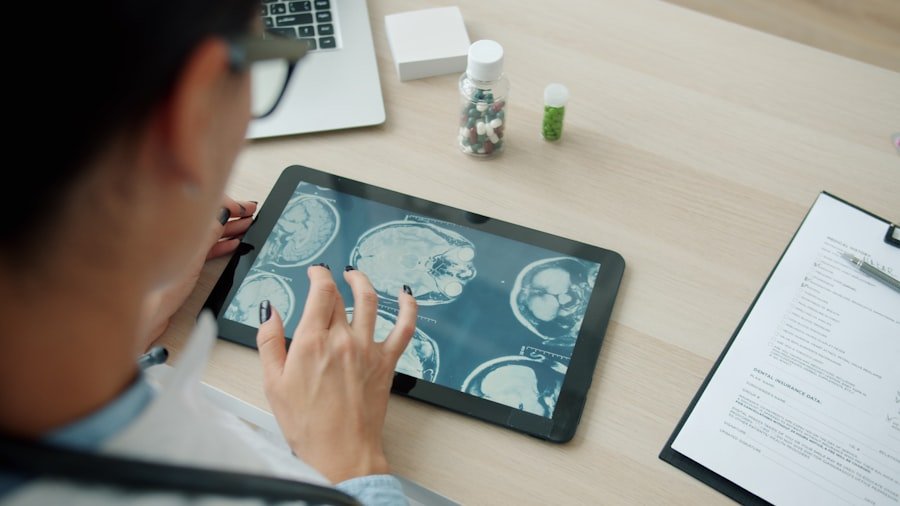
What is an acoustic neuroma?
An acoustic neuroma is a non-cancerous tumor that develops on the main nerve leading from the inner ear to the brain. It is also known as a vestibular schwannoma.
What are the symptoms of an acoustic neuroma?
Symptoms of an acoustic neuroma may include hearing loss, ringing in the ear, dizziness, balance problems, facial numbness or weakness, and headaches.
How is an acoustic neuroma diagnosed?
An acoustic neuroma is typically diagnosed through a combination of a patient’s medical history, a physical examination, and imaging tests such as MRI or CT scans.
What are the treatment options for an acoustic neuroma?
Treatment options for an acoustic neuroma may include observation, radiation therapy, or surgical removal of the tumor, depending on the size and location of the tumor and the patient’s overall health.
How can one cope with an acoustic neuroma diagnosis?
Coping with an acoustic neuroma diagnosis may involve seeking support from healthcare professionals, joining support groups, educating oneself about the condition, and exploring treatment options to make informed decisions.