
Imagine having a space where you feel at ease, where your worries and anxieties melt away as soon as you step inside. Creating an anxiety-free environment is crucial for maintaining a sense of calm and tranquility in your daily life. In this article, we will explore some simple yet effective tips on how to transform your space into a sanctuary that promotes relaxation and peace of mind. From incorporating soothing colors to decluttering your surroundings, these suggestions will help you create the ideal environment for finding serenity amidst the chaos of everyday life. So, take a deep breath, and let’s embark on a journey towards a calm and stress-free space. Anxiety is a common and often overwhelming experience for many people. The daily stresses of life can take a toll on our mental and emotional well-being, making it essential to create a tranquil space where you can relax, unwind, and find a sense of calm. Designing a serene environment can have a significant impact on reducing anxiety levels and promoting a more peaceful state of mind. In this article, we will explore various strategies and techniques to help you create a tranquil space that fosters relaxation and promotes a sense of inner peace.
Choosing a Relaxing Color Palette
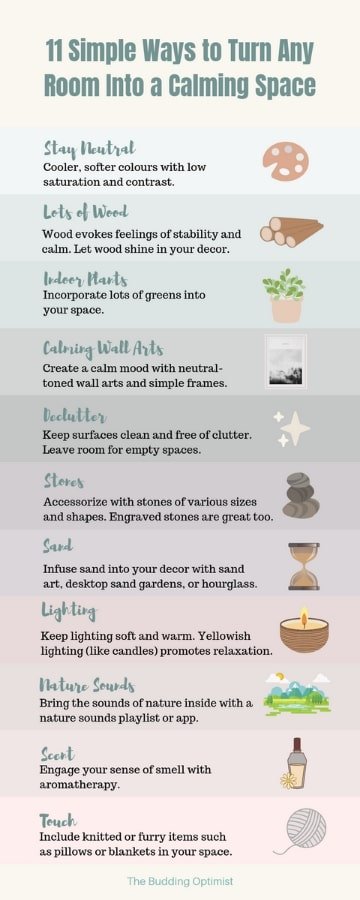
The choice of colors in your environment can have a profound effect on your mood and overall well-being. When designing a tranquil space, it is important to select a calming color palette that promotes relaxation. Soft, muted tones such as pastels, neutrals, and earthy hues are ideal choices for creating a serene atmosphere. Colors like blues, greens, and lavenders are known for their soothing and calming effects. These colors can help create a peaceful ambiance and evoke a sense of tranquility in your space.
Creating a Clutter-Free Environment
A cluttered space can contribute to feelings of stress and anxiety. It is essential to create a clutter-free environment to promote a sense of calm and serenity. Begin by decluttering and organizing your space. Get rid of any unnecessary items and create designated areas for everything you need. Invest in storage solutions such as bins, baskets, and shelves to help maintain an organized space. Keeping a tidy and clutter-free environment will not only enhance the visual appeal of your space but also create a sense of order and promote a more relaxed state of mind.
Incorporating Natural Elements
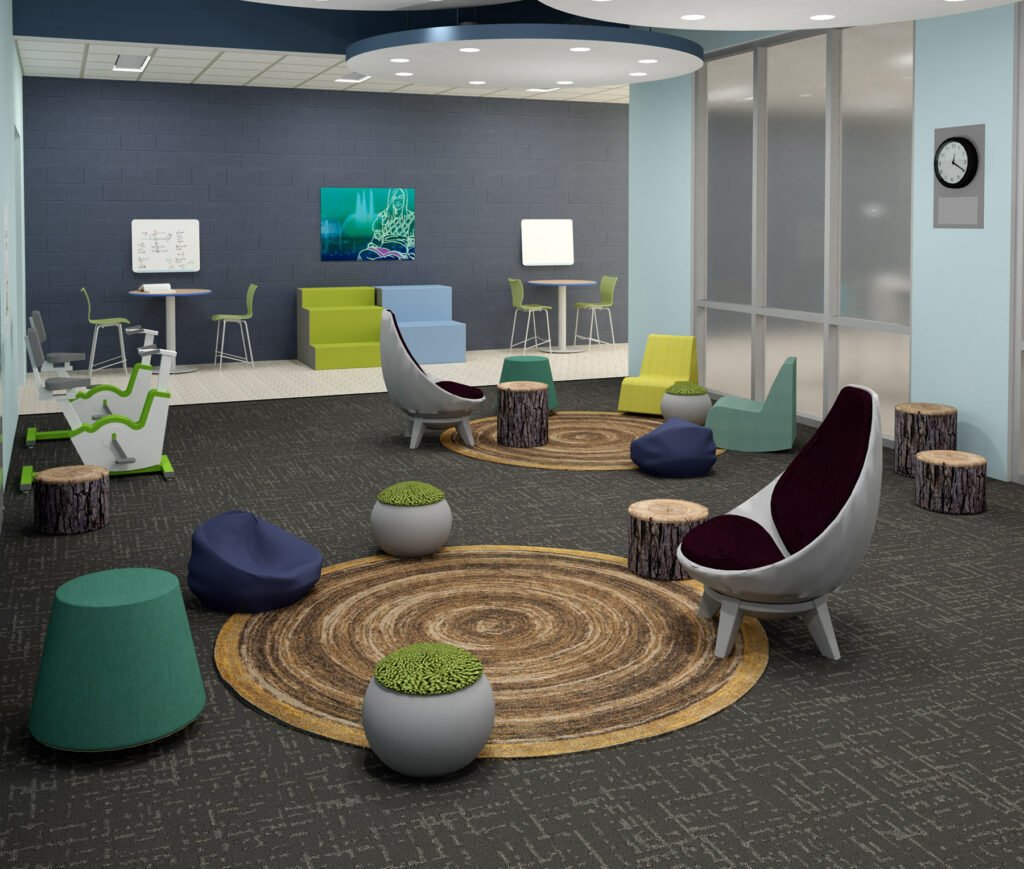
Bringing elements of nature into your space can significantly contribute to a tranquil ambiance. Incorporating natural elements such as plants, flowers, and natural textures can create a soothing and grounding atmosphere. Indoor plants not only add visual appeal to your space but also have proven benefits for mental well-being. Studies have shown that spending time with nature, even in indoor settings, can reduce stress levels and improve overall well-being. Consider adding potted plants or a small herb garden to your space to introduce the calming presence of nature.
Establishing a Daily Routine
Creating a sense of structure and routine in your daily life can help reduce anxiety and promote a sense of calm. Establishing a consistent schedule that includes regular self-care practices can contribute to your overall well-being. Set aside specific times for activities such as exercise, meditation or mindfulness practices, and leisure activities. Structure your day to include breaks for rest and relaxation. Having a daily routine in place provides a sense of stability and predictability, which can help alleviate anxiety and create a more tranquil environment.
Organizing Physical Spaces
An organized physical space can have a profound impact on your mental well-being. When everything has a designated place, it is easier to find what you need, reducing feelings of stress and anxiety. Take the time to declutter and organize your physical spaces, such as your workspace, kitchen, and living areas. Invest in storage solutions that fit your needs and keep your belongings neatly organized. Whether it’s utilizing drawer dividers, labeling containers, or implementing shelving systems, finding an organizational strategy that works for you will create a more serene and peaceful environment.
Implementing Digital Organization Tools
In today’s digital age, managing digital clutter is just as important as physical clutter. Consider implementing digital organization tools to help create a calm and stress-free environment on your devices. Use digital decluttering techniques such as organizing files into folders, deleting unnecessary files and apps, and managing email subscriptions. Utilize productivity apps and digital calendars to keep track of tasks and appointments. By implementing digital organization tools, you can create a serene digital space that promotes focus and reduces anxiety.
Using Soft Lighting
The type of lighting used in a space can significantly impact the overall ambiance and mood. Soft lighting, such as warm-toned bulbs or dimmable lights, can create a cozy and soothing atmosphere. Avoid harsh overhead lighting and instead opt for softer, indirect light sources such as floor lamps, table lamps, or string lights. Incorporating lighting fixtures that allow you to adjust the brightness and color temperature can help create an environment that is tailored to your relaxation needs.
Playing Relaxing Music or Nature Sounds
Music has long been recognized for its ability to evoke emotions and create a sense of calm. Incorporating relaxing music or nature sounds into your tranquil space can enhance the peaceful ambiance and promote relaxation. Choose soothing instrumental music, ambient tracks, or nature sounds such as gentle rainfall or ocean waves. Experiment with different genres to find what resonates with you and helps you achieve a tranquil state of mind. Consider investing in a quality speaker system or headphones to experience the full effect of the music.
Diffusing Calming Essential Oils
Aromatherapy has been used for centuries to promote relaxation and alleviate stress. Essential oils, derived from plants, flowers, and herbs, have therapeutic properties that can help create a soothing environment. Consider using a diffuser to disperse calming essential oils throughout your space. Lavender, chamomile, and ylang-ylang are known for their calming properties and can help reduce anxiety. Experiment with different essential oils and find the scents that resonate with you the most. Creating a tranquil space that smells pleasant and inviting can contribute to a more peaceful state of mind.
Investing in Supportive Chairs
When designing a tranquil space, it is essential to consider the comfort and ergonomics of seating. Investing in supportive chairs that promote proper posture can help prevent discomfort and create a more relaxing environment. Look for chairs with adjustable features such as height, lumbar support, and armrests. Consider cushioning options that provide both support and comfort. Ergonomic seating not only enhances physical well-being but also contributes to a calm and focused mindset.
Choosing Cozy and Soft Fabrics
The choice of fabrics in your space can significantly impact the comfort and overall ambiance. Opt for cozy and soft fabrics such as plush pillows, blankets, and rugs to create a warm and inviting environment. Consider natural materials such as cotton, wool, or cashmere for their tactile softness. Incorporating these fabrics into your seating areas and décor elements can enhance the comfort and relaxation of your tranquil space, making it an ideal retreat to unwind and destress.
Adding Cushions and Pillows
Enhance the comfort and coziness of your tranquil space by adding cushions and pillows to seating areas. Soft, supportive cushions can provide extra comfort and relaxation. Consider using a variety of sizes, shapes, and textures to create visual interest while also offering different options for seating support. Experiment with different designs and colors to find the ones that align with your personal aesthetic and contribute to a soothing ambiance.

Keeping a Clean and Tidy Desk
A cluttered and disorganized desk can lead to feelings of stress and overwhelm. Keeping your workspace clean and tidy is crucial to maintaining a stress-free work area. Take a few minutes each day to clear away any unnecessary items and ensure that everything has a designated place. Create an organizational system that works for you, whether it’s using file folders, desk organizers, or digital note-taking apps. A clean and tidy desk promotes focus and reduces distractions, allowing for a more productive and tranquil work environment.
Utilizing Desk Organizers
Desk organizers are essential tools for creating an organized and clutter-free work area. Invest in desk organizers such as pen holders, trays, and file holders to keep your desk neat and tidy. Use them to separate different types of stationery, store important documents, and maintain a sense of order in your workspace. By having a designated spot for everything, you can easily find what you need and create a more tranquil environment that promotes productivity and reduces stress.
Creating a Distraction-Free Zone
Minimizing distractions is key to fostering a tranquil and stress-free work area. Identify potential distractions in your workspace and take steps to minimize or eliminate them. Turn off notifications on your phone or computer to reduce interruptions. Consider using noise-cancelling headphones or playing ambient background sounds to help drown out external noises. Creating a distraction-free zone allows you to concentrate on your work and promotes a sense of calm and focus.
Practicing Deep Breathing Exercises
Deep breathing exercises are a simple yet effective technique for reducing anxiety and promoting relaxation. Incorporate deep breathing exercises into your daily routine to create a tranquil space. Sit or lie down in a comfortable position and take slow, deep breaths, focusing on inhaling and exhaling fully. Deep breathing can help slow down your heart rate, lower blood pressure, and activate the body’s relaxation response. By practicing deep breathing exercises in your tranquil space, you can quickly find relief from anxiety and create a peaceful state of mind.
Using Meditation and Mindfulness Apps
Meditation and mindfulness are powerful practices for cultivating calm and reducing anxiety. Utilize meditation and mindfulness apps to incorporate these practices into your tranquil space. There are various apps available that offer guided meditations, breathing exercises, and mindfulness techniques. Find an app that resonates with you and fits your needs. Set aside dedicated time in your daily routine to engage in meditation or mindfulness practices. Using these apps in your tranquil space allows you to disconnect from external stressors and focus on finding inner peace.
Integrating Progressive Muscle Relaxation
Progressive muscle relaxation is a technique that involves tensing and releasing different muscle groups to promote relaxation. This practice is particularly helpful in releasing tension and stress from the body. Find a comfortable space in your tranquil environment to practice progressive muscle relaxation. Start by tensing and releasing each muscle group, starting from your toes and working your way up to your head. This technique can help you become more aware of your body and release built-up tension, creating a more tranquil and relaxed state.
Using Indoor Plants and Greenery
Bringing the outdoors inside can have a profound impact on creating a tranquil space. Incorporating indoor plants and greenery can help reduce anxiety and create a calming atmosphere. Indoor plants not only add visual appeal to your space but also purify the air and improve indoor air quality. Choose low-maintenance plants such as spider plants, snake plants, or peace lilies that thrive in indoor environments. Integrate plants into your tranquil space, placing them strategically to create a sense of balance and harmony.
Displaying Nature-inspired Artwork
Artwork has the power to evoke emotions and create a connection with nature. Displaying nature-inspired artwork in your tranquil space can help create a sense of calm and serenity. Choose paintings, photographs, or prints that feature natural landscapes, serene seascapes, or botanical imagery. The artwork should evoke feelings of tranquility and help create a visual escape in your environment. Consider creating a gallery wall or incorporating a large focal piece that brings the beauty of nature into your tranquil space.
Integrating Natural Materials and Textures
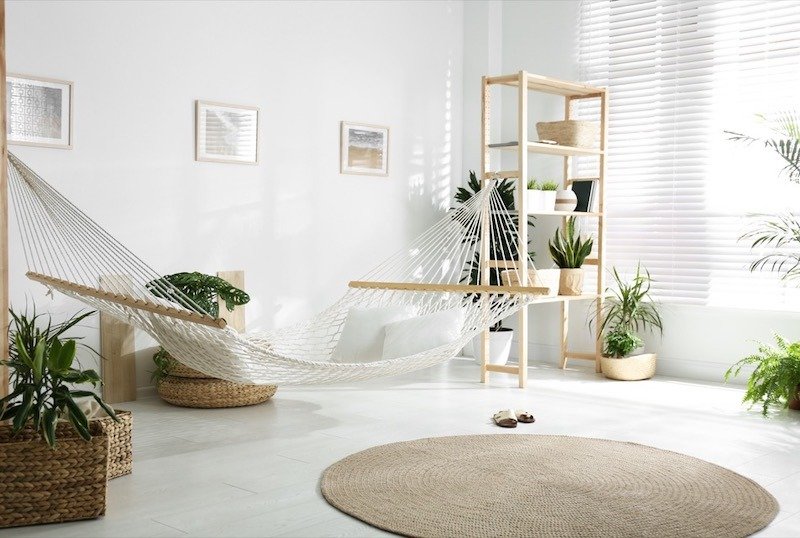
Natural materials and textures can create a soothing and grounding environment. Incorporate natural elements such as wood, stone, or bamboo into your tranquil space. Choose furniture, flooring, and décor items made from natural materials to add a touch of earthiness and warmth. Incorporate textures such as woven fabrics, jute rugs, or rattan accents to create visual interest while promoting a sense of tranquility. By integrating natural materials and textures, you can create a serene and harmonious space that connects you to the beauty of nature.
Establishing Device-free Zones
In a world that is constantly connected and screen-centric, it is essential to establish device-free zones in your tranquil space. Identify specific areas or times of day when devices are prohibited. Designate these spaces as device-free zones, where you can disconnect from technology and focus on rest and relaxation. Consider creating a separate room or corner in your space where devices are not allowed or implementing device-free hours during specific times of the day. Disconnecting from screens promotes a sense of presence and allows you to fully unwind and destress.
Setting Boundaries for Screen Time
While it may not be possible to completely eliminate screen time, setting boundaries for its usage is crucial for creating a tranquil environment. Establish specific rules and limitations for screen time in your tranquil space. Designate certain hours of the day when screens are off-limits or set time limits for specific activities. By setting boundaries, you can create a more balanced and mindful approach to technology use, allowing you to fully enjoy the calming benefits of your tranquil space.
Using Apps for Digital Well-being
Take advantage of technology to promote digital well-being in your tranquil environment. There are various apps and tools available that can help you manage screen time, limit distractions, and promote mindfulness. Utilize apps that track your screen time, block certain apps or websites during specific hours, or provide reminders for breaks and time offline. Experiment with different apps and find the ones that align with your goals and values. By incorporating digital well-being apps into your tranquil space, you can create a healthy relationship with technology and maintain a calm and focused mindset.
Designating Space for Physical Activities
Physical exercise and movement are essential for promoting overall well-being and reducing anxiety. When designing your tranquil space, consider allocating a specific area for physical activities. It could be a small corner for yoga or stretching, or a dedicated room for exercise equipment. Choose an area with ample space and good ventilation to create a comfortable and inviting environment for physical activities. This designated space will remind you to prioritize your physical health and serve as a reminder to incorporate movement into your daily routine.
Incorporating Stretching Breaks
Incorporating stretching breaks into your daily routine can help relieve muscle tension, improve circulation, and reduce anxiety. Set aside specific times throughout the day to stretch and move your body. Consider incorporating gentle stretches that target areas prone to tension, such as the neck, shoulders, and back. Take short breaks from your work or daily tasks to focus on stretching and releasing tension in your muscles. By incorporating stretching breaks into your tranquil space, you can promote physical and mental well-being, while also creating a more peaceful and serene environment.
Encouraging Regular Exercise
Regular exercise has countless benefits for both physical and mental well-being. When designing your tranquil space, make it a priority to encourage and facilitate regular exercise. Consider incorporating exercise equipment such as a treadmill, stationary bike, or weights, depending on your preference and fitness goals. If space is limited, explore options such as resistance bands, yoga mats, or online exercise classes that require minimal equipment. By creating a space that supports regular exercise, you can infuse your tranquil environment with a sense of vitality and promote overall well-being.
Displaying Sentimental Objects
Personalizing your tranquil space with sentimental objects can create a sense of comfort and familiarity. Display items that hold sentimental value or evoke positive memories. Consider photographs of loved ones, gifts from cherished friends, or mementos from meaningful experiences. These objects can serve as reminders of happy moments, comforting you during stressful times. Displaying sentimental objects in your tranquil space creates a connection to positive emotions and adds a personal touch to your environment.
Incorporating Hobbies and Interests
Including hobbies and interests in your tranquil space can enhance relaxation and promote a sense of fulfillment. Identify activities that bring you joy and relaxation, whether it’s reading, crafting, painting, or playing an instrument. Dedicate a specific area in your tranquil space for these activities. Set up a cozy reading nook with a comfortable chair and a bookshelf filled with your favorite books. Create a small art corner with essential art supplies or dedicate a space for your musical instruments. By incorporating your hobbies and interests into your tranquil space, you can create a haven for relaxation and self-expression.
Designing a Restful Bedroom
Your bedroom should be a sanctuary for rest and rejuvenation. Designing a restful bedroom is crucial for promoting a tranquil environment. Choose calming colors for your bedroom walls to create a soothing atmosphere. Invest in a comfortable mattress, supportive pillows, and soft bedding to ensure a restful night’s sleep. Clear away any clutter and create a serene and uncluttered space. Consider blackout curtains or blinds to block out external light sources that may disrupt your sleep. Designing a restful bedroom allows you to create an environment that promotes deep relaxation and a good night’s sleep.
In conclusion, creating a tranquil space is essential for reducing anxiety and promoting a sense of calm and well-being. By incorporating elements such as a relaxing color palette, a clutter-free environment, natural elements, and soothing ambience, you can transform any space into a sanctuary of tranquility. Additionally, implementing strategies such as establishing a daily routine, incorporating relaxation techniques, promoting physical exercise, and personalizing your space can further enhance its tranquility. Remember that everyone’s preferences and needs are unique, so feel free to adapt and customize these suggestions to create a tranquil space that perfectly suits you.