
Dementia And Memory Loss: What’s The Difference?
Dementia and memory loss are terms that you might encounter frequently, especially as you, or someone close to you, may experience challenges with memory and cognition. While these terms are often used interchangeably, they don’t refer to the same conditions. Understanding the difference can empower you to navigate the complexities of cognitive health more effectively. This article will guide you through the nuances of dementia and memory loss, shedding light on their distinctions, similarities, and what they entail for you or your loved ones.

What is Dementia?
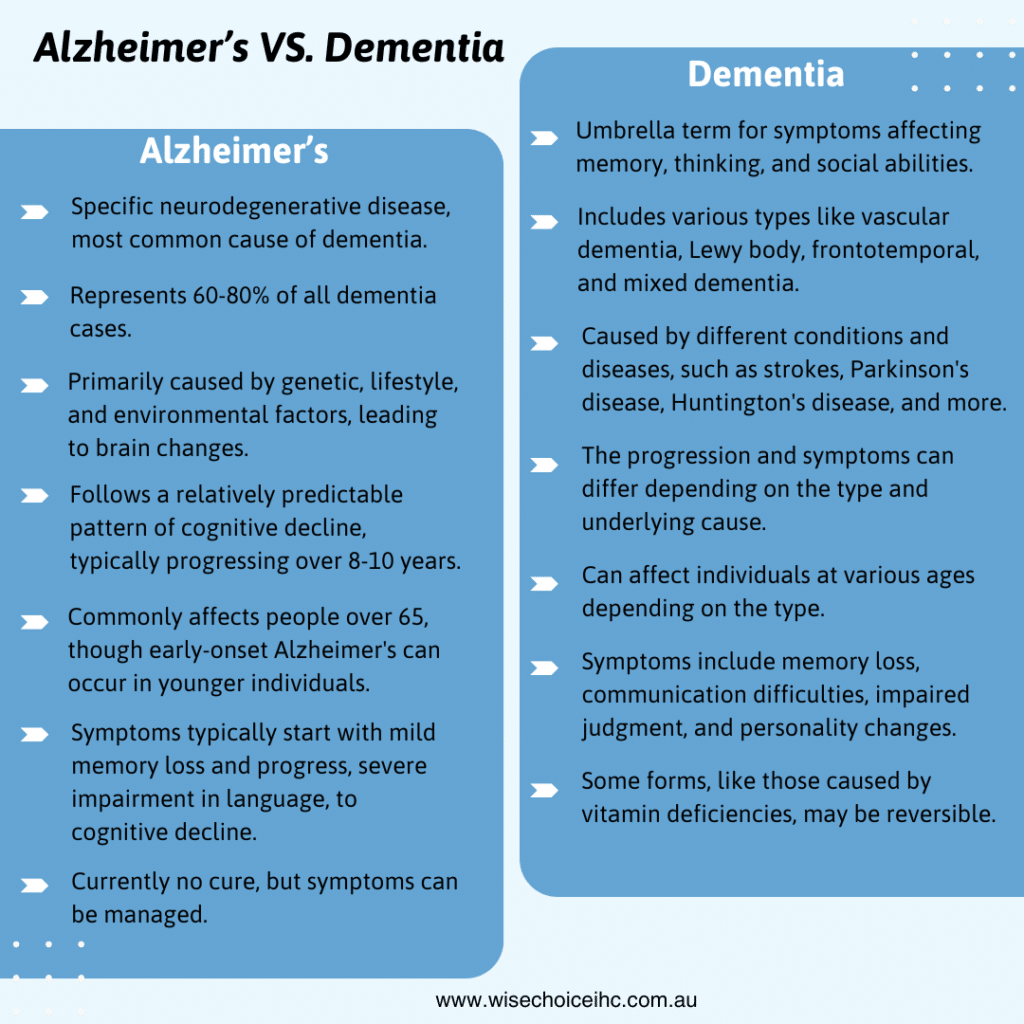
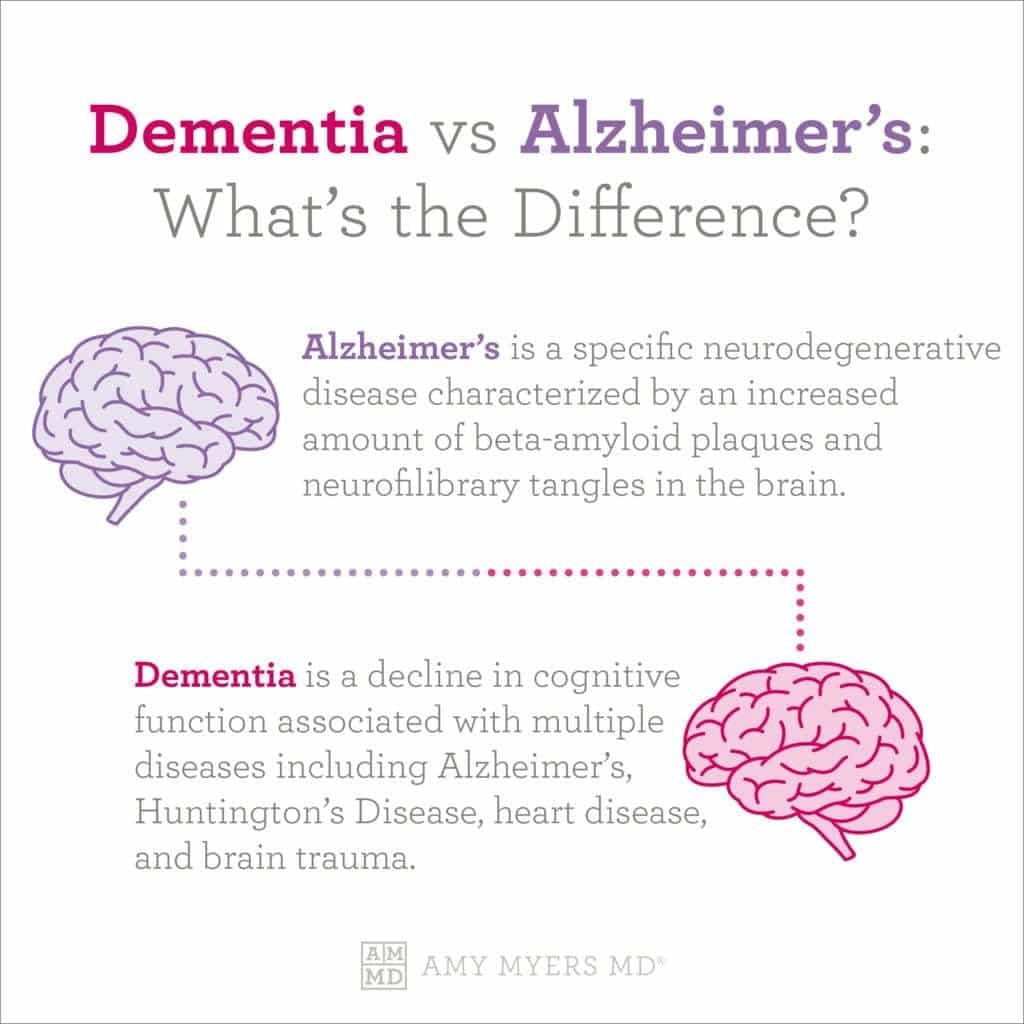
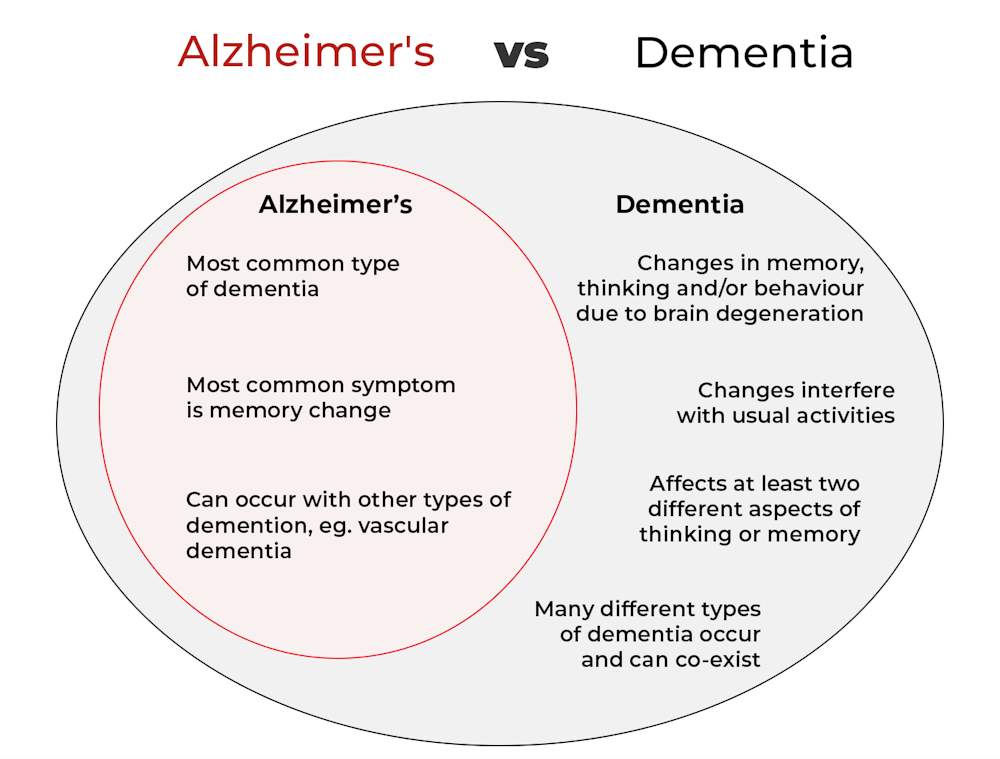
Dementia is not a specific disease, but rather an umbrella term that encompasses a variety of conditions characterized by cognitive decline. This decline affects your memory, thinking, and social abilities to the extent that it interferes with daily life. When talking about dementia, think of it as an overall decline in brain function—one that can disrupt how you live, work, and relate to others.
Imagine your brain as a beautifully complex library. In dementia, it’s as if some books go missing, and even those that remain may become obscured or fall apart. This can happen for a range of reasons, with Alzheimer’s disease being the most common cause. Other types of dementia include vascular dementia, Lewy body dementia, and frontotemporal dementia.
As you reflect on this, remember that dementia is progressive. This means that the symptoms you might notice at first can gradually worsen over time. It’s vital for you or someone you care about to seek medical evaluation if cognitive changes arise.
What is Memory Loss?
Memory loss, on the other hand, is a symptom rather than a standalone diagnosis. Everyone experiences occasional forgetfulness—it’s a normal part of life. However, if you find that you’re persistently misplacing items, forgetting names, or struggling to recall important dates, that might be cause for concern. Memory loss itself can stem from various reasons, including stress, fatigue, nutritional deficiencies, or even normal aging.
Think of memory loss as one of the symptoms in a larger narrative. It’s like missing your favorite song from a playlist where you still have plenty of other songs you enjoy. While you might feel a sense of loss, it does not constitute the full story of your cognitive health. In fact, memory loss can manifest as two main types: short-term memory loss and long-term memory loss. Short-term memory loss affects your ability to remember recent events or information, while long-term memory loss impacts your recall of past events and learned knowledge.
In a world that often feels fast-paced, it’s understandable if you find memories slipping away from you. The good news is that there are various strategies and interventions available to mitigate memory loss.

Key Differences Between Dementia and Memory Loss
Understanding the differences between dementia and memory loss is crucial for you if you are supporting someone with cognitive challenges or grappling with them yourself. One primary difference lies in how each affects daily functioning. Dementia involves a decline in multiple cognitive skills, while memory loss can exist in isolation or as a symptom of a broader condition.
Moreover, dementia generally consists of a constellation of symptoms including language difficulties, impaired reasoning, and changes in mood or behavior. In contrast, memory loss might just consist of difficulty in remembering certain details without significantly impacting overall cognitive function.
Think of dementia as a multifaceted puzzle, where memory loss may be one of the pieces, but there’s much more to the picture. While it’s common for people with dementia to experience memory loss, not all memory loss indicates the presence of dementia. This distinction can be crucial in accessing the right support and care.
Types of Dementia
If you’re curious about the various kinds of dementia, it’s essential to know that this condition encompasses a diverse population of disorders. Each type has its own causes, symptoms, and progression. Here are a few notable types:
Alzheimer’s Disease
Alzheimer’s disease is the most prevalent form of dementia, accounting for up to 70% of cases. This chronic neurodegenerative disease primarily affects memory and cognitive function. Early symptoms often include difficulty recalling recent events and the gradual loss of language skills.
As the disease progresses, you may notice more severe issues concerning problem-solving, reasoning, and even personal care. The toll it takes typically increases over time, leading to significant challenges.
Vascular Dementia
Vascular dementia is caused by reduced blood flow to the brain, often resulting from strokes or unresolved issues with the cardiovascular system. This type of dementia presents symptoms that can vary widely based on what parts of the brain are affected.
You might experience trouble with planning and organizing, memory issues, or difficulty following conversations. It’s essential to monitor your vascular health to decrease the risk of developing vascular dementia.
Lewy Body Dementia
Lewy body dementia is characterized by abnormal protein deposits in the brain, known as Lewy bodies. This condition can present a host of symptoms, including visual hallucinations, sleep disturbances, and fluctuations in attention and alertness.
If you or someone you know showcases such symptoms, it’s imperative to work closely with healthcare professionals who can provide adequate testing and diagnoses.
Frontotemporal Dementia
Frontotemporal dementia affects the frontal and temporal lobes of the brain. This condition can alter personality, behavior, and language skills. You may find that someone with frontotemporal dementia displays inappropriate social behavior or significant changes in personality.
Recognizing early signs can help ensure that the individual receives appropriate assistance as soon as possible.
Causes of Dementia
The causes of dementia can be varied and sometimes complex. There’s no singular source, but several factors can contribute. Here are some prevalent causes:
-
Age: The risk of developing dementia increases as you grow older, especially past the age of 65.
-
Genetics: A family history of dementia may elevate your risks due to genetic predispositions.
-
Lifestyle Choices: Risk factors like smoking, excessive alcohol consumption, poor diet, and lack of physical activity can heighten the chances of cognitive decline.
Understanding these causes can open the door to preventive measures you might take to potentially lower your risk. While genetic predisposition cannot be altered, lifestyle adjustments can play a crucial role in overall brain health.
Memory Loss: Causes and Controversies
Let’s take a deeper dive into memory loss. While transient memory lapses can happen to anyone, persistent memory loss can emerge for a variety of reasons.
Normal Aging
With age, it’s entirely natural to experience minor lapses in your memory, like forgetting where you parked your car. Maintaining an active brain through learning and engaging activities helps. However, if these memory lapses become more pronounced, it may be time to consult with a healthcare provider.
Medical Conditions
Certain medical conditions can lead to memory loss. Some examples are:
-
Thyroid Disorders: An underactive thyroid can affect your brain function, causing memory issues.
-
Vitamin Deficiencies: Deficiencies in vitamins, particularly B12, can lead to cognitive impairment.
-
Mental Health Issues: Depression and anxiety can result in difficulties in concentration and memory retention.
Proper medical evaluation can help identify these conditions, and you can work with your healthcare provider to manage them effectively.
Medications
Some medications can also induce memory problems as a side effect. This might include medications for anxiety, depression, or allergies. If you’ve recently started a new medication and notice changes in your memory, speak with your healthcare provider.
Overlapping Symptoms: Dementia vs. Memory Loss
You might be wondering how symptoms overlap between dementia and memory loss.
Memory Changes
Memory changes are often at the forefront when you think of cognitive decline. Individuals with dementia usually struggle with both short-term and long-term memory loss, while those with memory loss alone might only have issues with specific aspects of memory.
Disorientation
Disorientation, particularly in time and place, is common in dementia. Individuals may forget where they are or lose track of time. In contrast, you might occasionally feel disoriented without experiencing the overall cognitive decline associated with dementia.
Social Withdrawal
Both dementia and memory loss can lead to social withdrawal. However, in cases of dementia, this usually stems from confusion and frustration. In those who simply experience memory loss, withdrawal could be more related to embarrassment or anxiety regarding their memory challenges.
Recognizing these overlapping symptoms can be helpful for you as you seek support or navigate your own experiences.
Diagnosis: Seeking Help
If you or someone you know is experiencing memory difficulties or cognitive decline, seeking medical help is essential. Diagnosis begins with a thorough medical history, physical examination, and cognitive testing.
Cognitive Tests
During cognitive assessments, healthcare professionals may employ tests that evaluate your memory, attention, problem-solving, and language skills. The Mini-Mental State Examination (MMSE) and Montreal Cognitive Assessment (MoCA) are commonly used screening tools.
Brain Imaging
Sometimes, brain imaging such as MRI or CT scans will be conducted to identify potential causes of memory problems, like tumors or structural issues in the brain.
Blood Tests
Blood tests can assist in ruling out conditions that contribute to cognitive decline. These might include tests for nutrient deficiencies, thyroid function, and potential infections.
Navigating through the diagnostic process can feel daunting, but understanding what to expect can ease some of the anxiety for you or your loved ones.
Treatment and Management of Dementia
While there is no cure for dementia, various treatment options can help manage symptoms and enhance quality of life. Here are some approaches that you might find helpful:
Medications
Several medications can be prescribed to help manage dementia symptoms, such as cholinesterase inhibitors for Alzheimer’s disease. These medications can aid memory and cognitive function for a limited time.
Supportive Care
Support and education for both the individual and caregivers are crucial. Ratio programs, support groups, and counseling can provide much-needed emotional assistance.
Healthy Lifestyle
You have the power to influence your brain health through lifestyle choices. Engaging in regular physical activities, maintaining a balanced diet rich in antioxidants and omega-3 fatty acids, and fostering social connections can all play a part in maintaining cognitive health.
Strategies to Manage Memory Loss
If you are experiencing memory loss, using practical strategies can make a significant difference in daily life:
Memory Aids
Consider utilizing memory aids such as sticky notes, planners, or digital reminders for tasks and appointments. Staying organized helps to minimize forgetfulness.
Cognitive Exercises
Engaging in brain-stimulating activities such as puzzles, reading, and learning new skills can enhance cognitive function and slow the progression of memory loss.
Mindfulness and Stress Reduction
Practicing mindfulness and stress-reduction techniques can improve focus and aid memory retention. You might try meditation, yoga, or simple breathing exercises to help center your thoughts.
The Importance of Early Intervention
Recognizing and addressing memory loss or early signs of dementia can improve outcomes significantly for you or a loved one. Early intervention can lead to:
- Greater access to evaluation and care
- A better understanding of the condition and the management options available
- Enhanced quality of life through tailored support and resources
It’s essential to be proactive. If you notice changes in cognition or memory, don’t hesitate to seek help. Knowledge and intervention are powerful!
Conclusion
In the landscape of cognitive health, distinguishing between dementia and memory loss is vital. Although they are interconnected, understanding their differences equips you with the knowledge to seek appropriate interventions and create strategies for better management.
Whether you’re navigating this challenge personally, or you’re supporting a loved one, know that you’re not alone. Resources, communities, and expert guidance are available to help you through this journey.
As you leave this article, consider clapping, dropping a comment, or subscribing to my Medium newsletter for future updates and thoughtful discussions about cognitive health and beyond. You are part of a larger conversation, and your experiences matter. Thank you for joining me here today!