
You’re here because you’re looking for the ultimate guide to mastering diabetes management. You’re ready to take the reins, not just manage this condition, but truly thrive with it. As your Listicle Content Architect (LCA), I’ve meticulously crafted this comprehensive listicle to empower you with actionable insights and practical strategies. Forget feeling overwhelmed; think of this as your personal roadmap to a healthier, happier you. We’re going to break down diabetes management into digestible, manageable steps, equipping you with the knowledge and tools to navigate your journey with confidence.
Before you can effectively manage diabetes, you need to truly understand what it is and how it affects your body. This isn’t about dwelling on limitations; it’s about gaining knowledge as your most powerful ally. You are in the driver’s seat, and understanding your specific type of diabetes is the first crucial step in charting your course.
1.1 Decoding the Different Types of Diabetes
You might think “diabetes” is a single entity, but understanding the nuances between the types is paramount. Each type has its unique characteristics, treatment approaches, and management strategies.
1.1.1 Type 1 Diabetes: An Autoimmune Journey
You’ve been diagnosed with Type 1 diabetes. This means your immune system, for reasons not yet fully understood, mistakenly attacks and destroys the insulin-producing beta cells in your pancreas. As a result, your body produces very little or no insulin.
- What This Means for You: Insulin is the hormone that allows glucose (sugar) from your bloodstream to enter your cells for energy. Without enough insulin, glucose builds up in your blood, leading to hyperglycemia (high blood sugar).
- Your Daily Reality: Management typically involves a combination of regular insulin injections or an insulin pump, blood glucose monitoring, careful carbohydrate counting, and a consistent healthy lifestyle. You are constantly balancing insulin delivery with your food intake and physical activity.
- Key Takeaway: Your body needs external insulin to function. You are in a constant dance between providing that insulin and understanding how your body uses it.
1.1.2 Type 2 Diabetes: A Spectrum of Insulin Resistance
Type 2 diabetes is the most common form. Here, your body either doesn’t produce enough insulin or your cells become resistant to the insulin that is produced. This is often linked to genetic factors, lifestyle choices, and gradual cellular changes over time.
- What This Means for You: Initially, your pancreas may compensate by producing more insulin. However, over time, it can’t keep up, leading to elevated blood glucose levels.
- Your Daily Reality: Management can range from lifestyle modifications (diet and exercise) to oral medications that improve insulin sensitivity or production, and in some cases, insulin therapy might be required.
- Key Takeaway: Your body’s cells aren’t responding effectively to insulin, or your pancreas isn’t producing enough. Your journey might involve a progressive approach to treatment.
1.1.3 Gestational Diabetes: A Temporary Challenge During Pregnancy
Gestational diabetes develops during pregnancy and usually resolves after the baby is born. It occurs when your body can’t produce enough insulin to meet the increased demands of pregnancy, or when pregnancy hormones make your body more resistant to insulin.
- What This Means for You: This can pose risks to both you and your baby if not managed effectively.
- Your Daily Reality: Management typically involves diet changes, regular blood glucose monitoring, and sometimes medication (like metformin or insulin) to keep your blood sugar within a safe range for the health of you and your baby.
- Key Takeaway: This is a transient condition, but its management is crucial for a healthy pregnancy outcome.
1.2 Understanding Blood Glucose: Your Vital Sign
Blood glucose, or blood sugar, is the primary measure of diabetes control. It’s the amount of glucose circulating in your blood. Your goal is to keep these levels within a target range that your healthcare team has established for you.
- Why It Matters: Consistently high blood glucose levels (hyperglycemia) can damage nerves, blood vessels, eyes, kidneys, and feet over time. Consistently low blood glucose levels (hypoglycemia) can lead to confusion, dizziness, and in severe cases, loss of consciousness.
- Your Role: You are the one who will be monitoring these levels, either through finger pricks with a glucose meter or using a continuous glucose monitor (CGM). This data is your feedback loop, informing your decisions about food, activity, and medication.
- Target Ranges: These are individualized. Typically, fasting blood glucose might be between 80-130 mg/dL, and post-meal blood glucose might be less than 180 mg/dL. Always discuss your specific targets with your doctor.
1.3 The Role of Insulin and Other Hormones
You’ve heard about insulin, but it’s important to remember that it’s part of a complex hormonal system that regulates blood sugar.
- Insulin: Produced by the pancreas, it acts like a key, unlocking your cells to allow glucose to enter for energy. When glucose enters your cells, it’s removed from your bloodstream, lowering your blood sugar.
- Glucagon: Also produced by the pancreas, glucagon has the opposite effect of insulin. It signals your liver to release stored glucose into the bloodstream, raising your blood sugar when it drops too low.
- Other Hormones: Hormones like cortisol and adrenaline (released during stress) can also affect blood sugar levels, often causing them to rise. Understanding these interactions is key to managing your diabetes effectively.
2. Mastering Your Diet: Fueling Your Body for Success
Your diet is arguably the most powerful tool you have in managing your diabetes. It’s not about deprivation; it’s about making informed choices that nourish your body and keep your blood glucose levels stable. Think of food as your medicine, your energy source, and your pathway to feeling your best.
2.1 The Cornerstone of Diabetes Nutrition: Carbohydrate Awareness
You need to understand the impact of carbohydrates on your blood sugar. Carbohydrates are broken down into glucose, so managing your carb intake is crucial.
- What Are Carbohydrates? Found in bread, pasta, rice, fruits, vegetables, dairy products, and sweets. They are your body’s primary source of energy.
- Complex vs. Simple Carbs: Complex carbohydrates (whole grains, legumes, non-starchy vegetables) are digested more slowly, leading to a gradual rise in blood sugar. Simple carbohydrates (sugary drinks, white bread, candy) are digested quickly, causing rapid spikes.
- Your Strategy: Moderation and Smart Choices: Focus on whole, unprocessed carbohydrates. Learn to estimate or measure your carbohydrate intake per meal and snack. This is where carb counting becomes your superpower.
2.2 Embracing the Plate Method for Balanced Meals
The Plate Method is a simple, visual way to build balanced meals without complex calculations.
- Visualize Your Plate: Divide your plate into three sections:
- Half: Non-starchy vegetables (broccoli, spinach, peppers, salad greens, asparagus). These are low in calories and carbohydrates but packed with vitamins, minerals, and fiber.
- One Quarter: Lean protein (chicken breast, fish, tofu, beans, lentils). Protein helps you feel full and has a minimal impact on blood sugar.
- One Quarter: Carbohydrates (whole grains like quinoa or brown rice, starchy vegetables like sweet potatoes, or a small serving of fruit). Choose whole-grain options for sustained energy.
- Don’t Forget Healthy Fats: Include a small amount of healthy fats like avocado, nuts, seeds, or olive oil. These contribute to satiety and overall health.
- Hydration is Key: Drink plenty of water throughout the day.
2.3 Navigating Sweeteners and Sugar Substitutes
You’re not alone if you have a sweet tooth. Understanding artificial sweeteners and sugar substitutes can be a part of your strategy, but with caution.
- Artificial Sweeteners: These provide sweetness with few or no calories. While they can help reduce sugar intake, their long-term effects are still being studied. Some people find they can still trigger appetite.
- Sugar Alcohols: Found in sugar-free candies and baked goods, they can cause digestive issues in some people.
- Natural Sweeteners: While often perceived as healthier, even natural sweeteners like honey and maple syrup are still sugars and will impact your blood glucose.
- Your Approach: Use Sparingly: If you use sweeteners, do so in moderation and monitor how they affect your blood sugar. Whole fruits are generally the best way to satisfy a sweet craving.
2.4 The Importance of Fiber: A Silent Hero
Fiber is a type of carbohydrate that your body cannot digest. Its benefits for diabetes management are immense.
- Soluble Fiber: Found in oats, beans, and fruits, it can help lower blood glucose and cholesterol levels.
- Insoluble Fiber: Found in whole grains and vegetables, it aids digestion and promotes regularity.
- How It Helps You: Fiber slows down the absorption of sugar, preventing sharp blood glucose spikes. It also makes you feel fuller for longer, aiding in weight management.
- Your Goal: Aim for at least 25-30 grams of fiber per day from a variety of sources.
3. Embracing Physical Activity: Moving Your Way to Better Health
You know exercise is good for you, but for diabetes management, it’s a game-changer. Regular physical activity is one of the most effective ways to improve insulin sensitivity, lower blood glucose levels, and support overall well-being. Let’s get you moving!
3.1 The Incredible Benefits of Exercise for Diabetes
You might be daunted by the thought of exercise, but the rewards are substantial.
- Improved Insulin Sensitivity: Exercise makes your cells more receptive to insulin, meaning your body can use glucose more effectively and requires less insulin (or medication).
- Lower Blood Glucose Levels: During and after exercise, your muscles use glucose for energy, directly lowering your blood sugar.
- Weight Management: Regular physical activity is crucial for maintaining a healthy weight, which is particularly important for Type 2 diabetes.
- Cardiovascular Health: Diabetes increases your risk of heart disease. Exercise strengthens your heart, improves circulation, and lowers blood pressure and cholesterol.
- Stress Reduction: Physical activity is a fantastic stress reliever, and stress can negatively impact blood glucose levels.
3.2 Aerobic Exercise: Getting Your Heart Pumping
Aerobic exercises are fantastic for improving cardiovascular health and burning calories.
- Examples: Brisk walking, jogging, cycling, swimming, dancing, aerobic classes.
- Your Goal: Aim for at least 150 minutes of moderate-intensity aerobic activity per week, or 75 minutes of vigorous-intensity activity, spread throughout the week. This translates to about 30 minutes most days.
- Listen to Your Body: Start slowly and gradually increase the duration and intensity. Find activities you genuinely enjoy to make it sustainable.
- Pre-Exercise Check: If you have Type 1 diabetes or are on certain medications, it’s wise to check your blood sugar before exercising. If it’s too high or too low, you may need to adjust your activity or have a snack.
3.3 Strength Training: Building Muscle, Boosting Metabolism
Strength training, also known as resistance training, is vital for building and maintaining muscle mass.
- Examples: Using weights, resistance bands, bodyweight exercises (push-ups, squats, lunges).
- Why It’s Important: Muscle is metabolically active tissue, meaning it burns calories even at rest. Increased muscle mass can improve insulin sensitivity and support weight management.
- Your Routine: Aim for strength training exercises that work all major muscle groups at least two days per week, with at least one day of rest between sessions.
- Professional Guidance: If you’re new to strength training, consider consulting a certified personal trainer to ensure proper form and prevent injuries.
3.4 Incorporating Flexibility and Balance
While not directly impacting blood glucose as much, flexibility and balance exercises contribute to overall physical well-being and injury prevention.
- Examples: Yoga, Pilates, stretching routines.
- Benefits: Improved range of motion, reduced risk of falls, and can help alleviate muscle stiffness.
- Your Integration: Add stretching to your warm-up and cool-down routines, or dedicate a short period each day to flexibility exercises.
3.5 Staying Safe While Exercising
Safety is paramount. You need to be prepared and aware of potential risks.
- Hydration: Drink plenty of water before, during, and after exercise.
- Wear Appropriate Footwear: Protect your feet, especially if you have neuropathy.
- Carry Glucose: Always have a source of fast-acting glucose (like glucose tablets or juice) with you in case of hypoglycemia.
- Inform Your Workout Partners: Let someone know you have diabetes and what to do in case of an emergency.
- Medical Alert: Consider wearing a medical alert bracelet or necklace.
4. Becoming a Blood Glucose Monitoring Pro: Your Data Dashboard
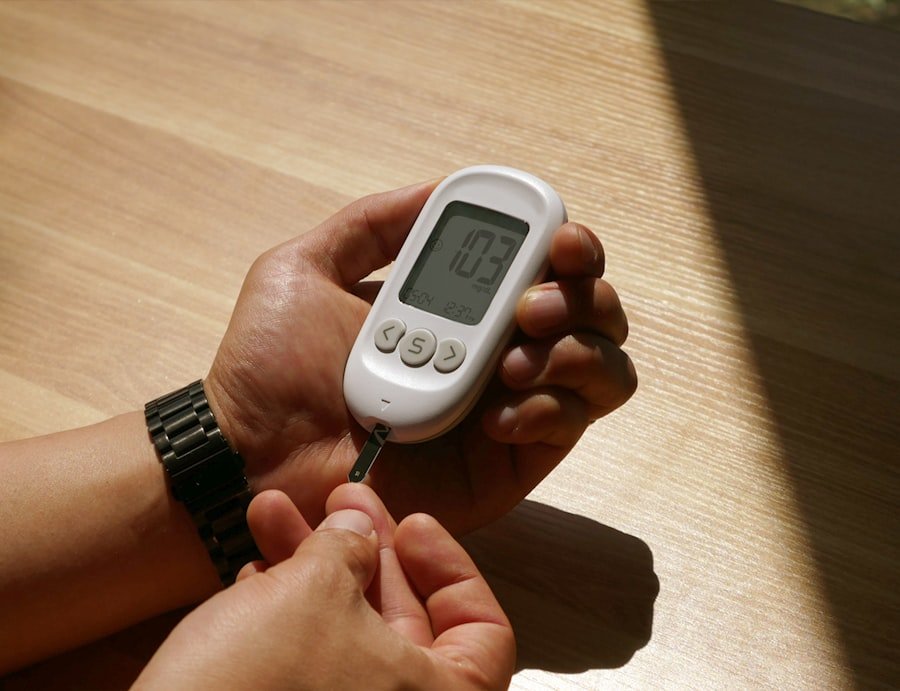
You are the CEO of your diabetes management, and your blood glucose monitor is your most important dashboard. Regular, accurate monitoring provides you with the real-time data you need to make informed decisions about your diet, exercise, and medication.
4.1 Understanding Your Blood Glucose Meter (BGM)
Your BGM is your primary tool for checking your blood sugar levels.
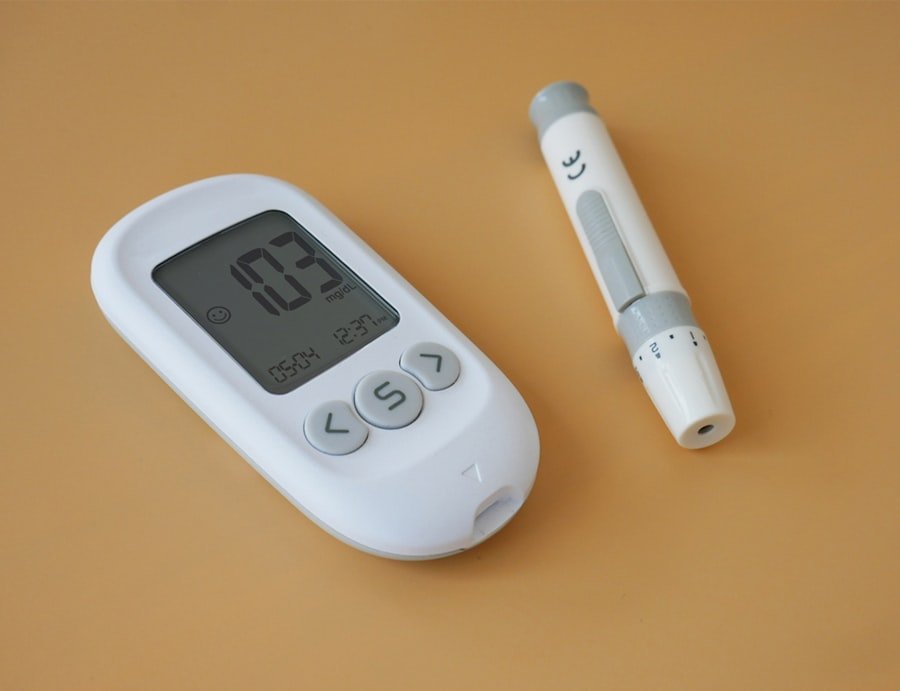
- How it Works: You prick your finger with a lancet, place a drop of blood on a test strip, and insert the strip into the meter. The meter then displays your blood glucose reading.
- Accuracy Matters: Ensure you are using the meter correctly, washing your hands before testing, and using fresh test strips. Calibrate your meter as recommended by the manufacturer.
- Frequency of Testing: Your healthcare provider will guide you on how often to test. This can vary greatly depending on your type of diabetes, treatment plan, and activity levels. For example, if you are on insulin, you might need to test before meals, before bed, and before and after exercise.
4.2 Embracing Continuous Glucose Monitoring (CGM)
CGMs have revolutionized diabetes management for many. They offer a more comprehensive picture of your glucose trends.
- How it Works: A small sensor is inserted just under the skin (usually on your arm or abdomen) that measures glucose levels in the interstitial fluid every few minutes. This data is transmitted wirelessly to a receiver, smartphone, or insulin pump.
- Key Advantages:
- Trend Arrows: CGMs show you not only your current glucose level but also the direction and speed at which it is changing, allowing you to proactively prevent highs and lows.
- Reduced Finger Pricks: While some calibration may still be needed, CGMs significantly reduce the need for traditional finger pricks.
- Alerts: You can set alerts for high or low glucose levels, giving you an early warning.
- Data Sharing: Many CGMs allow you to share your data with your healthcare team and loved ones.
- Considerations: CGMs are an investment and require consistent sensor changes. Accuracy can sometimes be affected by certain medications or conditions.
4.3 Interpreting Your Glucose Readings: What Do They Mean?
| Metrics | Values |
|---|---|
| HbA1c levels | Less than 7% |
| Blood Glucose Levels | 70-130 mg/dL before meals |
| Blood Pressure | Less than 130/80 mmHg |
| Cholesterol Levels | LDL less than 100 mg/dL |
You’re not just looking at numbers; you’re looking for patterns and insights.
- Target Ranges: As discussed earlier, your doctor will set specific target ranges for your fasting and post-meal blood glucose levels.
- Identifying Patterns: Are your readings consistently high after certain meals? Do they drop too low after exercise? Are you experiencing nocturnal hypoglycemia (low blood sugar overnight)?
- The “Why”: Your goal is to connect your readings to your actions. If your blood sugar is high, did you eat more carbs than planned? Was your portion size too large? If it’s low, did you forget a snack or overexert yourself?
- The Power of the Logbook: Keep a log of your readings, food intake, and activity. This will become an invaluable resource for you and your healthcare team.
4.4 The A1C Test: A Long-Term Snapshot
The A1C test provides a history of your average blood glucose levels over the past 2-3 months.
- How it Works: It measures the percentage of hemoglobin (a protein in red blood cells) that is coated with sugar.
- Your Target: The A1C target is typically below 7% for most adults with diabetes, but your doctor will set a personalized goal.
- Significance: A higher A1C indicates higher average blood glucose levels over time, and thus a greater risk for diabetes complications.
- Frequency: You’ll typically have your A1C checked every three to six months.
5. Building Your Support System: You Are Not Alone
Managing diabetes is a marathon, not a sprint, and having a strong support system is crucial for your physical and emotional well-being. Don’t try to go it alone. Surround yourself with people and resources that empower you.
5.1 Partnering with Your Healthcare Team
Your healthcare team is your most valuable asset on this journey.
- Your Primary Doctor/Endocrinologist: They oversee your overall diabetes care, adjust medications, and monitor for complications.
- Certified Diabetes Care and Education Specialist (CDCES): These professionals are experts in diabetes education and can provide invaluable guidance on diet, exercise, medication, and coping strategies.
- Registered Dietitian/Nutritionist: They can help you create personalized meal plans and navigate the complexities of diabetes nutrition.
- Other Specialists: Depending on your needs, you might also work with a podiatrist (foot care), ophthalmologist (eye care), or mental health professional.
- Your Role: Be an Active Participant: Ask questions, share your concerns, and be honest about your challenges. You are an equal partner in your care.
5.2 The Power of Family and Friends
Your loved ones can be your biggest cheerleaders and a vital emotional resource.
- Educate Them: Help them understand what diabetes is, what your management plan entails, and how they can best support you.
- Involve Them: Invite them to appointments if you feel comfortable, or share your progress with them.
- Communicate Your Needs: Let them know what kind of support you need, whether it’s an exercise buddy, someone to help with meal prep, or simply a listening ear.
- Set Boundaries: It’s okay to have conversations about healthy eating and lifestyle choices that don’t feel judgmental or overbearing.
5.3 Connecting with the Diabetes Community
You are not the only one navigating this path. Connecting with others who understand can be incredibly empowering.
- Support Groups: Local or online support groups offer a safe space to share experiences, exchange tips, and find encouragement.
- Online Forums and Social Media: Many vibrant online communities are dedicated to diabetes. These platforms can be a source of information, inspiration, and connection.
- Diabetes Organizations: Organizations like the American Diabetes Association (ADA) and Diabetes UK provide a wealth of resources, educational materials, and advocacy efforts.
- Shared Experiences: Hearing from others who have successfully managed their diabetes can provide hope and practical strategies you might not have considered.
5.4 Prioritizing Mental and Emotional Well-being
Living with a chronic condition can take a toll on your mental health.
- Diabetes Distress: This is a common experience characterized by the emotional burden of diabetes management. It’s not the same as depression, but it significantly impacts your quality of life.
- Strategies for Coping:
- Mindfulness and Meditation: These practices can help you stay present and reduce feelings of overwhelm.
- Journaling: Expressing your thoughts and feelings can be therapeutic.
- Hobbies and Activities: Engage in activities you enjoy to reduce stress and find joy.
- Seek Professional Help: Don’t hesitate to talk to a therapist or counselor who specializes in chronic illness. They can provide tools and strategies for managing stress, anxiety, guilt, or frustration.
- Self-Compassion: Be kind to yourself. There will be good days and challenging days. Celebrate your successes and learn from your setbacks without judgment.
This listicle has laid out a comprehensive blueprint for your diabetes management journey. Remember, you are empowered with knowledge and the ability to make positive changes. By understanding your diabetes, mastering your diet, embracing physical activity, diligently monitoring your blood glucose, and building a robust support system, you are well on your way to living a full, healthy, and vibrant life. Your commitment to this journey is the most significant step, and you’ve already taken it by seeking this information. Keep going, and remember to celebrate every victory, big or small!
FAQs
What is diabetes management?
Diabetes management refers to the ongoing process of maintaining blood sugar levels within a target range through a combination of medication, diet, exercise, and regular monitoring.
What are the key components of diabetes management?
The key components of diabetes management include regular blood sugar monitoring, medication adherence, following a healthy diet, engaging in regular physical activity, and managing stress levels.
Why is diabetes management important?
Effective diabetes management is crucial for preventing complications such as heart disease, stroke, kidney disease, vision problems, and nerve damage. It also helps individuals with diabetes lead a healthier and more active lifestyle.
What are some common diabetes management techniques?
Common diabetes management techniques include insulin therapy, oral medications, carbohydrate counting, meal planning, regular exercise, and stress management. Additionally, some individuals may use continuous glucose monitoring systems or insulin pumps.
How can individuals with diabetes improve their diabetes management?
Individuals with diabetes can improve their diabetes management by working closely with healthcare professionals, staying informed about their condition, making healthy lifestyle choices, and seeking support from family and friends. Regularly monitoring blood sugar levels and adjusting treatment plans as needed is also important.