
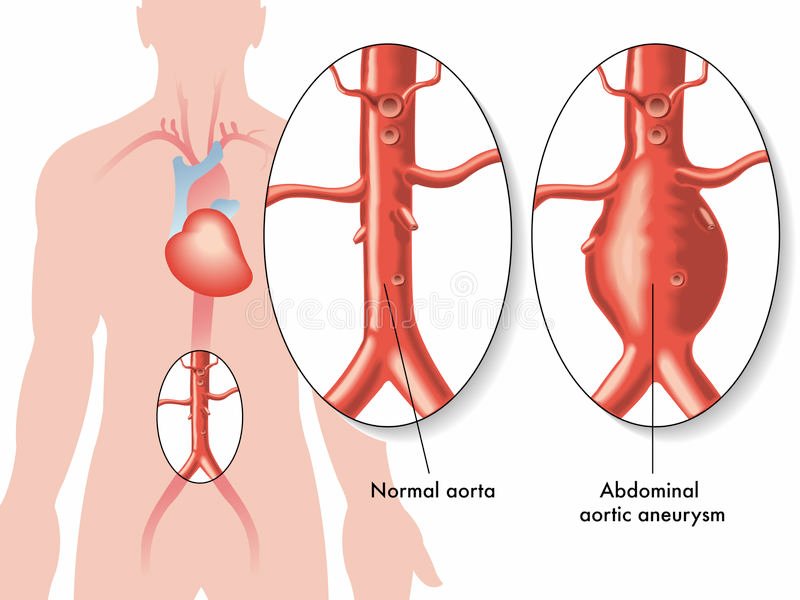
Imagine feeling a persistent, throbbing pain in your abdomen, unaware that it could be a warning sign of a serious condition. In this article, you will explore the world of abdominal aortic aneurysms (AAA) – a potentially life-threatening condition. Discover the importance of early diagnosis and treatment options available to tackle this silent killer head-on. So, sit back, relax, and let’s unravel the mysteries behind abdominal aortic aneurysms together.
Diagnosing and Treating Abdominal Aortic Aneurysms
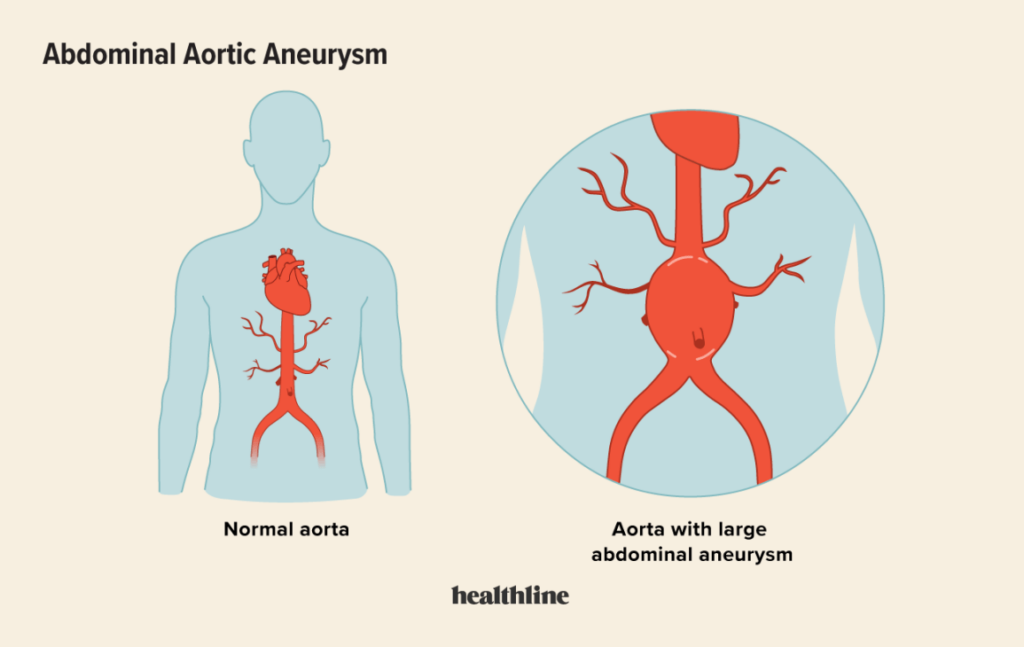
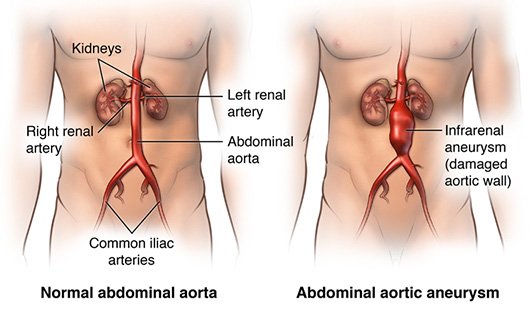
Abdominal Aortic Aneurysms (AAAs) are a potentially life-threatening condition that require timely diagnosis and treatment. This article will guide you through the importance of diagnosing AAAs, the risk factors and causes, the symptoms and signs to look out for, the screening and diagnostic tests available, various imaging techniques used for diagnosis, potential emergencies and complications, conservative management options, surgical interventions, endovascular repair, and the importance of follow-up care and monitoring for individuals with AAAs.
Importance of Diagnosing Abdominal Aortic Aneurysms
Diagnosing AAAs is of utmost importance in order to prevent severe complications such as rupture, which can result in significant morbidity or even mortality. Early detection allows for appropriate intervention, reducing the likelihood of rupture and other related emergencies. It is crucial to be aware of this condition and seek medical attention promptly if you experience any concerning symptoms or have known risk factors.
Risk Factors and Causes of Abdominal Aortic Aneurysms
Understanding the risk factors and causes of AAAs can help identify individuals who may be at a higher risk. While it can affect anyone, certain factors such as advanced age (particularly those over 60), male gender, smoking, high blood pressure, obesity, family history of AAAs, and certain genetic conditions (such as Marfan syndrome and Ehlers-Danlos syndrome) increase the likelihood of developing an abdominal aortic aneurysm. It is important to be aware of these risk factors and discuss them with your healthcare provider to assess your individual risk.
Symptoms and Signs of Abdominal Aortic Aneurysms
In many cases, AAAs are asymptomatic, making them even more dangerous since individuals may not realize they have the condition until it becomes life-threatening. However, some people may experience symptoms or signs that can alert them to the presence of an AAA. These can include a pulsating sensation in the abdomen, deep, constant pain in the back or side, abdominal or groin pain, and a sense of fullness or bloating. It is important to pay attention to any unusual, persistent symptoms and seek medical attention promptly.
Screening and Diagnostic Tests for Abdominal Aortic Aneurysms
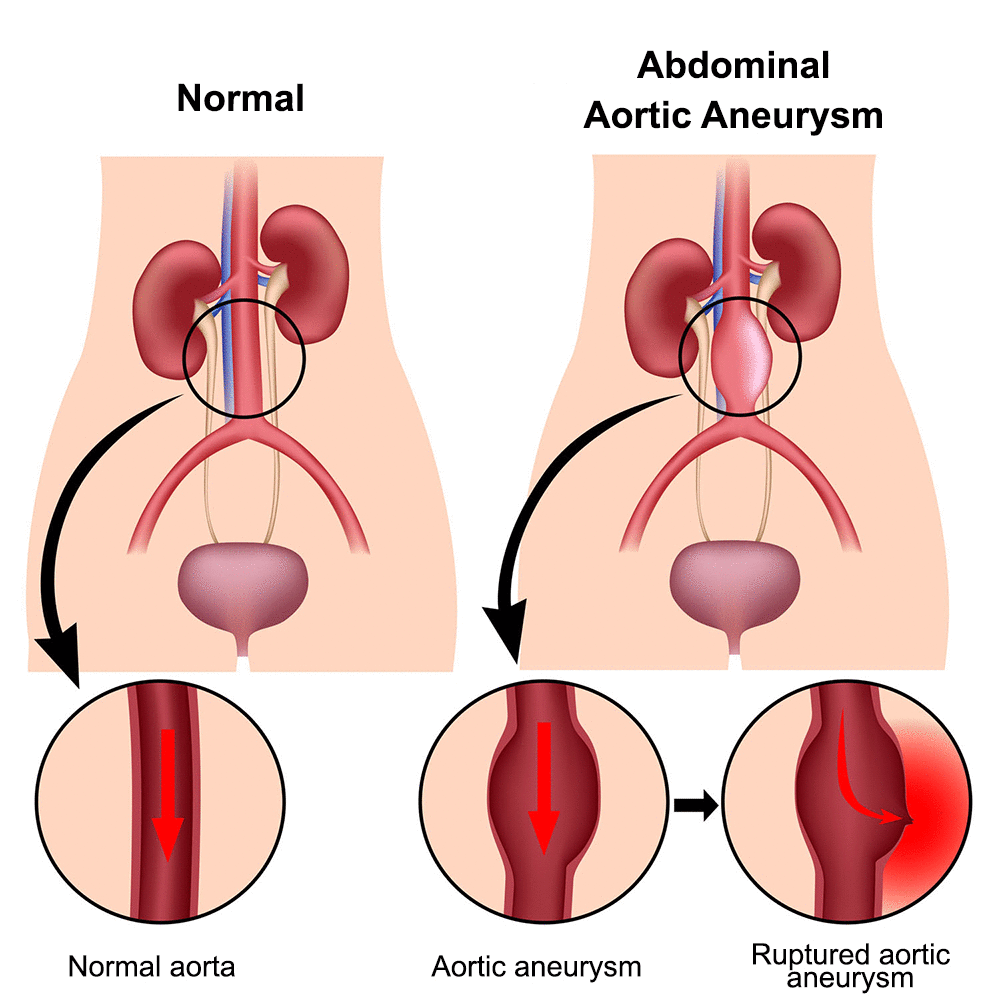
Screening for AAAs can be a valuable tool in detecting the condition early and preventing complications. Typically, ultrasound screening is utilized, which is a non-invasive and painless procedure that uses sound waves to create images of the aorta. This test is recommended for men aged 65-75 who have ever smoked, as well as individuals with a family history of AAAs.
Imaging Techniques for Diagnosing Abdominal Aortic Aneurysms
When an AAA is suspected or detected, further imaging techniques may be used to gather more detailed information. Computed tomography (CT) scans, magnetic resonance angiography (MRA), and angiography are among the imaging techniques that can provide a more precise picture of the size, shape, and location of the aneurysm. These tests can aid in treatment planning and determining the appropriate intervention for each individual case.
Emergencies and Complications Associated with Abdominal Aortic Aneurysms
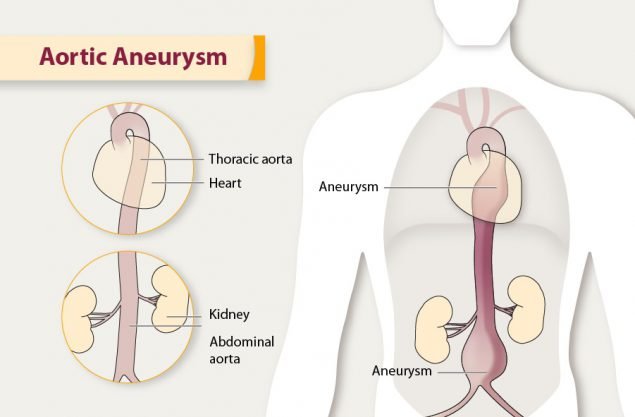
AAAs carry the risk of various emergencies and complications. The most serious complication is a rupture, which can cause life-threatening internal bleeding. This is considered a medical emergency and requires immediate medical attention. Other complications can include blood clot formation within the aneurysm, known as a thrombus, or embolization, where a fragment of the clot breaks free and travels through the bloodstream to block a smaller blood vessel. Prompt diagnosis and treatment can help prevent these emergencies and ensure a better prognosis.
Conservative Management Options for Abdominal Aortic Aneurysms
Not all AAAs require immediate surgical intervention. In some cases, a conservative management approach may be advised, particularly for small aneurysms that are less likely to rupture. This can include regular monitoring through imaging tests and controlling risk factors such as blood pressure and smoking cessation. Your healthcare provider will determine the most suitable course of action based on the size, growth rate, and other individual factors associated with your aneurysm.
Surgical Interventions for Abdominal Aortic Aneurysms
In cases where the risk of rupture is significant or the aneurysm has reached a certain size threshold, surgical intervention may be recommended. The gold standard surgical procedure for treating AAAs is an open surgical repair. This involves replacing the weakened section of the aorta with a synthetic graft, which reinforces the arterial wall and prevents rupture. However, this is a major surgery with potential risks, and the decision to proceed with open surgical repair is made on a case-by-case basis.
Endovascular Repair for Abdominal Aortic Aneurysms
Endovascular repair, also known as endovascular aneurysm repair (EVAR), has emerged as an alternative to open surgical repair. This minimally invasive procedure involves the insertion of a stent graft through small incisions in the groin area. The stent graft is maneuvered into place within the aorta, sealing off the aneurysm while allowing blood to flow through the graft. EVAR has several advantages, including shorter recovery times and lower rates of complications compared to open surgical repair, but not all aneurysms are suitable for this procedure.
Follow-up Care and Monitoring for Abdominal Aortic Aneurysms
After treatment for an AAA, regular follow-up care and monitoring are crucial to ensure the long-term success of the intervention and detect any potential complications or recurrent aneurysms. Your healthcare provider will schedule periodic check-ups and imaging tests to assess the ongoing health of your aorta. It is important to attend these appointments and share any concerns or symptoms you may experience during the follow-up period.
Diagnosing and treating abdominal aortic aneurysms require a comprehensive understanding of the condition and individual risk factors. Prompt diagnosis through screening and diagnostic tests, along with appropriate treatment options such as conservative management, surgical interventions, or endovascular repair, can significantly improve outcomes and reduce the risk of complications. Regular follow-up care and monitoring are essential to ensure the long-term health and well-being of individuals with abdominal aortic aneurysms. Remember to consult with your healthcare provider if you have any concerns or need further information about this potentially life-threatening condition.
Related Terms About Diagnosing and Treating Abdominal Aortic Aneurysms
Abdominal Aortic Aneurysm How Is It Diagnosed, Can A Blood Test Detect Abdominal Aortic Aneurysm, Can An Aortic Aneurysm Be Detected, Diagnosis And Treatment Of Abdominal Aortic Aneurysms, How To Diagnose Aortic Aneurysm