Imagine sitting in a doctor’s office, worried about a loved one who hasn’t been themselves lately. You’re searching for answers, hoping to make sense of the changes you’ve noticed. In this article, we’ll explore the world of dementia and the key indicators to keep an eye out for. By understanding these signs, you can empower yourself to recognize potential symptoms early on and take the necessary steps for diagnosis and care. Together, let’s embark on a journey to unravel the mysteries of dementia and find the support your loved one needs.
Understanding Dementia
Dementia is a condition that affects the brain, causing a decline in cognitive abilities and impairing daily functioning. It is not a specific disease but rather a collective term for a range of symptoms caused by various brain disorders. Dementia is more common in older adults, but it can also occur in younger individuals.
Types of Dementia
There are several different types of dementia, each with its own distinct characteristics. The most common form of dementia is Alzheimer’s disease, accounting for around 60-80% of cases. Other types include vascular dementia, Lewy body dementia, frontotemporal dementia, and mixed dementia. Each type of dementia is associated with specific changes in the brain and presents with different symptoms.
Causes of Dementia
Dementia is caused by damage to brain cells, which affects their ability to communicate with one another. The exact cause of this damage varies depending on the type of dementia. Alzheimer’s disease is characterized by the accumulation of abnormal proteins in the brain, while vascular dementia occurs due to reduced blood flow to the brain. Other causes of dementia include Parkinson’s disease, Huntington’s disease, traumatic brain injury, and certain infections.
Risk Factors for Dementia
While the exact cause of dementia is often unknown, there are several risk factors that may increase the likelihood of developing the condition. Age is the greatest risk factor, with dementia becoming more common as people get older. Other factors include a family history of dementia, certain genetic factors, high blood pressure, diabetes, smoking, and obesity. Lifestyle factors such as physical inactivity, poor diet, and social isolation have also been associated with an increased risk of dementia.
Common Symptoms
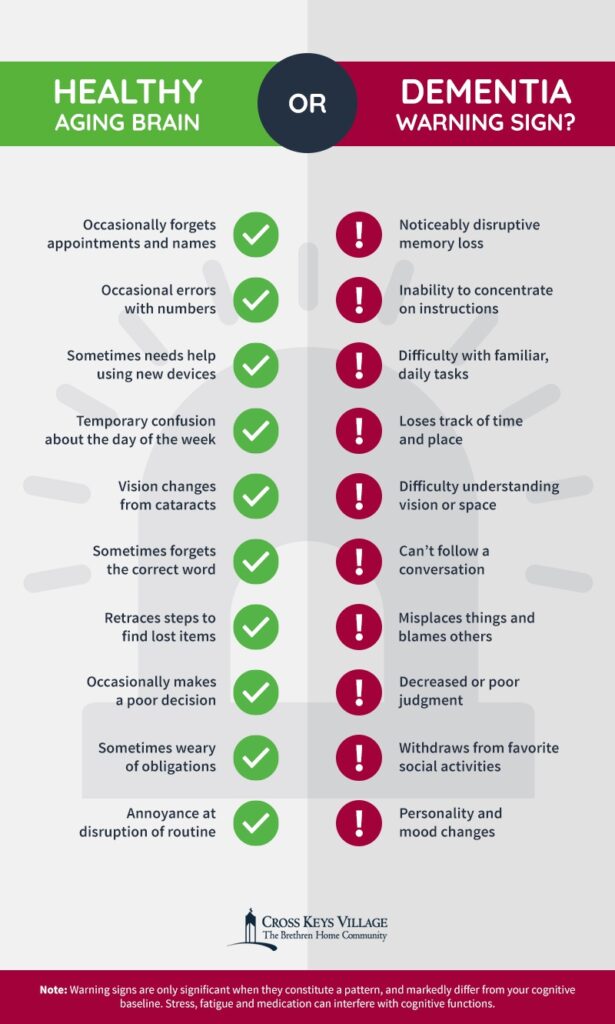
Dementia is characterized by a range of symptoms that progressively worsen over time. While the specific symptoms may vary depending on the type of dementia, there are some common signs to look out for.
Memory Loss
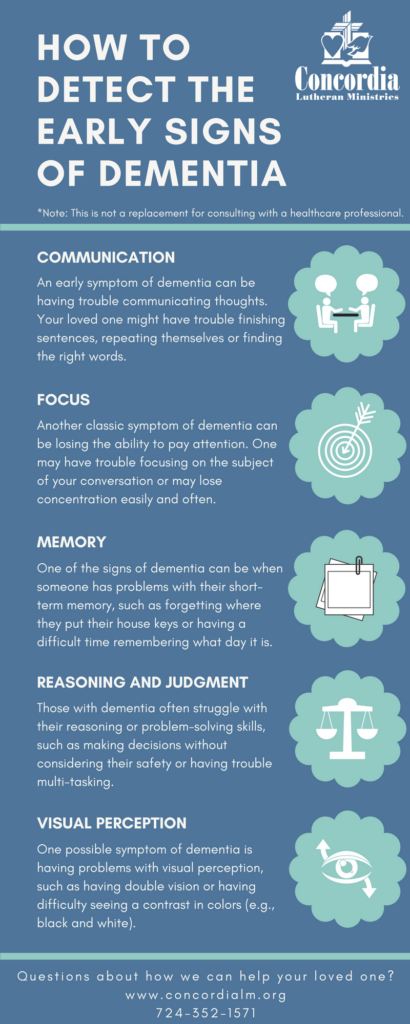
One of the earliest and most noticeable symptoms of dementia is memory loss. This can manifest as forgetting recent events or conversations, repeatedly asking the same questions, or struggling to remember important details. As the disease progresses, long-term memory may also be affected.
Difficulty with Language and Communication
People with dementia often experience difficulties with language and communication. They may struggle to find the right words or express themselves coherently. They may also have difficulty understanding others or following conversations. This can lead to frustration and social withdrawal.
Impaired Judgment and Decision-Making
Another common symptom of dementia is impaired judgment and decision-making. This can manifest as poor financial choices, difficulty in making complex decisions, or an inability to understand and assess risks. These changes can have significant consequences for the individual’s daily functioning and overall well-being.

Key Indicators of Dementia
In addition to the common symptoms, there are key indicators that healthcare professionals look for when diagnosing dementia.
Changes in Cognitive Abilities
Dementia is characterized by a decline in cognitive abilities beyond what might be expected with normal aging. These changes can include difficulties with concentration, problem-solving, and learning new information. Other cognitive functions such as visuospatial skills and executive functioning may also be affected.
Behavioral and Mood Changes
Dementia can also cause significant changes in behavior and mood. This can manifest as agitation, irritability, aggression, apathy, or depression. These changes may be particularly distressing for both the individual with dementia and their caregivers.
Difficulty Completing Familiar Tasks
Another key indicator of dementia is difficulty completing familiar tasks. Individuals may struggle with activities of daily living, such as dressing, cooking, or using household appliances. They may also have difficulty following a routine or remembering how to perform familiar tasks.
Diagnostic Process
The diagnostic process for dementia involves a comprehensive evaluation by a healthcare professional. This typically includes the following steps:
Initial Assessment
The initial assessment involves a detailed interview to gather information about the individual’s symptoms and medical history. This may include interviews with family members or caregivers to obtain a comprehensive picture of the individual’s cognitive and functional abilities.
Medical History and Physical Examination
A thorough medical history and physical examination are essential to rule out other potential causes of cognitive impairment. The healthcare professional will review any underlying medical conditions, medications, and family history of dementia. They will also conduct a physical examination to assess overall health.
Neuropsychological Testing
Neuropsychological testing is an important component of the diagnostic process. This involves a series of standardized tests that assess various aspects of cognitive functioning, including memory, attention, language, and problem-solving skills. These tests help to determine the extent and nature of cognitive impairment.
Laboratory Tests
Laboratory tests may be conducted to help diagnose dementia and rule out other potential causes of cognitive decline. These tests can include:
Blood tests
Blood tests can help identify underlying medical conditions such as vitamin deficiencies, thyroid problems, or infections that may contribute to cognitive impairment. They can also assess kidney and liver function, as well as blood sugar levels, which may impact cognitive health.
Genetic Testing
In some cases, genetic testing may be performed to identify specific gene mutations associated with certain forms of dementia, such as Alzheimer’s disease or frontotemporal dementia. This can help to confirm a diagnosis and provide important information for the individual and their family.
Lumbar Puncture
In certain situations, a lumbar puncture, also known as a spinal tap, may be performed to analyze cerebrospinal fluid for markers of underlying brain disorders. This procedure is generally reserved for cases where the diagnosis is unclear or when there is a need for more definitive information.
Brain Imaging
Brain imaging techniques can provide valuable information about the structure and function of the brain, aiding in the diagnosis of dementia. Common imaging techniques used include:
Magnetic Resonance Imaging (MRI)
MRI scans use powerful magnets and radio waves to create detailed images of the brain’s structure. These scans can help identify brain abnormalities, such as shrinkage or the presence of tumors, that may be contributing to cognitive impairment.
Computerized Tomography (CT)
CT scans use a series of X-rays to produce cross-sectional images of the brain. While not as detailed as an MRI scan, CT scans can still provide valuable information about brain structure and detect large abnormalities or evidence of strokes.
Positron Emission Tomography (PET)
PET scans involve the injection of a radioactive substance into the bloodstream, which can be detected by a scanner. This allows for the visualization of brain function and can help differentiate between different types of dementia.

Diagnostic Criteria
The diagnosis of dementia is based on standardized diagnostic criteria established by organizations such as:
Diagnostic and Statistical Manual of Mental Disorders (DSM-5)
The DSM-5 is a manual used by healthcare professionals to diagnose mental disorders, including dementia. It provides diagnostic criteria and guidelines for differentiating between different types of dementia.
International Classification of Diseases (ICD-10)
The ICD-10 is a classification system used by healthcare professionals worldwide to classify medical conditions. It includes specific codes and criteria for diagnosing various types of dementia.
Differential Diagnosis
Dementia can sometimes be mistaken for other conditions that cause cognitive decline. A thorough differential diagnosis is important to rule out other potential causes and ensure an accurate diagnosis. Some conditions that may be considered in the differential diagnosis of dementia include:
Depression
Depression can cause cognitive symptoms that resemble dementia, such as memory loss and difficulties with concentration. However, the cognitive impairment in depression is typically reversible with appropriate treatment.
Delirium
Delirium is a sudden change in mental status characterized by confusion, disorientation, and fluctuating levels of alertness. It can be caused by various medical conditions or medications and can mimic the symptoms of dementia.
Mild Cognitive Impairment (MCI)
Mild Cognitive Impairment is a condition characterized by cognitive decline that is greater than expected for a person’s age but does not meet the criteria for dementia. People with MCI have an increased risk of developing dementia, but not all individuals with MCI progress to dementia.
Early Detection and Intervention
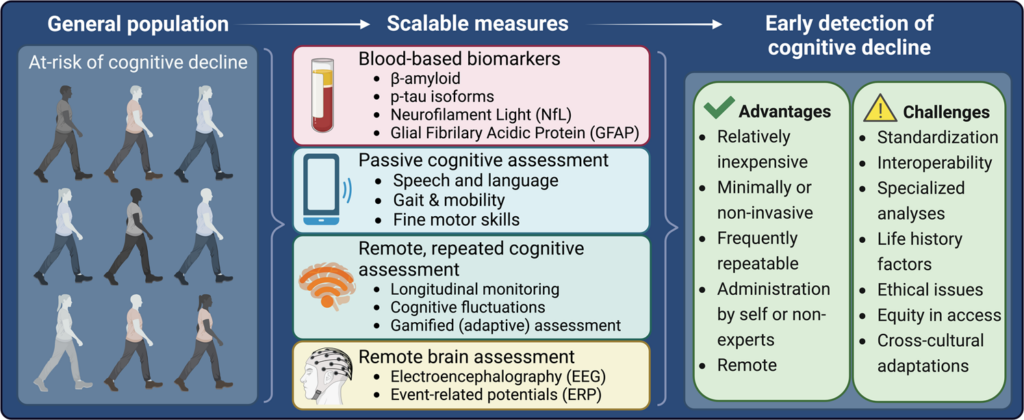
Early detection and intervention are crucial in managing dementia. Detecting the condition early allows individuals to access appropriate care and support, potentially slowing down the progression of symptoms and improving quality of life.
Importance of Early Diagnosis
Early diagnosis of dementia provides several benefits. It allows individuals to participate in treatment decisions, plan for the future, and make necessary adaptations to their lifestyles. Early detection also enables healthcare professionals to provide education and support to both individuals with dementia and their caregivers.
Available Treatments and Interventions
While there is currently no cure for dementia, there are treatments and interventions available that can help manage symptoms and improve quality of life. Medications such as cholinesterase inhibitors and memantine can help enhance cognitive function and manage behavioral symptoms. Non-pharmacological interventions, such as cognitive stimulation therapy, physical exercise, and occupational therapy, can also be beneficial.
Supportive Care for Patients and Caregivers
Dementia not only affects the individual diagnosed but also has a significant impact on their caregivers. Providing support for caregivers is essential to ensure their well-being and ability to provide care. Supportive care services, such as respite care, support groups, and counseling, can help caregivers navigate the challenges associated with dementia caregiving.
Long-Term Management
As dementia is a progressive condition, long-term management is essential to address changing needs and maintain overall health and well-being.
Medications for Symptom Management
Medications can help manage specific symptoms of dementia, such as cognitive decline, agitation, and depression. However, it is important to note that these medications do not reverse or stop the underlying progression of the disease. Careful monitoring and adjustment of medication regimens are necessary to ensure optimal symptom management.
Non-Pharmacological Interventions
Non-pharmacological interventions play a crucial role in the long-term management of dementia. These may include cognitive rehabilitation programs, assistive technologies, environmental modifications, and behavior management strategies. Combined with medication, these interventions can help individuals with dementia maintain their independence and quality of life.
Caregiver Support and Resources
Support for caregivers is vital in ensuring the well-being of both the individual with dementia and their caregiver. Numerous resources are available, such as caregiver support groups, respite care services, and educational programs. These resources can provide practical assistance, emotional support, and education to help caregivers navigate the challenges of dementia caregiving.
In conclusion, understanding dementia is essential for early detection, accurate diagnosis, and effective management. Recognizing the types, causes, and risk factors of dementia can aid in identifying the key indicators and facilitating the diagnostic process. With early detection and intervention, as well as long-term management strategies, individuals with dementia can receive the support they need to enhance their quality of life and maintain their independence for as long as possible.