
Are you curious to learn more about the diagnosis and treatment of Invasive Meningococcal Disease? This article will provide you with valuable insights into this serious and potentially life-threatening illness. From understanding the symptoms and risk factors to exploring the available treatment options, we aim to equip you with the knowledge needed to stay informed and protect yourself and your loved ones. So, let’s dive right in and discover everything you need to know about Invasive Meningococcal Disease!

Overview of Invasive Meningococcal Disease
Meningococcal disease is a potentially life-threatening infection caused by the bacteria Neisseria meningitidis. It can manifest as invasive meningococcal disease (IMD), which includes meningitis and meningococcemia. Meningitis is an infection of the lining surrounding the brain and spinal cord, while meningococcemia is a bloodstream infection. Both forms of IMD require prompt medical attention and treatment.
Definition
Invasive meningococcal disease refers to severe infections caused by Neisseria meningitidis bacteria that invade the bloodstream or the meninges. This can result in meningitis, an inflammation of the protective membranes surrounding the brain and spinal cord, or meningococcemia, a bloodstream infection. Meningococcal disease can lead to serious complications, including organ damage, sepsis, and even death if not promptly treated.
Epidemiology
Meningococcal disease is a global health concern, affecting individuals of all ages and geographical locations. The incidence varies by region and population. In high-income countries, the incidence is typically lower, while low-income countries may have a higher burden of the disease. Outbreaks can occur in closed populations, such as college campuses or military barracks. Vaccination campaigns have played a significant role in reducing the overall burden of invasive meningococcal disease.
Risk Factors
Several risk factors contribute to an increased susceptibility to invasive meningococcal disease. These include:
- Age: Infants younger than one year and adolescents between 15 and 19 years of age are at higher risk.
- Close Contact: Living in crowded settings or close contact with an infected individual increases the risk.
- Immunodeficiency: People with certain medical conditions or weakened immune systems are more vulnerable.
- Travel: Traveling to regions with a high incidence of meningococcal disease can increase the risk.
- Smoking: Smoking cigarettes or exposure to secondhand smoke can heighten susceptibility.
Diagnosis of Invasive Meningococcal Disease
Prompt diagnosis of invasive meningococcal disease is crucial for initiating appropriate treatment and minimizing potential complications.
Clinical Presentation
The clinical presentation of invasive meningococcal disease can vary, depending on the age and health of the individual. Symptoms may include high fever, severe headache, neck stiffness, nausea, vomiting, sensitivity to light, and a characteristic rash. In infants, the symptoms can be more nonspecific, such as irritability, poor feeding, and lethargy.
Physical Examination
During a physical examination, healthcare providers will assess for specific signs indicative of invasive meningococcal disease. These may include a stiff neck, altered mental status, and a purpuric or petechial rash. The rash is commonly seen in meningococcemia and does not fade under pressure. Additionally, providers will examine the throat, ears, and perform a neurological assessment.
Laboratory Testing
Laboratory testing is essential for confirming the diagnosis of invasive meningococcal disease. This typically involves obtaining blood and cerebrospinal fluid (CSF) samples for culture and analysis. The blood culture can identify the presence of the bacteria in the bloodstream, while CSF analysis helps determine if meningitis is present. Other tests may include polymerase chain reaction (PCR) assays and antigen detection.
Imaging Studies
Imaging studies, such as a computed tomography (CT) scan or magnetic resonance imaging (MRI), may be performed to evaluate for complications of invasive meningococcal disease. These imaging techniques can detect signs of brain edema, hydrocephalus, or focal neurologic deficits that may require further intervention.

Treatment of Invasive Meningococcal Disease
Early and appropriate treatment is crucial in managing invasive meningococcal disease and preventing complications.
Antibiotic Therapy
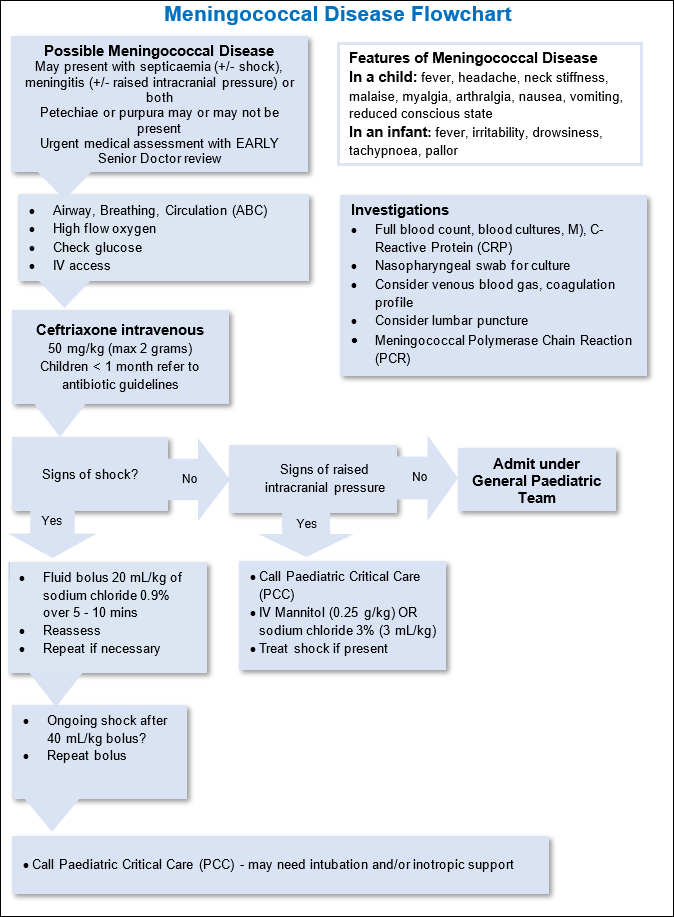
Antibiotics are the mainstay of treatment for invasive meningococcal disease. Empirical antibiotic therapy should be initiated promptly upon suspicion or confirmation of the infection. Intravenous antibiotics, such as a third-generation cephalosporin or penicillin, are typically prescribed. The choice of antibiotic may vary based on regional antimicrobial resistance patterns.
Supportive Care
Supportive care plays a vital role in the management of invasive meningococcal disease. This includes providing intravenous fluids to maintain hydration, monitoring vital signs, managing pain and fever, and addressing any complications that may arise, such as organ dysfunction or septic shock. Close monitoring of respiratory status and cardiac function is essential.
Prevention of Complications
Invasive meningococcal disease can lead to various complications, such as disseminated intravascular coagulation (DIC), septic shock, or multi-organ failure. Timely intervention and management of complications are crucial for optimal patient outcomes. This may involve consultation with specialists, such as critical care physicians or infectious disease experts.
Vaccination
Vaccination is a critical component in the prevention of invasive meningococcal disease. Various vaccines are available, targeting different serogroups of Neisseria meningitidis.
Vaccination Schedule
The vaccination schedule for meningococcal disease varies depending on the age group and risk factors. In many countries, routine childhood immunization programs include vaccines against certain serogroups. Adolescents and young adults are often recommended to receive booster doses. Travelers to regions with a high incidence of meningococcal disease might require additional vaccines.
Vaccine Types
Multiple vaccines have been developed to protect against different serogroups of Neisseria meningitidis. Common vaccine types include conjugate vaccines (e.g., MenACWY and MenB) and polysaccharide vaccines. Conjugate vaccines provide long-term immunity and are typically administered during routine childhood immunization, while polysaccharide vaccines are often used in certain high-risk populations or during outbreaks.
Effectiveness and Side Effects
Meningococcal vaccines have proven to be highly effective in preventing invasive meningococcal disease. They have significantly reduced the burden of the disease in countries with routine immunization programs. Like any vaccine, side effects may occur, but they are generally mild and temporary. Common side effects include pain or redness at the injection site, low-grade fever, and mild fatigue.
Prognosis and Complications
Several factors influence the prognosis of invasive meningococcal disease, including the promptness of diagnosis, initiation of treatment, and the presence of underlying risk factors.
Prognosis Factors
Early diagnosis and prompt initiation of appropriate antibiotic therapy greatly improve the prognosis for individuals with invasive meningococcal disease. Other important factors include age, overall health status, the presence of complications at the time of diagnosis, and access to critical care facilities.
Potential Complications
Invasive meningococcal disease can lead to various complications, some of which may be life-threatening. These complications may include septic shock, disseminated intravascular coagulation (DIC), meningitis-related hearing loss, neurologic sequelae, limb amputations, or other organ damage. The likelihood of complications can decrease significantly with early diagnosis and appropriate treatment.
Meningococcal Disease in Specific Populations
Certain populations, such as infants, children, adolescents, adults, and pregnant women, have specific considerations regarding the prevention, diagnosis, and management of meningococcal disease.
Infants and Children
Infants and young children are particularly susceptible to meningococcal disease. Vaccination against Neisseria meningitidis is an essential preventive measure. Parents and caregivers should be aware of the signs and symptoms of the disease and seek medical attention promptly if they suspect meningococcal infection in their child.
Adolescents
Adolescents have an increased risk of meningococcal disease due to various factors, including close contact in school or college settings. Vaccination programs targeting this age group have been implemented in many countries to reduce the incidence of invasive meningococcal disease.
Adults
While invasive meningococcal disease is relatively uncommon in healthy adults, certain populations, such as those living in close quarters, have an increased risk. Vaccination is recommended for individuals with specific risk factors or those living in high-risk environments.
Pregnant Women
Pregnant women should consult with their healthcare providers regarding the benefits and risks of meningococcal vaccination. The decision to vaccinate during pregnancy depends on factors such as the risk of exposure, individual health status, and regional recommendations.

Outbreak Management and Control
Efficient outbreak management and control strategies play a vital role in preventing the spread of invasive meningococcal disease within communities or specific populations.
Surveillance
Robust surveillance systems are essential for early detection and monitoring of meningococcal disease outbreaks. Healthcare providers, laboratories, and public health agencies collaborate to collect data on cases, identify the serogroups involved, and track the disease’s epidemiology.
Contact Prophylaxis
Contact prophylaxis involves administering antibiotics to individuals who have had close contact with an infected individual. The aim is to prevent secondary cases and interrupt disease transmission. Close contacts, such as household members, healthcare workers, or attendees of the same daycare or school, may be eligible for prophylactic treatment.
Isolation and Quarantine
Isolation and quarantine measures may be implemented to prevent the spread of invasive meningococcal disease during outbreak situations. Infected individuals may be isolated to prevent transmission to others, and close contacts may be placed under quarantine to minimize the risk of further spread.
Public Health Interventions
Public health interventions, including education, vaccination campaigns, and contact tracing, are crucial components of comprehensive strategies to prevent and control invasive meningococcal disease.
Education and Awareness
Public awareness campaigns are vital in promoting early recognition of the signs and symptoms of meningococcal disease. Educating the public about vaccination, risk factors, and the importance of seeking prompt medical attention can help prevent delays in diagnosis and treatment.
Vaccination Campaigns
Vaccination campaigns are an effective measure in controlling invasive meningococcal disease, particularly in high-risk populations or during outbreaks. These campaigns aim to increase vaccine coverage, raise awareness, and ensure equitable access to vaccination.
Contact Tracing
Contact tracing involves identifying and monitoring individuals who have been in close contact with an infected person. This allows for timely medical intervention, surveillance of potential secondary cases, and implementation of appropriate preventive measures, such as contact prophylaxis or vaccination.

Global Impact of Invasive Meningococcal Disease
Invasive meningococcal disease remains a global health concern, particularly in certain high-burden areas.
High-Burden Areas
Certain regions, particularly sub-Saharan Africa, the “meningitis belt,” experience a higher incidence of invasive meningococcal disease. Factors such as crowded living conditions and limited access to healthcare contribute to the increased burden in these areas.
Global Vaccination Initiatives
Global initiatives, such as the World Health Organization’s meningitis programs, aim to reduce the burden of invasive meningococcal disease through vaccination campaigns and improved access to healthcare. These initiatives focus on high-risk regions and populations to ensure optimal disease prevention and control.
Research and Developments
Continued research and developments in the field of invasive meningococcal disease are essential for advancing diagnostic methods, treatment approaches, and vaccines.
New Diagnostic Methods
Advancements in diagnostic methods aim to improve the accuracy and speed of diagnosing invasive meningococcal disease. This includes the development of rapid molecular tests, which can identify the specific serogroup of Neisseria meningitidis and detect antimicrobial resistance markers.
Novel Treatment Approaches
Researchers are actively exploring novel treatment approaches for invasive meningococcal disease, including the use of new antibiotics, adjunctive therapies, and immunomodulatory agents. These advancements aim to enhance the effectiveness of treatment, reduce complications, and improve outcomes.
Advancements in Vaccines
Ongoing research and development focus on improving existing vaccines and developing new ones to enhance protection against a broader range of Neisseria meningitidis serogroups. The development of multi-component vaccines and novel adjuvants aims to provide broader and longer-lasting immunity.
In conclusion, invasive meningococcal disease is a serious infection that requires prompt diagnosis and treatment. Vaccination is a vital preventive measure, and public health interventions are essential for controlling outbreaks, raising awareness, and improving access to healthcare. Ongoing research and developments hold promise for improving diagnostic methods, treatment approaches, and vaccines, further reducing the global burden of invasive meningococcal disease.