
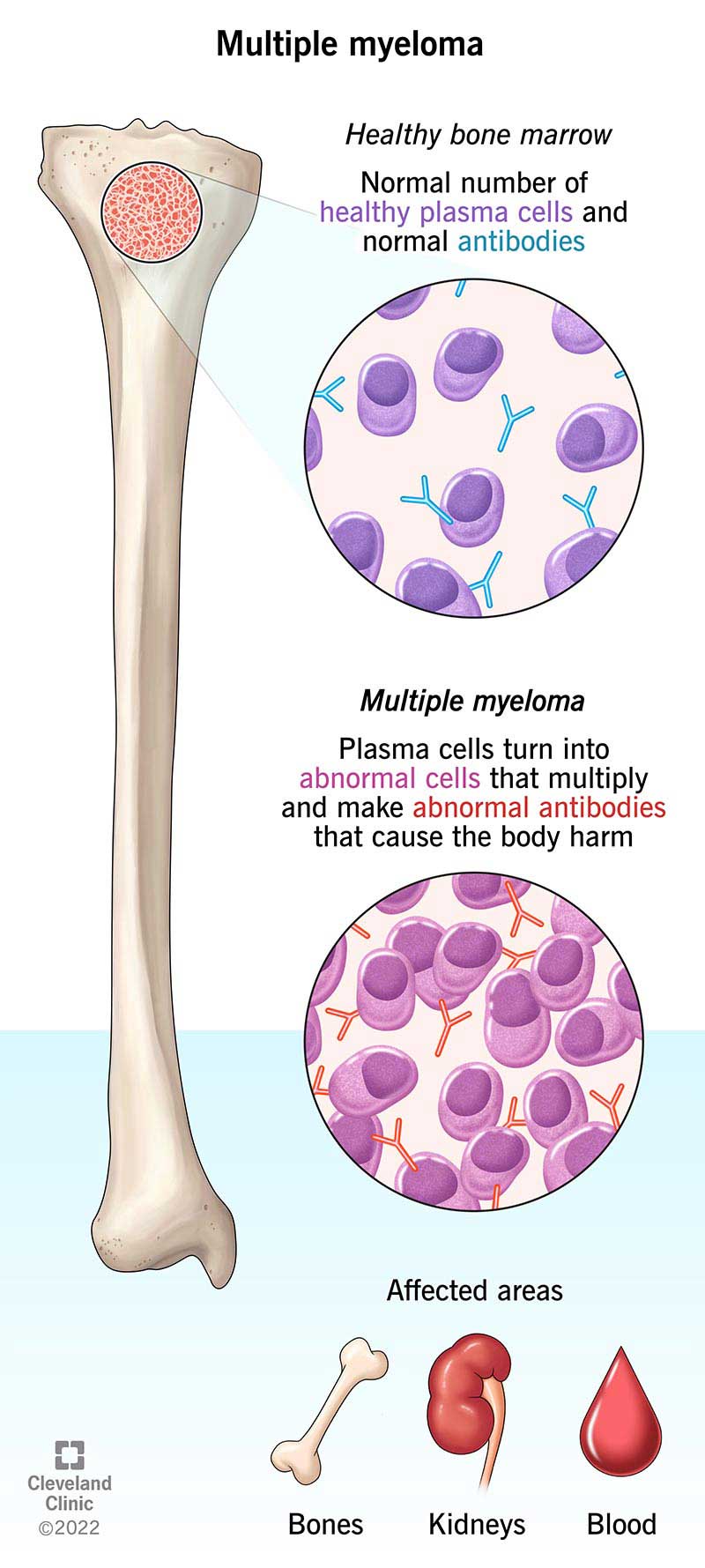
Did you know that early detection of multiple myeloma, a type of cancer that affects plasma cells in the bones, is crucial for successful treatment? By identifying this condition in its early stages, doctors can implement timely interventions and significantly improve patient outcomes. In this article, we will explore the importance of early detection in multiple myeloma and discuss the various tests and screenings available to help identify this cancer early on. Join us as we shed light on this important topic and empower you with knowledge to protect your health. Multiple Myeloma, also known as Kahler’s disease, is a form of cancer that affects plasma cells, a type of white blood cell that produces antibodies. This condition primarily affects older adults, with the average age of diagnosis being 69 years old. Although there is currently no cure for multiple myeloma, early detection is crucial for improving outcomes and increasing the chances of successful treatment. In this article, we will explore the importance of early detection and discuss the various signs, symptoms, and methods available for detecting multiple myeloma at an early stage.

Signs and Symptoms of Multiple Myeloma
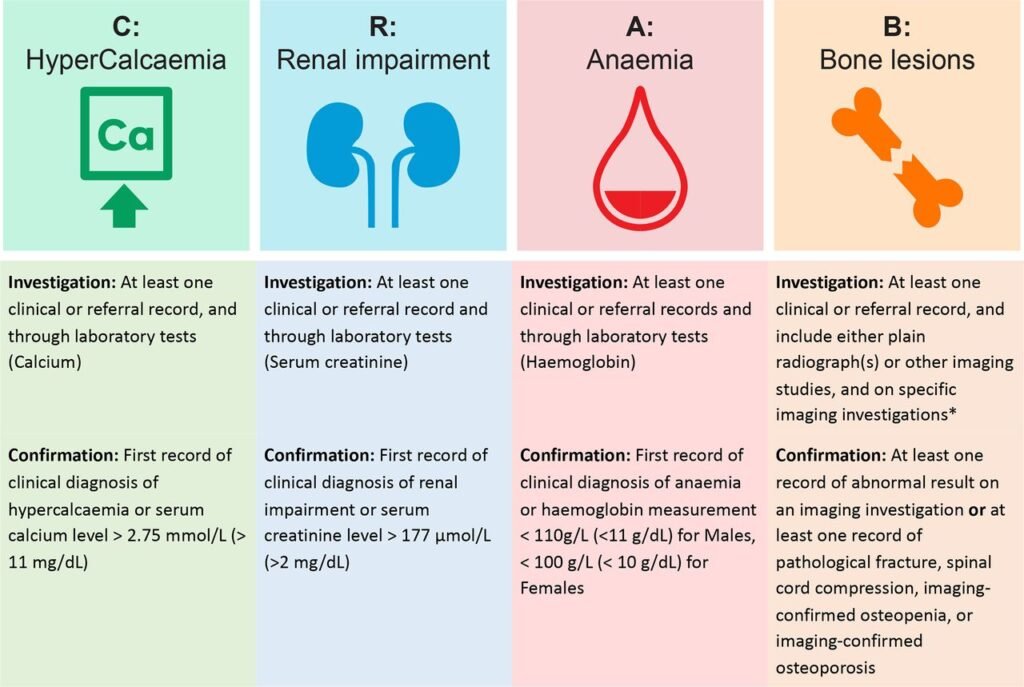
Early detection of multiple myeloma begins with recognizing the signs and symptoms that may indicate the presence of this illness. Some common symptoms include bone pain, fatigue, weakness, frequent infections, unexplained weight loss, and easy bruising or bleeding. Additionally, individuals with multiple myeloma may experience increased thirst and urination, as well as numbness or tingling in their hands and feet. It is essential to pay attention to these symptoms and consult a healthcare professional if any of them persist or are of concern.
Different Methods for Early Detection
There are several methods available for the early detection of multiple myeloma, each with its specific advantages and limitations. These methods include blood tests, imaging techniques, bone marrow biopsy, genetic testing, and screening programs. By utilizing a combination of these methods, healthcare professionals can effectively detect multiple myeloma at an early stage and initiate appropriate treatment promptly.
Blood Tests for Early Detection
Blood tests play a crucial role in the early detection of multiple myeloma. The most common blood test used in the diagnosis of this condition is a complete blood count (CBC), which provides information about the quantity and quality of different blood cells. In addition to CBC, healthcare professionals may also perform blood tests to measure specific proteins and detect abnormalities that indicate the presence of multiple myeloma. These tests can help identify abnormal levels of immunoglobulins or specific proteins produced by cancerous plasma cells.
Imaging Techniques for Early Detection
Imaging techniques, such as X-rays, computed tomography (CT) scans, magnetic resonance imaging (MRI), and positron emission tomography (PET) scans, are valuable tools in the early detection of multiple myeloma. These imaging techniques help visualize the bones, organs, and tissues, allowing healthcare professionals to identify any abnormalities or lesions that may indicate the presence of multiple myeloma. By using advanced imaging techniques, doctors can identify the extent and severity of the disease, contributing to a more accurate diagnosis and treatment plan.
Bone Marrow Biopsy for Early Detection
A bone marrow biopsy is an essential procedure used in the early detection of multiple myeloma. During this procedure, a small sample of bone marrow tissue is extracted from the hipbone or sternum and examined under a microscope for the presence of cancerous plasma cells. This biopsy helps determine the number and characteristics of plasma cells in the bone marrow, allowing healthcare professionals to diagnose multiple myeloma accurately and determine the stage of the disease.
Role of Genetic Testing in Early Detection
Genetic testing plays a significant role in the early detection of multiple myeloma. By analyzing the DNA of cancer cells, healthcare professionals can identify specific genetic abnormalities or mutations that are associated with the development of multiple myeloma. These genetic tests can provide valuable information about an individual’s susceptibility to the disease and guide personalized treatment strategies. Additionally, genetic testing can help identify family members who may be at an increased risk of developing multiple myeloma, enabling early detection and intervention.

Screening Programs for Early Detection
Screening programs are an effective strategy for the early detection of multiple myeloma. These programs involve regular monitoring and testing of individuals who are at an increased risk of developing the disease, such as those with a family history of multiple myeloma or certain genetic mutations. By implementing screening programs, healthcare professionals can identify multiple myeloma at an early stage, even before symptoms manifest, and intervene with appropriate treatment options. It is crucial for individuals in high-risk groups to participate in these screening programs to maximize the chances of early detection and successful treatment.
Importance of Regular Check-ups
Regular check-ups with a healthcare professional are vital for the early detection of multiple myeloma. During these visits, your doctor will perform a physical examination, review your medical history, and discuss any signs, symptoms, or concerns you may have. By establishing a trusting relationship with your healthcare provider and attending regular check-ups, you provide an opportunity for early detection of multiple myeloma. Furthermore, regular check-ups allow for timely screening and appropriate follow-up if any abnormalities are detected.

Risk Factors for Multiple Myeloma
Several risk factors increase the likelihood of developing multiple myeloma. These factors include older age, being male, a family history of multiple myeloma or certain genetic abnormalities, exposure to radiation or certain chemicals, obesity, and certain pre-existing conditions like monoclonal gammopathy of undetermined significance (MGUS). It is essential to be aware of these risk factors and discuss them with your healthcare provider to determine if additional screening or monitoring is necessary.
Preventive Measures for Multiple Myeloma
While there are currently no foolproof preventive measures for multiple myeloma, some lifestyle choices can potentially reduce the risk of developing this condition. Maintaining a healthy weight, engaging in regular physical activity, eating a balanced diet rich in fruits and vegetables, avoiding exposure to harmful chemicals or radiation, and quitting smoking can all contribute to reducing the risk of multiple myeloma. Additionally, staying informed about the disease, knowing your family history, and participating in appropriate screening programs can aid in early detection and timely intervention.
In conclusion, early detection of multiple myeloma is crucial for maximizing treatment outcomes and improving the quality of life for individuals affected by this condition. Recognizing the signs and symptoms, undergoing regular check-ups, and utilizing various diagnostic methods such as blood tests, imaging techniques, bone marrow biopsy, genetic testing, and screening programs are essential steps in detecting multiple myeloma at an early stage. By staying proactive and working closely with healthcare professionals, individuals can increase their chances of early detection, prompt intervention, and successful management of multiple myeloma.