
Living with atopic eczema can be a challenging experience, but with the right management strategies in place, you can regain control over your skin and minimize flare-ups. In this article, we will explore some effective techniques that can help alleviate the symptoms of atopic eczema and improve your quality of life. From establishing a consistent skincare routine to identifying and avoiding triggers, these strategies are designed to empower you to take charge of your skin’s health and find long-term relief. So, let’s dive into the world of atopic eczema management and discover the solutions that await you. Atopic Eczema, also known as atopic dermatitis, is a chronic skin condition that can cause redness, itching, and irritation. If you suffer from this condition, you know just how frustrating and uncomfortable it can be. However, the good news is that there are several effective management strategies that you can incorporate into your daily routine to help alleviate symptoms and improve your overall skin health. In this article, we will discuss ten key areas of focus to help you effectively manage your atopic eczema.
1. Daily Skincare Routine
1.1 Cleansing the Skin
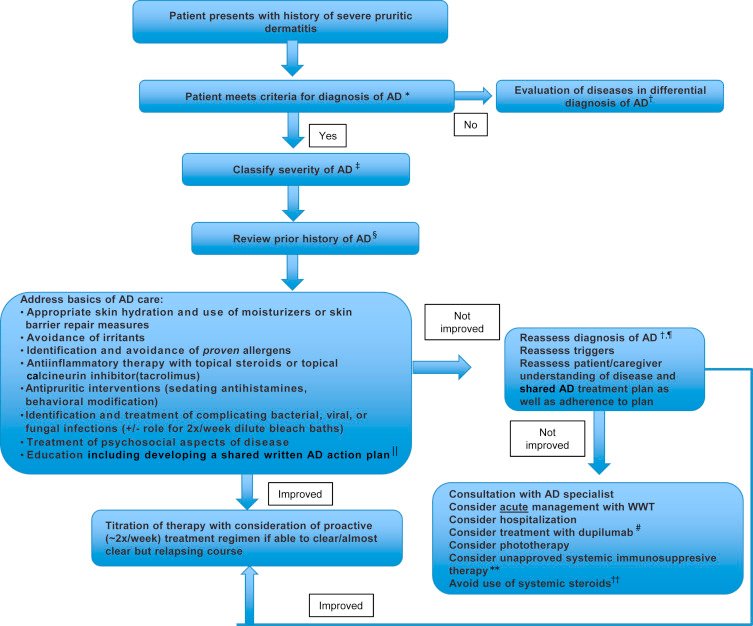
Cleansing your skin is an essential step in your daily skincare routine when you have atopic eczema. However, it’s important to be gentle and choose products that are specifically formulated for sensitive skin. Harsh soaps and cleansers can strip away the skin’s natural oils and exacerbate dryness. Look for fragrance-free and hypoallergenic cleansers that will effectively cleanse your skin without causing further irritation.
1.2 Moisturizing
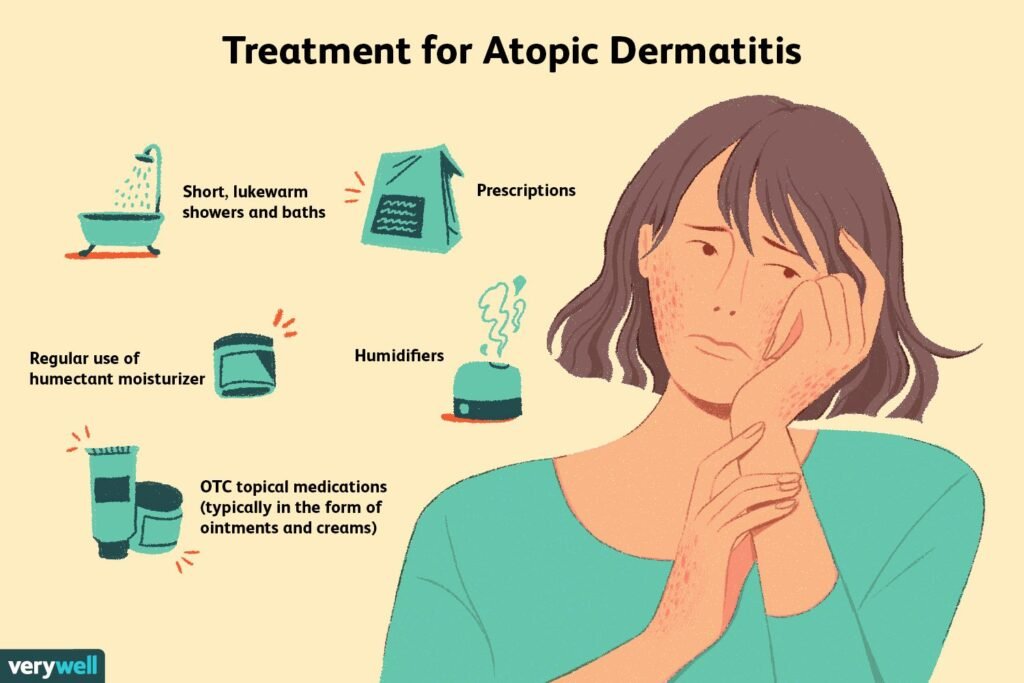
Moisturizing is crucial for keeping your skin hydrated and reducing the symptoms of atopic eczema. After cleansing, apply a thick, fragrance-free moisturizer all over your body, paying extra attention to areas prone to dryness and irritation. Opt for moisturizers that contain ingredients like ceramides, hyaluronic acid, or shea butter, as these can help restore the skin’s moisture barrier and lock in hydration.
1.3 Avoiding Irritants
Identifying and avoiding potential irritants is another important aspect of your daily skincare routine. Certain substances and environmental factors can trigger flare-ups and worsen your symptoms. Common irritants include harsh detergents, fragrances, wool fabrics, and certain metals. Be mindful of your surroundings and try to minimize exposure to these triggers as much as possible to prevent further irritation.
2. Bathing and Showering Techniques
2.1 Frequency
When it comes to bathing and showering, finding the right balance is key for managing atopic eczema. While it’s important to keep your skin clean, excessive bathing can strip away natural oils and disrupt the skin’s barrier function. Aim to bathe or shower once a day or every other day to maintain cleanliness without over-drying your skin.
2.2 Water Temperature and Duration
The temperature and duration of your showers and baths can also impact the health of your skin. Avoid hot water, as it can further dry out your skin and worsen itching. Instead, opt for lukewarm water and limit your bathing time to 10 to 15 minutes. Remember to pat your skin dry with a soft towel after bathing, rather than rubbing, to avoid irritation.
2.3 Soap and Cleansers
When choosing soap or cleansers for bathing, opt for mild, fragrance-free options. Harsh soaps can strip the skin of its natural oils, leading to dryness and irritation. Look for cleansers that are specifically formulated for sensitive skin or those recommended by dermatologists. Gently lather the cleanser onto your skin and rinse thoroughly to remove any residue.
3. Clothing and Fabric Choices
3.1 Breathable Fabrics
What you wear can greatly impact your skin health when you have atopic eczema. It’s best to choose clothing made from breathable fabrics, such as cotton or bamboo, as these allow for better airflow and help prevent excessive sweating, which can trigger flare-ups. Avoid synthetic materials like polyester or nylon, as they can trap moisture and irritate the skin.
3.2 Loose-fitting Clothing
Opting for loose-fitting clothing is another important consideration. Tight clothing can rub against the skin and cause friction, leading to irritation and itching. Choose clothes that give your skin room to breathe and move comfortably. Loose-fitting garments can also help prevent overheating, which is a common trigger for atopic eczema.
3.3 Avoiding Rough Textures
Avoiding rough textures can help minimize skin irritation and discomfort. Opt for smooth, soft fabrics that won’t irritate sensitive skin. Rough materials like wool can cause itching and aggravate eczema symptoms. If you must wear wool, consider layering it with a soft cotton or silk garment underneath to provide a barrier between your skin and the irritating fabric.
4. Dietary Considerations
4.1 Identifying Triggers
Diet can play a significant role in managing atopic eczema. Certain foods have been known to trigger flare-ups in some individuals. Common culprits include dairy products, eggs, soy, gluten, and nuts. Keep a food diary to help identify any patterns between your diet and your eczema symptoms. By eliminating or reducing potential trigger foods, you may be able to reduce the frequency and severity of flare-ups.
4.2 Elimination Diets
If you suspect that certain foods may be exacerbating your eczema, you may benefit from trying an elimination diet. This involves removing common trigger foods from your diet for a period of time, then gradually reintroducing them one at a time to see if any cause a reaction. It’s important to seek guidance from a healthcare professional, such as a registered dietitian, before embarking on an elimination diet to ensure proper nutrition and support throughout the process.
4.3 Omega-3 Fatty Acids
Incorporating foods rich in omega-3 fatty acids into your diet may help reduce inflammation and improve skin health. Cold-water fish, such as salmon, mackerel, and sardines, are excellent sources of omega-3s. You can also consider adding flaxseed, chia seeds, and walnuts to your meals for a plant-based source of these beneficial fatty acids. Talk to your healthcare provider about the potential benefits of omega-3 supplementation if dietary sources aren’t sufficient.
5. Stress Management
5.1 Relaxation Techniques
Stress has been known to trigger and worsen atopic eczema symptoms. Incorporating relaxation techniques into your daily routine can help manage stress and promote overall well-being. Consider practicing deep breathing exercises, progressive muscle relaxation, or engaging in activities like yoga or tai chi. Find what works best for you and make it a regular part of your routine.
5.2 Mindfulness and Meditation
Practicing mindfulness and meditation can be beneficial for both your mental and physical health. Taking a few minutes each day to focus on the present moment and quiet the mind can help reduce stress levels and improve your skin’s condition. There are many mindfulness apps and guided meditation resources available, making it easy to incorporate these practices into your daily life.
5.3 Physical Activity
Regular physical activity offers numerous benefits for overall health and well-being, including stress reduction. Engaging in activities you enjoy, whether it’s going for a walk, dancing, or playing a sport, can help alleviate stress and promote a sense of relaxation. Just be mindful of excessive sweating during intense workouts, as sweat can irritate the skin. Remember to shower and moisturize promptly after exercise.
6. Allergy Management
6.1 Allergen Avoidance
Avoiding allergens that trigger your atopic eczema is crucial for managing your symptoms. Common allergens include pet dander, dust mites, pollen, and certain foods. Make an effort to minimize exposure to these triggers by keeping your living space clean, using hypoallergenic bedding, and avoiding contact with known allergens. If you have a known allergy, take steps to prevent exposure and consider allergy-proofing your home.
6.2 Allergy Testing
If you are unsure of what triggers your eczema symptoms, allergy testing can be an effective way to identify any allergies or sensitivities. Skin prick tests or blood tests can help determine specific allergens that may be contributing to your eczema flare-ups. Consult with an allergist or dermatologist to explore the best testing options for you.
6.3 Immunotherapy
In cases where allergen avoidance isn’t enough, immunotherapy may be recommended. Immunotherapy involves gradually exposing your body to small amounts of an allergen to build up tolerance over time. This can be done through allergy shots or sublingual tablets or drops. Immunotherapy aims to desensitize your immune system and reduce your allergic reactions to specific triggers.
7. Prescription and Over-the-Counter Medications
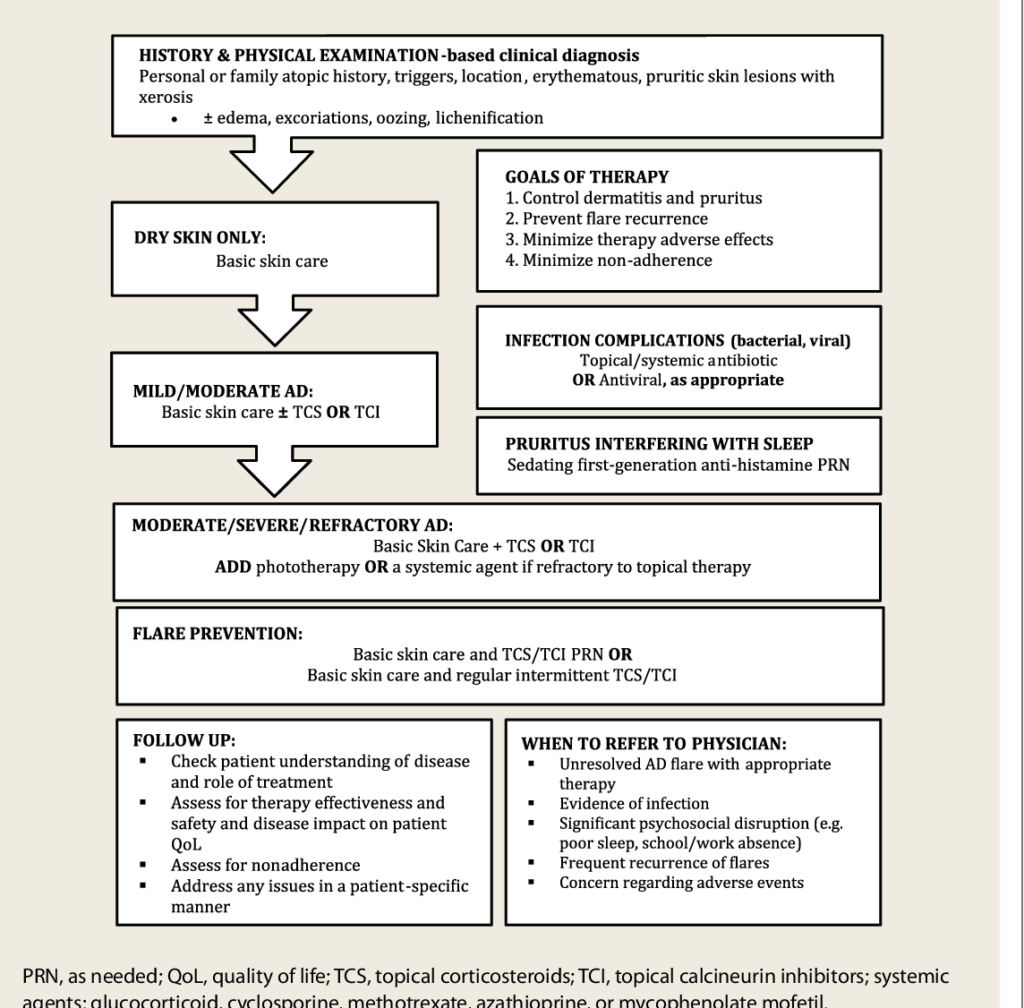
7.1 Topical Corticosteroids
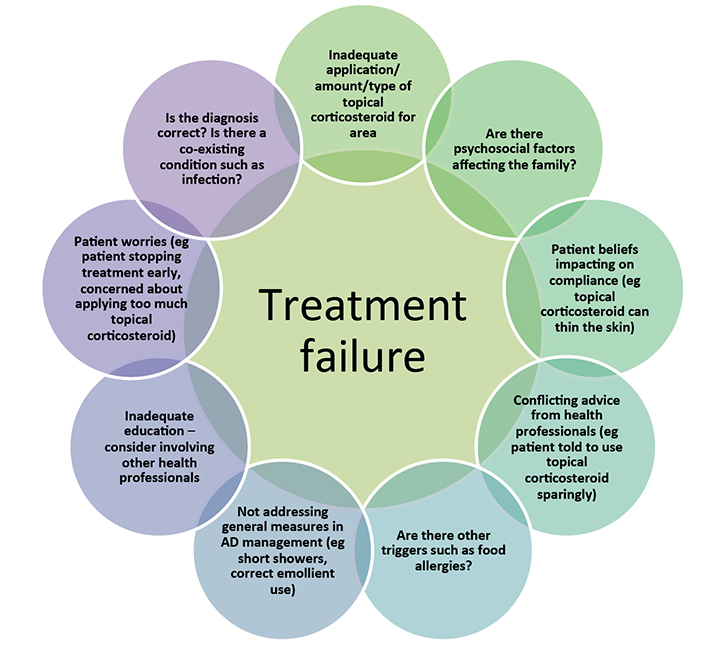
Topical corticosteroids are commonly prescribed for managing the symptoms of atopic eczema. These medications work by reducing inflammation and calming the immune response in the skin. They come in various strengths and forms, ranging from creams and ointments to lotions and gels. It’s essential to follow your healthcare provider’s instructions and use these medications judiciously to avoid potential side effects.
7.2 Topical Calcineurin Inhibitors
Topical calcineurin inhibitors are another class of medications that can be effective in managing atopic eczema. Unlike corticosteroids, these medications do not contain steroids and can be used for longer durations. They work by suppressing the immune response and reducing inflammation in the skin. These medications are typically reserved for use on sensitive areas, such as the face and genital area.
7.3 Antihistamines
Antihistamines can be helpful in managing the itching and discomfort associated with atopic eczema. These medications work by blocking the release of histamine, a chemical that triggers itching and allergic reactions. Non-drowsy antihistamines are recommended during the day, while sedating antihistamines can be beneficial for managing itchiness and promoting better sleep at night. Consult with your healthcare provider to determine the best antihistamine for your symptoms.
8. Wet Wrapping
8.1 Benefits
Wet wrapping, also known as wet wrap therapy, is a technique that involves applying layers of dampened clothing or bandages to the affected areas of your skin. This method can help soothe inflamed skin, provide intense hydration, and enhance the penetration of topical medications. Wet wrapping has been shown to provide immediate relief and improve the overall condition of the skin.
8.2 How to Perform Wet Wrapping
To perform wet wrapping, start by moisturizing your skin with a suitable hypoallergenic moisturizer. Then, apply a damp layer of tubular bandages, damp pajamas, or damp gauze dressings to the affected areas. Ensure that the wrapping is snug but not too tight. Leave the wraps on for a few hours or overnight, depending on your preference and comfort level. Remember to remove the wet wraps and moisturize your skin afterward.
8.3 Precautions
While wet wrapping can be highly effective, it’s essential to take proper precautions to prevent overheating and potential complications. Make sure the wraps are damp and not dripping wet to avoid excessive cooling or wetting of the skin. Additionally, if you have any open wounds, infections, or cuts, consult with a healthcare professional before attempting wet wrap therapy to avoid any potential complications.
9. Phototherapy
9.1 UV Radiation
Phototherapy, also known as light therapy, involves exposing the skin to controlled amounts of ultraviolet (UV) radiation. UV radiation can penetrate the skin and reduce inflammation, helping to manage atopic eczema symptoms. Phototherapy can be administered in different forms, such as narrowband UVB, broadband UVB, or UVA therapy, depending on the severity of your eczema and your healthcare provider’s recommendations.
9.2 Types of Phototherapy
Narrowband UVB is the most commonly used form of phototherapy for atopic eczema. It involves exposing the skin to a specific wavelength of UVB light, which has been shown to be effective in reducing inflammation and improving skin condition. Another type, UVA therapy, often involves combining the use of UVA light with a light-sensitizing medication called psoralen, referred to as PUVA therapy.
9.3 Considerations and Side Effects
Before undergoing phototherapy, it’s important to discuss the potential risks and benefits with your healthcare provider. Phototherapy should be administered under supervision to ensure safety and minimize the risk of side effects, which can include skin burns, increased risk of skin cancer, and eye damage. Your healthcare provider will consider your medical history, skin type, and specific needs to determine if phototherapy is a suitable treatment option for you.
10. Support and Education
10.1 Support Groups
Living with atopic eczema can sometimes feel isolating, but you’re not alone. Joining a support group can provide you with a sense of community and understanding. Connecting with others who share similar experiences can be empowering and offer valuable emotional support. There are many online and in-person support groups available that can help you navigate your eczema journey and provide you with a safe space to share your challenges and achievements.
10.2 Patient Education
Knowledge is empowerment when it comes to managing atopic eczema. Educate yourself about the condition and stay informed about the latest research and treatment options. Understanding your triggers, learning how to care for your skin, and being aware of available resources can make a significant difference in your ability to manage your symptoms effectively. Consult reputable sources, such as trusted medical websites and publications, to stay up-to-date with accurate and reliable information.
10.3 Dermatologist Consultation
Regular consultation with a dermatologist is crucial for effective management of atopic eczema. A dermatologist can provide personalized treatment plans, monitor your progress, and adjust your treatment as needed. They can also help identify any underlying conditions or complications that may be contributing to your eczema symptoms. Seek medical advice promptly if your symptoms worsen or if you have any concerns about your skin health.
In conclusion, managing atopic eczema requires a multifaceted approach that encompasses various lifestyle modifications, skincare routines, and medical interventions. By incorporating these ten management strategies into your daily routine, you can effectively reduce symptoms, improve your skin health, and enhance your overall quality of life. Remember to consult with healthcare professionals and tailor your management plan to suit your individual needs and preferences. With proper care and attention, you can successfully manage your atopic eczema and enjoy healthier skin.