
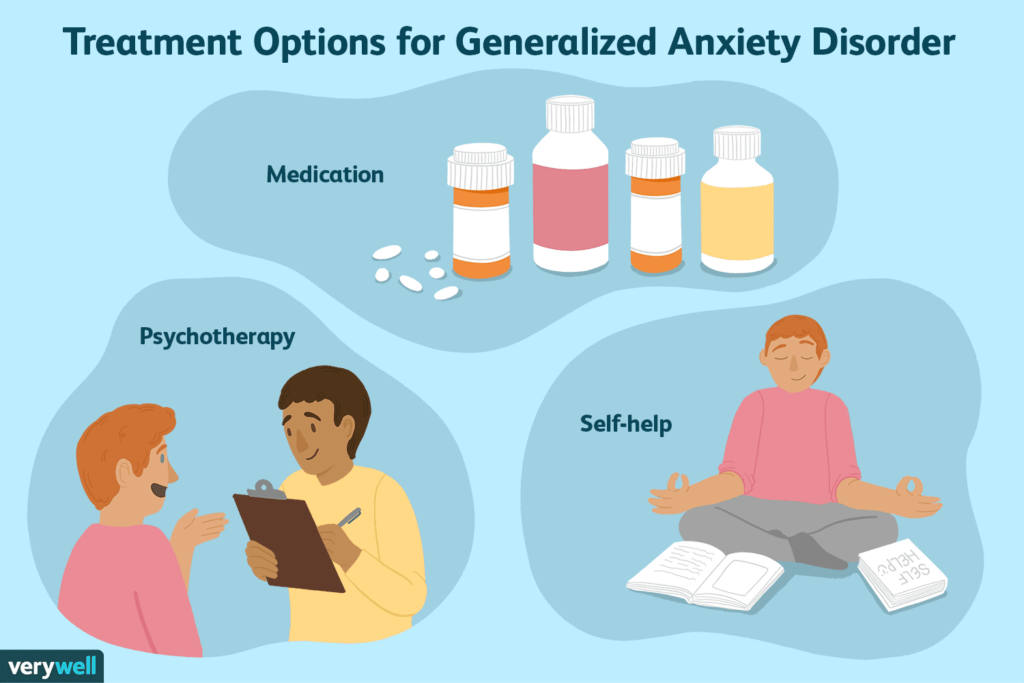
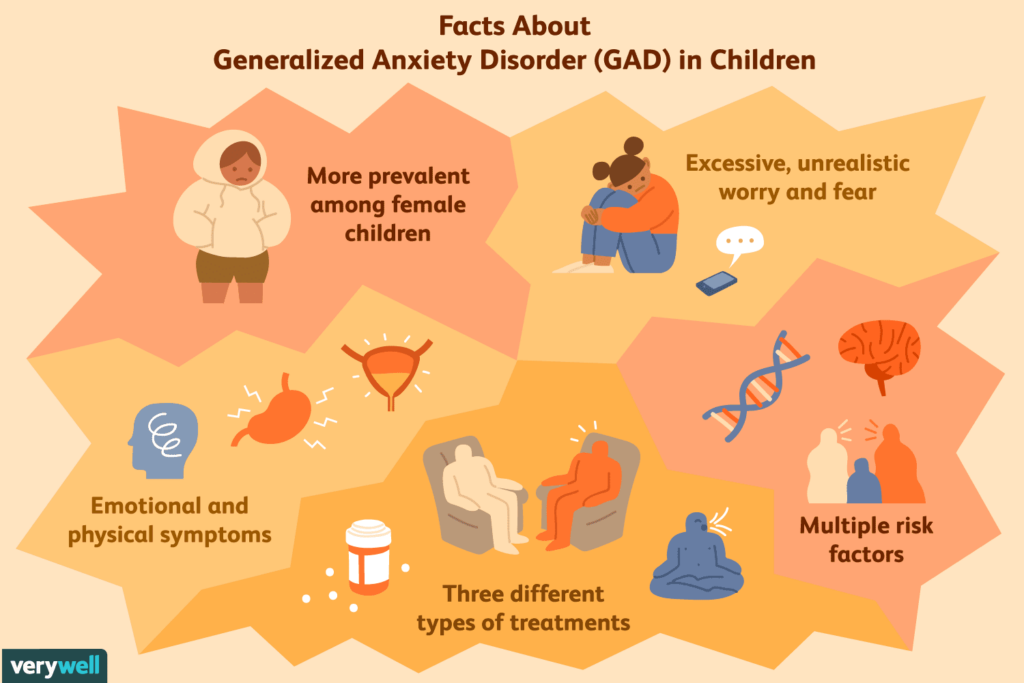
If your child is struggling with anxiety, it’s essential to find effective treatments that can provide them with relief. Anxiety disorders in children can manifest in various ways, from excessive worry and fear to avoidance of certain situations. In this article, we will explore some proven methods for managing anxiety disorders in children. From therapy and medication options to lifestyle changes and relaxation techniques, you’ll learn about the strategies that can help your child navigate their anxiety and live a happier, calmer life.
Cognitive Behavioral Therapy
Definition
Cognitive Behavioral Therapy (CBT) is a form of therapy that focuses on changing unhealthy thought patterns and behaviors that contribute to anxiety disorders in children. It is based on the idea that our thoughts, feelings, and behaviors are interconnected, and by identifying and challenging negative thinking patterns, anxiety symptoms can be reduced.
Techniques
CBT uses various techniques to help children manage their anxiety. One common technique is cognitive restructuring, which involves identifying and replacing irrational thoughts and beliefs with more rational ones. Another technique is exposure therapy, which involves gradually exposing the child to anxiety-provoking situations in a safe and controlled manner to desensitize their fear response. Additionally, relaxation techniques, such as deep breathing and mindfulness exercises, are often taught to help children manage their anxiety symptoms.
Effectiveness
Numerous studies have shown that CBT is highly effective in treating anxiety disorders in children. It has been found to significantly reduce anxiety symptoms and improve overall functioning. CBT also equips children with lifelong coping skills that can be utilized even after therapy has ended. It is considered a first-line treatment for childhood anxiety disorders due to its efficacy and long-lasting benefits.
Exposure Therapy
Definition
Exposure therapy is a type of behavioral therapy that aims to reduce anxiety and fear by gradually exposing children to the situations or objects that trigger their anxiety. The exposure is conducted in a controlled manner, allowing the child to confront their fears in a safe environment.
Process
Exposure therapy typically begins with the child and therapist collaboratively creating a hierarchy of feared situations or stimuli. These may range from mildly anxiety-provoking to highly distressing. The child is then gradually exposed to these situations, starting from the least anxiety-inducing and progressing to more challenging ones. The exposure can be done through imagination, role-play, or in vivo exposure (exposure to real-life situations).
Benefits
Exposure therapy helps children confront their fears in a systematic and controlled manner. Over time, repeated exposure allows them to learn that their anxiety decreases naturally and that they are capable of coping with their fears. This leads to a reduction in anxiety symptoms and an increased sense of self-efficacy. Exposure therapy is particularly effective in treating specific phobias, panic disorder, and social anxiety disorder in children.
Effectiveness
Research has consistently shown that exposure therapy is highly effective in treating anxiety disorders in children. It has been found to significantly reduce anxiety symptoms and improve overall functioning. The benefits of exposure therapy can be long-lasting, with children often experiencing a sustained decrease in anxiety even after therapy has ended. It is considered a highly recommended treatment option for children with specific phobias and other anxiety disorders.
Medication
Types
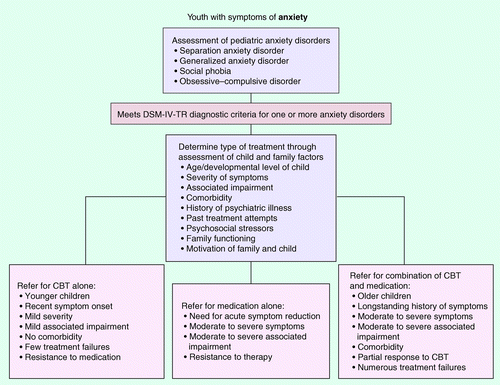
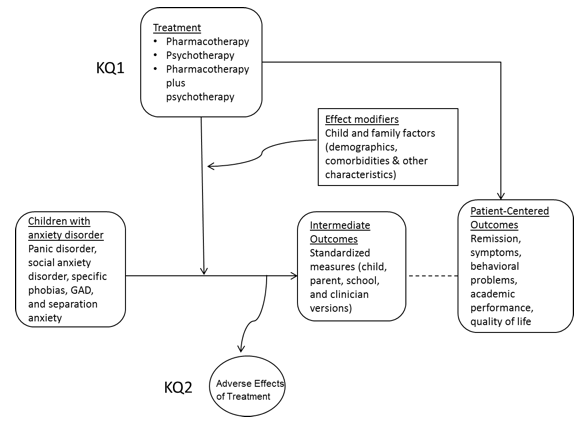
Medication can be a helpful adjunct to therapy in treating anxiety disorders in children. Selective serotonin reuptake inhibitors (SSRIs) are the most commonly prescribed medications for childhood anxiety disorders. These medications work by increasing the levels of serotonin in the brain, which helps regulate mood and anxiety. Other medications, such as benzodiazepines, may be prescribed in certain cases, but they are generally used on a short-term basis due to their potential for dependence.
Risks and Benefits
Medications can provide relief from anxiety symptoms and improve a child’s functioning. However, they also come with potential risks and side effects. It is important to discuss these risks and benefits with a healthcare professional to make an informed decision. Some common side effects of SSRIs may include gastrointestinal issues, sleep disturbances, and changes in appetite. Close monitoring by a healthcare professional is recommended during medication treatment.
Effectiveness
Research has shown that medication can be an effective treatment option for anxiety disorders in children. SSRIs, in particular, have been found to reduce anxiety symptoms and improve overall functioning. However, medication alone is not typically recommended as a first-line treatment for childhood anxiety disorders. It is often used in conjunction with therapy, such as CBT or exposure therapy, to provide comprehensive and effective treatment.
Mindfulness and Relaxation Techniques
Definition
Mindfulness and relaxation techniques involve focusing attention on the present moment and cultivating a non-judgmental and accepting attitude towards one’s thoughts, emotions, and physical sensations. These techniques can help children learn to relax their body and mind, reducing anxiety and stress.
Techniques
There are various mindfulness and relaxation techniques that can be practiced by children. Deep breathing exercises involve taking slow, deep breaths and focusing on the sensation of breathing in and out. Progressive muscle relaxation involves tensing and then releasing different muscle groups to promote relaxation. Guided imagery exercises encourage children to visualize calming and positive scenes in their minds. Mindfulness meditation involves observing and accepting thoughts and sensations without judgment.
Benefits
Mindfulness and relaxation techniques provide children with tools to calm their mind and body in times of anxiety and stress. Regular practice of these techniques can improve overall well-being and resilience. They help children develop the ability to regulate their emotions, increase self-awareness, and cultivate a sense of inner peace. Additionally, mindfulness has been found to reduce anxiety and improve attention and focus in children.
Parenting and Family Interventions
Definition
Parenting and family interventions involve working with parents and family members to address and manage a child’s anxiety symptoms. These interventions recognize the important role that parents and family dynamics play in shaping a child’s anxiety and aim to provide support and strategies for both the child and their caregivers.
Behavior Management Strategies
Behavior management strategies are commonly used in parenting and family interventions. This includes techniques such as setting clear and consistent limits, rewarding positive behaviors, and implementing consequences for negative behaviors. Caregivers are taught how to provide a safe and supportive environment for their child, while also encouraging independence and healthy coping skills.
Family Therapy
Family therapy is another component of parenting and family interventions. It involves bringing the entire family together for therapy sessions to address communication patterns, conflict resolution, and any other family dynamics that may contribute to a child’s anxiety. Family therapy helps improve family relationships, strengthens support systems, and fosters a shared understanding of the child’s anxiety.
Exercise and Physical Activity
Definition
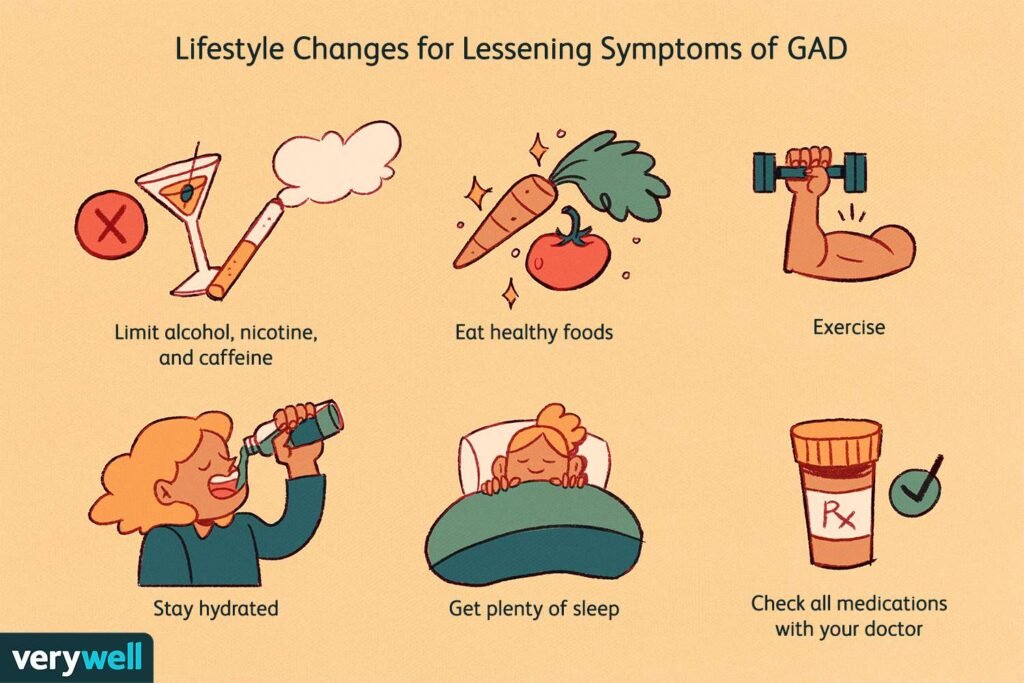
Exercise and physical activity play an important role in the overall well-being of children, including those with anxiety disorders. Engaging in regular physical activity can help reduce anxiety symptoms and promote a sense of well-being.
Benefits
Exercise has been shown to release endorphins, which are natural mood boosters. It also helps reduce stress and improve sleep, both of which can contribute to anxiety reduction. Physical activity provides a healthy outlet for pent-up energy and helps distract the mind from anxious thoughts. Additionally, participating in group activities or sports can enhance social connections and support networks, further benefiting children with anxiety disorders.
Types of Activities
Children can choose from a variety of physical activities to incorporate into their routine. This can include team sports, such as soccer or basketball, individual activities like swimming or cycling, or non-competitive exercises like yoga or dancing. The key is to find activities that the child enjoys and feels comfortable participating in. Regular exercise, even in short bursts, can have a positive impact on anxiety symptoms in children.
Nutritional Interventions
Dietary Factors
Certain dietary factors have been found to impact anxiety symptoms in children. Avoiding excessive intake of caffeine, sugar, and processed foods can help stabilize mood and energy levels. Providing a balanced diet with ample fruits, vegetables, whole grains, and lean proteins ensures that children receive the necessary nutrients to support their overall well-being. Omega-3 fatty acids, found in foods like fish and walnuts, have also been associated with reduced anxiety symptoms.
Supplements
In some cases, dietary supplements may be recommended to support a child’s nutritional needs and alleviate anxiety symptoms. These supplements should always be discussed with a healthcare professional before use. Some common supplements that have shown promising results in reducing anxiety include omega-3 fatty acids, magnesium, and L-theanine. However, individual responses to supplements may vary, and they should not be used as a substitute for a healthy diet and proper medical care.
Effectiveness
While there is evidence to suggest that certain dietary factors and supplements can have a positive impact on anxiety symptoms, more research is needed to establish their effectiveness as standalone treatments for childhood anxiety disorders. However, incorporating a healthy and balanced diet, along with appropriate supplements when recommended, can contribute to overall well-being and support other anxiety treatment interventions.
Art and Play Therapy
Definition
Art and play therapy are forms of therapy that harness the expressive and creative abilities of children to facilitate emotional healing and reduce anxiety. Both therapies provide a safe and non-threatening environment for children to explore their emotions and find healthy ways to cope with anxiety.
Techniques
In art therapy, children are encouraged to express their feelings and experiences through various art materials, such as paints, clay, or collage materials. The therapist may guide the child in creating artwork that represents their anxiety or use art as a medium for storytelling and self-expression. Play therapy involves using toys, games, and role-play to help children explore and process their emotions in a safe and structured environment.
Effectiveness
Art and play therapy have been found to be effective interventions for reducing anxiety symptoms in children. By providing a creative outlet, these therapies allow children to express their emotions and fears in a non-verbal and non-threatening way. They provide a sense of control and mastery over their anxiety, while also building self-esteem and fostering emotional growth. Art and play therapy can be particularly beneficial for children who have difficulty verbalizing their emotions.
Social Skills Training
Definition
Social skills training is a therapeutic approach that focuses on teaching children the necessary skills to interact effectively with others. For children with anxiety disorders, social skills training can help reduce social anxiety and improve their ability to navigate social situations.
Techniques
Social skills training typically involves teaching children specific social behaviors and providing opportunities for practice and reinforcement. This may include skills such as active listening, initiating and maintaining conversations, reading non-verbal cues, and assertiveness. Role-playing and social problem-solving exercises are often utilized to help children practice and generalize these skills to real-life situations.
Benefits
Social skills training equips children with the tools they need to navigate social interactions with confidence and ease. By improving their social competence, children with anxiety disorders may experience a decrease in anxiety-related symptoms in social situations. Establishing positive social connections and being able to effectively communicate their needs and boundaries can contribute to improved self-esteem and overall psychological well-being.
Alternative Therapies
Music Therapy
Music therapy is a creative therapeutic intervention that uses music and musical activities to address emotional, cognitive, social, and physical needs. It can be particularly beneficial for children with anxiety disorders as it provides a means of self-expression and relaxation. Through music therapy, children can explore emotions, practice relaxation techniques, and develop coping skills. Research has shown that music therapy can reduce anxiety symptoms and improve overall well-being in children.
Animal-Assisted Therapy
Animal-assisted therapy involves incorporating animals, such as dogs or horses, into therapy sessions to promote healing and improve emotional well-being. Animals are known to have a calming effect on individuals and can provide comfort and support. Interacting with animals during therapy can help reduce anxiety and create a sense of safety and connection. Animal-assisted therapy has shown positive results in reducing anxiety symptoms and improving overall functioning in children.
Massage Therapy
Massage therapy involves the manipulation of soft tissues to promote relaxation and relieve tension. In the context of anxiety treatment for children, massage therapy can help reduce muscle tension, promote relaxation, and alleviate anxiety symptoms. It provides a soothing and nurturing environment that allows children to experience physical and emotional comfort. Massage therapy has been found to be effective in reducing anxiety among children and improving their overall well-being.
In conclusion, effective treatments for anxiety disorders in children encompass a variety of therapeutic modalities. Cognitive Behavioral Therapy (CBT), exposure therapy, mindfulness and relaxation techniques, parenting and family interventions, exercise, nutritional interventions, art and play therapy, social skills training, and alternative therapies such as music therapy, animal-assisted therapy, and massage therapy are all valuable approaches in reducing anxiety symptoms and improving overall well-being in children. Each treatment modality offers unique benefits and techniques that can be tailored to meet the individual needs of children with anxiety disorders. It is important to consult with a healthcare professional to determine the most appropriate and comprehensive treatment plan for a child experiencing anxiety. With the right support and interventions, children can learn to effectively manage and overcome their anxiety, leading to a happier and healthier life.