Have you ever wondered about the latest breakthroughs in treating acute renal failure? In this article, we will take you on a fascinating journey through the recent advancements in medical technology and treatment methods for this debilitating condition. From innovative therapies to cutting-edge research, you will discover how doctors and researchers are relentlessly working to improve the outcomes for patients suffering from acute renal failure. So, fasten your seatbelt and get ready to explore the promising new horizons in the field of kidney treatment.
Introduction
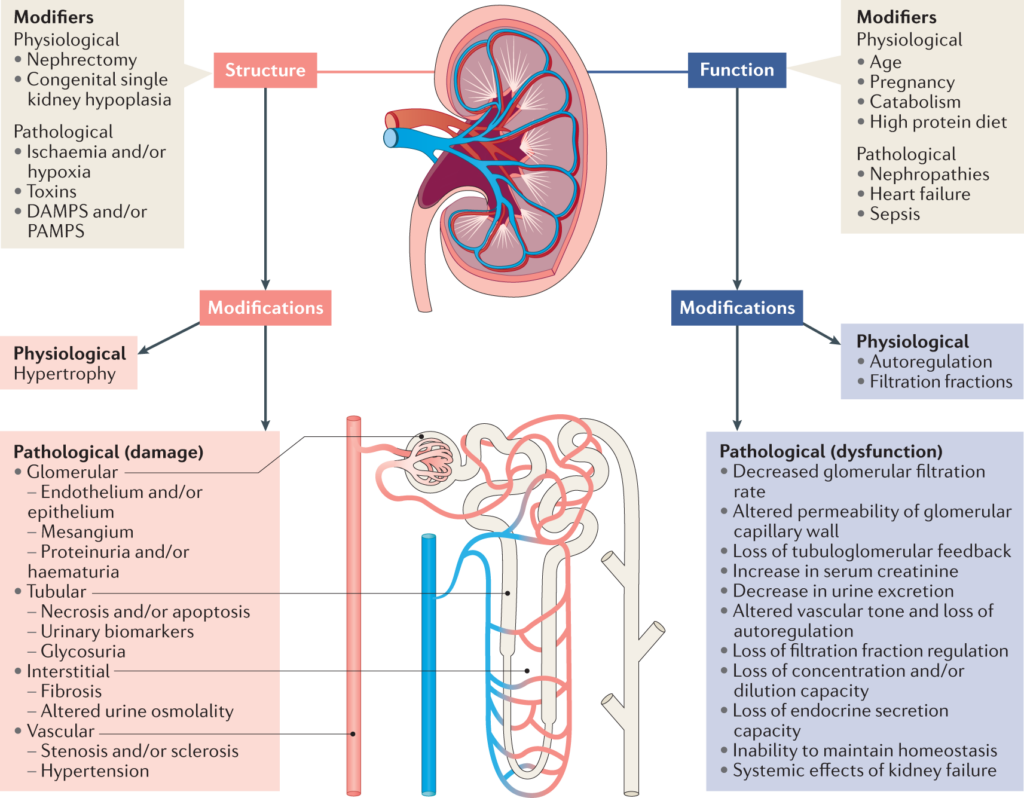
Acute renal failure, also known as acute kidney injury, refers to the sudden loss of kidney function. This condition can occur as a result of various causes and can have severe consequences if not promptly diagnosed and treated. In this article, we will explore the causes, signs and symptoms, diagnosis, and treatment options for acute renal failure. Additionally, we will delve into the recent advances in pharmacological treatment, renal replacement therapy innovations, stem cell therapy, and genetic and molecular advances in the field.
Causes
Pre-renal causes
Pre-renal causes of acute renal failure are often related to decreased blood flow to the kidneys. This can occur due to factors such as dehydration, blood loss, or decreased cardiac output. Pre-renal causes can be addressed by restoring blood volume and optimizing cardiovascular function, thereby restoring adequate blood flow to the kidneys.
Intrinsic renal causes
Intrinsic renal causes of acute renal failure involve damage to the renal tissue itself. These causes can include severe infections, drug toxicity, kidney inflammation, or conditions like glomerulonephritis or acute tubular necrosis. Treatment for intrinsic renal causes depends on addressing the underlying condition and providing supportive care to promote kidney recovery.
Post-renal causes
Post-renal causes of acute renal failure typically involve an obstruction to the normal flow of urine out of the kidneys and into the bladder. This obstruction can result from conditions such as kidney stones, tumors, or prostate enlargement. Prompt intervention is necessary to relieve the obstruction and prevent further kidney damage.
Signs and symptoms
Decreased urine output
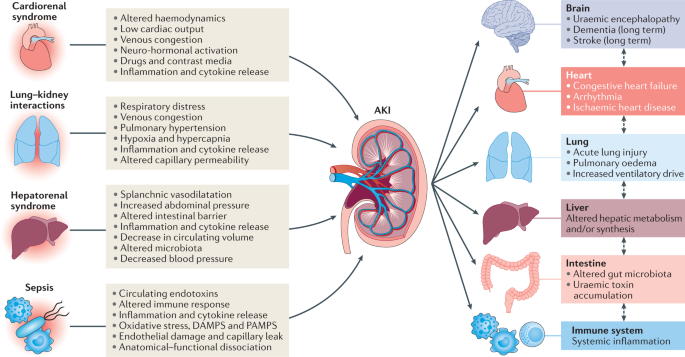
One of the most common signs of acute renal failure is a significant decrease in urine output. The kidneys play a crucial role in filtering waste products from the blood and excreting them as urine. When kidney function is impaired, urine production decreases, leading to decreased urinary output.
Fluid retention and swelling
When the kidneys are unable to properly regulate fluid balance, fluid can accumulate in the body, leading to swelling and edema. This fluid retention can cause noticeable swelling in the legs, ankles, and face, and can also result in weight gain.
Shortness of breath
Impaired kidney function can disrupt the acid-base balance in the body, leading to an accumulation of waste products such as urea and creatinine. This buildup can impact the respiratory system and result in shortness of breath, especially during physical exertion.
Fatigue and confusion
Acute renal failure can lead to anemia, a condition characterized by a decrease in red blood cells and impaired oxygen delivery to the body’s tissues. Fatigue, weakness, and confusion may result from this inadequate oxygen supply.
Nausea and vomiting
The accumulation of waste products in the blood can lead to gastrointestinal symptoms such as nausea and vomiting. These symptoms can further exacerbate fluid and electrolyte imbalances in the body.
Diagnosis
Medical history and physical examination
Obtaining a detailed medical history and conducting a thorough physical examination are essential steps in diagnosing acute renal failure. The healthcare provider will inquire about symptoms, potential risk factors, and any recent exposure to nephrotoxic substances. Physical examination findings, such as fluid accumulation, hypertension, or signs of infection, can provide valuable clues to the underlying cause.
Laboratory tests
Laboratory tests play a crucial role in diagnosing acute renal failure. Blood tests can measure levels of creatinine, blood urea nitrogen (BUN), electrolytes, and various other markers of kidney function. Urine tests, including a urinalysis and urine electrolyte measurement, can provide additional insights into the renal status.
Imaging tests
Imaging tests, such as ultrasound, can help identify any structural abnormalities in the kidneys or urinary tract. These tests can be particularly useful in cases where post-renal causes of acute renal failure are suspected.
Urinary tests
Urinary tests, including urine microscopy, can provide valuable information about the presence of red and white blood cells, as well as the presence of casts or crystals, which can aid in determining the underlying cause of acute renal failure.
Treatment options
Fluid and electrolyte management
Maintaining proper fluid and electrolyte balance is a cornerstone of managing acute renal failure. Depending on the individual’s specific needs, intravenous fluids, diuretics, and electrolyte supplementation may be utilized to optimize renal perfusion and ensure adequate hydration.
Medications to improve kidney function
In certain cases, medications may be prescribed to enhance kidney function and promote renal recovery. These medications can include diuretics, vasopressors, or medications that help stimulate the production of erythropoietin to address anemia.
Dialysis or kidney replacement therapy
In severe cases of acute renal failure, dialysis or kidney replacement therapy may be necessary. These interventions help to remove waste products, excess fluid, and electrolytes from the body when the kidneys are unable to do so effectively.
Management of underlying cause
Treating the underlying cause of acute renal failure is essential for the successful management of the condition. This may involve the use of antibiotics for infections, discontinuation of nephrotoxic medications, or surgical intervention for obstructive causes.
Traditional approaches
Conservative management
Conservative management refers to the non-invasive supportive care provided to individuals with acute renal failure. This can involve measures such as close monitoring of fluid balance, nutritional support, and treatment of associated complications like hypertension or electrolyte imbalances.
Continuous renal replacement therapy (CRRT)
Continuous renal replacement therapy (CRRT) is a form of dialysis that is utilized in critically ill patients with acute renal failure. CRRT involves a slow and continuous removal of waste products and excess fluid, providing gentle and continuous renal support.

Advances in pharmacological treatment
Emerging drug therapies
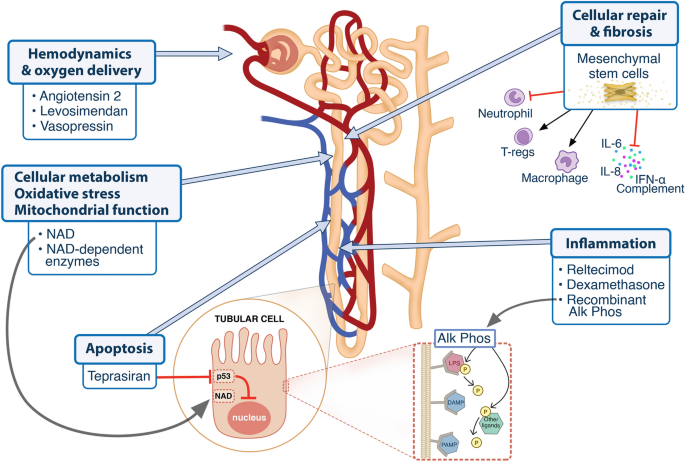
Recent advances in pharmacological treatment for acute renal failure have shown promising results. Novel drug therapies, such as adenosine receptor antagonists or anti-inflammatory agents, are being investigated for their potential to protect and improve kidney function.
Enhancing renal recovery with medications
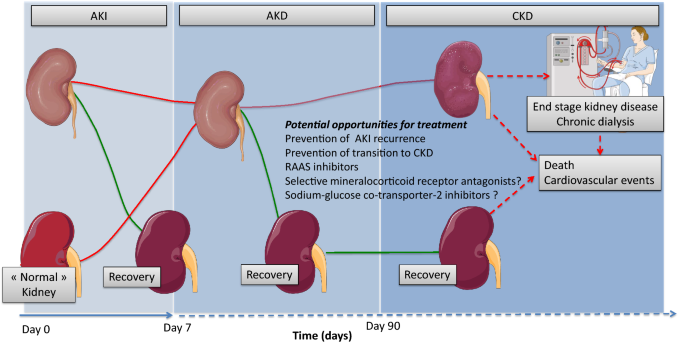
Research is also focusing on developing medications that can enhance renal recovery after an episode of acute renal failure. These medications aim to promote kidney repair and regeneration, potentially reducing the long-term consequences of acute kidney injury.
Renal replacement therapy innovations
Synchronous intermittent hemofiltration
Synchronous intermittent hemofiltration (SIHF) is a new approach to renal replacement therapy that combines the benefits of intermittent and continuous therapies. SIHF allows for a more individualized treatment regimen, providing better outcomes for patients with acute renal failure.
High-cutoff hemodialysis membranes
High-cutoff hemodialysis membranes have emerged as a potential solution for removing larger molecules, such as cytokines, from the bloodstream. By using these specialized membranes, the inflammatory burden on the kidneys can be reduced, aiding in the management of acute renal failure.
Hemoperfusion for cytokine removal
Hemoperfusion, a technique that utilizes an adsorbent material to remove cytokines and other inflammatory mediators from the blood, is gaining attention as a treatment option for acute renal failure. This approach aims to reduce the systemic inflammation associated with acute kidney injury, potentially improving outcomes for patients.
Stem cell therapy
Application of mesenchymal stem cells
Stem cell therapy, specifically the use of mesenchymal stem cells (MSCs), holds promise in the treatment of acute renal failure. MSCs have shown the ability to reduce inflammation, promote tissue repair, and enhance kidney regeneration. Ongoing research is exploring the safety and efficacy of MSC therapy for acute renal failure.
Challenges and future prospects
While stem cell therapy shows great potential, there are still challenges to overcome before it can be widely implemented as a treatment for acute renal failure. Further research is needed to address issues such as optimal dosing, timing of administration, and potential long-term side effects.
Genetic and molecular advances
Genetic profiling in acute kidney injury
Advances in genetic profiling techniques have provided insight into the genetic factors that contribute to the development and progression of acute kidney injury. By identifying specific genetic markers, clinicians can potentially identify individuals at increased risk and develop targeted treatments.
Targeting molecular pathways for treatment
Understanding the molecular pathways involved in acute renal failure has opened up new avenues for therapeutic interventions. By targeting specific pathways involved in inflammation, apoptosis, and kidney repair, researchers hope to develop novel treatments that can enhance kidney recovery and prevent long-term complications.
Acute renal failure is a serious condition that requires prompt diagnosis and appropriate management. With recent advances in pharmacological treatment, renal replacement therapy innovations, stem cell therapy, and genetic and molecular advances, there is hope for improved outcomes in individuals with acute renal failure. Continued research and development in these areas will undoubtedly contribute to further advancements in the field and offer better treatment options for those affected by this condition.
Watch This Video Below
Related Terms About Exploring Recent Advances in Treating Acute Renal Failure
Acute Renal Failure And Causes, Acute Renal Failure And Dialysis, Acute Renal Failure And Diet, Acute Renal Failure And Diuretics, Acute Renal Failure And Treatment, Acute Renal Failure Care Plan, Acute Renal Failure Case Scenario, Acute Renal Failure Case Study, Acute Renal Failure Client Education, Acute Renal Failure Clinical Indicators