
In this article, we will explore the fascinating connection between Attention Deficit Hyperactivity Disorder (ADHD) and substance abuse. ADHD is a condition that affects both children and adults, impacting their ability to focus, control impulsive behavior, and regulate their emotions. Over the years, researchers have discovered a strong correlation between individuals with ADHD and an increased risk of developing substance abuse problems. By understanding this link, we can gain valuable insights into the complex interplay between mental health and addiction, ultimately leading to better treatment and support for those affected. So, let’s dive into this exploration and uncover the significant relationship between ADHD and substance abuse.
Understanding Attention Deficit Hyperactivity Disorder (ADHD)
Definition of ADHD
Attention Deficit Hyperactivity Disorder (ADHD) is a neurodevelopmental disorder that is characterized by persistent patterns of inattention, hyperactivity, and impulsivity. It is typically diagnosed in childhood, although symptoms may continue into adulthood. Individuals with ADHD often struggle with staying focused, organizing tasks, and completing activities. They may also exhibit impulsive behaviors and have difficulty regulating their emotions.
Symptoms of ADHD
The symptoms of ADHD can vary depending on the subtype of the disorder. The three primary subtypes are predominantly inattentive, predominantly hyperactive-impulsive, and combined type. Inattentive symptoms may include difficulty sustaining attention, making careless mistakes, and frequently losing items. Hyperactive-impulsive symptoms may involve excessive talking, fidgeting, and interrupting others. The combined subtype encompasses a combination of both inattentive and hyperactive-impulsive symptoms.
Prevalence of ADHD
ADHD is one of the most common neurodevelopmental disorders and affects people of all ages, races, and socioeconomic backgrounds. According to the Centers for Disease Control and Prevention (CDC), approximately 9.4% of children and 4.4% of adults in the United States have been diagnosed with ADHD. The disorder is more prevalent in boys than girls, and the symptoms often persist into adulthood for many individuals.
Causes of ADHD
The exact causes of ADHD are still not fully understood. Research suggests that a combination of genetic, environmental, and neurological factors contribute to the development of the disorder. Studies have shown that ADHD tends to run in families, indicating a genetic component. Environmental factors, such as prenatal exposure to tobacco smoke or alcohol, premature birth, and low birth weight, have also been associated with an increased risk of developing ADHD. Additionally, abnormalities in certain brain regions and neurotransmitter imbalances have been observed in individuals with ADHD.
Understanding Substance Abuse
Definition of Substance Abuse
Substance abuse refers to the harmful and excessive use of substances such as alcohol, tobacco, prescription drugs, or illicit drugs. It involves the repeated consumption of these substances despite the negative consequences they may have on physical, mental, and social well-being. Substance abuse can lead to addiction, dependence, and a variety of health problems.
Types of Substances Abused
There is a wide range of substances that individuals may abuse. These include alcohol, tobacco, cannabis, opioids, stimulants, hallucinogens, and sedatives. Each class of substances has different effects on the brain and body. For example, alcohol is a depressant that can impair cognitive function and coordination, while stimulants like cocaine and amphetamines increase alertness and energy.
Prevalence of Substance Abuse
Substance abuse is a significant public health concern that affects individuals across all age groups and socioeconomic backgrounds. The National Survey on Drug Use and Health (NSDUH) conducted in the United States estimated that approximately 20.4 million people aged 12 or older have a substance use disorder related to alcohol or illicit drugs. The prevalence of substance abuse varies depending on the specific substance and demographic factors.

The Co-Occurrence of ADHD and Substance Abuse
Statistics on the Link Between ADHD and Substance Abuse
Research has consistently shown a strong association between ADHD and substance abuse. Studies have found that individuals with ADHD are at a higher risk of developing substance use disorders compared to those without ADHD. According to a study published in the Journal of the American Medical Association (JAMA), individuals with ADHD are two to three times more likely to develop a substance use disorder than their peers without ADHD.
Commonly Abused Substances among Individuals with ADHD
Certain substances are more commonly abused among individuals with ADHD. Stimulant medications, such as Adderall and Ritalin, which are commonly prescribed to manage ADHD symptoms, can be misused by individuals seeking to enhance focus or achieve a euphoric effect. Other substances frequently abused by individuals with ADHD include alcohol, marijuana, nicotine, and illicit drugs like cocaine and methamphetamine.
Potential Reasons for the Link
The link between ADHD and substance abuse can be attributed to several factors. Firstly, individuals with ADHD may be more impulsive and seek immediate rewards, making them more susceptible to engaging in risky behaviors like substance abuse. Additionally, the co-occurring presence of emotional dysregulation and difficulties in managing stress among individuals with ADHD may lead to self-medication with substances. Moreover, the neurotransmitter imbalances observed in individuals with ADHD may increase the vulnerability to substance abuse.
Risk Factors and Vulnerabilities
Genetic Factors
Research suggests a strong genetic component in the development of both ADHD and substance abuse. Certain genetic variations have been associated with an increased risk of developing ADHD and a predisposition to substance abuse. Family studies indicate that having a relative with ADHD or a substance use disorder significantly increases an individual’s risk.
Environmental Factors
Various environmental factors can contribute to the development of ADHD and substance abuse. Prenatal exposure to substances like tobacco and alcohol, maternal stress during pregnancy, and childhood adversity such as abuse or neglect have been linked to an increased likelihood of both ADHD and substance abuse.
Untreated ADHD
Untreated ADHD is a significant risk factor for the development of substance abuse. Without proper management and support, individuals with ADHD may turn to substances as a means of self-medication. The difficulties they face in daily life due to untreated symptoms may lead to feelings of frustration, low self-esteem, and a desire to escape through substance use.
Other Mental Health Disorders
Individuals with ADHD often have higher rates of other mental health disorders, such as depression, anxiety, and conduct disorders. The presence of these comorbid disorders can further increase the risk of substance abuse as individuals may turn to substances as a coping mechanism to alleviate their symptoms.

The Impact of ADHD and Substance Abuse on Individuals
Effects of ADHD on Daily Life
ADHD can have a significant impact on various aspects of an individual’s daily life. It may affect academic performance, as individuals may struggle with staying focused, completing tasks, and organizing their work. Relationships with family, friends, and colleagues may be strained due to impulsive behavior, forgetfulness, and difficulty following through on commitments. Additionally, individuals with ADHD may experience emotional and self-esteem issues due to societal challenges and a sense of underachievement.
Effects of Substance Abuse on Daily Life
Substance abuse can have devastating effects on all aspects of an individual’s life. Physical health may deteriorate, leading to chronic medical conditions and increased risk of accidents or injuries. Mental health can be severely impacted, with substance abuse often exacerbating symptoms of underlying mental health disorders. Social relationships may suffer, as individuals may prioritize substances over their relationships and neglect personal responsibilities.
Complications of Co-Occurring ADHD and Substance Abuse
The co-occurrence of ADHD and substance abuse can compound the challenges faced by individuals. Substance abuse can worsen ADHD symptoms, making it even more challenging to manage daily life tasks. Additionally, substance abuse can interfere with medication adherence and the effectiveness of treatment for ADHD. Individuals with co-occurring disorders may also be at a higher risk of legal issues, unemployment, and experiencing a lower quality of life.
Diagnosis and Assessment
ADHD Diagnosis
The diagnosis of ADHD involves a comprehensive evaluation conducted by healthcare professionals, such as psychiatrists or psychologists. The evaluation typically includes a detailed assessment of the individual’s symptoms, medical history, and functioning across multiple settings. Standardized rating scales, interviews, and observations may be used to gather information from parents, teachers, and the individual themselves. The Diagnostic and Statistical Manual of Mental Disorders (DSM-5) provides specific criteria that must be met for a diagnosis of ADHD.
Substance Abuse Assessment
The assessment for substance abuse involves evaluating the individual’s patterns of substance use, the impact on their physical and mental health, and any related social or occupational impairments. Healthcare professionals may use validated questionnaires, interviews, and laboratory tests to gather relevant information. The assessment aims to determine the severity and nature of substance abuse and guide appropriate treatment recommendations.
Screening for Co-Occurrence
Given the high prevalence of co-occurring ADHD and substance abuse, it is crucial for healthcare professionals to screen for both conditions when conducting assessments. Various screening tools and questionnaires are available to identify individuals who may be at risk of having both disorders. Early identification of co-occurring disorders allows for more targeted and effective treatment interventions.

Treatment Approaches
Individual Therapy
Individual therapy, such as cognitive-behavioral therapy (CBT), is often recommended as part of the treatment for both ADHD and substance abuse. CBT helps individuals develop coping skills, manage impulsive behavior, and address underlying emotional issues. Therapists work with individuals to set goals, develop strategies for behavior change, and provide support and guidance throughout the treatment process.
Medication Management
Medications can be an essential component of the treatment for ADHD and substance abuse. Stimulant medications, such as methylphenidate (Ritalin) and amphetamines (Adderall), are commonly prescribed to manage ADHD symptoms. Medications for substance abuse, such as buprenorphine for opioid addiction or medications to reduce alcohol cravings, may also be used under the guidance of healthcare professionals.
Behavioral Interventions
Behavioral interventions focus on modifying behaviors associated with both ADHD and substance abuse. These interventions may involve teaching individuals self-regulation techniques, improving organizational skills, and implementing rewards and consequences to promote positive behaviors. Behavior management strategies, such as contingency management, can be effective in addressing substance abuse by providing incentives for abstinence.
Supportive Services
Supportive services, such as group therapy, support groups, and peer mentoring, play a crucial role in the treatment of co-occurring ADHD and substance abuse. These services provide individuals with a supportive community and a platform to share their experiences, insights, and coping strategies. Supportive services can help reduce feelings of isolation, provide additional accountability, and offer guidance during recovery.
Challenges in Treatment
Treatment Compliance
Treatment compliance can be a significant challenge for individuals with co-occurring ADHD and substance abuse. The symptoms of ADHD, such as inattention and forgetfulness, may make it difficult for individuals to adhere to treatment plans and consistently take medications or attend therapy sessions. Substance abuse itself can also interfere with treatment compliance as individuals may prioritize obtaining and using substances over engaging in treatment.
Stigma and Judgement
Stigma and judgement associated with both ADHD and substance abuse can create barriers to seeking and accessing treatment. Individuals with ADHD may face misconceptions and stereotypes that undermine the severity and legitimacy of their struggles. Similarly, the stigma surrounding substance abuse can lead to shame, guilt, and reluctance to disclose or seek help for the problem.
Limited Access to Resources
Limited access to appropriate resources, such as specialized treatment facilities, mental health professionals, and support services, can hinder effective treatment for individuals with co-occurring ADHD and substance abuse. Disparities in access to healthcare services, particularly in marginalized communities, exacerbate the challenges faced by individuals in receiving timely and comprehensive care.
Prevention Strategies
Early Intervention for ADHD
Early identification and intervention for ADHD can help reduce the risk of developing substance abuse later in life. Implementing strategies to support children with ADHD in academic and social settings, providing accommodations, and educating parents and teachers about the disorder can contribute to improved outcomes and reduced likelihood of substance abuse.
Education and Awareness
Raising awareness about ADHD and substance abuse is crucial in reducing stigma, promoting early identification, and encouraging intervention. Educating the public, healthcare professionals, schools, and communities about the signs, symptoms, and effective management of ADHD and substance abuse can lead to increased understanding, empathy, and support for affected individuals.
Addressing Risk Factors
Efforts to address the risk factors associated with both ADHD and substance abuse can contribute to prevention. Implementing policies to reduce prenatal exposure to substances, promoting healthy parent-child relationships, providing support for individuals experiencing trauma or adversity, and addressing socioeconomic disparities can all help reduce the risk of developing ADHD and substance abuse.
Future Directions and Research
Exploring Neurobiological Mechanisms
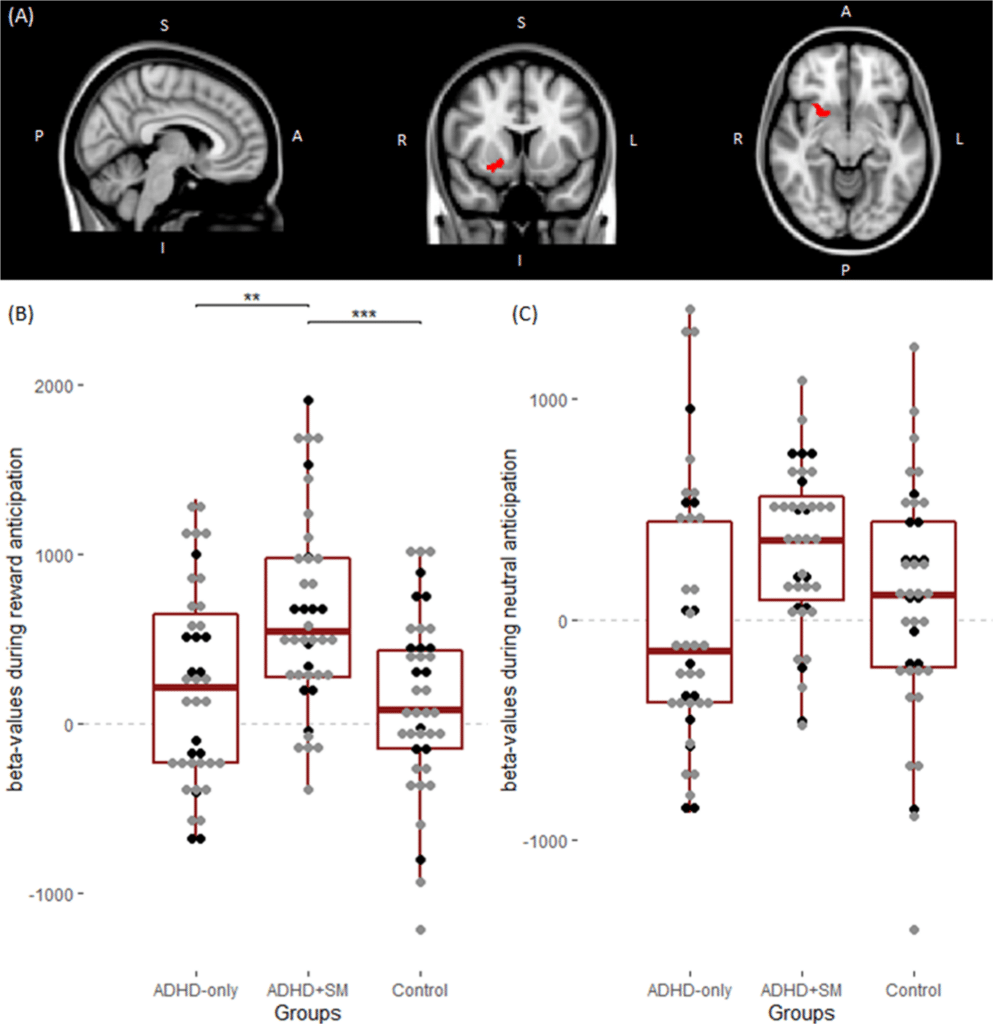
Further research is needed to unravel the neurobiological mechanisms underlying the co-occurrence of ADHD and substance abuse. Understanding the interplay between brain regions, neurotransmitter systems, and genetic factors can provide insights into the development and progression of these disorders. This knowledge can inform the development of targeted interventions and more effective treatment approaches.
Evaluating Treatment Efficacy
Continued research is necessary to evaluate the efficacy of different treatment approaches for co-occurring ADHD and substance abuse. Studying the outcomes and long-term effects of various interventions can guide healthcare professionals in selecting the most appropriate and evidence-based treatments for individuals with co-occurring disorders. Additionally, identifying factors that contribute to treatment success can help optimize treatment plans and improve overall outcomes.
Longitudinal Studies on ADHD and Substance Abuse
Longitudinal studies that follow individuals from childhood into adulthood can provide valuable insights into the long-term trajectory of ADHD and substance abuse. These studies can examine the factors that contribute to the persistence or remission of symptoms, the impact of interventions at different stages of development, and the outcomes associated with co-occurring disorders. Longitudinal research can inform early interventions, intervention strategies, and preventative measures aimed at reducing the burden of ADHD and substance abuse.