
Let’s dive into the incredibly rewarding world of facial rehabilitation exercises. As your Listicle Content Architect (LCA), I’m here to guide you through a comprehensive, step-by-step approach to regaining strength, function, and confidence in your facial muscles. Whether you’re recovering from injury, surgery, or dealing with nerve damage, these exercises are designed to be your allies. Remember, consistency and proper execution are key, so let’s get started!
Before you jump into the movements, it’s crucial to grasp the ‘why’ behind facial rehabilitation. Your face is a complex network of muscles, responsible for everything from expressing emotions to essential functions like eating and speaking. When these muscles are compromised, it can significantly impact your quality of life. Facial rehabilitation exercises are designed to:
a. Re-educate and Retrain Muscles
- The Neural Connection: Think of your facial muscles like an orchestra. When an instrument is out of tune or missing, the music suffers. Facial exercises act as the conductor, retraining the neural pathways between your brain and your facial muscles. This helps re-establish the connections that may have been weakened or severed.
- Addressing Atrophy: When muscles aren’t used, they can weaken and lose mass – a process called atrophy. Rehabilitation exercises provide the necessary stimulus to combat this, encouraging muscle fibers to rebuild and regain their former tone.
b. Improve Strength and Endurance
- Functional Performance: Stronger facial muscles translate to better control over expressions. This can mean a more symmetrical smile, clearer speech, and improved ability to chew and swallow. The exercises aim to build the stamina needed for these everyday functions.
- Preventing Further Issues: Weakened facial muscles can sometimes lead to compensatory movements or strain on other areas. By strengthening the targeted muscles, you can prevent these secondary problems from developing.
c. Boost Circulation and Healing
- Blood Flow is Key: The gentle movements involved in facial exercises promote increased blood flow to the facial tissues. This enhanced circulation delivers essential oxygen and nutrients, which are crucial for tissue repair and healing.
- Reducing Swelling and Stiffness: Improved circulation can also help reduce inflammation and swelling, common after injury or surgery. The rhythmic contracting and relaxing of muscles can also help break down scar tissue and improve tissue mobility, reducing stiffness.
d. Enhance Sensory Feedback and Proprioception
- Reconnecting with Your Face: Beyond just movement, facial muscles have sensory receptors that tell your brain about their position and movement (proprioception). Rehabilitation helps reawaken these receptors, allowing for more accurate and controlled facial movements.
- Conscious Control: You’ll start to feel your muscles working again, gaining a greater sense of conscious control over your expressions and functions. This awareness is a vital part of the recovery process.
2. Getting Started: Essential Preparations and Principles
Before you embark on your facial rehabilitation journey, a few fundamental steps and principles will set you up for success. Think of this as gathering your tools and understanding the rules of engagement.
a. Consult with a Healthcare Professional
- The Non-Negotiable First Step: This is paramount. Before attempting any facial exercises, you must consult with your doctor, a physical therapist specializing in facial rehabilitation, or an occupational therapist. They can accurately diagnose your condition, identify any contraindications, and tailor a specific exercise program to your needs.
- Personalized Guidance: What works for one person might not be suitable for another. A professional can assess your particular situation, noting the severity of weakness, areas of tightness, and any surgical considerations. They’ll ensure you’re performing exercises correctly to avoid exacerbating your condition.
b. Create a Consistent Routine
- The Power of Repetition: Like any exercise regimen, consistency is the bedrock of progress. Aim to incorporate your facial exercises into your daily routine. This might be in the morning, before bed, or during dedicated breaks throughout the day.
- Frequency and Duration: Your therapist will advise on the optimal frequency and duration for your exercises. Generally, starting with shorter, more frequent sessions and gradually increasing them as you build strength is recommended. Don’t overdo it, especially in the early stages.
c. Practice Mindful Movement
- Focus and Intent: Each exercise should be performed with conscious intention. Don’t just go through the motions. Focus on which muscles you are trying to activate and feel them doing the work. This mind-muscle connection is vital for effective retraining.
- Gentle Activation: Even when aiming for strength, start with gentle, controlled movements. Avoid forceful or jerky motions, which can lead to strain or injury. The goal is to rebuild gradually and safely.
d. Warm-Up and Cool-Down
- Prepare Your Muscles: Just like you wouldn’t sprint without a warm-up, your facial muscles benefit from gentle preparation. This could involve light facial massage or simple, non-strenuous movements to increase blood flow and prepare the muscles for activity.
- Aid Recovery: After your active exercises, a brief cool-down period can help your muscles relax and aid in the recovery process. This might involve gentle stretching or relaxing facial massage.
e. Self-Monitoring and Patience
- Listen to Your Body: Pay close attention to how your face feels during and after each exercise. If you experience any sharp pain, increased discomfort, or excessive fatigue, stop and consult your therapist.
- Celebrate Small Wins: Facial rehabilitation is often a marathon, not a sprint. Progress can be gradual, and there may be plateaus. Be patient with yourself, celebrate every small improvement, and trust the process.
3. Foundational Exercises: Building the Base Strength
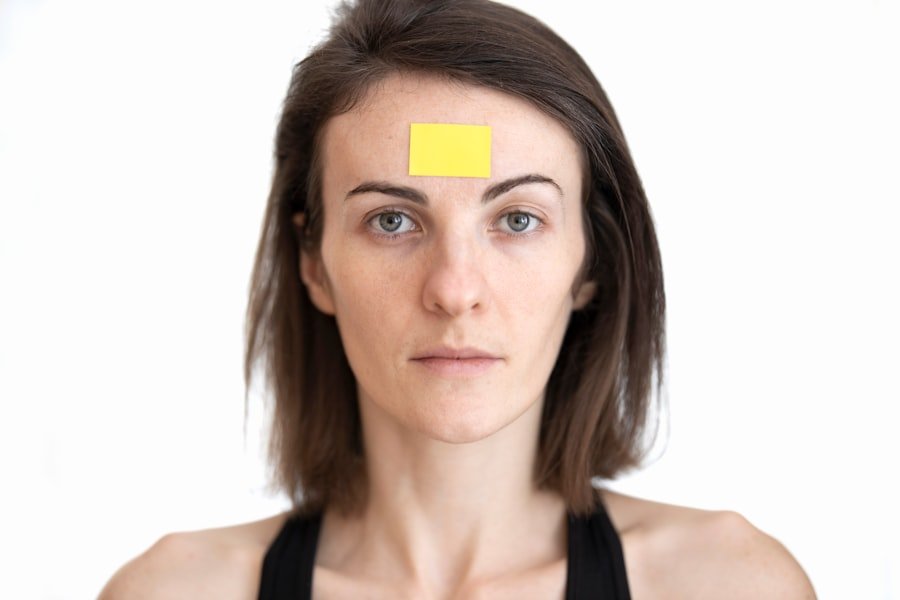
These exercises focus on the fundamental movements of the face and are designed to reawaken dormant muscles and build a stable foundation for more advanced rehabilitation.
a. Eyebrow Raises
- Target Muscle: Frontalis muscle (forehead)
- How-To:
- Place your index fingers just above your eyebrows, gently pressing down. This acts as a slight resistance and helps isolate the movement.
- Keeping your forehead relaxed, try to lift your eyebrows as high as you can. You should feel the muscles in your forehead engage.
- Hold the lifted position for 3-5 seconds, focusing on the feeling of the muscles working.
- Slowly lower your eyebrows back to the resting position.
- Repeat for 10-15 repetitions, 2-3 times a day.
- Tips for Success:
- Avoid scrunching your nose or raising your cheeks. The movement should be isolated to the forehead.
- If you have difficulty initiating the movement, focus on the sensation of your eyebrows moving upwards.
- As you progress, you can increase the hold time or the number of repetitions.
b. Cheek Puffs (Buccinator Strengthening)
- Target Muscle: Buccinator muscle (cheek)
- How-To:
- Open your mouth slightly.
- Inflate your cheeks by puffing out air into them, creating a taut balloon-like sensation. Hold the air in your cheeks.
- Try to move the air from one cheek to the other by gently pressing your tongue against the inside of your cheek.
- Hold this puffed position for 5-10 seconds.
- Release the air slowly.
- Repeat for 10-15 repetitions, 2-3 times a day.
- Tips for Success:
- Focus on feeling the stretch and tension in your cheek muscles.
- If you find it hard to puff, try pursing your lips slightly and then gently expanding your cheeks.
- This exercise is excellent for improving the ability to hold food in the cheeks while eating and for speech.
c. Lip Pucker and Smile
- Target Muscles: Orbicularis oris (lips), Zygomaticus major and minor (smile muscles)
- How-To:
- Begin with your lips relaxed.
- Pucker your lips tightly as if you were going to kiss. Hold this pucker for 3-5 seconds, feeling the contraction around your lips.
- Release the pucker and immediately transition into a wide smile, engaging your cheek muscles as much as possible. Try to show your teeth if comfortable. Hold the smile for 3-5 seconds.
- Relax your face.
- Repeat this pucker-then-smile sequence for 10-15 repetitions, 2-3 times a day.
- Tips for Success:
- For the smile, try to initiate the movement from the corners of your mouth.
- Ensure you feel the distinct difference between the lip pucker and the widening smile.
- This exercise helps improve lip seal and the symmetry of your smile.
d. Jaw Opening and Closing with Resistance
- Target Muscles: Masseter, Temporalis, Pterygoids (jaw muscles)
- How-To:
- Rest your tongue gently on the roof of your mouth. This helps stabilize your jaw.
- Place your index fingers on your chin.
- Slowly open your mouth as wide as comfortable. As you open, your chin fingers should provide gentle downward resistance, slowing the movement.
- Hold the open position for 3-5 seconds.
- Slowly close your mouth against the gentle upward resistance of your chin fingers.
- Repeat for 10-15 repetitions, 2-3 times a day.
- Tips for Success:
- The resistance should be mild; the goal is controlled movement, not straining.
- Avoid any clicking or popping in the jaw joint. If this occurs, reduce the range of motion and consult your therapist.
- This exercise is crucial for improving biting, chewing, and overall jaw function.
4. Advanced Exercises: Enhancing Specific Muscle Groups and Control

Once you’ve built a solid foundation, these more targeted exercises will help you refine control, increase strength significantly, and address specific areas of concern.
a. Eyelid Closure Strength (Ocular Muscles)
- Target Muscles: Orbicularis oculi (around the eyes)
- How-To:
- Place your index fingers gently on the skin just below your lower eyelids, providing a light stabilizing support.
- Without wrinkling your forehead, try to squeeze your eyelids shut as tightly as possible. Focus on feeling the contraction of the muscles directly around your eyes.
- Hold this squeeze for 5 seconds.
- Slowly relax your eyelids.
- Repeat for 10-15 repetitions, 2-3 times a day.
- Tips for Success:
- The key here is to isolate the squeeze to the eyelids and not engage the forehead muscles.
- If you have difficulty, visualize the muscles around your eyes contracting.
- This is vital for protecting your eyes and for clear vision, especially for people with Bell’s palsy or after facial nerve injury.
b. Nasolabial Fold Enhancement (Smiling and Nose Wrinkling)
| Exercise Name | Description | Repetition |
|---|---|---|
| Eye Blinking | Open and close your eyes rapidly | 10 times |
| Lip Stretching | Stretch your lips into a smile and hold for 5 seconds | 5 times |
| Cheek Puffing | Puff out your cheeks and hold for 10 seconds | 3 times |
| Tongue Rolling | Roll your tongue in circular motion inside your mouth | 15 times |
- Target Muscles: Zygomaticus major/minor, Levator labii superioris alaeque nasi (muscles lifting the upper lip and flaring nostrils)
- How-To:
- Begin with a relaxed face.
- Try to create a genuine smile, focusing on lifting the corners of your mouth upwards and outwards. Hold for 3-5 seconds.
- While maintaining the smile, try to slightly wrinkle your nose, as if you’re smelling something unpleasant. You should feel a subtle movement in the muscles along your upper lip and near your nostrils. Hold this for 3-5 seconds.
- Relax your face.
- Repeat this sequence (smile then add nose wrinkle) for 10-15 repetitions, 2-3 times a day.
- Tips for Success:
- The nose-wrinkling component can be challenging; focus on the sensation of the muscles in that area.
- Avoid crinkling your eyes excessively; the focus is on the upper lip and nose.
- This exercise helps improve the definition of the nasolabial folds, contributing to a more expressive smile.
c. Chin and Lower Lip Depression (Lower Face Control)
- Target Muscles: Depressor labii inferioris, Depressor anguli oris (muscles pulling down the lower lip)
- How-To:
- With your lips relaxed, gently try to pull your lower lip downwards and slightly outwards. You should feel a pulling sensation below your lower lip.
- Aim to expose your lower teeth, if possible, without straining.
- Hold this position for 3-5 seconds.
- Slowly relax your lower lip.
- Repeat for 10-15 repetitions, 2-3 times a day.
- Tips for Success:
- This motion can be difficult for individuals with weakness in this area. Start by focusing on the intention of moving the lower lip downwards.
- Avoid pulling down on the chin itself; the action should originate from the lower lip.
- This exercise is crucial for improving downward lip movement and can help with drooling issues.
d. Tongue Exercises for Facial Support
- Target Muscles: Tongue muscles, aiding in overall facial muscle coordination.
- How-To:
- Tongue Press: Place the tip of your tongue firmly against the roof of your mouth, just behind your front teeth. Hold this press for 5-10 seconds. You should feel a subtle engagement in your jaw and lower face. Repeat 10-15 times.
- Tongue Sweep: With your mouth slightly open, use your tongue to trace the inside of your upper lip from one side to the other. Then, trace the inside of your lower lip. Repeat 5-10 times in each direction.
- Tongue Protrusion and Lateral Movement: Gently push your tongue straight out as far as you can. Hold for 3 seconds. Then, try to move your tongue to the right as far as possible and hold for 3 seconds. Repeat to the left. Repeat 5-10 times for each movement.
- Tips for Success:
- The tongue plays a crucial role in supporting the facial structures. Strong tongue control aids in better lip seal and chewing.
- Focus on feeling the muscles of your tongue and jaw engaging.
- Ensure these exercises don’t cause TMJ pain; modify if needed.
5. Integrating Movement: Advanced Functional Applications
These exercises move beyond isolated muscle activation and focus on integrating movements for more functional outcomes, mimicking natural facial expressions and actions.
a. The “Oh” Sound and Jaw Droop
- Target Muscles: Muscles responsible for vowel formation and controlled jaw opening.
- How-To:
- Relax your facial muscles.
- Form your mouth into an exaggerated “O” shape, as if you are surprised.
- As you form the “O”, allow your jaw to drop naturally, creating a wide opening. Feel the stretch in your jaw and the engagement of the muscles that lower your jaw.
- Hold this “O” shape with an open jaw for 5 seconds.
- Gently close your mouth and relax.
- Repeat for 10-15 repetitions, 2-3 times a day.
- Tips for Success:
- Focus on the sensation of controlled lowering of the jaw, not forcing it open.
- This exercise is excellent for improving jaw mobility and the ability to form vowels clearly.
b. Laugh Simulation
- Target Muscles: A combination of smile muscles, cheek muscles, and potentially eye-crinkling muscles.
- How-To:
- Start with a gentle smile.
- Begin to make soft “ha ha ha” sounds, or a gentle laugh. As you do this, try to exaggerate the movement of your smile muscles, lifting the corners of your mouth higher and engaging your cheeks.
- Focus on sustained engagement and the rhythmic nature of laughter.
- Aim for 10-15 repetitions of the “ha ha ha” sound or a gentle chuckle.
- Tips for Success:
- The goal is to mimic the physical action of laughing, not necessarily the sound itself.
- Focus on the feeling of your facial muscles working in a dynamic way.
- This exercise helps build endurance for smiling and expressing happiness.
c. Blowing and Pursed Lips
- Target Muscles: Orbicularis oris (lips), Buccinator (cheeks)
- How-To:
- Pucker your lips as tightly as you can, as if preparing to blow a kiss.
- Hold this pucker for 3-5 seconds.
- Gently blow air through your pursed lips, aiming for a controlled, consistent stream. Imagine you are trying to fog up a mirror.
- Continue blowing for 5-10 seconds.
- Relax your lips and face.
- Repeat for 10-15 repetitions, 2-3 times a day.
- Tips for Success:
- Focus on maintaining a tight lip seal throughout the blowing action.
- This exercise is crucial for improving lip control, which is essential for speaking, eating, and preventing drooling.
d. Tongue Drumming and Clicking
- Target Muscles: Tongue and jaw muscles, enhancing fine motor control and coordination.
- How-To:
- Tongue Click: Place the tip of your tongue against the roof of your mouth, just behind your front teeth. Press firmly and then quickly pull your tongue away, creating a distinct clicking sound. Repeat 10-15 times.
- Tongue Drumming: While keeping your tongue in the same position as the click, rapidly tap it against the roof of your mouth, creating a drumming sound. Repeat for 10-15 seconds.
- Tips for Success:
- These exercises improve the speed and precision of tongue movements, which are vital for speech articulation.
- Ensure the clicking and drumming are controlled and not forced.
6. Maintaining Progress and Long-Term Well-being
Facial rehabilitation isn’t a finite process; it’s about establishing sustainable habits for long-term facial health and function.
a. Regular Review and Adjustment
- Ongoing Assessment: As you progress, your needs will change. Continue working with your therapist for regular check-ins to assess your improvements and adjust your exercise program accordingly.
- Progressive Overload: Just like any exercise, your facial muscles will adapt. Your therapist may introduce more challenging variations or increase the intensity as you get stronger.
b. Incorporate into Daily Life
- Mindful Expressions: Make a conscious effort to use your facial muscles naturally throughout the day. Pay attention to smiling, speaking, and eating, and engage your muscles actively.
- Functional Integration: Think about how your exercises translate to everyday activities. For example, practicing cheek puffs can improve your ability to hold food in your mouth while chewing.
c. Lifestyle Factors for Facial Health
- Hydration: Proper hydration is essential for muscle function and tissue health. Ensure you’re drinking enough water throughout the day.
- Nutrition: A balanced diet rich in vitamins and minerals supports muscle repair and overall well-being.
- Sleep: Adequate sleep is crucial for the body’s natural healing and recovery processes.
- Stress Management: Chronic stress can have negative impacts on the body, including muscle tension. Incorporate stress-reducing activities into your routine.
d. Listen to Your Body’s Signals
- Recognizing Fatigue: If your facial muscles feel unusually tired or fatigued, it’s okay to take a break. Pushing too hard can be counterproductive.
- Differentiating Soreness from Pain: Muscle soreness after exercise is normal. However, sharp or persistent pain is a signal to stop and consult your healthcare provider.
e. The Power of Continued Practice
- Maintenance Program: Even after significant recovery, maintaining a simplified version of your exercise routine can help preserve your gains and prevent future issues. Your therapist can help you develop a long-term maintenance plan.
- Embrace Your Face: Facial rehabilitation is not just about physical recovery; it’s about regaining confidence and embracing your ability to express yourself fully. Celebrate your progress and continue to use your face with joy and intention.
FAQs
What are facial rehabilitation exercises?
Facial rehabilitation exercises are a series of movements and activities designed to improve muscle strength, coordination, and mobility in the face and neck. These exercises are often used to help individuals recover from conditions such as facial paralysis, stroke, or Bell’s palsy.
What are the benefits of facial rehabilitation exercises?
Facial rehabilitation exercises can help improve facial muscle tone, reduce asymmetry, enhance facial expression, and improve overall facial function. These exercises can also help individuals regain confidence and improve their quality of life.
Who can benefit from facial rehabilitation exercises?
Individuals who have experienced facial paralysis, stroke, Bell’s palsy, or other conditions that affect facial muscle function can benefit from facial rehabilitation exercises. These exercises can also be beneficial for individuals who have undergone facial surgery or trauma.
Are facial rehabilitation exercises safe?
When performed under the guidance of a qualified healthcare professional, facial rehabilitation exercises are generally safe. It is important to follow a personalized exercise plan and to avoid overexertion or strain on the facial muscles.
How often should facial rehabilitation exercises be performed?
The frequency of facial rehabilitation exercises can vary depending on individual needs and goals. In general, it is recommended to perform these exercises regularly, following a specific regimen provided by a healthcare professional. Consistency and patience are key to seeing improvement.