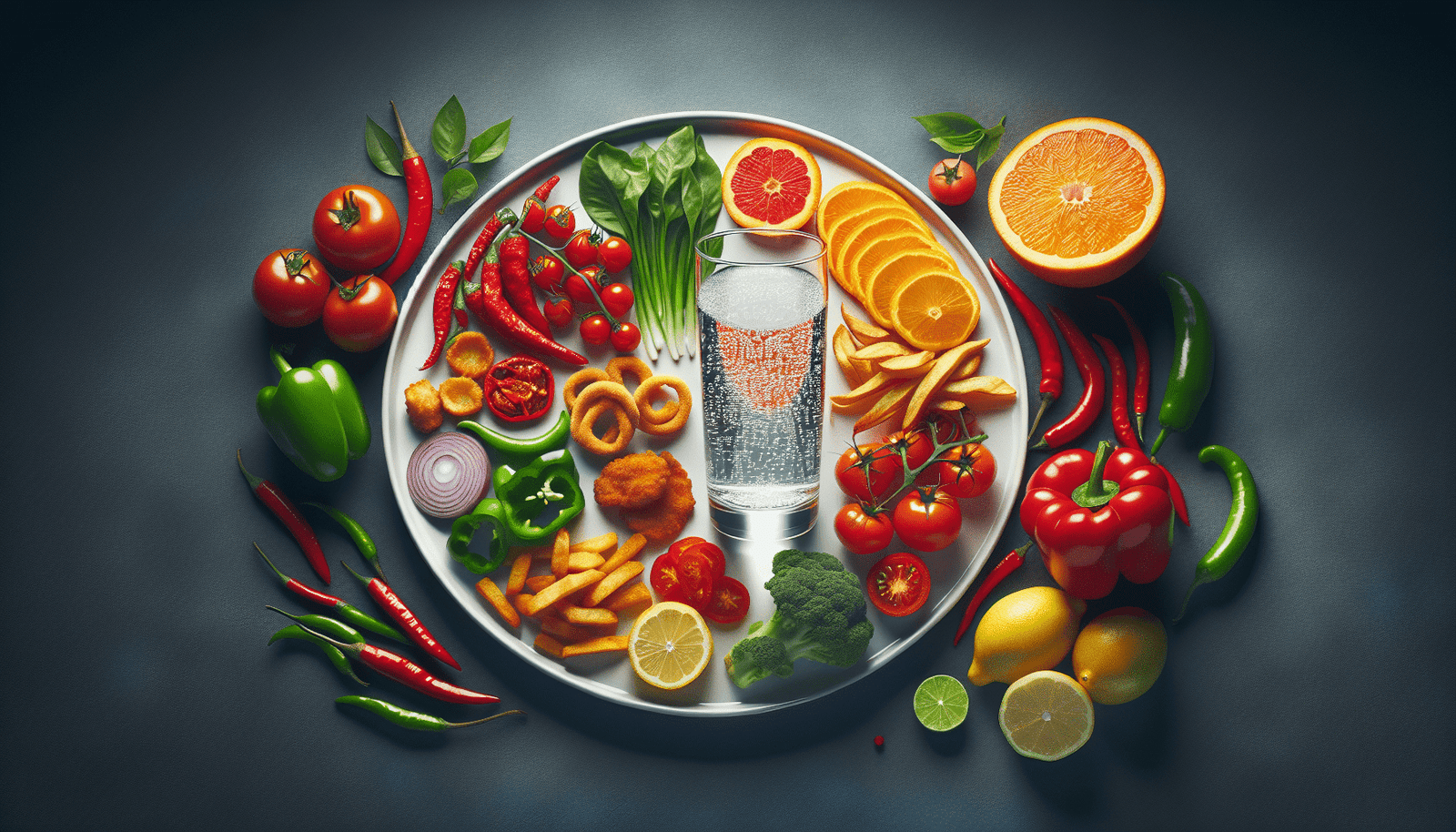
Have you ever experienced that uncomfortable burning sensation in your chest after enjoying a meal? If so, you may be familiar with acid reflux. This condition can make mealtime feel like more of a burden than a joy. Understanding the foods that contribute to it can help you manage your symptoms and improve your overall comfort. Let’s look into the various foods that could be causing those pesky acid reflux episodes.

What is Acid Reflux?
Acid reflux occurs when stomach acid flows back into your esophagus. This can lead to symptoms like heartburn, regurgitation, and discomfort after eating. It’s crucial to be aware of your diet because certain foods can aggravate this condition.
Many people experience occasional acid reflux, but when it becomes frequent or chronic, it could be a sign of gastroesophageal reflux disease (GERD). Understanding your triggers is the first step toward finding relief.
Common Symptoms of Acid Reflux
If you’re unsure whether you’re dealing with acid reflux, it’s helpful to recognize the symptoms. Not everyone experiences the same signs, but some common ones include:
Heartburn
This is a burning sensation in your chest, often after eating. It can sometimes move up toward your throat.
Regurgitation
You might experience a sour or bitter taste in your mouth when stomach acid rises back into your throat.
Difficulty Swallowing
You may feel like there’s a lump in your throat, making it hard to swallow.
Chronic Cough
A persistent cough can sometimes result from acid irritating your throat and esophagus.
Sore Throat or Hoarseness
This is linked to the irritation of your throat from acid.
Bloating
Feeling a bit puffy after eating can be another sign.
Recognizing these symptoms can help you identify whether specific foods are affecting you.

Foods to Avoid
Now that you know what acid reflux is and some of its symptoms, let’s take a closer look at which foods to be wary of. Certain foods tend to relax the lower esophageal sphincter or increase stomach acid.
Fatty Foods
High-fat meals can be a significant contributor to acid reflux. Foods like fried items, fatty cuts of meat, and full-fat dairy products require more digestive effort from your stomach, causing it to produce more acid.
Spicy Foods
You might enjoy a kick of spice, but for those prone to acid reflux, spicy foods can create discomfort. Foods containing chili peppers or hot sauces can irritate the lining of your esophagus.
Citrus Fruits
Oranges, lemons, and grapefruits are delicious but highly acidic. The acidity can make existing symptoms worse, so consider enjoying them in moderation.
Chocolate
Unfortunately, the indulgence of chocolate comes with a price. Not only is it high in fat, but it also contains caffeine and theobromine, both of which can trigger acid reflux.
Garlic and Onions
These two don’t just add flavor; they can also cause heartburn for many people. Onions, especially when raw, are notorious for causing reflux symptoms.
Tomatos
Whether in sauces, salads, or soups, tomatoes can be problematic. They are acid-dense and may lead to discomfort for those susceptible to reflux.
Caffeinated Beverages
Your daily cup of coffee or can of soda might be causing more than just a caffeine buzz. Caffeine can relax the lower esophageal sphincter, leading to increased reflux occurrences.
Peppermint
You might think peppermint would be soothing, but it can actually relax the muscle at the base of the esophagus, making reflux worse.
Alcohol
Many people enjoy a glass of wine or a cold beer. However, alcohol can decrease the barrier function of the esophagus, leading to increased acid reflux.
Carbonated Drinks
Those bubbly drinks can produce gas, putting pressure on your stomach and leading to acid reflux. It’s wise to monitor how your body reacts after consuming those fizzy beverages.
Food Sensitivities and Intolerances
It’s important to highlight that every person is unique. What triggers acid reflux in one person might not affect another. Food sensitivities can also play a role.
Dairy Products
While some people tolerate dairy quite well, others may find that dairy products can worsen their acid reflux symptoms. If you suspect this might be the case, consider reducing your intake of milk, cheese, and ice cream.
Gluten
People with sensitivities to gluten may experience symptoms similar to acid reflux. If you often feel uncomfortable after consuming bread or pasta, it might be worth discussing gluten intolerance with a healthcare provider.
Fried Foods
Beyond just fatty foods, the frying process can create compounds that irritate the stomach lining. This could mean steering clear from fried delicacies if you find they trigger your symptoms.
Processed Foods
Highly processed foods often contain additives and preservatives that may not sit well with your digestive system. These can contribute to bloating and discomfort.
Sugary Foods
Sugar can foster an imbalance in stomach acid levels. If you have a sweet tooth, pay attention to how sugary treats impact your symptoms.
Allergenic Foods
Common allergens like wheat, soy, nuts, and shellfish can also lead to discomfort in some individuals. Listen to your body and note any patterns that emerge.
Eating Habits to Manage Acid Reflux
In addition to being aware of which foods to avoid, you can adopt some healthy eating habits that promote better digestion and may help minimize acid reflux occurrences.
Smaller, More Frequent Meals
Instead of three large meals, try eating smaller portions more often throughout the day. This can lessen the burden on your stomach and help reduce acid production.
Chewing Thoroughly
Taking your time to chew food well can facilitate smoother digestion, reducing the risk of acid reflux.
Eating Slowly
Just like chewing, savoring each bite can help your digestive system. Rapid eating can lead to swallowing air, increasing bloating and discomfort.
Staying Upright After Eating
Avoid lying down immediately after meals. Instead, give your body time to digest while sitting or walking around for at least 30 minutes.
Elevating Your Head While Sleeping
Using extra pillows or a wedge can help keep stomach acid down while you sleep, leading to a more comfortable night and restful sleep.
Avoiding Tight Clothing
Sometimes, snug clothing around your waist can create pressure on your stomach. Opt for looser fits if you’re prone to acid reflux.
Natural Remedies
If you’re looking for alternatives to pharmaceutical options, several natural remedies might offer some relief from acid reflux symptoms.
Ginger
This powerful root has natural anti-inflammatory properties. It’s been used traditionally to help with digestive issues. You could try ginger tea or simply ginger ale (though be wary of sugar and carbonation).
Aloe Vera Juice
Known for its soothing properties, aloe vera juice can help reduce irritation in the esophagus, offering you some relief after meals.
Apple Cider Vinegar
Although it may seem counterintuitive due to its acidity, some people find that a tablespoon of apple cider vinegar diluted in water before meals can help stabilize stomach acid levels.
Slippery Elm
This herb has a long history of use for gastrointestinal issues, including heartburn. It can help coat the esophagus and reduce irritation.
Licorice Root
Another herbal remedy, deglycyrrhizinated licorice (DGL), may help soothe the stomach lining and esophagus. Be sure to consult a healthcare provider before trying herbal supplements.

When to See a Doctor
If you’re frequently battling acid reflux and find it disrupting your daily life or sleep, it may be worthwhile to consult with a healthcare professional. Persistent symptoms can sometimes indicate a more serious underlying issue.
Chronic Symptoms
If your symptoms occur two or more times a week, it may indicate GERD or another digestive disorder.
Difficulty Swallowing
If food gets trapped or you have recurring challenges swallowing, it’s time to get it checked out.
Unexplained Weight Loss
Losing weight unexpectedly can indicate a more significant health issue, including digestive troubles.
Severe Chest Pain
While this could simply be heartburn, severe chest pain can also indicate heart problems. It’s essential not to ignore this symptom.
Blood in Stools or Vomit
This is a clear sign that something might be wrong. Immediate medical attention is crucial.
Conclusion
Managing acid reflux can feel like a daunting task, but being aware of the foods that cause irritation and adopting healthier habits can significantly improve your comfort and quality of life. Listen to your body and take note of how different foods affect you personally.
Remember that while certain foods are known triggers for many, everyone is different. You can find what works for you through mindful eating, observation, and perhaps a little trial and error. Enjoy your meals, keep track of your triggers, and don’t hesitate to reach out to a healthcare provider if issues persist. Your digestive comfort and overall well-being are worth the effort!