
Imagine a world where hope triumphs over despair and individuals find the strength to turn their lives around. “From Rock Bottom to Recovery: Personal Stories of Addiction Triumph” explores the inspiring journeys of individuals who, despite hitting rock bottom due to addiction, managed to rise above their struggles and reclaim their lives. This heartfelt account sheds light on the power of resilience, love, and support, offering hope and encouragement to those who may be facing similar battles. Get ready to be inspired as you embark on a journey of redemption and triumph.

Understanding Addiction
Addiction is a complex disease that affects millions of individuals worldwide. It can be defined as a chronic condition characterized by the compulsive use of substances or engagement in certain behaviors, despite the negative consequences they may have on one’s physical, mental, and social well-being. Addiction is not simply a matter of willpower or moral weakness; it is a serious medical condition that requires understanding, compassion, and comprehensive treatment.
Defining Addiction
Addiction is often associated with substance abuse, such as drugs or alcohol, but it can also involve non-substance-related behaviors, such as gambling or compulsive eating. It is a condition that affects the brain, altering its functioning and leading to a loss of control over the substance or behavior. It is important to differentiate addiction from occasional or recreational use, as addiction is characterized by a compulsive and overwhelming urge to engage in the substance or behavior, even when it becomes detrimental to one’s health and relationships.
Different Types of Addiction
Addiction can take various forms, each with its unique set of challenges and consequences. Substance addiction is one of the most common types and includes dependencies on drugs, alcohol, prescription medications, or even tobacco. Behavioral addictions, on the other hand, involve compulsive engagement in activities such as gambling, internet use, gaming, or excessive shopping. Although the substances or behaviors may vary, the underlying mechanisms and consequences of addiction remain remarkably similar.
Causes of Addiction
The development of addiction is influenced by a combination of genetic, environmental, and psychological factors. While genetics may predispose individuals to addiction, environmental factors such as exposure to substances, trauma, and stress can also play a significant role. Additionally, mental health conditions, such as anxiety or depression, can contribute to the development of addiction. It is essential to understand that addiction is a multifaceted issue, and addressing the underlying causes is crucial for successful recovery.
The Impact of Addiction on Individuals and Society
Addiction has far-reaching consequences, not only for the individuals directly affected but also for their families, friends, and wider society. The physical and emotional toll on individuals battling addiction is immense. Substance abuse can lead to a decline in overall health, increased risk of accidents or overdose, and the development of co-occurring mental health disorders. Furthermore, addiction often results in strained relationships, loss of employment, financial difficulties, and legal issues. The collective impact of addiction can be seen in healthcare costs, increased crime rates, and a burden on social welfare systems. By understanding the profound consequences of addiction, we can better comprehend the urgency and importance of addressing this issue.
Rock Bottom: Descent into Darkness
Recognizing the Signs of Rock Bottom
Rock bottom is a term used to describe the lowest point an individual reaches in their addiction journey. It is a state of complete despair and hopelessness, where the negative consequences of addiction have become unbearable. Recognizing the signs of rock bottom can be both crucial and heart-wrenching. It often involves severe physical and emotional deterioration, loss of significant relationships, financial ruin, and a general sense of being trapped in a seemingly never-ending cycle of addiction.
Emotional and Physical Consequences
The emotional and physical toll of addiction is staggering. Substance abuse wreaks havoc on the body, leading to health problems such as liver damage, respiratory issues, cardiovascular complications, and increased susceptibility to infections. On an emotional level, addiction can cause severe mood swings, depression, anxiety, and a loss of self-esteem. The shame and guilt associated with addiction further exacerbate the emotional turmoil, creating a vicious cycle that perpetuates the addictive behavior.
Loss of Relationships and Support
One of the most devastating consequences of addiction is the loss of relationships and support systems. Addiction often strains family ties, leading to broken trust, resentment, and a sense of betrayal. Friends and loved ones may distance themselves or completely sever ties with the individual struggling with addiction, fearing for their own well-being or feeling unable to help. The isolation and loneliness that ensue can be incredibly challenging and make recovery seem even more daunting.
Financial and Legal Consequences
Addiction can have dire financial consequences, as individuals may prioritize obtaining and using substances over meeting their basic needs and financial obligations. Job loss, legal issues, and mounting debt are not uncommon in the wake of addiction. Legal troubles may arise from driving under the influence, possession of illegal substances, or engaging in illegal activities to support the addiction. The financial and legal burden further deepens the sense of despair and can hinder the recovery process.
Experiences of Isolation and Hopelessness
Perhaps the most painful aspect of rock bottom is the overwhelming sense of isolation and hopelessness. Individuals in the depths of addiction often feel trapped, consumed by their cravings, and unable to envision a way out. They may experience feelings of worthlessness, despair, and a profound sense of being disconnected from the world around them. The road to recovery can seem insurmountable, but it is essential to remember that even in the darkest of times, there is hope for a brighter future.
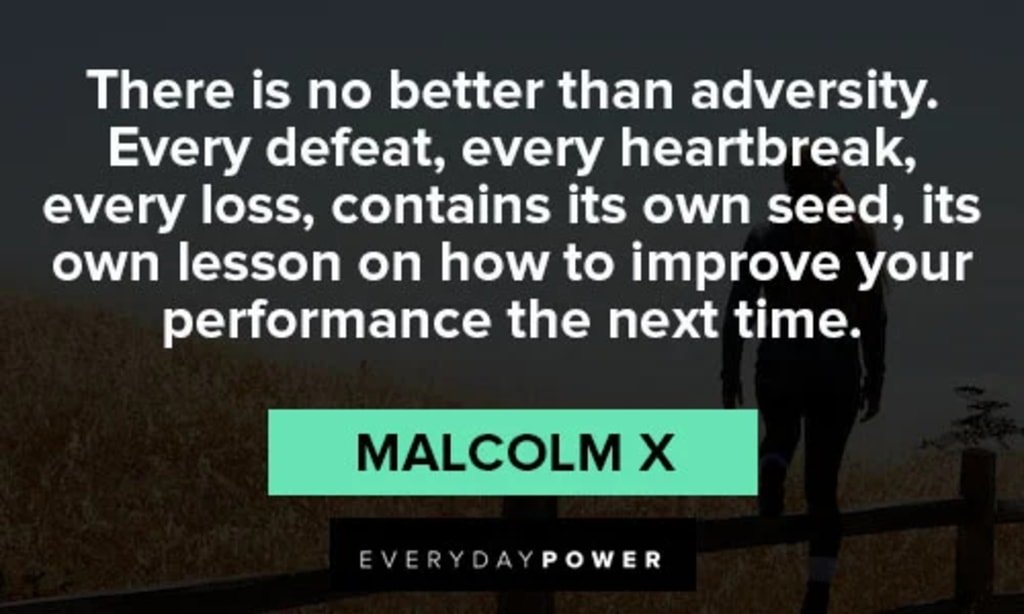
The Road to Recovery
Acknowledging the Problem
The first step towards recovery is acknowledging the problem and accepting that addiction has taken control of your life. This can be a challenging and emotional process, but it is a necessary one. It involves recognizing the impact of addiction, both on yourself and on those around you. Taking this initial step of self-awareness and honesty is vital for paving the way toward a healthier and happier life.
Seeking Professional Help
Once you have acknowledged the problem, it is crucial to seek professional help. Addiction is a complex disease that requires specialized treatment and support. Addiction professionals, such as doctors, therapists, and counselors, can offer the expertise and guidance needed for successful recovery. They can help you navigate the challenges of withdrawal, develop coping mechanisms, and address any underlying mental health issues that may have contributed to the addiction.
Different Types of Treatment
Treatment for addiction can take various forms, depending on individual needs and circumstances. Inpatient rehabilitation programs provide a structured environment, away from triggers and temptations, where individuals can undergo detoxification and intensive therapy. Outpatient programs offer flexibility while still providing the necessary support and therapy. Additionally, support groups such as Alcoholics Anonymous (AA) or Narcotics Anonymous (NA) can be invaluable sources of encouragement and accountability.
The Importance of Support Systems
Building a strong support system is crucial for long-term recovery. Surrounding yourself with people who understand and support your journey can make a significant difference in maintaining sobriety. Supportive relationships can provide encouragement, guidance, and a sense of belonging. Whether it is through family, friends, support groups, or mentors, finding individuals who believe in your ability to recover is instrumental in staying on the path to wellness.
Overcoming Relapses
Relapses are a common and often frustrating part of the recovery process. It is essential to understand that addiction is a chronic condition, and setbacks can occur. Rather than seeing relapses as failures, it is crucial to view them as learning experiences and opportunities for growth. Developing a relapse prevention plan, seeking professional help, and leaning on your support network can help you navigate these challenges and get back on track.
Rebuilding Relationships
Rebuilding relationships that may have been damaged or strained by addiction is a vital part of the recovery journey. It requires patience, honesty, and a commitment to making amends. It is essential to recognize that rebuilding trust takes time and consistent effort. Open communication, forgiveness, and a genuine desire for change can help mend relationships and create a foundation of support as you move forward in your recovery.
Finding Purpose and Meaning
Recovery is not solely about overcoming addiction; it is also about rediscovering purpose and finding meaning in life. Engaging in activities that bring joy and fulfillment can provide a sense of purpose and help fill the void left by addiction. Exploring new hobbies, volunteering, pursuing education or career aspirations, and nurturing healthy relationships can contribute to a sense of fulfillment and a renewed zest for life.
Stories of Triumph over Addiction
Overcoming Opioid Addiction
Opioid addiction has become a global epidemic, affecting individuals from all walks of life. Many personal stories of triumph over opioid addiction serve as beacons of hope and inspiration for others struggling. These stories highlight the resilience, strength, and determination required to overcome the grip of opioids and embrace a life of sobriety. By sharing their experiences, individuals who have triumphed over opioid addiction shed light on the challenges of recovery and offer hope to those who may still be fighting their own battles.
Breaking Free from Alcoholism
Alcoholism is another prevalent form of addiction that can have devastating consequences. However, there are countless stories of individuals who have broken free from the grips of alcoholism and reclaimed their lives. These stories inspire others to confront their own struggles with alcohol and seek help. By sharing their journey, these individuals offer a message of hope, reminding us that recovery is possible even in the face of adversity.
From Meth Addiction to a Life of Sobriety
Methamphetamine addiction is a particularly challenging battle to face. The physical and psychological toll of this highly addictive substance can be devastating. Yet, stories of individuals who have overcome meth addiction showcase the transformative power of recovery. These stories not only demonstrate the strength and resilience of the human spirit but also shed light on the resources and support available for those seeking a life free from methamphetamine abuse.
Conquering Gambling Addiction
Gambling addiction can have profound financial, emotional, and interpersonal consequences. However, stories of individuals who have conquered their gambling addiction highlight the possibility of recovery and a life free from the destructive cycle of compulsive gambling. These personal accounts serve as testaments to the significance of acknowledging the problem, seeking support, and finding healthier outlets for the thrill and excitement that gambling once provided.
A Journey from Eating Disorders to Recovery
Eating disorders, such as anorexia nervosa or bulimia, can have severe physical and psychological repercussions. Stories of individuals who have conquered their eating disorders shed light on the complexities of recovery and the importance of addressing the underlying issues. These stories promote understanding, compassion, and hope for those struggling with their relationship with food and body image. They emphasize the significance of professional guidance, support systems, and self-acceptance in the journey towards recovery.

The Role of Aftercare and Long-Term Support
Importance of Aftercare Programs
Aftercare programs play a vital role in supporting individuals as they transition from treatment back into their daily lives. These programs provide ongoing support, guidance, and resources that help individuals maintain their recovery. Aftercare may include therapy sessions, support groups, skills development programs, and relapse prevention strategies. By prioritizing aftercare, individuals significantly increase their chances of long-term sobriety and overall wellness.
Building a Strong Support Network
A strong support network is a crucial component of a successful recovery journey. Surrounding oneself with individuals who understand and support the challenges of addiction can offer encouragement, understanding, and accountability. This network may include family members, friends, support groups, sponsors, or mentors. Investing time and effort into nurturing these relationships can provide a lifeline of support during difficult times and contribute to long-term sobriety.
Rebuilding One’s Life
Recovery is not solely about abstaining from substances or addictive behaviors; it is about rebuilding one’s life from the ground up. This process often involves addressing the physical, emotional, and spiritual aspects of well-being. It may include finding stable employment, mending relationships, practicing self-care, and pursuing personal goals and aspirations. By reconstructing various aspects of life, individuals in recovery can discover a sense of purpose, fulfillment, and a newfound appreciation for life.
Continued Therapy and Counseling
Therapy and counseling are essential components of the recovery process, even after completing formal treatment programs. Ongoing therapy can help individuals address underlying issues that may have contributed to their addiction while providing valuable tools and coping mechanisms for managing cravings and triggers. Therapists can offer guidance, facilitate healing, and serve as a source of support throughout the recovery journey.
Embracing a Sober Lifestyle
A sober lifestyle involves more than just abstaining from substance use; it encompasses a holistic approach to well-being. It includes adopting healthy habits, such as regular exercise, proper nutrition, and adequate sleep. It entails surrounding oneself with positive influences, engaging in meaningful activities, and nurturing healthy relationships. Additionally, adopting mindfulness practices, such as meditation or yoga, can contribute to overall mental and emotional wellness. Embracing a sober lifestyle is about prioritizing self-care, personal growth, and maintaining a positive outlook on life.
The Power of Personal Determination
Developing Inner Strength
Recovery requires a great deal of inner strength and determination. Developing this strength involves nurturing self-belief, practicing self-compassion, and cultivating a positive mindset. Recognizing that you possess the power to change and overcome addiction is the first step toward building inner strength. It involves acknowledging your worth and embracing the journey, knowing that you have the capacity to transform your life.
Setting Realistic Goals
Setting realistic goals plays a crucial role in maintaining motivation and staying on track during the recovery process. It is essential to set both short-term and long-term goals that are attainable and meaningful to you. These goals may include milestones such as staying sober for a certain period, improving relationships, pursuing education or career goals, or engaging in activities that bring joy and fulfillment. By breaking down larger goals into smaller, achievable steps, you can build momentum and celebrate each milestone along the way.
Embracing Positive Habits
Recovery is not solely about reducing or eliminating addictive behaviors; it is also about replacing them with positive habits. This may involve developing healthy coping mechanisms, engaging in activities that promote wellness, and cultivating a supportive environment. Incorporating mindfulness practices, physical activity, creative outlets, and hobbies into your daily routine can provide a sense of fulfillment, pleasure, and stress reduction. By consciously embracing positive habits, you can create a life that is conducive to sobriety and overall well-being.
Replacing Addiction with Healthy Coping Mechanisms
Addiction often serves as a way to cope with underlying emotional pain, trauma, or stress. It is crucial to identify healthier coping mechanisms that can replace addictive behaviors. This may involve seeking therapy to address and heal from past wounds, learning effective stress management techniques, developing problem-solving skills, or engaging in support groups where you can share your experiences and learn from others. By replacing addiction with healthy coping mechanisms, you can develop resilience, emotional well-being, and a renewed sense of control over your life.
Transforming Pain into Personal Growth
Recovery offers a unique opportunity to transform pain and adversity into personal growth and resilience. It allows individuals to confront their past experiences, emotions, and challenges, and use them as catalysts for positive change. By embracing the recovery journey and committing to self-reflection and personal development, individuals can emerge stronger, wiser, and more compassionate. The pain that once consumed them becomes a source of empathy and a driving force to advocate for others facing similar struggles.

Addressing Stigma and Promoting Understanding
Challenges Faced by Recovering Individuals
Recovering individuals face unique challenges, primarily due to the stigma associated with addiction. Misconceptions and judgment from society can make the recovery journey more difficult. It is important to recognize that addiction is not a choice but a medical condition that requires understanding and support. Recovering individuals often grapple with feelings of shame, guilt, and fear of judgment. Creating an environment of empathy, compassion, and non-judgment can significantly impact their ability to heal and thrive.
Dispelling Myths and Misconceptions
Education and awareness are crucial in dispelling myths and misconceptions surrounding addiction. By providing accurate information and challenging stigmatizing beliefs, we can eradicate the damaging stereotypes associated with addiction. It is essential to understand that addiction does not discriminate based on race, gender, or socioeconomic status. It is a disease that can affect anyone, regardless of their background. By debunking myths, we can foster a more inclusive and supportive society for those in recovery.
Creating Supportive Environments
Supportive environments are vital for individuals in recovery as they navigate the challenges and temptations of daily life. It is crucial for workplaces, schools, and communities to create an atmosphere that fosters understanding, acceptance, and support for individuals in recovery. This includes implementing policies that protect the rights of recovering individuals, providing resources for treatment and aftercare programs, and promoting a culture of inclusivity and empathy.
Encouraging Empathy and Compassion
Empathy and compassion are essential qualities in promoting understanding and assisting those on their journey to recovery. It is essential to approach individuals struggling with addiction with empathy, recognizing their humanity and inherent worth. By listening without judgment, offering support, and validating their experiences, we create a space in which individuals in recovery feel safe to share and seek assistance. Through empathy and compassion, we can promote healing, reduce stigma, and create a supportive environment for all.
Mental Health and Addiction
The Connection Between Mental Health and Addiction
Mental health and addiction are intricately connected, often coexisting and influencing one another. Individuals struggling with mental health disorders are more susceptible to developing addiction, as substances or behaviors may be used as coping mechanisms. Similarly, addiction can exacerbate existing mental health conditions or trigger the onset of new ones. It is essential to address both mental health and addiction simultaneously, as treating one without the other can hinder recovery.
Dual Diagnosis: Concurrent Mental Health and Substance Use Disorders
Dual diagnosis refers to the presence of both a mental health disorder and a substance use disorder. It is a complex condition that requires specialized treatment and support. Individuals with dual diagnosis often face unique challenges, as the co-occurring disorders interact and reinforce one another. Effective treatment involves an integrated approach that addresses both the mental health and addiction components, recognizing the complex interplay between the two.
Integrated Treatment Approaches
Integrated treatment approaches offer a comprehensive and coordinated approach to addressing both mental health and addiction. These approaches involve interdisciplinary teams, including mental health professionals, addiction specialists, and medical practitioners. By simultaneously addressing mental health and addiction through therapy, medication management, and support groups, individuals receive holistic care that acknowledges their unique needs. Integrated treatment approaches aim to provide a strong foundation for recovery and mental wellness.
Promoting Mental Wellness in Recovery
Promoting mental wellness in recovery is essential for long-term success and overall well-being. This involves ongoing therapy, developing healthy coping mechanisms, and adopting lifestyle habits that support mental health. Establishing a routine that prioritizes self-care, stress management, and emotional well-being can contribute to overall mental wellness. By maintaining mental wellness, individuals in recovery are better equipped to handle the challenges of life and maintain their sobriety.
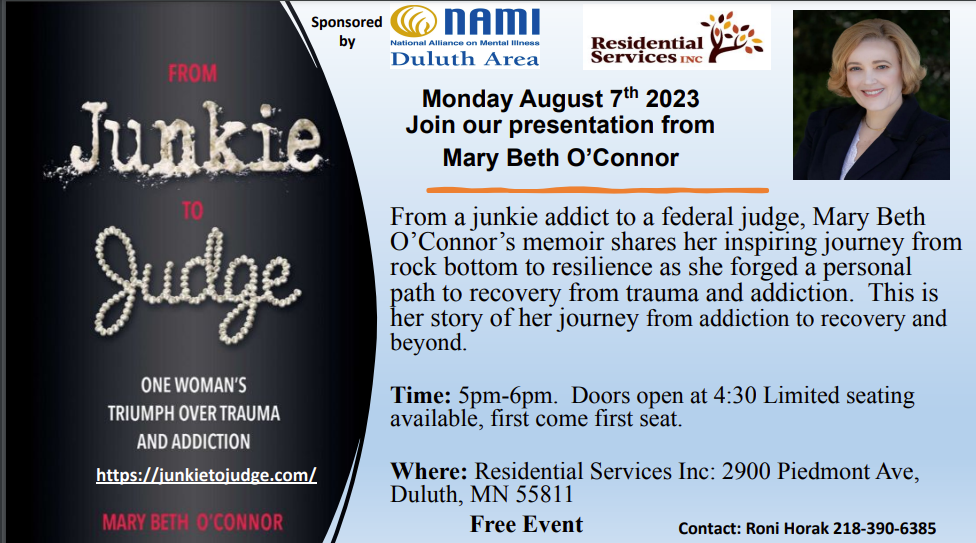
From Addiction to Advocacy
Inspiring Others through Personal Stories
Personal stories of triumph over addiction have the power to inspire and motivate others who may be navigating their own recovery journeys. Sharing personal experiences can shed light on the challenges faced, the strength required, and the possibilities for change. By openly sharing stories of redemption, individuals in recovery not only offer hope but also reduce the stigma surrounding addiction and mental health. Personal stories spark conversations, encourage support, and remind others that they are not alone.
Becoming a Supportive Mentor
Recovering individuals possess unique insights and experiences that make them valuable mentors for others facing similar struggles. By becoming supportive mentors, individuals in recovery can offer guidance, encouragement, and practical advice to those on their own recovery journeys. Mentoring fosters a sense of community and accountability and allows individuals in recovery to employ their experiences for the benefit of others. It is a way to give back and make a meaningful impact on the lives of others.
Raising Awareness and Breaking the Silence
Raising awareness about addiction and mental health issues is crucial in breaking the silence and reducing the stigma associated with these conditions. By engaging in advocacy efforts, individuals in recovery can share their stories, promote understanding, and educate the public about the realities of addiction and recovery. Through public speaking, media campaigns, and grassroots initiatives, recovering individuals can contribute to broader societal change and create a more supportive and inclusive environment for those affected by addiction.
Fighting for Policy Changes and Access to Treatment
Advocacy extends beyond personal stories; it also entails fighting for policy changes and improved access to treatment. Individuals in recovery can play a vital role in advocating for policies that promote prevention, treatment, and support for those affected by addiction. This may involve working with local and national organizations, lobbying for legislative changes, or campaigning for increased funding for addiction and mental health services. By amplifying their voices and advocating for systemic change, individuals in recovery become agents of progress and catalysts for a brighter future.
Addiction is a multifaceted and challenging disease that impacts individuals and society as a whole. Understanding addiction requires recognizing its complexities, its varied forms, and its profound consequences. From the depths of rock bottom to the journey of recovery, we have explored the emotional, physical, and social aspects of addiction. The road to recovery is paved with determination, professional help, support systems, and personal growth. We have encountered personal stories of triumph, the importance of aftercare and long-term support, and the power of personal determination. Addressing stigma and promoting mental wellness is essential in creating a supportive and compassionate environment for those in recovery. The path from addiction to advocacy is one of transformation, where personal stories become sources of inspiration and catalysts for change. As we celebrate recovery, we also acknowledge the continued commitment to sobriety and wellness. With hope for a brighter future, we stand united in our efforts to understand and support those affected by addiction.
Watch This Video Below
Related Terms About Personal Stories of Addiction Triumph
Famous Addiction Stories, Personal History Of Addiction Icd 10, Personal Stories About Addiction, Personal Stories About Drug Abuse, Personal Stories Alcohol Addiction, Personal Stories Of Addiction, Personal Stories Of Addiction And Recovery, Personal Stories Of Drug Addiction, Stories Of Recovery From Addiction, True Stories Of Addiction Recovery