
Are you suffering from the discomfort and pain of gout in your toe? Look no further as we bring you the ultimate guide on gout treatment specifically designed for your toe. This article will provide you with effective remedies, lifestyle changes, and expert tips to help alleviate the symptoms and manage your gout effectively. Whether you’re a gout veteran or dealing with it for the first time, this comprehensive guide is here to offer you a friendly hand in finding the best treatment for your toe gout. So, sit back, relax, and let’s embark on this journey towards a pain-free and healthy toe!
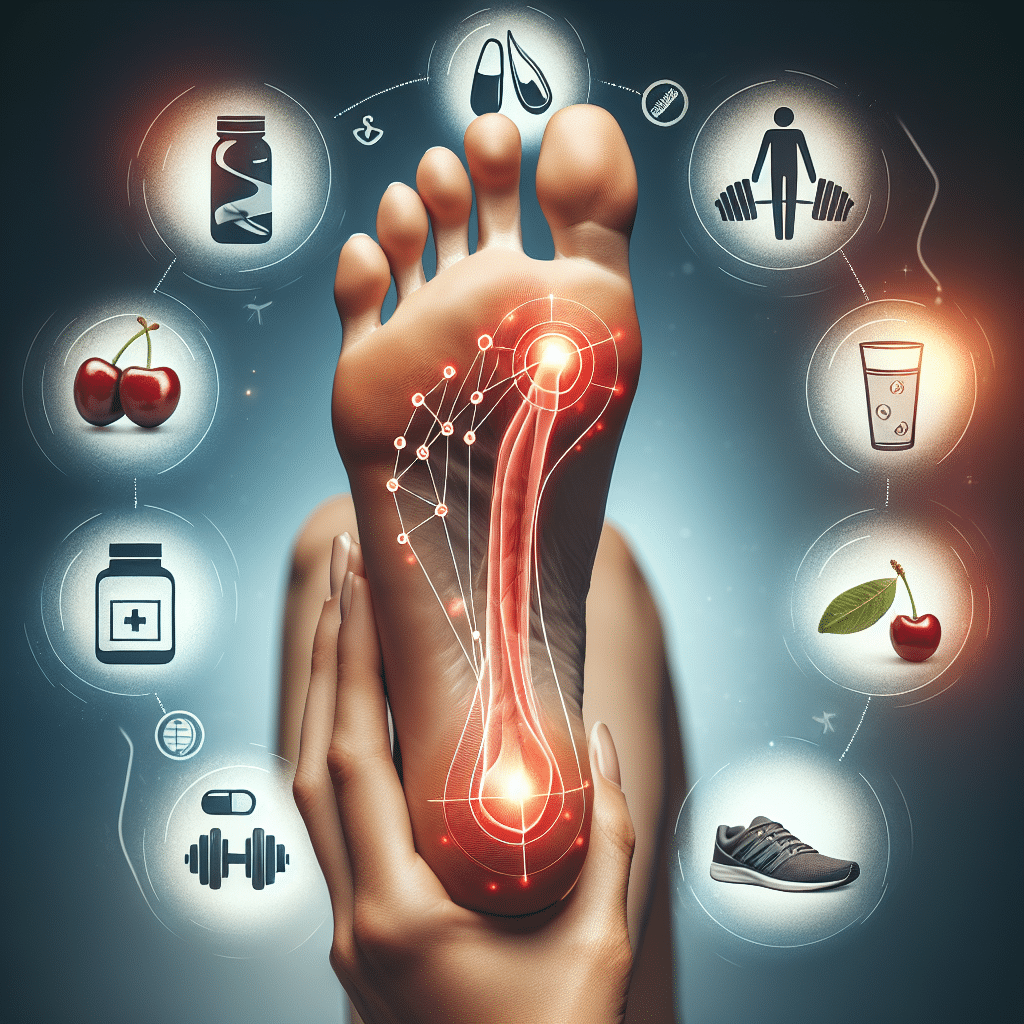
Understanding Gout in Toe
What is gout?
Gout is a type of arthritis that is characterized by sudden and severe pain, swelling, and tenderness in the joints. It is caused by the buildup of uric acid crystals in the joints, which leads to inflammation. The most commonly affected joint in gout is the big toe, although it can also occur in other joints such as the ankle, knee, and wrist.
What causes gout in the toe?
Gout occurs when there is an excess of uric acid in the body. Uric acid is a waste product that is produced when the body breaks down purines, which are found in certain foods and drinks. When the level of uric acid in the body is too high, it can form crystals that accumulate in the joints, causing the symptoms of gout.
Several factors can contribute to the development of gout in the toe. These include:
- Diet: Consuming foods that are high in purines, such as red meat, seafood, and alcohol, can increase the risk of gout.
- Genetics: Gout often runs in families, suggesting a genetic predisposition to the condition.
- Medical conditions: Certain medical conditions, such as kidney disease and hypertension, can increase the risk of gout.
- Medications: Some medications, including diuretics and low-dose aspirin, can raise uric acid levels and trigger gout attacks.
Symptoms of gout in the toe
The symptoms of gout in the toe typically come on suddenly and often occur at night. They may include:
- Intense pain: The affected toe may feel extremely painful and tender, making it difficult to walk or wear shoes.
- Swelling: The joint may become swollen, red, and inflamed.
- Warmth: The affected area may feel warm to the touch.
- Limited range of motion: Gout can make it difficult to move the affected joint.
- Skin changes: The skin around the joint may appear shiny and have a purplish hue.
Diagnosing Gout in Toe
Medical history and physical examination
To diagnose gout in the toe, your doctor will begin by asking about your symptoms and medical history. They will inquire about the frequency and duration of your symptoms, as well as any factors that may trigger or worsen them. In addition, a physical examination will be conducted, focusing on the affected joint to assess for signs of inflammation, swelling, and tenderness.
Blood tests
Blood tests can be helpful in confirming a diagnosis of gout. A sample of your blood will be taken to measure the level of uric acid. Elevated uric acid levels are often present during a gout attack. However, it is important to note that the presence of high levels of uric acid does not always mean gout, as it can occur in other conditions as well.
Imaging tests
In some cases, imaging tests such as X-rays, ultrasound, or CT scans may be ordered to further evaluate the joint and rule out other possible causes of your symptoms. These tests can help your doctor determine if there is any joint damage or the presence of uric acid crystals. However, imaging tests are not always necessary for the diagnosis of gout.
Medications for Gout in Toe
Nonsteroidal anti-inflammatory drugs (NSAIDs)
NSAIDs are commonly used to relieve pain and reduce inflammation in gout attacks. They work by blocking certain enzymes that cause pain and swelling. Examples of NSAIDs that may be prescribed for gout include ibuprofen, naproxen, and indomethacin. These medications are most effective when taken as soon as symptoms start.
Colchicine
Colchicine is a medication that is specifically used for the treatment of gout. It works by reducing the inflammation and pain associated with gout attacks. Colchicine is most effective when taken within the first 12 to 24 hours of symptom onset. Side effects such as nausea, vomiting, and diarrhea may occur, so it is important to follow the prescribed dosage.
Corticosteroids
Corticosteroids, such as prednisone, can be injected into the affected joint or taken orally to reduce inflammation and pain. They are often used for individuals who cannot tolerate NSAIDs or colchicine or for those with multiple affected joints. Corticosteroids should be used judiciously due to potential side effects, and the dosage will be adjusted based on the severity of the symptoms.
Xanthine oxidase inhibitors
Xanthine oxidase inhibitors, such as allopurinol and febuxostat, are medications used to lower uric acid levels in the body. They work by inhibiting the enzyme responsible for producing uric acid. These medications are typically prescribed for individuals who have recurrent gout attacks or high levels of uric acid.
Lifestyle Changes for Gout in Toe
Dietary changes
Making dietary changes can help manage gout in the toe. It is important to avoid or limit foods high in purines, such as red meat, shellfish, and alcohol. Instead, focus on consuming low-fat dairy products, complex carbohydrates, and plenty of fruits and vegetables. Additionally, staying hydrated by drinking plenty of water can also help flush out excess uric acid.
Weight management
Being overweight or obese can increase the risk of gout and exacerbate symptoms. Losing weight, if necessary, can help reduce the frequency and severity of gout attacks. A well-balanced diet along with regular exercise can aid in weight management and overall health.
Hydration
Drinking an adequate amount of water throughout the day is essential for flushing out uric acid and preventing crystallization in the joints. Aim to drink at least 8-10 cups of water per day, or more if you are physically active or in a hot climate.
Exercise
Regular exercise is beneficial for overall joint health and can help prevent gout attacks. Low-impact activities such as walking, swimming, and cycling are recommended. However, it is important to avoid excessive stress on the affected joints during a gout attack.
Managing Acute Gout Attacks
Rest and elevate the affected foot
During a gout attack, it is important to rest the affected foot and keep it elevated to reduce swelling and pain. Avoid putting weight on the foot and try to elevate it above heart level to promote blood flow and reduce inflammation.
Apply ice packs
Applying ice packs to the affected joint can help alleviate pain and reduce inflammation. Wrap the ice pack in a thin cloth and apply it to the joint for 15-20 minutes at a time, several times a day.
Take pain relievers
Over-the-counter pain relievers, such as acetaminophen, can help manage the pain associated with gout attacks. However, it is important to consult with your healthcare provider before taking any medications to ensure they do not interact with any preexisting conditions or medications.
Avoid triggers
Identifying and avoiding triggers that may contribute to gout attacks is crucial in managing the condition. Common triggers include consuming foods high in purines, excessive alcohol consumption, dehydration, and certain medications. Keeping a journal to track potential triggers can be helpful in identifying patterns and making lifestyle adjustments.
Preventing Gout Recurrences in Toe
Maintaining a healthy diet
Maintaining a healthy and balanced diet is key in preventing gout recurrences. This includes avoiding or limiting foods high in purines and opting for a diet rich in fruits, vegetables, whole grains, and low-fat dairy products. Incorporating foods that may help lower uric acid levels, such as cherries and tart cherry juice, may also be beneficial.
Limiting alcohol intake
Alcohol, especially beer, can increase the risk of gout due to its high purine content. Limiting or avoiding alcohol consumption, particularly during gout attacks, can help reduce the frequency and severity of recurrences.
Managing weight
Maintaining a healthy weight can significantly reduce the risk of gout and prevent recurrences. Losing weight, if overweight or obese, and adopting a healthy lifestyle that includes regular exercise can help manage the condition.
Taking prescribed medications
If your healthcare provider has prescribed medications such as xanthine oxidase inhibitors or other gout-specific medications, it is important to take them as directed. These medications can help lower uric acid levels and prevent gout attacks when taken consistently.
Alternative Treatments for Gout in Toe
Applying cold or heat therapy
Applying cold or heat therapy to the affected joint can provide relief from gout symptoms. Cold therapy, such as ice packs, can help reduce inflammation, while heat therapy, such as warm compresses, can relax the muscles and improve blood flow to the area.
Using herbal supplements
Certain herbal supplements have been claimed to help manage gout symptoms. Examples include devil’s claw, turmeric, and ginger. However, it is important to consult with a healthcare professional before starting any herbal supplements, as they may interact with medications or have potential side effects.
Homeopathic remedies
Some individuals may find relief from gout symptoms through homeopathic remedies. These remedies use highly diluted substances to stimulate the body’s natural healing response. Popular homeopathic remedies for gout may include Arnica, Bryonia, and Ledum. However, more research is needed to determine the effectiveness of homeopathic treatments for gout.
Complications of Gout in Toe
Joint deformity
If left untreated or poorly managed, gout can lead to joint deformities. Chronic inflammation and recurring gout attacks can cause damage to the joint cartilage and surrounding structures, leading to joint stiffness, limited range of motion, and eventually joint deformities.
Tophi formation
Tophi are collections of uric acid crystals that can develop in and around joints affected by gout. They often appear as small, whitish nodules under the skin. Tophi can cause further joint damage and increase the risk of recurrent gout attacks.
Chronic gouty arthritis
Chronic gouty arthritis is a long-term complication of gout that occurs when there is ongoing inflammation and joint damage. It can lead to persistent pain, joint deformities, and disability if left untreated. Treating gout promptly and effectively can help prevent the progression to chronic gouty arthritis.
When to Seek Medical Help
Persistent severe pain
If you are experiencing persistent severe pain in your toe that is not alleviated by over-the-counter pain medications or home remedies, it is important to seek medical help. Your healthcare provider can assess your symptoms, provide appropriate treatment, and determine if further evaluation or intervention is necessary.
Fever and other signs of infection
If you develop a fever along with redness, warmth, or swelling in the affected toe, it may indicate the presence of an infection. Infections can complicate gout and require immediate medical attention to prevent further complications.
Repeated gout attacks
If you are experiencing recurrent gout attacks in your toe despite making lifestyle changes and taking prescribed medications, it is important to consult with your healthcare provider. They can evaluate your treatment plan, adjust medications if needed, and provide guidance on preventing further recurrences.
Conclusion
Gout in the toe can be a painful and debilitating condition, but with proper understanding, diagnosis, and management, it is possible to effectively control and prevent gout attacks. By making lifestyle changes, taking prescribed medications, and seeking medical help when needed, individuals with gout can lead a more comfortable and active life. Remember to consult with your healthcare provider for personalized advice and guidance on managing your specific condition.