
Looking for effective solutions to combat hair loss as a balding man? Look no further! This article provides valuable insights into the world of hair loss remedies, offering practical tips and advice to help you regain your confidence and promote hair regrowth. Whether you are looking for natural remedies, medical treatments, or lifestyle changes, we have got you covered. So, say goodbye to those worries and embrace a full head of hair once again.

Lifestyle Changes
Diet and Nutrition
When it comes to combating hair loss, one of the best places to start is with your diet and nutrition. Ensuring that you are consuming a balanced diet that is rich in vitamins, minerals, and proteins is crucial for maintaining healthy hair. Foods such as leafy greens, nuts and seeds, fish, eggs, and lean meats are excellent sources of essential nutrients like iron, zinc, and vitamin E that can promote hair growth and prevent further hair loss. Additionally, incorporating biotin-rich foods like eggs, avocados, and sweet potatoes into your diet can promote healthy hair follicles.
Exercise and Physical Activity
While exercise may not directly impact hair growth, it can help improve overall blood circulation throughout the body, including the scalp. This increased blood flow can potentially deliver more nutrients and oxygen to the hair follicles, promoting healthier hair growth. Regular physical activity also helps to reduce stress levels, which can indirectly prevent hair loss caused by stress-induced conditions. So, make sure to include regular exercise and physical activity in your daily routine to support your hair health.
Stress Management
Stress is often a significant factor contributing to hair loss and can worsen existing conditions. Managing stress levels is essential for maintaining not just your hair but also your overall well-being. Engaging in activities like yoga, meditation, or deep breathing exercises can be beneficial in reducing stress and promoting relaxation. Additionally, finding ways to alleviate stress through hobbies, spending time with loved ones, or seeking professional help when necessary can have a positive impact on your hair health.
Sleep and Rest
Getting adequate sleep and rest is crucial for your body’s ability to function optimally, including hair growth. Lack of sleep or poor sleep quality can disrupt the natural hair growth cycle and potentially lead to increased hair loss. It is recommended that adults aim for 7-9 hours of restful sleep each night. Establishing a regular sleep routine, creating a relaxing sleep environment, and practicing good sleep hygiene can contribute to healthier hair growth and overall well-being.
Natural Remedies
Scalp Massage
Scalp massage is a simple and effective natural remedy that can help stimulate blood flow to the hair follicles. This increased blood circulation can promote hair growth and revitalize dormant follicles. You can perform a scalp massage using your fingertips or invest in a scalp massager tool to enhance the experience. Massage your scalp gently in circular motions for a few minutes each day to reap the benefits.
Essential Oils
Several essential oils are thought to have properties that can support hair growth and reduce hair loss. Oils such as rosemary, lavender, peppermint, and cedarwood are often used in hair care remedies due to their potential to improve blood circulation, strengthen hair follicles, and increase hair thickness. Dilute the essential oil of your choice with a carrier oil like coconut or jojoba oil, and gently massage it into your scalp. Leave it on for a few hours or overnight before rinsing it out.
Herbal Supplements
Herbal supplements can be a convenient way to support hair growth and combat hair loss. Supplements like saw palmetto, ginseng, and pygeum contain natural compounds that may inhibit the production of the hormone DHT, which is known to contribute to hair loss. Additionally, supplements containing biotin, vitamins, and minerals specifically formulated for hair health can provide the necessary nutrients for optimal hair growth. However, it is important to consult with a healthcare professional before starting any new supplement regimen.
Aloe Vera
Aloe vera is a versatile plant with numerous health benefits, including potential hair growth stimulation. Applying aloe vera gel directly to the scalp can soothe inflammation, reduce dandruff, and improve overall scalp health. Some studies suggest that aloe vera may also enhance collagen production and increase blood circulation, which can support healthy hair growth. Extract the gel from the aloe vera leaf, massage it into your scalp, and leave it on for about an hour before rinsing.
Onion Juice
Although it may not sound very appealing, onion juice has gained popularity as a natural remedy for hair loss due to its high sulfur content, which is believed to promote hair regrowth. Applying onion juice to your scalp can potentially stimulate the hair follicles, strengthen the hair strands, and improve blood circulation. It is recommended to blend or grate an onion and extract the juice, apply it to your scalp, leave it on for 15-30 minutes, and then wash it out thoroughly.
Over-the-Counter Treatments
Minoxidil (Rogaine)
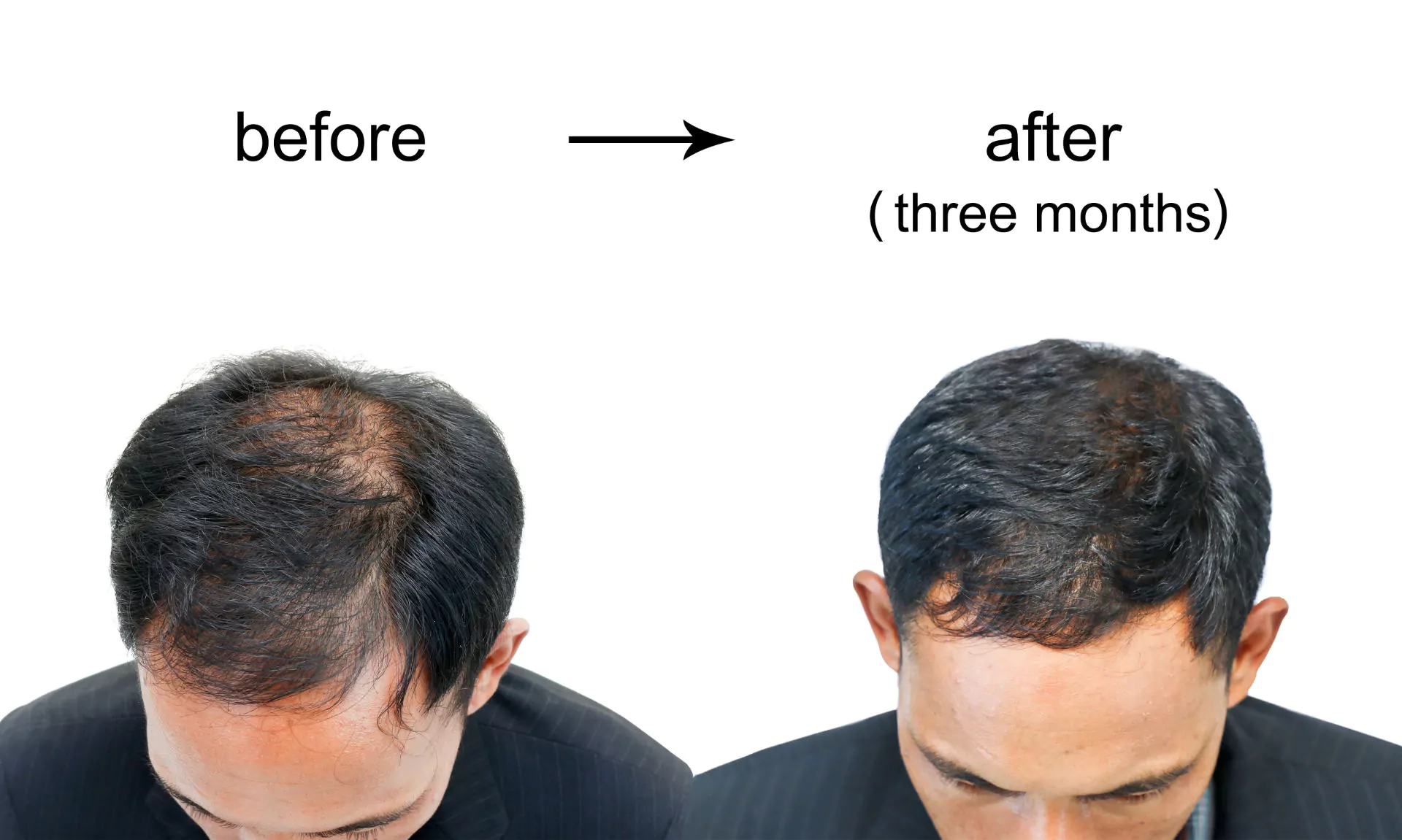
Minoxidil, commonly known as Rogaine, is an over-the-counter topical treatment that has been approved by the FDA for hair loss in both men and women. It comes in various strengths and formulations, including foam and liquid. Minoxidil works by increasing blood flow to the hair follicles, promoting hair growth, and preventing further hair loss. It requires consistent and long-term use to maintain the results, and it may take several months to see noticeable improvements.
Finasteride (Propecia)
Finasteride, sold under the brand name Propecia, is an oral medication that is FDA-approved for the treatment of male pattern baldness. It works by blocking the conversion of testosterone to dihydrotestosterone (DHT), which is the hormone responsible for hair loss in genetically predisposed individuals. Finasteride is typically prescribed by a healthcare professional and should be taken as directed. It may take several months to see visible results, and it is important to continue taking the medication to maintain the benefits.
Ketoconazole Shampoo
Ketoconazole is an antifungal medication that is available in shampoo form and has shown potential for treating hair loss. It works by reducing inflammation and combating a common scalp condition called dandruff, which can contribute to hair loss. Ketoconazole shampoo can be used in conjunction with other hair loss treatments or as a standalone option to maintain scalp health and support hair growth. Follow the instructions on the shampoo bottle and use it as recommended.
Hair Care Practices
Gentle Hair Washing
When it comes to hair care practices, it is essential to adopt a gentle approach to avoid further damage or hair loss. Use a mild shampoo that is suitable for your hair type and avoid harshly scrubbing your scalp during washing. Gently massage the shampoo into your hair and scalp, focusing on the roots, to remove excess oil and debris. Rinse thoroughly with lukewarm water to ensure that no residue is left behind.
Avoiding Harsh Styling Products
Certain styling products, such as gels, pomades, and hairsprays, can contain harsh chemicals that are damaging to the hair follicles. To protect your hair and prevent further hair loss, opt for hair care products that are gentle and free from sulfates, parabens, and other harmful ingredients. Look for products specifically formulated for thinning hair or those that promote hair growth and nourishment.
Avoiding Heat Styling
Excessive heat styling, including the use of hair dryers, straighteners, and curling irons, can weaken the hair strands and potentially lead to hair breakage or loss. Whenever possible, allow your hair to air dry naturally or use the lowest heat setting on your styling tools. Applying a heat protectant spray before styling can also provide an extra layer of protection and minimize damage.
Regular Trimming
Regular hair trims may seem counterintuitive when you’re trying to grow your hair, but they are essential for maintaining healthy hair. Trimming the ends of your hair every 6-8 weeks helps to remove split ends and prevent them from traveling up the hair shaft, which can lead to breakage. Additionally, regular trims can give your hair a neater appearance and make it appear fuller and thicker.

Microneedling
Process
Microneedling, also known as collagen induction therapy, involves using a device called a dermaroller or dermapen, which contains tiny needles, to create micro-injuries on the scalp. These micro-injuries stimulate the body’s natural healing response, increasing collagen production and promoting hair growth. The procedure is typically performed by a dermatologist or trained professional and may require multiple treatment sessions for optimal results.
Effectiveness
Microneedling has shown promising results in stimulating hair growth and improving hair density. The micro-injuries created during the procedure activate the body’s wound-healing mechanisms, which can potentially revive dormant hair follicles and encourage the growth of new, healthy hair. However, individual results may vary, and it is important to consult with a healthcare professional to determine if microneedling is a suitable treatment option for you.
Safety Precautions
While microneedling is generally considered safe, it is essential to ensure that the procedure is performed by a qualified professional to minimize the risk of complications. Proper sterilization of the equipment is crucial to prevent infections, and following post-treatment care instructions provided by the healthcare professional is important for optimal healing. It is advisable to discuss any underlying health conditions or concerns with the healthcare professional before undergoing microneedling.
Platelet-Rich Plasma (PRP) Therapy
Procedure
Platelet-rich plasma (PRP) therapy involves extracting a sample of your blood and separating the platelet-rich plasma from the rest of the blood components. The PRP, which contains growth factors, is then re-injected into the scalp to stimulate hair growth. The procedure is typically performed by a healthcare professional and may require multiple sessions spaced several weeks apart for optimal results.
Potential Benefits
PRP therapy has gained popularity as a natural hair loss treatment due to its potential to promote hair growth and improve hair thickness. The growth factors present in the platelet-rich plasma can potentially stimulate the hair follicles, prolong the growth phase of the hair cycle, and reduce hair loss. PRP therapy is often used in conjunction with other treatments or as a standalone option, depending on the individual’s needs.
Side Effects and Risks
PRP therapy is generally considered safe, as it utilizes the patient’s own blood to extract the platelet-rich plasma. However, as with any medical procedure, there are potential risks and side effects. These can include temporary scalp tenderness, redness, swelling, or bruising at the injection site. It is important to discuss any medical conditions or medications with the healthcare professional to determine if PRP therapy is suitable for you.

Low-Level Laser Therapy (LLLT)
How it Works
Low-level laser therapy (LLLT), also known as red light therapy or cold laser therapy, involves exposing the scalp to specific wavelengths of light to stimulate hair growth. The light energy is absorbed by the cells in the hair follicles, promoting cellular activity and increasing blood flow to the scalp. This process can potentially extend the hair growth phase and improve the overall health of the hair follicles.
Devices and Treatment Options
LLLT can be administered through various devices, including laser combs, helmets, or caps, which emit low-level laser light. These devices are designed for at-home use and should be used as directed by the manufacturer. Treatment duration and frequency may vary depending on the specific device. It is important to follow the instructions provided with the device and consult with a healthcare professional if you have any concerns or questions.
Effectiveness
LLLT has shown promising results in promoting hair growth and reducing hair loss. Clinical studies have demonstrated that LLLT can increase hair density, improve hair thickness, and enhance overall hair quality. However, individual results may vary, and consistency in using the LLLT devices is crucial for optimal outcomes. It is important to manage expectations and consult with a healthcare professional to determine if LLLT is a suitable option for your specific hair loss condition.
Hair Transplant Surgery
FUT (Follicular Unit Transplantation)
FUT, or follicular unit transplantation, is a surgical hair restoration procedure that involves removing a strip of scalp from the back or side of the head, dissecting it into individual hair follicular units, and transplanting them into the balding or thinning areas of the scalp. The procedure is typically performed under local anesthesia and may require several hours or multiple sessions, depending on the extent of hair loss.
FUE (Follicular Unit Extraction)
FUE, or follicular unit extraction, is another surgical hair transplant technique that involves individually harvesting hair follicles from the donor area using a small punch-like instrument. The harvested follicles are then transplanted into the recipient area of the scalp. FUE allows for a more precise extraction of individual follicles without the need for a linear incision, resulting in less noticeable scarring. The procedure is also performed under local anesthesia and may require multiple sessions.
Recovery and Results
Recovery from hair transplant surgery can vary depending on the individual and the specific surgical technique used. Swelling, redness, and mild discomfort are common immediately after the procedure and usually subside within a few days. It is essential to follow post-operative instructions provided by the surgeon, including instructions for washing, physical activity restrictions, and any prescribed medications. It may take several months for the transplanted hair to grow, and full results can typically be seen within 12-18 months.
Costs and Considerations
The cost of hair transplant surgery can vary depending on various factors, including the geographic location, the surgeon’s experience, and the extent of the procedure. It is important to research and consult with multiple qualified surgeons to understand the cost, potential risks, and expected outcomes. Additionally, discussing personal expectations and considering factors such as age, hair loss progression, and donor area availability is crucial in determining if hair transplant surgery is the right option for you.

Scalp Micropigmentation (SMP)
Process
Scalp micropigmentation (SMP) is a non-surgical procedure that involves depositing tiny pigment dots onto the scalp using specialized equipment. These pigment dots mimic the appearance of real hair follicles, creating the illusion of a buzz-cut hairstyle or denser scalp. SMP can be used to camouflage bald spots, create the appearance of a more defined hairline, or add density to thinning areas. The procedure is typically performed by a trained technician and may require multiple sessions for optimal results.
Natural-looking Results
When done by a skilled technician, scalp micropigmentation can provide natural-looking results that seamlessly blend with your existing hair or scalp color. The pigment dots are carefully matched to your hair color and can create the illusion of a closely shaved head or fuller hair density. The technician takes into account factors such as hairline shape, density, and the angle of the pigmentation to ensure a realistic and aesthetically pleasing outcome.
Maintenance and Longevity
Scalp micropigmentation requires minimal maintenance compared to other hair loss solutions. Generally, it is recommended to avoid excessive exposure to the sun, as UV rays can fade the pigmentation over time. Protective measures, such as using sunscreen or wearing a hat, can help preserve the pigment’s color and longevity. Touch-up sessions may be required every few years to maintain the desired appearance, as the pigment may gradually fade or change shade over time.
Conclusion
Hair loss can be a distressing experience, but there are numerous solutions available to address and manage the condition. It is important to adopt a personalized approach, considering lifestyle changes, natural remedies, over-the-counter treatments, and professional interventions. By making dietary adjustments, engaging in regular physical activity, managing stress levels, maintaining a healthy sleep routine, and exploring natural remedies, you can support your hair health from within. Over-the-counter treatments such as minoxidil and finasteride can provide effective solutions, and regular hair care practices like gentle washing, avoiding harsh styling products, and regular trimming can help maintain healthy hair. Professional interventions like microneedling, platelet-rich plasma therapy, low-level laser therapy, hair transplant surgery, and scalp micropigmentation offer more advanced options for those seeking long-term solutions. Remember, finding the right solution for you may involve a combination of approaches, so consult with healthcare professionals or specialists to determine the most suitable plan to address your specific needs. With the right approach and a little patience, you can take control of your hair loss journey and regain confidence in your appearance.