
You’ve navigated a challenging journey with your acoustic neuroma, and now you’re looking ahead to life post-treatment. One avenue that might be on your radar is exploring hearing aids. It’s a significant decision, and as your Listicle Content Architect, I’m here to guide you through it. You’re probably wondering about the effectiveness, the types, and what to expect. Let’s break it down, step by step, so you can make an informed choice that empowers your hearing and enhances your daily life.
Before diving into the specifics of hearing aids, it’s crucial to gain a clear understanding of your current hearing situation. Acoustic neuroma treatment, whether it’s surgery or radiation, can significantly impact your auditory system. The tumor itself, its location, and the chosen treatment method all play a role in the type and degree of hearing loss you might experience. Knowing this landscape is the first step towards finding the right hearing support.
1.1. The Multifaceted Nature of Hearing Loss After Treatment
Your hearing loss is rarely a simple, uniform decline. It’s more nuanced. You might notice a gradual or sudden drop in your ability to hear certain frequencies. This often affects one ear more than the other, a condition known as unilateral hearing loss. This asymmetry is a key factor in considering hearing solutions.
1.1.1. Unilateral vs. Bilateral Hearing Loss
- Unilateral Hearing Loss: This is the most common scenario following acoustic neuroma treatment when the tumor is in one ear. You’ll likely experience diminished hearing in the affected ear, often accompanied by tinnitus (ringing or buzzing) and potential balance issues. The good news is that your “good” ear can often compensate to a degree.
- Bilateral Hearing Loss: While less common if the neuroma was only in one ear, some individuals might have pre-existing hearing issues in both ears, or the treatment might impact hearing in the non-affected ear indirectly. This necessitates a different approach to hearing aid selection and use.
1.1.2. The Impact of Tinnitus
Tinnitus is a frequent companion to acoustic neuroma and its treatment. The ringing or buzzing can make it harder to discern speech and other important sounds. Understanding your tinnitus patterns – its pitch, loudness, and when it’s most prominent – is vital. Some hearing aids have tinnitus masking features that can help alleviate this symptom.
1.2. Assessing the Extent of Your Hearing Loss
This is where professional evaluation becomes paramount. You can’t effectively address hearing loss without accurately measuring it. Your audiologist is your most valuable ally here. They’ll conduct a battery of tests to pinpoint the extent and nature of your hearing impairment.
1.2.1. Pure-Tone Audiometry
This standard test measures your ability to hear pure tones at different frequencies. It helps determine your hearing threshold – the softest sound you can hear at each frequency. This is represented on an audiogram, a graph that visually depicts your hearing loss.
1.2.2. Speech Audiometry
Hearing the audiogram is one thing, but understanding speech is the ultimate goal. Speech audiometry tests evaluate how well you can understand spoken words and sentences at various volumes. You’ll likely encounter tests like:
- Word Recognition Score (WRS): This measures your ability to identify spoken words presented at a comfortable listening level. A lower WRS score indicates difficulty distinguishing between similar-sounding words, even if you can hear them.
- Speech in Noise Testing: This is particularly important for individuals with unilateral hearing loss. It assesses your ability to understand speech when background noise is present. This often reveals significant challenges that pure-tone audiometry might not fully capture.
1.3. Considering Your Overall Health and Lifestyle
Beyond your hearing, your overall health and lifestyle significantly influence your hearing aid journey. Chronic conditions, dexterity, vision, and social engagement all play a part.
1.3.1. Dexterity and Fine Motor Skills
Managing small hearing aid devices and batteries requires a certain level of manual dexterity. If you have challenges with fine motor skills, your audiologist can recommend devices with larger controls, rechargeable options, or even remote controls.
1.3.2. Vision and Cognitive Function
Good vision is helpful for seeing small buttons or indicators on hearing aids. Similarly, cognitive function influences your ability to learn how to use and maintain the devices. Open communication with your audiologist about any such challenges will lead to tailored solutions.
2. Hearing Aid Options: Tailoring Solutions to Your Unique Needs
Now that you understand your hearing landscape, let’s delve into the world of hearing aids. The good news is that there’s a wide array of devices available, designed to address various degrees of hearing loss, lifestyles, and cosmetic preferences. For those who have undergone acoustic neuroma treatment, there are specific considerations and technologies that can be particularly beneficial.
2.1. Types of Hearing Aids and Their Suitability
The physical form factor of a hearing aid is a key differentiator. Each type offers distinct advantages and is suited to different levels of hearing loss and user preferences.
2.1.1. Behind-the-Ear (BTE) Hearing Aids
BTEs are the most versatile and powerful type of hearing aid. They consist of a case that sits behind the ear, connected to an earmold or a receiver-in-canal (RIC) unit by a thin tube or wire.
- Advantages: They can accommodate a wide range of hearing losses, from mild to profound. They are often easier to handle for individuals with dexterity issues, and some models are rechargeable. Their larger size can also accommodate more advanced features.
- Considerations: They are more visible than some other options, though modern BTEs are quite discreet. For unilateral hearing loss, a BTE is often the go-to choice due to its amplification capabilities.
2.1.2. Receiver-in-Canal (RIC) / Receiver-in-the-Ear (RITE) Hearing Aids
RICs are a subset of BTEs but are generally smaller and more aesthetically pleasing. The receiver (speaker) is located in a small dome or earmold that sits in the ear canal, connected to the behind-the-ear unit by a thin wire.
- Advantages: They offer excellent sound quality and are suitable for a broad spectrum of hearing losses. Their open-fit design can prevent the “plugged-up” feeling some people experience with traditional BTEs. They are also often discreet.
- Considerations: The receiver in the ear canal can be susceptible to earwax, requiring regular cleaning.
2.1.3. In-the-Ear (ITE) and In-the-Canal (ITC) Hearing Aids
These custom-molded devices fit entirely within the outer ear or the ear canal.
- Advantages: They are very discreet and can be easier to insert and remove for some individuals.
- Considerations: They have limitations in terms of amplification power and battery size, making them unsuitable for profound hearing loss. Directing sound into the ear canal with these can sometimes exacerbate tinnitus or create a sensation of reduced spatial awareness compared to BTEs or RICs with open fits.
2.1.4. Completely-in-Canal (CIC) and Invisible-in-Canal (IIC) Hearing Aids
These are the smallest custom devices, fitting deep within the ear canal, making them virtually invisible.
- Advantages: Maximum cosmetic appeal.
- Considerations: Limited features, power, and battery life. They are only suitable for mild to moderate hearing loss. Due to their deep insertion, they can also be challenging to handle and may not be suitable for individuals with very narrow ear canals or excessive earwax.
2.2. Addressing Unilateral Hearing Loss with Specialized Technology
Unilateral hearing loss presents unique challenges that require a strategic approach. Hearing aids can help, but the goal is often about optimizing the use of your remaining hearing and mitigating the disadvantages of having sound primarily come from one side.
2.2.1. CROS and BiCROS Systems
When one ear has significant hearing loss or is unaidable, and the other ear has functional hearing, CROS (Contralateral Routing of Signals) systems are often the most effective solution.
- How it Works: A small transmitter is worn on the deaf or severely impaired ear, capturing sound and wirelessly transmitting it to a receiver worn on the better ear. The receiver then routes this sound to the better ear, allowing you to hear sounds from both sides.
- BiCROS: If the better ear also has some hearing loss that needs amplification, a BiCROS system is used. This is essentially a CROS system combined with amplification for the better ear.
- Benefits: CROS/BiCROS systems can significantly improve your ability to hear sounds from your affected side, reduce head turning to locate sounds, and enhance your awareness of your surroundings. This can be transformative for social interactions and safety.
2.2.2. Directional Microphones and Advanced Noise Reduction
Regardless of the type of hearing aid you choose, modern devices come equipped with sophisticated features that can aid in speech clarity, especially in noisy environments.
- Directional Microphones: These automatically focus on sounds coming from in front of you, reducing background noise. This is incredibly helpful when conversing in a restaurant or social gathering.
- Noise Reduction Algorithms: These intelligent systems analyze incoming sound and selectively reduce or filter out consistent background noise like the hum of an air conditioner or traffic, allowing you to focus on speech.
2.3. The Importance of a Custom Fit
For most custom-mold hearing aids (ITE, ITC, CIC, IIC), an audiologist will take an impression of your ear canal to create a device that fits perfectly. Even for BTEs and RICs, the earmold or dome needs to be the right size and shape to ensure optimal sound delivery and comfort.
2.3.1. The Earmold’s Role
The earmold is more than just a plug; it’s a crucial component for sound delivery and comfort. A well-fitted earmold ensures that the amplified sound reaches your eardrum efficiently, minimizes feedback (whistling), and feels comfortable for extended wear. It also plays a role in managing tinnitus by providing a degree of occlusion.
2.3.2. Addressing Comfort and Retention
Your audiologist will consider the unique anatomy of your ear canal, including its shape and depth, when recommending and fitting hearing aids. They’ll ensure the device fits securely without causing discomfort, irritation, or a feeling of being “too full.”
3. The Hearing Aid Fitting and Adjustment Process: A Collaborative Journey
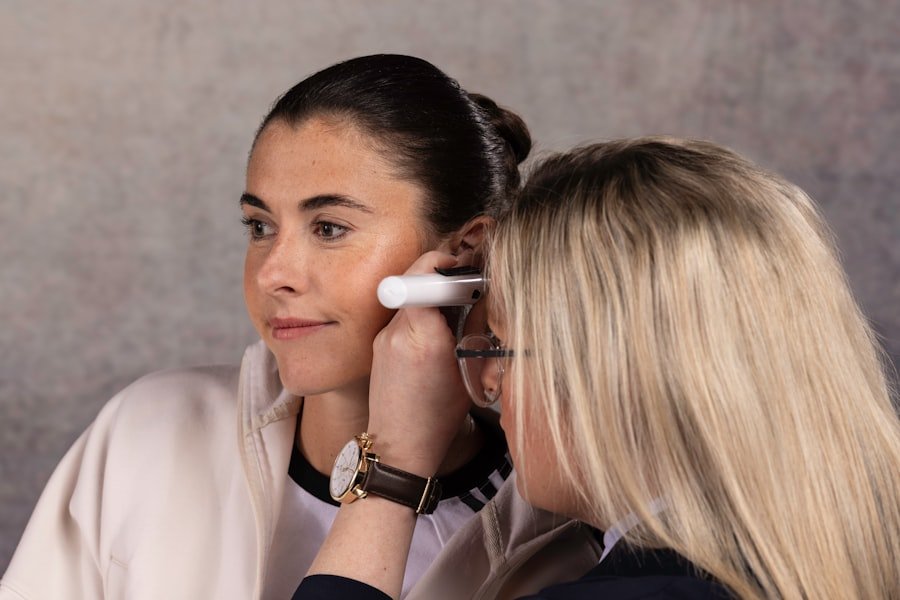
Purchasing hearing aids is just the beginning. The real magic happens during the fitting and adjustment process, where your audiologist fine-tunes the devices to your specific hearing profile and lifestyle needs. This is a collaborative journey, requiring your active participation and feedback.
3.1. Initial Fitting and Programming
On your first fitting appointment, your audiologist will:
- Verify the Fit: They’ll ensure the hearing aids are physically comfortable and securely in place. This includes checking the earmolds or domes.
- Program the Devices: Using specialized software, they’ll upload a prescription based on your audiogram. This prescription dictates the amplification levels for different frequencies.
- Demonstrate Features: You’ll learn how to put on and remove the hearing aids, change batteries (if applicable), adjust volume, and navigate any special programs or features.
3.1.1. Real-Ear Measurement (REM)
This is a critical step in ensuring accurate amplification. REM involves placing a tiny probe tube inside your ear canal while the hearing aids are worn. The audiologist then plays specific sounds and measures the actual sound pressure level reaching your eardrum. This confirms that the hearing aids are delivering the prescribed amplification levels, accounting for the unique acoustics of your ear.
3.1.2. Understanding Basic Controls
Familiarize yourself with the basic functions of your hearing aids.
- Volume Control: Most aids have simple ways to increase or decrease the volume.
- Program Button: Many devices have multiple programs for different listening environments (e.g., quiet, noisy, music). Learning to switch between these is key.
- Battery Indicator: For non-rechargeable aids, understanding how to check battery life is essential.
3.2. The Importance of Follow-Up Appointments
Your hearing needs are not static, and neither are the capabilities of your hearing aids. Follow-up appointments are crucial for fine-tuning and optimization.
3.2.1. Fine-Tuning for Optimal Sound Quality
During follow-up visits, your audiologist will ask for your feedback on how you’re hearing in various situations. Are certain sounds too loud? Are you still struggling to understand speech in specific environments? Based on your input, they can make adjustments to the hearing aid programming.
3.2.2. Addressing New Challenges
As you become accustomed to your hearing aids, you might encounter new listening challenges or realize that certain situations still prove difficult. These follow-ups are the perfect time to discuss these issues and find solutions.
3.3. Your Role in the Adjustment Period
The adjustment period is a learning curve. Be patient with yourself and with the devices.
3.3.1. Consistent Wear is Key
The more you wear your hearing aids, the faster your brain will adapt to processing amplified sound. Aim to wear them for at least 4-6 hours a day initially, gradually increasing to full-day wear.
3.3.2. Practicing Listening in Different Environments
Don’t shy away from challenging listening situations. Gradually expose yourself to different environments – a quiet room, then a slightly noisier one, then outdoors. This helps your brain relearn how to filter sounds and focus on what’s important.
4. Beyond the Devices: Maximizing Your Hearing Aid Experience
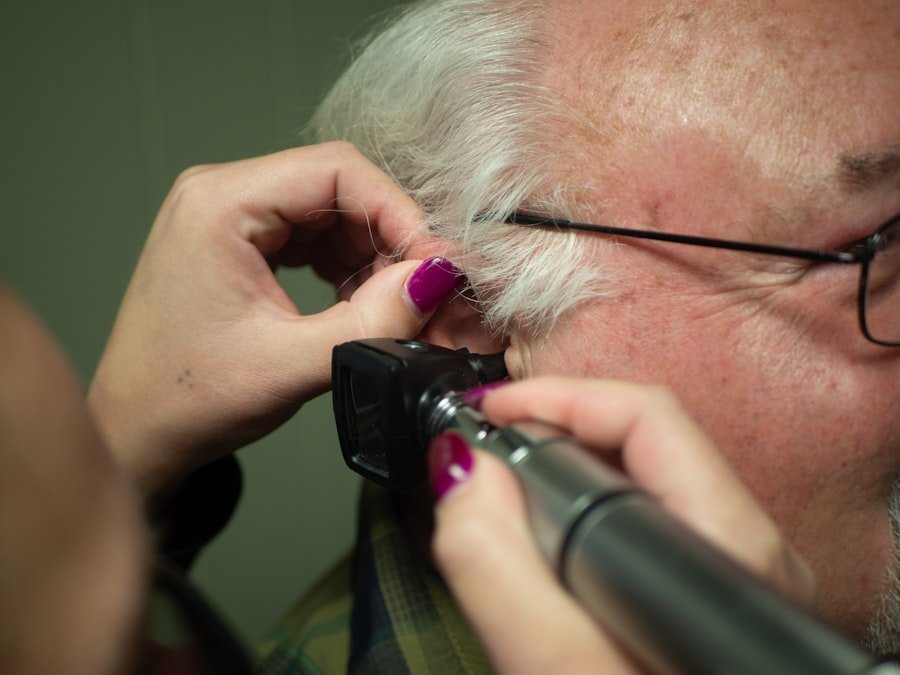
Hearing aids are powerful tools, but they are most effective when integrated into a comprehensive approach to hearing health. Think of them as an enhancement to your existing abilities, rather than a magic bullet. There are several strategies you can employ to get the most out of your amplification.
4.1. Communication Strategies for Everyone
Effective communication is a two-way street. While your hearing aids help you hear, there are also techniques that others can use to make communication easier for you.
4.1.1. Speaking Clearly and at a Natural Pace
Encourage people to speak clearly and at a moderate pace. Avoid mumbling or talking too quickly, as this can make it harder to decipher speech, even with amplification.
4.1.2. Facing You When Speaking
Ensure the person you’re communicating with is facing you. This allows you to benefit from visual cues like lip reading and facial expressions, which are invaluable aids in understanding speech.
4.1.3. Minimizing Background Noise
When possible, try to reduce background noise during conversations. This might involve turning off the TV, moving to a quieter part of a room, or choosing a less crowded venue for social gatherings.
4.2. Understanding New Technologies and Features
Modern hearing aids are packed with advanced features that can significantly enhance your listening experience. Staying informed about these can unlock new possibilities.
4.2.1. Bluetooth Connectivity and Streaming
Many hearing aids now offer Bluetooth connectivity, allowing you to stream audio directly from your smartphone, tablet, or TV. This can be a game-changer for enjoying music, podcasts, phone calls, and television with clear, amplified sound without background distractions reaching your ears.
4.2.2. Companion Apps for Enhanced Control
Most manufacturers offer companion smartphone apps that pair with your hearing aids. These apps can provide:
- Remote Control: Change volume, switch programs, and adjust settings from your phone.
- Tinnitus Management: Some apps include tinnitus masking sound generators.
- Battery Monitoring: Check battery levels and receive alerts.
- Personalization: Some advanced apps allow for fine-tuning of sound profiles in specific environments.
4.2.3. Rechargeable Batteries: Convenience and Sustainability
Rechargeable hearing aids are becoming increasingly popular. They eliminate the need for fumbling with small disposable batteries and are more environmentally friendly. Simply place them in their charging case overnight for all-day power.
4.3. The Role of Tinnitus Management and Cognitive Training
Your hearing and tinnitus are often intertwined. Addressing both can lead to a more comfortable and functional life.
4.3.1. Tinnitus Masking and Sound Therapy
If you experience tinnitus, discuss options with your audiologist. Many hearing aids have built-in sound generators that produce “white noise” or other soothing sounds designed to mask or distract from the ringing. Sound therapy can also be implemented through separate devices or apps.
4.3.2. Cognitive Strategies for Auditory Processing
Your brain plays a huge role in how you process sound. Cognitive training exercises can help improve your ability to focus on speech in challenging environments. This might include practicing attention-based games or specific auditory drills.
5. Making the Decision: Empowering Your Hearing Journey
| Outcome | Percentage |
|---|---|
| Patients with improved hearing | 60% |
| Patients with unchanged hearing | 30% |
| Patients with worsened hearing | 10% |
Deciding whether hearing aids are right for you after acoustic neuroma treatment is a personal and important decision. It’s about reclaiming your connection to the world around you, enjoying conversations, and enhancing your overall quality of life. As your LCA, I want to empower you with the knowledge to make this choice confidently.
5.1. Weighing the Benefits Against the Challenges
There will be an adjustment period, and challenges are to be expected. However, the potential benefits often far outweigh these initial hurdles.
5.1.1. Potential Benefits to Consider
- Improved Speech Understanding: This is the primary goal. Better hearing leads to more meaningful conversations and less frustration.
- Enhanced Awareness of Surroundings: Hearing important sounds like doorbells, alarms, or traffic can significantly improve safety.
- Reduced Listening Strain and Fatigue: Constantly straining to hear is exhausting. Hearing aids can alleviate this.
- Increased Social Engagement: Being able to participate fully in conversations can combat social isolation.
- Better Quality of Life: Ultimately, improved hearing contributes to a more fulfilling and enjoyable life.
5.3.2. Anticipating Potential Challenges
- Adjustment Period: Your brain needs time to adapt to amplified sound.
- Cost: Hearing aids are an investment, though many insurance plans and financing options exist.
- Maintenance: Regular cleaning and battery replacement (for non-rechargeable models) are necessary.
- Cosmetic Concerns: While devices are becoming more discreet, some may have concerns about visibility.
5.2. When to Seek Professional Guidance
Your audiologist is your most critical resource throughout this process. Don’t hesitate to lean on their expertise.
5.2.1. The Role of the Audiologist
Your audiologist is trained to diagnose hearing loss, recommend appropriate devices, fit and program them, and provide ongoing support. They are your partners in achieving optimal hearing. They can also advise on the nuances of hearing loss specifically related to acoustic neuroma treatment.
5.2.2. When to Consult Your Doctor
If you experience sudden changes in hearing, dizziness, or balance issues, consult your doctor or ENT specialist first. They can rule out any new medical concerns before proceeding with hearing aid evaluations.
5.3. My Final Encouragement to You
You’ve faced a significant medical challenge and are now embarking on a new phase of self-care. Exploring hearing aids is a proactive step towards enhancing your well-being. Remember that technology is constantly evolving, and with the right guidance and a little patience, you can find hearing solutions that truly make a difference in your life. Embrace this journey with a positive outlook, communicate openly with your healthcare providers, and trust that you are making informed decisions for a richer, more connected future.
FAQs
1. What is an acoustic neuroma?
An acoustic neuroma is a noncancerous tumor that develops on the main nerve leading from the inner ear to the brain. It can affect hearing and balance.
2. What are the treatment options for acoustic neuroma?
Treatment options for acoustic neuroma include observation, radiation therapy, and surgical removal of the tumor.
3. How can acoustic neuroma treatment affect hearing?
Treatment for acoustic neuroma can result in hearing loss, as the tumor may be affecting the nerve responsible for hearing. Additionally, surgical removal of the tumor can also damage the nerve and lead to hearing loss.
4. Can hearing aids help after acoustic neuroma treatment?
Hearing aids can be beneficial for individuals who experience hearing loss as a result of acoustic neuroma treatment. They can help improve hearing and communication abilities.
5. What should I consider when choosing hearing aids after acoustic neuroma treatment?
When choosing hearing aids after acoustic neuroma treatment, it’s important to consider factors such as the severity of hearing loss, lifestyle and communication needs, as well as the type and features of the hearing aids that would best suit your individual situation.