
Are you or someone you know going through menopause? If so, then you understand just how uncomfortable and inconvenient hot flashes can be. They can strike at any moment, leaving you feeling flushed, sweaty, and desperately in need of relief. But fear not, because in this article, we will explore some simple and effective ways to stay cool during menopause. Whether it’s adjusting your clothing choices, practicing relaxation techniques, or making small lifestyle changes, we’ve got you covered. So, keep reading and say goodbye to those unwanted hot flashes!
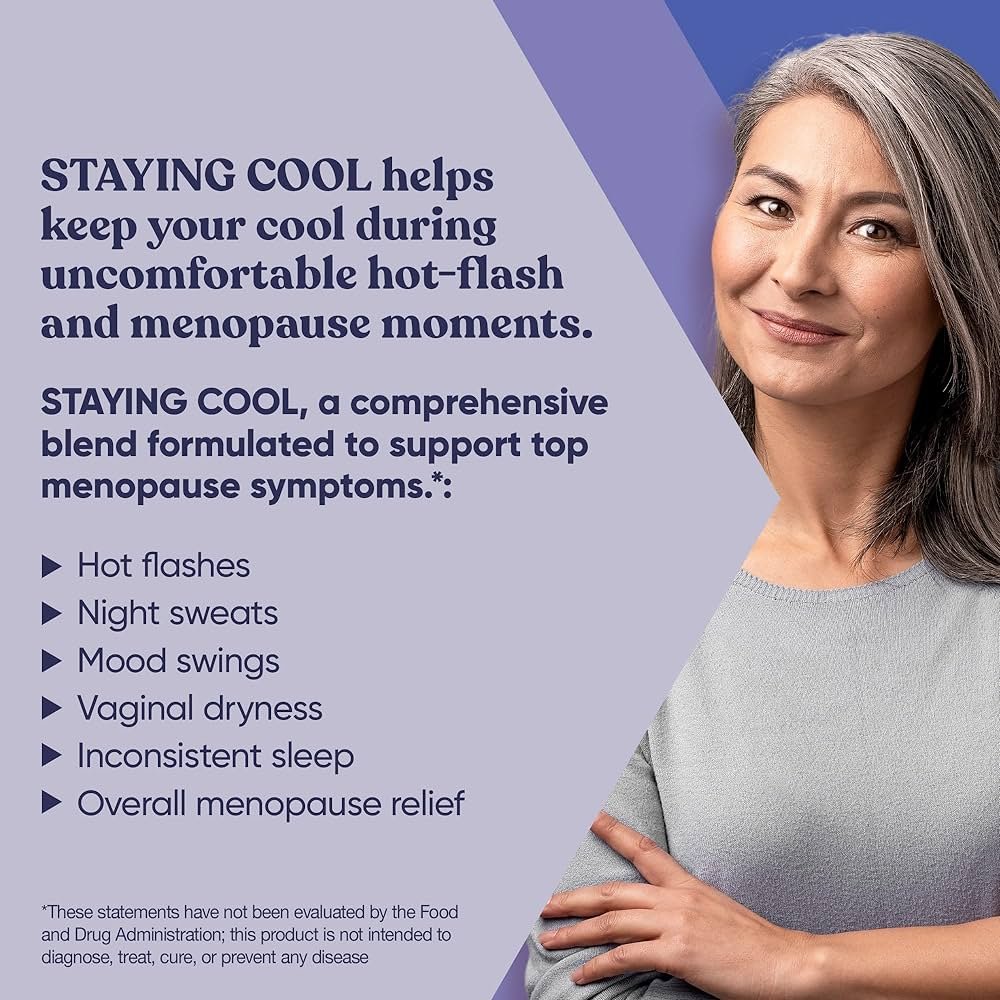
Understanding Hot Flashes
Hot flashes are one of the most common symptoms experienced by women going through menopause. They are characterized by a sudden feeling of heat, accompanied by sweating and flushing of the face and upper body. Hot flashes can vary in intensity and duration, but they typically last for a few minutes. Understanding the causes and frequency of hot flashes can help you manage them effectively and stay cool during this phase of your life.
What are Hot Flashes?
Hot flashes, also known as hot flushes, are a sudden sensation of warmth that spreads throughout your body, most commonly in the face, neck, and chest. They can be accompanied by profuse sweating, palpitations, and a red, flushed appearance of the skin. Hot flashes occur due to changes in hormone levels, particularly estrogen, which fluctuate during menopause. While the exact mechanism is not fully understood, it is believed that the hypothalamus, which is responsible for regulating body temperature, becomes more sensitive to temperature changes, leading to hot flashes.
Causes of Hot Flashes
Hot flashes are primarily caused by hormonal changes that occur during menopause. As you approach menopause, your ovaries produce less estrogen, which can disrupt the hypothalamus’ ability to regulate body temperature. Other factors that may contribute to hot flashes include stress, certain medications, medical conditions, and lifestyle choices.
Frequency and Duration of Hot Flashes
The frequency and duration of hot flashes can vary from woman to woman. Some women may experience several hot flashes a day, while others may have them less frequently. On average, hot flashes can last for a few minutes, but in some cases, they may persist for up to half an hour. The duration and intensity of hot flashes tend to decrease over time, but they can still be disruptive and uncomfortable. It’s important to understand that hot flashes are a normal part of menopause and don’t usually indicate any underlying medical condition.
Identifying Triggers
Identifying the triggers that can worsen or provoke hot flashes can be immensely helpful in managing them effectively. While certain triggers are common among many women, identifying your personal triggers can allow you to make targeted lifestyle changes and minimize the frequency and intensity of hot flashes.
Common Triggers of Hot Flashes
Some common triggers of hot flashes include hot weather, hot beverages, spicy foods, alcohol, caffeine, stress, and tight clothing. These triggers can cause a sudden rise in body temperature or provoke hormonal fluctuations, leading to hot flashes. Identifying these common triggers can help you take proactive steps to avoid or minimize their impact on your daily life.
Identifying Personal Triggers
In addition to the common triggers, every woman may have individual triggers that can provoke hot flashes. It’s essential to pay attention to your body and note any patterns or specific situations that seem to trigger your hot flashes. These triggers can be anything from certain foods or drinks to emotional stress or specific environments. By identifying your personal triggers, you can adjust your lifestyle and daily routine accordingly to decrease the occurrence of hot flashes.
Keeping a Hot Flash Diary
Keeping a hot flash diary can be a valuable tool in identifying your personal triggers and understanding the patterns of your hot flashes. In your diary, note down the date, time, duration, and intensity of each hot flash you experience. Also, record any potential triggers or circumstances that may have preceded the hot flash. Over time, patterns may emerge, allowing you to make more informed decisions about lifestyle adjustments and minimizing hot flashes.

Lifestyle Adjustments
Making certain lifestyle adjustments can help you manage hot flashes more effectively and stay cool during menopause. These adjustments can range from simple changes in clothing to creating a more comfortable sleep environment.
Dressing in Layers
When experiencing hot flashes, dressing in layers can be a practical and effective way to manage sudden temperature changes. By wearing multiple layers, you can easily remove or add clothing as needed to stay comfortable. Opt for lightweight and breathable fabrics to prevent overheating.
Choosing Breathable Fabrics
Choosing fabrics that allow air circulation and wick away moisture is essential for managing hot flashes. Natural fibers like cotton and linen are excellent choices, as they allow your skin to breathe and help regulate body temperature. Avoid synthetic materials that can trap heat and make hot flashes more uncomfortable.
Using Cool Bedding
Nighttime hot flashes can disrupt your sleep and leave you feeling exhausted. To create a more comfortable sleep environment, consider using cooling bedding. Look for sheets and pillowcases made from moisture-wicking fabrics or invest in cooling mattress pads or pillows. These can help regulate body temperature and reduce nighttime sweating.
Avoiding Spicy Foods and Alcohol
Certain foods and beverages can trigger or worsen hot flashes. Spicy foods, alcohol, and caffeine are known to increase body temperature and potentially provoke hot flashes. Limiting your intake of these substances or avoiding them altogether can help minimize hot flashes.
Quitting Smoking
Smoking has been linked to more frequent and severe hot flashes. Nicotine can disrupt hormone levels and affect blood vessel function, making you more susceptible to hot flashes. Quitting smoking not only benefits your overall health but can also reduce the intensity and frequency of hot flashes.
Dietary Changes
Making specific dietary changes can have a positive impact on managing hot flashes and promoting overall well-being during menopause. Incorporating certain food groups and avoiding others can help alleviate symptoms and keep you feeling cool and comfortable.
Including Soy Products in Your Diet
Soy products, such as tofu, soy milk, and edamame, contain natural plant compounds called phytoestrogens, which can mimic the effects of estrogen in the body. These compounds may help reduce the frequency and severity of hot flashes. Adding soy products to your diet can be an effective dietary approach to managing hot flashes.
Eating More Fruits and Vegetables
A diet rich in fruits and vegetables is not only beneficial for overall health but can also help manage hot flashes. These foods are low in calories and high in vitamins, minerals, and antioxidants, which can support hormonal balance and reduce the severity of hot flashes. Focus on consuming a variety of colorful fruits and vegetables to maximize their benefits.
Drinking Plenty of Water
Staying hydrated is vital for maintaining your body’s temperature regulation and overall well-being. Drinking plenty of water throughout the day can help alleviate hot flashes and reduce the risk of dehydration. Keep a water bottle with you and make a conscious effort to stay hydrated, especially during hot weather or physical activity.
Avoiding Caffeine
Caffeine, found in coffee, tea, and certain soft drinks, can exacerbate hot flashes and increase feelings of anxiety and restlessness. Limiting or avoiding caffeine can help reduce the frequency and intensity of hot flashes. Opt for decaffeinated drinks or herbal teas as alternatives.
Stress Management
Effective stress management techniques can greatly contribute to minimizing the occurrence and intensity of hot flashes. Stress can disrupt hormone regulation and exacerbate menopausal symptoms. By incorporating relaxation techniques, regular exercise, and adequate sleep into your routine, you can better manage stress and stay cool during menopause.
Practicing Relaxation Techniques
Engaging in relaxation techniques, such as deep breathing exercises, meditation, or yoga, can help reduce stress and promote a sense of calm. These practices can also regulate your body’s response to temperature fluctuations and minimize the occurrence of hot flashes. Incorporate these techniques into your daily routine to help manage stress levels and stay cool.
Engaging in Regular Exercise
Regular exercise has numerous benefits for overall health and can help manage hot flashes. Exercise releases endorphins, which are natural mood boosters and can help reduce stress levels. Additionally, exercise improves cardiovascular health and promotes better sleep, which can indirectly contribute to cooler body temperature and fewer hot flashes. Aim for at least 30 minutes of moderate-intensity exercise most days of the week.
Getting Enough Sleep
Adequate sleep is essential for managing stress and promoting overall well-being. During menopause, sleep disturbances, including night sweats and insomnia, can be common. Establishing a bedtime routine, creating a comfortable sleep environment, and practicing relaxation techniques before bed can help improve the quality and duration of your sleep. Better sleep can contribute to fewer hot flashes and a more rested feeling throughout the day.
Natural Remedies
In addition to lifestyle adjustments, natural remedies can also provide relief from hot flashes. These remedies may involve the use of herbal supplements, acupuncture, or aromatherapy.
Herbal Supplements and Remedies
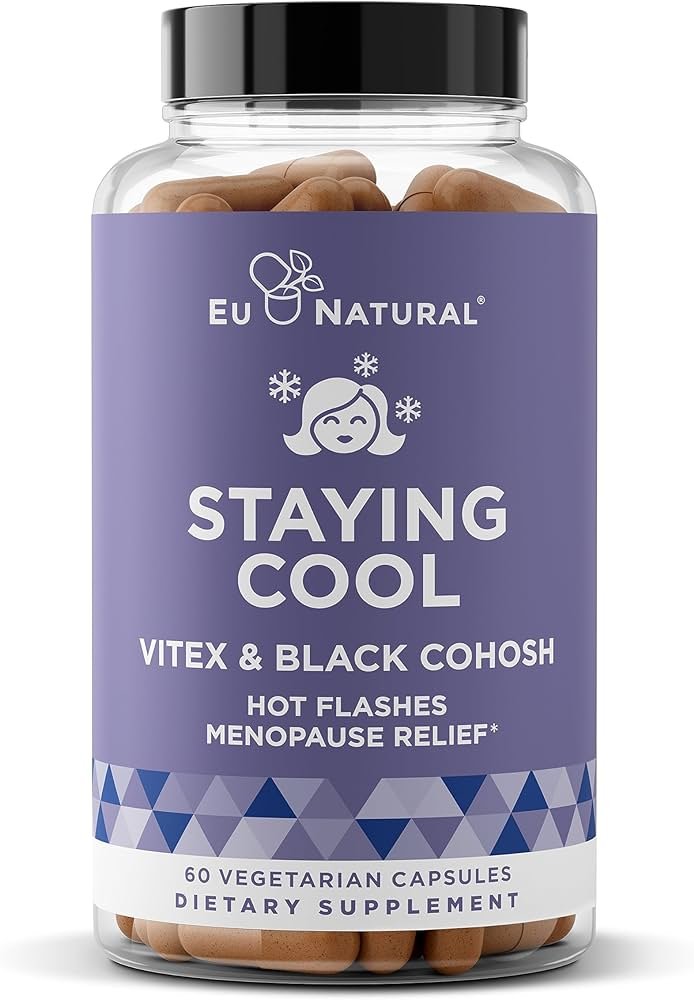
Certain herbal supplements, such as black cohosh and evening primrose oil, have been traditionally used to alleviate menopausal symptoms, including hot flashes. However, it’s important to consult with your healthcare provider before starting any herbal supplements to ensure they are appropriate for you and won’t interact with any medications you may be taking.
Acupuncture and Acupressure
Acupuncture and acupressure are alternative therapies that involve stimulating specific points on the body to restore balance and alleviate symptoms. Some women report a reduction in hot flashes after receiving acupuncture treatments. However, it’s essential to consult with a qualified practitioner before trying these therapies.
Aromatherapy
Aromatherapy, the use of essential oils for therapeutic purposes, can also provide relief from hot flashes. Essential oils such as peppermint, lavender, and clary sage may help promote a sense of calm and coolness when inhaled or applied topically. However, it’s important to use essential oils with caution and dilute them properly before use.

Hormone Replacement Therapy
Hormone replacement therapy (HRT) is a medical approach to managing menopausal symptoms, including hot flashes. HRT involves taking medications that contain hormones, such as estrogen and progesterone, to supplement the declining levels in your body.
Understanding Hormone Replacement Therapy (HRT)
HRT aims to alleviate the symptoms of menopause by replacing the hormones that decrease during this phase. Estrogen-only therapy is typically prescribed for women who have undergone a hysterectomy, while combined therapy with estrogen and progesterone is recommended for women with an intact uterus. HRT can effectively reduce the frequency, duration, and intensity of hot flashes, but it is not suitable for everyone. Discuss the potential risks and benefits with your healthcare provider to determine if HRT is the right option for you.
Talking to Your Doctor About HRT
If you are experiencing severe hot flashes or other menopausal symptoms that significantly affect your quality of life, consider talking to your doctor about hormone replacement therapy. They can assess your medical history, perform necessary tests, and help you understand the potential benefits and risks of HRT. Your doctor will guide you in making an informed decision based on your individual circumstances and preferences.
Alternative Treatments to HRT
If hormone replacement therapy is not suitable for you or if you prefer alternative approaches, there are other treatments available. These may include non-hormonal medications or therapies that address specific symptoms, such as antidepressants or medications for blood pressure regulation. Your doctor can discuss these alternative treatments and help you choose the most appropriate option for managing your hot flashes.
Medications
In some cases, medications may be prescribed to help manage hot flashes, especially when lifestyle adjustments and natural remedies are not sufficient.
Prescription Medications for Hot Flashes
Several prescription medications can effectively reduce the frequency and severity of hot flashes. These medications include certain antidepressants, such as selective serotonin reuptake inhibitors (SSRIs) or serotonin-norepinephrine reuptake inhibitors (SNRIs), and certain medications initially developed for treating epilepsy or high blood pressure. Discuss the potential benefits and side effects of these medications with your healthcare provider.
Over-the-Counter Remedies
Over-the-counter remedies, such as non-prescription supplements or nutritional supplements, may also help alleviate hot flashes for some women. However, their efficacy varies, and it’s important to consult with your doctor or a pharmacist before starting any over-the-counter treatments. They can provide guidance on safety, potential interactions with other medications, and appropriate dosing.
Potential Side Effects
It’s important to be aware that both prescription medications and over-the-counter remedies can have side effects. Common side effects may include nausea, dizziness, dry mouth, or changes in mood or appetite. Additionally, some medications may not be suitable for women with certain medical conditions. Always consult with your healthcare provider before starting any new medications or remedies to ensure they are safe and appropriate for you.

Alternative Therapies
In addition to conventional medical treatments, alternative therapies can also provide relief from hot flashes and contribute to your overall well-being. These therapies focus on holistic approaches to achieving balance and wellness.
Chiropractic Care
Chiropractic care involves the manipulation of the spine to restore proper alignment and relieve discomfort. While chiropractic care may not directly address hot flashes, some women report improved overall well-being and a reduction in menopausal symptoms, including hot flashes, after receiving chiropractic treatment. Consult with a qualified chiropractor to discuss how chiropractic care may benefit you.
Massage Therapy
Massage therapy can help promote relaxation, reduce muscle tension, and improve circulation. It can provide temporary relief from hot flashes and contribute to overall stress reduction. Whether you opt for a professional massage or self-massage techniques, incorporating regular massage sessions into your routine can be beneficial.
Yoga and Meditation
Yoga and meditation are ancient practices that promote physical, mental, and emotional well-being. These practices can help reduce stress, regulate hormone levels, and improve overall health. Certain yoga poses and meditation techniques may specifically target menopausal symptoms, including hot flashes. Consider joining a yoga class or incorporating mindfulness practices into your daily routine.
Seeking Support
Navigating through menopause and managing hot flashes can be overwhelming at times. Seeking support from others who are going through or have gone through a similar experience can provide comfort, guidance, and a sense of community.
Joining a Menopause Support Group
Joining a menopause support group can be immensely helpful in sharing experiences, learning from others, and receiving emotional support. Support groups can be in-person or online, providing a safe and nonjudgmental space to discuss menopausal symptoms, treatment options, and coping strategies. Connecting with others who understand what you’re going through can provide a sense of empowerment and reassurance.
Sharing Experiences with Friends and Family
Sometimes, talking openly about your hot flashes and menopause with friends and family can alleviate feelings of isolation and help them understand what you’re going through. Sharing your experiences and concerns can lead to more support, empathy, and practical help from your loved ones.
Consulting a Therapist
If you find that menopause, including hot flashes, is taking a toll on your emotional well-being, consider consulting a therapist or counselor. Therapy can provide a safe space to explore and address any underlying emotional or psychological factors contributing to your hot flashes. A therapist can also help with stress management techniques and provide you with coping strategies to navigate through this transitional phase of life.
In conclusion, hot flashes are a common symptom experienced during menopause, but they can be managed effectively with lifestyle adjustments, dietary changes, stress management techniques, natural remedies, medical treatments, and support. By incorporating these strategies into your daily life and seeking the necessary help and support, you can stay cool, comfortable, and empowered throughout your menopausal journey. Remember, every woman’s experience is unique, so it’s essential to find the approaches that work best for you. Stay positive and know that hot flashes are just one chapter in the beautiful story of womanhood.