
Pain is a complex and multifaceted experience that goes beyond mere physical sensations. It is influenced by a myriad of factors, including emotional state, past experiences, and even cultural background. When you experience pain, your brain interprets signals from your body, but this interpretation can vary significantly from one person to another.
For instance, two individuals may sustain the same injury yet report vastly different levels of discomfort. This discrepancy highlights the subjective nature of pain and underscores the importance of understanding how your perception can shape your experience. Your emotional response to pain plays a crucial role in how you perceive it.
If you approach pain with fear or anxiety, it can amplify your discomfort, making it feel more intense than it might otherwise be. Conversely, a calm and accepting attitude can help mitigate the sensation. Recognizing that pain is not just a physical phenomenon but also an emotional one can empower you to take control of your experience.
By understanding the factors that influence your perception of pain, you can begin to explore strategies that may help you manage it more effectively.
Key Takeaways
- Pain perception is influenced by individual experiences, emotions, and beliefs.
- Distraction can effectively reduce the perception of pain by redirecting attention away from it.
- The mind and body are interconnected, and harnessing this connection can help manage pain.
- Visualization techniques can help individuals imagine themselves in a state of comfort and relief from pain.
- Mindfulness, meditation, and positive self-talk can all contribute to a more positive experience of pain and reduce its impact on daily life.
- Hypnosis and guided imagery can be powerful tools for managing and reducing pain.
- Relaxation and breathing exercises can help calm the body and mind, reducing the intensity of pain.
The Power of Distraction
Distraction is a powerful tool when it comes to managing pain. When you focus your attention on something other than the discomfort you are experiencing, you can create a mental buffer that diminishes the intensity of your pain. Engaging in activities that capture your interest—whether it’s reading a book, watching a movie, or participating in a hobby—can shift your focus away from the pain signals your body is sending.
This shift in attention can provide relief and make the experience more bearable. Moreover, distraction can also serve as a temporary escape from the emotional burden that often accompanies pain. When you immerse yourself in an enjoyable activity, you allow your mind to take a break from the constant rumination about your discomfort.
This mental reprieve can be incredibly beneficial, as it not only reduces the perception of pain but also enhances your overall mood. By incorporating distraction techniques into your pain management strategy, you can create moments of relief that contribute to a more positive outlook on your situation.
Harnessing the Mind-Body Connection

The mind-body connection is a powerful aspect of human experience that can significantly influence how you perceive and manage pain. Your thoughts and emotions can directly impact your physical sensations, and understanding this connection can empower you to take charge of your pain management. When you recognize that your mental state can affect your physical well-being, you open the door to various strategies that leverage this connection.
For instance, when you practice relaxation techniques or engage in positive thinking, you may find that your perception of pain diminishes. This is because calming your mind can lead to a reduction in muscle tension and stress hormones, which in turn can alleviate physical discomfort. By consciously cultivating a positive mindset and employing techniques that promote relaxation, you can harness the mind-body connection to create a more favorable environment for healing and pain relief.
Utilizing Visualization Techniques
Visualization techniques are another effective way to manage pain by tapping into the power of your imagination. When you visualize calming scenes or positive outcomes, you engage your mind in a way that can alter your perception of pain. For example, imagining yourself in a serene landscape or picturing the pain dissipating can create a sense of peace and relaxation within your body.
This mental imagery can serve as a powerful distraction from discomfort while also promoting feelings of well-being. To effectively utilize visualization techniques, it’s essential to find a quiet space where you can focus without interruptions. Close your eyes and take deep breaths as you picture a place that brings you joy or tranquility.
Allow yourself to immerse in the details—what do you see, hear, and feel? By creating vivid mental images, you can foster a sense of control over your pain and cultivate an inner sanctuary that provides relief during challenging moments.
Practicing Mindfulness and Meditation
Mindfulness and meditation are practices that encourage present-moment awareness and acceptance, which can be particularly beneficial for managing pain. When you practice mindfulness, you learn to observe your thoughts and sensations without judgment. This non-reactive awareness allows you to acknowledge your pain without becoming overwhelmed by it.
Instead of resisting or fearing the discomfort, mindfulness teaches you to accept it as part of your experience. Meditation further enhances this practice by providing structured time for reflection and relaxation. Through meditation, you can cultivate a sense of inner peace that helps reduce stress and anxiety associated with pain.
Regular meditation practice has been shown to alter brain activity in ways that promote emotional regulation and resilience. By incorporating mindfulness and meditation into your daily routine, you create a powerful toolkit for managing pain and fostering overall well-being.
Engaging in Positive Self-Talk
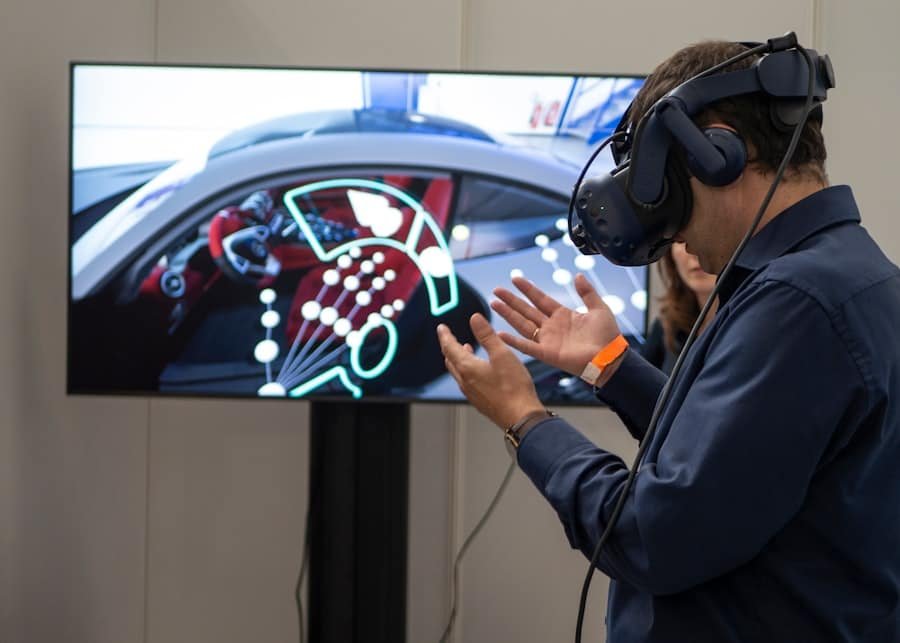
The way you speak to yourself has a profound impact on how you experience pain. Engaging in positive self-talk can help reshape your perception and foster resilience in the face of discomfort. Instead of allowing negative thoughts to dominate your mindset—thoughts like “I can’t handle this” or “This will never get better”—try replacing them with affirmations that promote strength and hope.
Phrases such as “I am strong enough to get through this” or “I am taking steps toward healing” can shift your focus from despair to empowerment. Additionally, positive self-talk can serve as a form of encouragement during difficult moments. When faced with pain, remind yourself of past challenges you’ve overcome or the progress you’ve made in managing your discomfort.
By reinforcing a narrative of strength and perseverance, you cultivate a mindset that is more conducive to healing. This shift in perspective not only helps alleviate the emotional burden of pain but also fosters a sense of agency over your experience.
Using Hypnosis and Guided Imagery
Hypnosis and guided imagery are techniques that leverage the power of suggestion to promote relaxation and pain relief. In a hypnotic state, you become more open to suggestions that can help alter your perception of pain. A trained hypnotherapist can guide you through visualizations that encourage relaxation and reduce discomfort, allowing you to tap into deeper levels of consciousness where pain may feel less intense.
Guided imagery works similarly by using verbal cues to lead you through calming scenarios or positive experiences. Whether it’s imagining yourself on a peaceful beach or envisioning the healing process taking place within your body, these techniques can create a mental environment conducive to pain relief. By incorporating hypnosis or guided imagery into your pain management strategy, you harness the power of suggestion to create transformative experiences that promote healing.
Incorporating Relaxation and Breathing Exercises
Relaxation techniques and breathing exercises are essential components of effective pain management strategies. When you’re in pain, your body often responds with tension and stress, which can exacerbate discomfort. By consciously practicing relaxation techniques—such as progressive muscle relaxation or deep breathing—you can counteract this response and promote a sense of calm.
Deep breathing exercises are particularly effective for managing pain because they activate the body’s relaxation response. When you take slow, deep breaths, you signal to your nervous system that it’s time to relax. This practice not only helps reduce muscle tension but also lowers heart rate and blood pressure, creating an overall sense of well-being.
By incorporating regular relaxation and breathing exercises into your routine, you equip yourself with valuable tools for navigating pain with greater ease and resilience. In conclusion, managing pain is not solely about addressing physical symptoms; it involves understanding the intricate interplay between mind and body. By exploring various strategies such as distraction, visualization techniques, mindfulness practices, positive self-talk, hypnosis, and relaxation exercises, you empower yourself to take control of your experience.
Each approach offers unique benefits that contribute to a holistic understanding of pain management, allowing you to navigate challenges with greater confidence and resilience. Embracing these techniques not only enhances your ability to cope with discomfort but also fosters a deeper connection between mind and body—ultimately leading to improved well-being and quality of life.
FAQs
What is pain perception?
Pain perception is the way our brain interprets signals from the body to create the sensation of pain. It is a complex process involving sensory nerves, the spinal cord, and the brain.
How can I trick my mind into not feeling pain?
There are several techniques that can help trick the mind into not feeling pain, such as distraction, relaxation, visualization, and positive thinking. These techniques can help shift the focus away from the pain signals and reduce the perception of pain.
Does distraction really help in reducing pain perception?
Yes, distraction can be an effective way to reduce pain perception. Engaging in activities that require focus, such as listening to music, playing a game, or watching a movie, can help divert attention away from the pain signals.
Can relaxation techniques help in managing pain?
Yes, relaxation techniques such as deep breathing, progressive muscle relaxation, and meditation can help reduce muscle tension and promote a sense of calm, which can in turn reduce the perception of pain.
Is visualization an effective method for managing pain?
Visualization, or mental imagery, can be an effective method for managing pain. By imagining a peaceful or pleasant scene, individuals can shift their focus away from the pain and create a more positive mental state.
How does positive thinking impact pain perception?
Positive thinking can help change the way the brain processes pain signals. By focusing on positive thoughts and emotions, individuals can alter their perception of pain and improve their overall well-being.